In the quiet chill of a new year, a small animated gem whispers a timeless truth about motherhood. The latest episode of the anthology series Yao-Chinese Folktales 2 (中国奇谭2), titled "Xiao Xue (小雪)," unfolds not with epic battles or mythical beasts, but with the subtle, aching worry of a mother watching her child step into the world. Set against a backdrop that feels both vaguely historical and deeply familiar, this short film uses the language of strange ailments and supernatural diagnosis to explore the most human of conditions: the fear of letting go.
A Mother's Silent Diagnosis
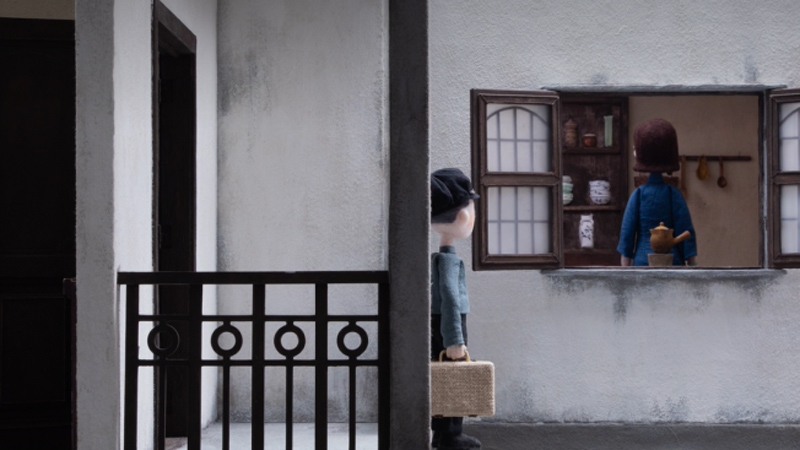
The story begins with an old doctor, Qiu Rongchuan (邱容川), summoned to treat a boy’s peculiar illness. The child cannot stop turning somersaults. The doctor, employing acupuncture and prescribing herbal remedies, notes in his meticulous case log a diagnosis of "phlegm harassing the mind." Yet, the conventional treatment fails. The boy’s condition worsens until his mother, Cheng Xiaoxue (程小雪), whistles. He instantly grows still. This is the first clue that the malady is not purely physical. The house itself becomes a character—a confining space where the boy’s restless energy, perhaps a metaphor for youthful ambition or simply the need to grow, becomes a symptom.
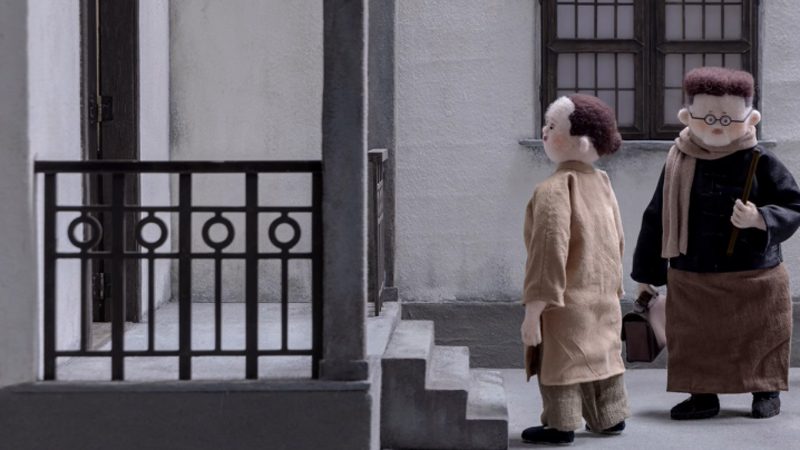
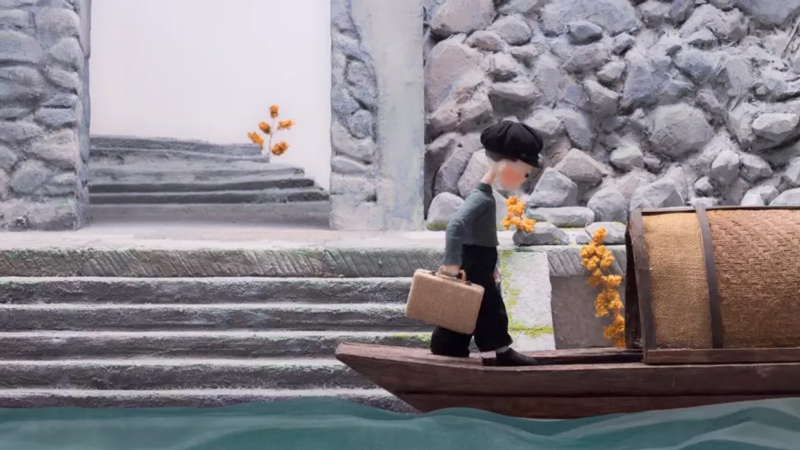
As the narrative unfolds, the true patient emerges. When the boy accompanies his mother outside, his "symptoms" vanish. He regains his color and even performs heroic deeds. The doctor’s notes shift: "an illness of emotion." The core of the tale reveals itself. The son is preparing to leave for a boarding school. His mother’s unconscious whistling, a habitual gesture of care and control, is the real root of the manifested chaos. Her anxiety, confined within the walls of their home, physically manifests through her child.
The boy’s departure brings a temporary resolution. The case log states, "the son’s strange illness is greatly improved." But the cure is merely transferred. Now alone, the mother falls gravely ill. The same doctor treats her, using a flute to guide her qi (气). It works momentarily, but as he leaves, he hears the flute sound again from within the house. The final log entry expresses bewilderment, marking it as a true "strange tale." The worry has not left; it has transformed, echoing in an empty home.
Felt, Ink, and Unspoken Love
The emotional weight of "Xiao Xue" is carried by a distinct and intentional aesthetic. Director and artist Chen Lianhua (陈莲华) employs felt stop-motion animation, a medium whose tactile, slightly soft-focus quality perfectly complements the story's tender melancholy. The material’s warmth contrasts with the chilly emotional distance growing between mother and son. Every stitch and fiber feels handmade, mirroring the careful, often painful, handiwork of parenting.
Further elevating the form is the pervasive use of calligraphy. From the episode title to the doctor’s case notes that scroll across the screen, elegant Kai Shu (楷书) script is integral to the visual and narrative design. These are not mere subtitles but artistic elements that root the story in a scholarly, almost classical Chinese tradition. They demand a slower, more contemplative reading, forcing the viewer to engage with the text as an object of beauty and a carrier of hidden meaning, much like the story itself.
This aesthetic extends to the soundscape. A melancholic score featuring traditional instruments like the flute intertwines with the mother’s whistling and the final song’s lyrics: "Young lad, the road is long, I cannot see your face, beyond the misty mountains..." Sound becomes the tether that cannot be severed. The "magic" of the ending, where the mother’s worry seems to solidify into the sound of the flute, is a poignant visual and auditory metaphor for an emotion that persists, invisible and haunting, long after the child is gone.
Beyond the Strange Tale
On its surface, "Xiao Xue" operates within the Zhigua (志怪) tradition—recording strange and supernatural occurrences. Yet, its power lies in how it uses this framework to illuminate ordinary life. The "strange illness" is simply maternal anxiety amplified to a magical-realist degree. The story bypasses modern psychological jargon to tap into a more primal, folk understanding of emotion as a force that can inhabit spaces and bodies.
Cheng Xiaoxue, whose name titles the episode, becomes an archetype. She is not just one mother but a representation of a timeless figure in Chinese culture, defined by silent sacrifice and deep, often unarticulated, concern. Using a surreal, period-agnostic setting lifts her story from the specifics of modern parenting dilemmas into the realm of universal feeling. It asks what happens to love when its object steps away, and suggests that love itself may then become a quiet, haunting presence.
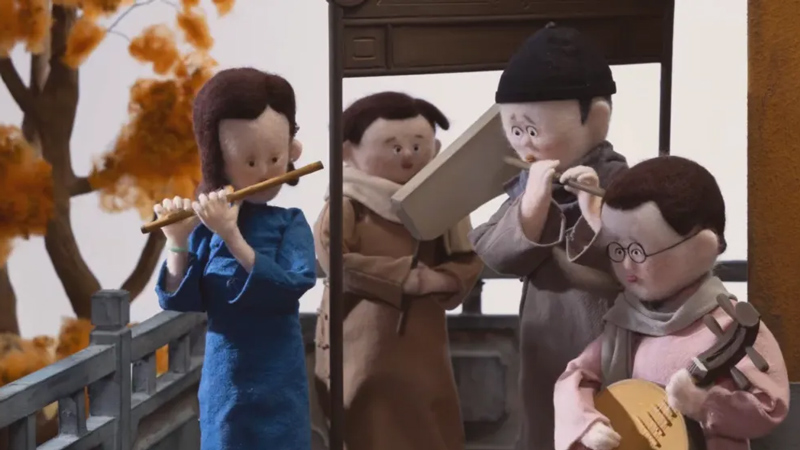
The episode’s resolution offers no simple cure. The boy’s somersaults stop, but the mother’s echoed flute remains. True health, the film suggests, is not the absence of feeling but the painful process of transformation and acceptance. The child must leave the confined house to grow; the parent must learn to live with the echo. In this delicate balance, Yao-Chinese Folktales 2 finds its profound strength, proving that the most fantastic stories are often those that speak the quietest truths about the human heart.

