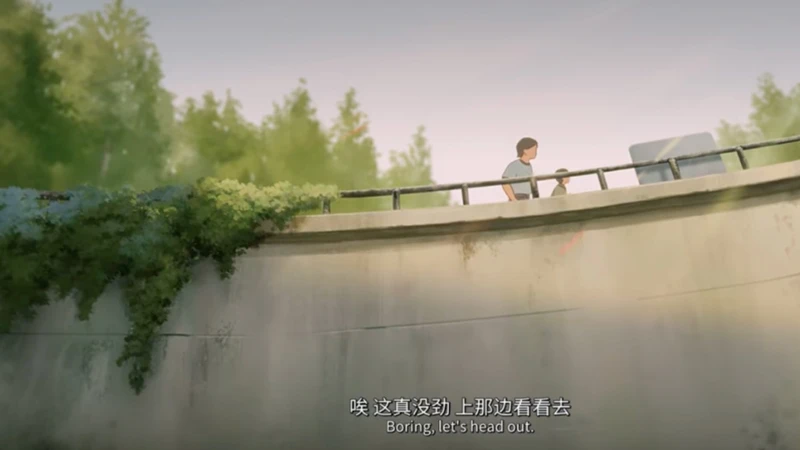
The short film Zoo Today (今日动物园) presents a deceptively simple stage. Within the fences and faux rocks, a microcosm of human society plays out, its drama performed not by actors but by animals. A young bear contemplates a career change, a tiger father drills his cub, and an elephant boasts of past fame. Their dilemmas, narrated through candid interviews, strip away human pretension to expose the raw anxieties of modern life: ambition versus security, purpose versus comfort, and the eternal search for a place to belong. This is not a story about wildlife; it is a mirror held up to every viewer navigating the concrete jungles of their own existence.
The Bear’s Dilemma
At the heart of the narrative is a young bear. His enclosure has grown quiet and overlooked since his esteemed uncle left. Faced with dwindling attention and resources, he makes a bold application to transfer to the circus performance division. This move sends ripples through the zoo’s community. For the bear, it is a leap into the unknown—a chance for greater rewards but also the certainty of harder work and physical risk, symbolized by the daunting fire hoop. His mother worries, embodying the generation that prizes stability above all, yet she reluctantly supports his choice. This section of the zoo debates not animal training, but the universal youth quandary: to stay in a comfortable, fading routine or to venture toward glittering, painful opportunity?
The performance hall represents the magnetic, demanding metropolis. The pay is better, the audience larger, but the cost is personal sacrifice. Scenes show the young bear nursing burns, a stark visual of the price of ambition. His journey asks the audience to weigh the value of growth against the comfort of the familiar. Is the chance to be seen, to matter on a bigger stage, worth the inevitable scars? The film offers no easy answer, only the bear’s determined, anxious face as he practices his new, dangerous act.
Contrasting perspectives emerge. The elephant, a charismatic figure with visible patches on his skin, speaks of the performance hall as a path to fame. He mentions how the zoo once replaced panda-shaped bins with bear-shaped ones following a star performer’s rise. His viewpoint is purely transactional: endure now for legacy later. Yet his faded scars hint at a painful history, questioning whether the spotlight ever truly compensates for the wounds acquired in its pursuit. He represents the relentless hustler, for whom every move is a calculated step toward personal branding.
Voices from the Enclosure
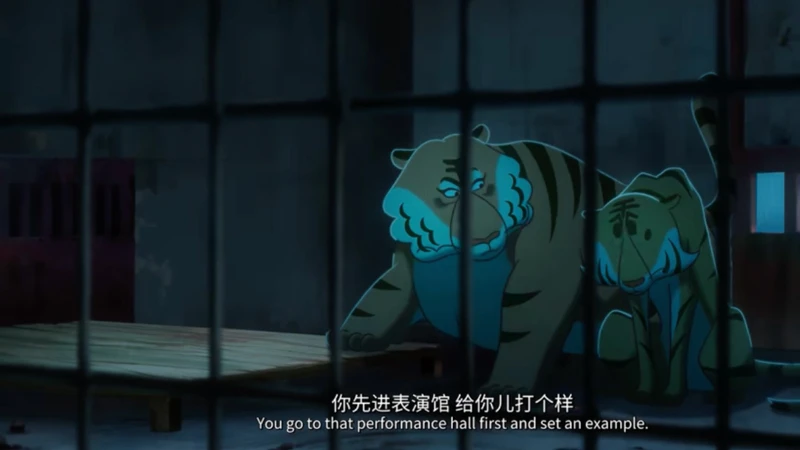
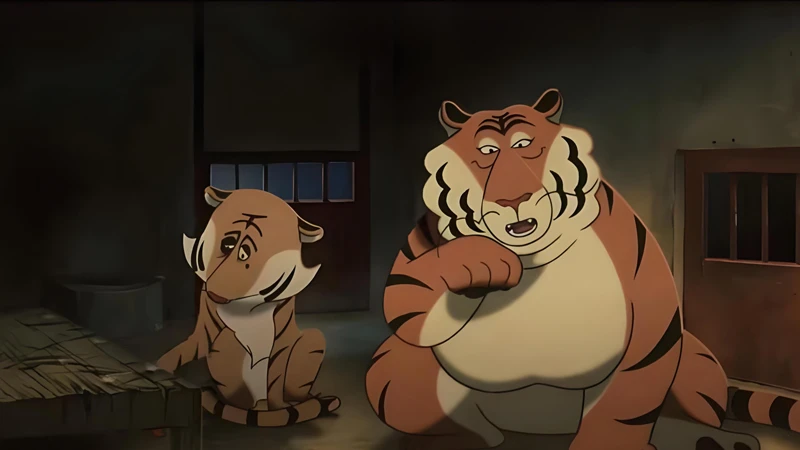
Each animal species acts as an archetype, dissecting the bear’s decision through the lens of their own values. The tiger family are the ultimate “tiger parents.” The father has his son’s career mapped out before birth, pushing relentlessly for the prestige of the performance hall. When progress stalls, his ambition shifts to his mate, a South China Tiger, insisting she pave the way. Their narrative satirizes a culture of relentless pressure and conditional worth.
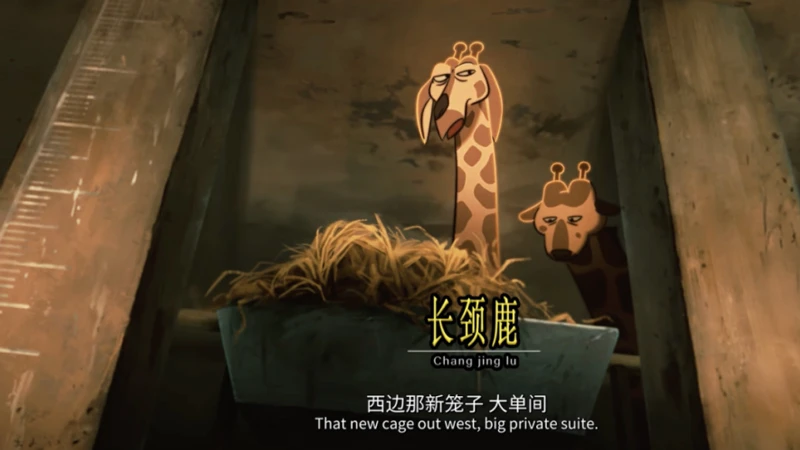
The giraffe and the parrot offer more materialistic critiques. The giraffe covets the larger living quarters promised to performers, seeing the transfer as a real estate upgrade. The parrot simply hopes for better treats, like milk biscuits. While both are self-interested, their desires reflect different strata of society: one seeking status symbols, the other basic creature comforts. Meanwhile, the bear’s mother undergoes a subtle change. Witnessing her son’s injuries, her initial fear transforms into a grim acknowledgment. Perhaps the struggle itself is necessary. Perhaps the safe cage is the greater trap.
This chorus of opinions highlights how our circumstances shape our advice. The privileged tiger sees only ladder-climbing; the comfortable parrot preaches risk-aversion; the once-burned elephant sells a dream of fame. The young bear listens to all, but must ultimately choose his own path, surrounded by voices that speak more about their own cages than his potential.
The Uncle in the Forest
The most potent symbol in the film is the absent uncle, the bear who escaped the zoo entirely. He now lives in the wild forest, and his legend haunts the enclosures. His story is the ultimate “what if,” the radical alternative to both the stagnant exhibit and the regimented performance hall. The zoo’s residents watch a documentary snippet showing the uncle fighting wolves, a long scar etched across his back.
Reactions to his fate are polarized. The tiger father scoffs, viewing the escape as a foolish surrender of a “state-sector job” for an unpredictable, dangerous freelance life. The parrot shudders, citing the paramount importance of “saving one’s skin.” For them, the forest represents chaos and failure. But for the bear mother, watching the wild struggle on screen, a new thought crystallizes. That scar is not a mark of failure, but of authenticity. “This is an animal’s true nature,” she remarks. The forest, for all its perils, offers a autonomy the zoo never can.
The uncle’s path reframes the entire debate. It is a third option beyond the safe cage or the gilded one: total freedom with total responsibility. His scar is a badge of a life fully lived, on his own terms. His example doesn’t provide a solution, but it expands the spectrum of possibility. It asks whether any system, even a successful one, is worth the cost of one’s innate wildness. The young bear sees this, and in his determined grin, we see not just a willingness to jump through hoops, but a spark of the same untamed spirit that drove his uncle over the wall.