-
Top 10 Must-Watch Chinese Period Dramas of 2025
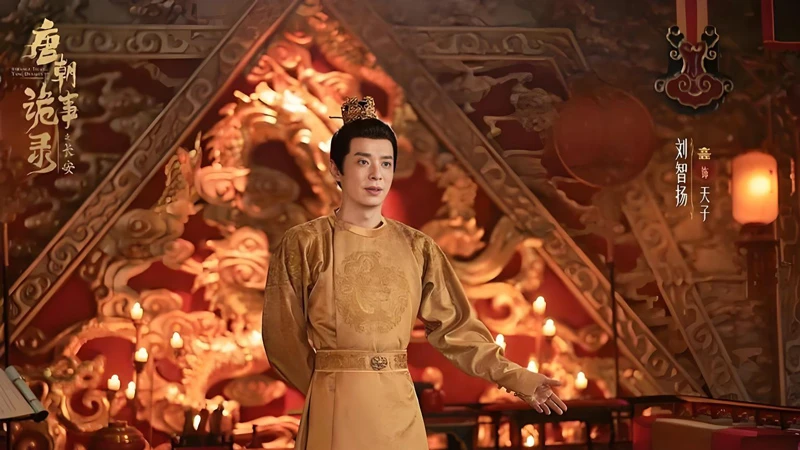
This year, historical series have transformed television with their inventive approaches. The Legend of Zang Hai immediately captivated viewers, setting a precedent for narrative depth. It blends suspense with emotional arcs that keep audiences engaged. Another standout, The Demon Hunter's Romance merges the supernatural into ancient settings, offering a fresh perspective. Meanwhile, Strange Tales of Tang Dynasty Ⅲ: Chang'an delves into Tang dynasty enigmas, where each revelation builds tension. These productions highlight a shift toward complex storytelling, resonating with fans who seek more than mere escapism. Flourished Peony (国色芳华) Aired: 2025 Douban rating: 7.8 Period Background: A fictional ancient dynasty reminiscent of the Tang era, focusing on urban commerce and aristocratic circles. Genres: Historical Drama, Business, Female Empowerment, Political Intrigue Main Roles: Yang Zi portrays He Weifang (何惟芳), a determined merchant's daughter; Li Xian appears as Jiang Changyang (蒋长扬), a clever official with a hidden agenda; supporting actors include Wei Zheming, Zhang Yaqin, and Tu Songyan. Adapted from: The novel by Yi Qianzhong (意千重), which originally serialized online. Plot Deep Dive: He Weifang enters a marriage of convenience to aid her ailing mother, only to encounter coldness and deceit from her husband's family. After discovering fraudulent medicinal practices, she courageously…- 24
- 0
-
The Grand Princess in Tang Dynasty Mysteries
Have you encountered a character so boldly portrayed that she defies typical television norms? In the captivating series Strange Tales of Tang Dynasty Ⅲ: Chang'an (唐朝诡事录之长安), one figure consistently captures attention without conforming to standard beauty filters or humble dialogues. This show, set in the bustling capital of the Tang Dynasty during the early 8th century, blends detective work with political intrigue, offering a fresh take on historical drama. Unlike many romantic tales, it prioritizes suspense and clever plotting, with characters like the enigmatic Grand Princess standing out for her unapologetic presence. Played by Yue Lina (岳丽娜), she brings a layer of complexity that resonates deeply with modern audiences, making her a fan favorite despite—or because of—her extravagant demeanor. Her Character From her first appearance, the Grand Princess commands the screen with a regal aura that feels both authentic and exaggerated. Her lavish costumes and distinct visual treatment, including a personalized smoothing effect, have sparked discussions. Instead of criticism, viewers applaud this choice, seeing it as a reflection of her elevated status in the story. This approach highlights how character depth can outweigh superficial expectations, drawing people into her world of power and ambition. Her dialogues are equally striking, filled…- 8
- 0
-
Tang Gui Ⅲ: Power Struggles and Enigmas in the Tang Capital
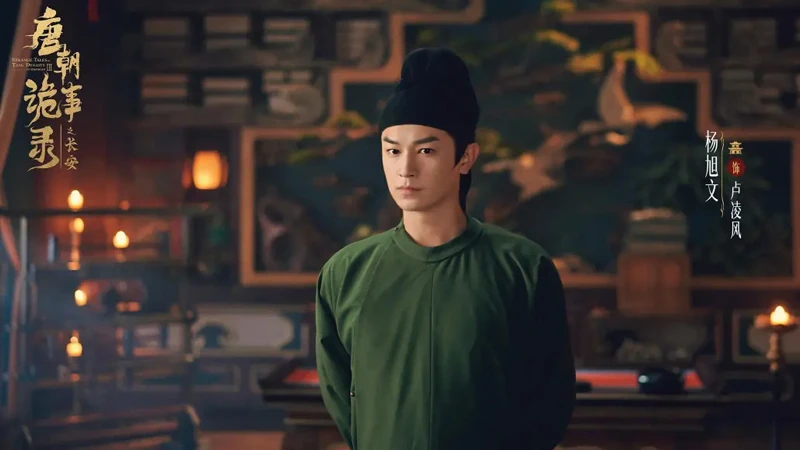
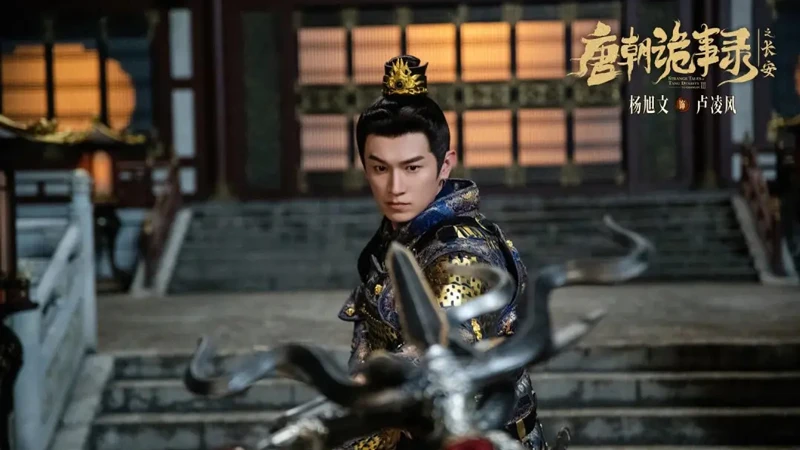
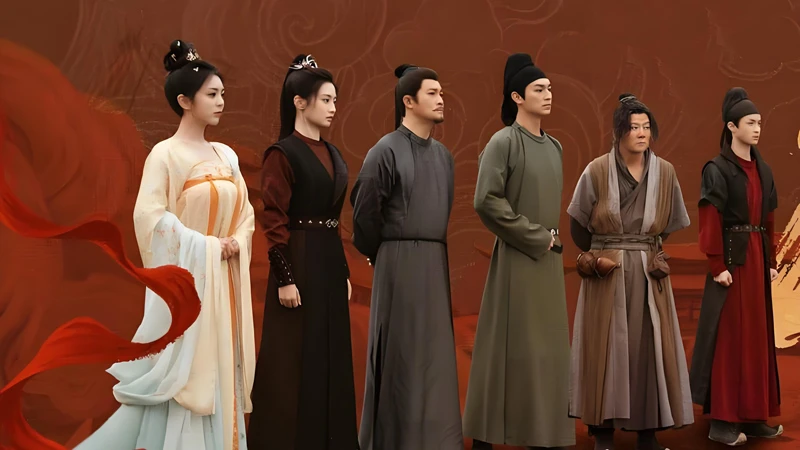
Audiences welcomed back the familiar team in Strange Tales of Tang Dynasty Ⅲ: Chang'an (唐朝诡事录之长安), where mysteries deepen within the ancient city's heart. Lu Lingfeng (卢凌风) demonstrated swift blade work to protect others, while Su Wuming (苏无名) skillfully managed tensions among powerful figures. Fei Jishi (费鸡师) amazed with his bone-setting techniques, and others like Xi Jun (喜君) applied portrait skills to pinpoint culprits. Ying Tao (樱桃) moved with agile grace, and Xue Huan (薛环) showcased quick thinking in tight spots. This season's debut on iQiyi (爱奇艺) quickly soared past 8500 in popularity metrics, reflecting high anticipation. Moving away from travel-focused plots, the story now anchors in Chang'an, weaving tales amid its political and social hubs. 1. A Tang Dynasty Web of Power & Deception In the heart of the ancient Tang Dynasty (唐朝), a simple mission to escort a rare golden peach to the capital unravels into a complex web of power and deception. As envoys navigate the treacherous paths to Chang'an, what appears to be a straightforward delivery quickly reveals deeper layers of political maneuvering. The golden peach, a symbol of wealth and prestige, becomes a focal point for hidden agendas, drawing in key figures from the imperial court.…- 16
- 0
-
Rabbit Ear Hairstyle in Tang Dynasty Ⅲ
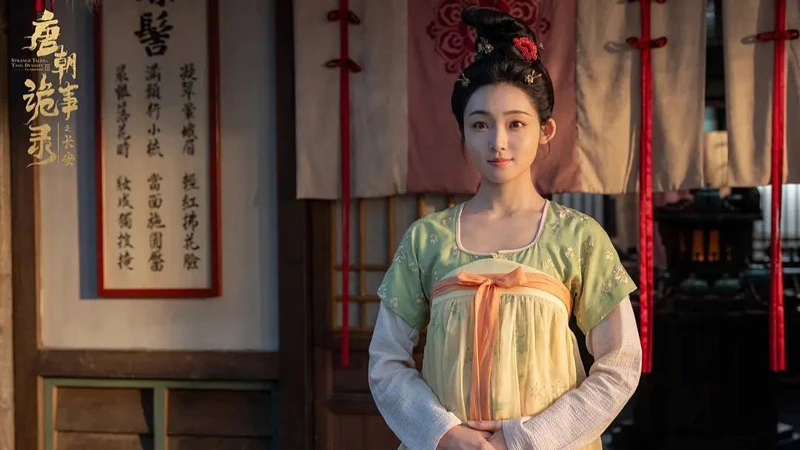
In the popular series Strange Tales of Tang Dynasty Ⅲ: Chang'an (唐朝诡事录之长安), the character Xi Jun (喜君) captivates audiences with her charming hairstyle that resembles rabbit ears. This look has sparked curiosity and admiration online, with many viewers wondering about its name and origins. Far from being a modern invention, this hairstyle has deep roots in Tang Dynasty fashion, where it symbolized youth and vitality. It frequently appears in historical dramas, often paired with traditional attire like Qixiong Shanqun (齐胸衫裙), enhancing the playful and innocent aura of female characters. This article delves into the history, variations, and enduring appeal of this distinctive style, revealing how ancient beauty standards continue to influence today's media. Ancient Origins The rabbit ear hairstyle is broadly categorized as Shuangji (双髻), meaning "double bun." This style was especially popular during the early to high Tang period, characterized by two buns positioned on the head, sometimes with a central gap or crossed sections. Historical records, such as those from the Five Dynasties period, note its prevalence among young women, reflecting societal norms where hairstyles indicated age and marital status. For instance, unmarried girls often wore Shuangji to showcase their youth, while mature women opted for more elaborate…- 14
- 0
-
Did a Golden Slip Really Save an Empress's Life?
In the television series Strange Tales of Tang Dynasty Ⅲ: Chang'an ( 唐朝诡事录之长安), two officials are on a mission to locate a mysterious artifact—a golden slip. This object holds the key to unraveling a complex mystery. What many viewers might not realize is that this plot device is not merely a writer's invention. It is based on a real, historical treasure connected to one of China's most powerful rulers, Empress Wu Zetian (武则天). This gleaming piece of gold offers a tangible link to her reign, raising a compelling question: could this small object have truly held significance for the fate of an entire dynasty? The Golden Proof The prop in the show is a detailed replica of an actual artifact housed in the Henan Museum. This genuine Jin Jian (金简), or Golden Slip, measures 36.2 centimeters in length, 8 centimeters in width, and weighs 223.5 grams. Its gold content exceeds an impressive 96%. The surface is devoid of intricate patterns. Instead, its value lies in the sixty-three characters etched into the metal. These words form a personal plea from the Empress, asking the heavens to absolve her of her worldly sins. This slip remains the only known relic directly tied…- 20
- 0
-
Dive Into 5 Captivating Chinese Mysteries
In recent years, a fascinating new wave of Chinese historical dramas has been captivating audiences, distinguished not by star power but by rich storytelling, intricate production design, and a unique cultural aesthetic. These series seamlessly blend mystery, the supernatural, and political intrigue against the backdrop of meticulously recreated ancient settings. Leading this trend are several standout productions from the mid-2020s, such as Strange Tales of Tang Dynasty III: Chang'an and Blade of Vengeance. They represent a shift towards "Zhongshi Guiguai (中式诡怪)", a distinctly Chinese approach to the eerie and supernatural, offering a fresh alternative to Western genres. These dramas are characterized by their complex, case-driven narratives that are often woven into larger, overarching conspiracies, immersing viewers in worlds where every solved mystery reveals deeper layers of courtly ambition and hidden truths. The commitment to authenticity is paramount, from constructing vast, physical sets like Chang'an's Western Market to choreographing fluid, demanding fight sequences performed by the actors themselves. Furthermore, they explore profound themes of justice, memory, and revenge, grounding their fantastical elements in the emotional journeys of compelling characters whose partnerships—forged in conflict and mutual respect—form the heart of the story. This convergence of intellectual mystery, visceral action, and deep cultural…- 28
- 0
-
Why Princess's Forehead Ornament Stands Out
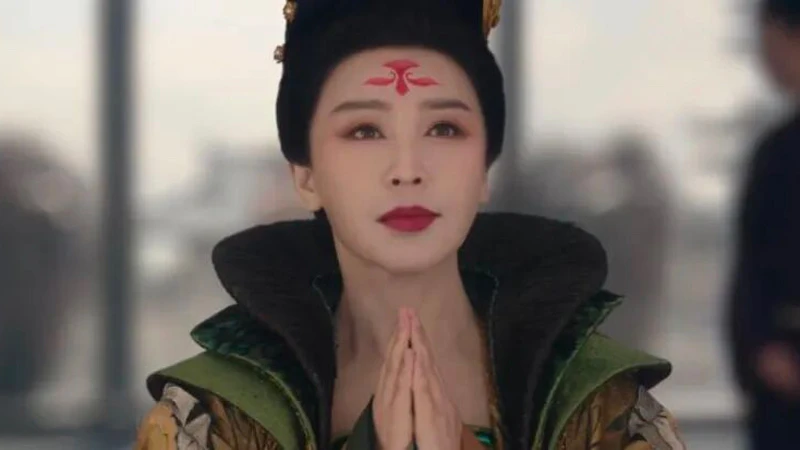
In the bustling capital of Chang'an, the latest season of Strange Tales of Tang Dynasty Ⅲ: Chang'an ( 唐朝诡事录之长安) showcases a striking visual choice that has captured audience attention. The character of the Princess appears with an oversized Huadian (花钿), a forehead ornament that spans nearly her entire brow, diverging from the subtle accents seen in other period dramas. This bold aesthetic immediately raises questions about its historical accuracy and symbolic intent. Rather than a mere decorative flourish, this large Huadian serves as a narrative device, hinting at deeper layers of personal identity and political statement within the storyline. As viewers, we are drawn into a world where beauty standards intertwine with power dynamics, inviting us to look beyond the surface. Early Tang Fashion During the early Tang dynasty, particularly in the seventh century, women's adornment practices reflected a period of cultural flourishing and experimentation. The exaggerated Huadian, as depicted in artifacts like the Dancing Maid Painting (舞伎图) from the Astana tombs, often covered most of the forehead and was typically painted with pigments like cinnabar for a vibrant, gradient effect. This style was not just about aesthetics; it symbolized a era of confidence and innovation, where women expressed themselves… -
Identity Struggles Tang Dynasty Chang'an Mysteries
In the engaging series Strange Tales of Tang Dynasty Ⅲ: Chang'an ( 唐朝诡事录之长安), audiences are transported to a world where personal identities blur and political ambitions collide. Set against the vibrant backdrop of the Tang Dynasty, this show weaves tales that explore how appearances can shape destinies and ignite conflicts. One narrative centers on a young woman whose striking resemblance to a revered empress thrusts her into a whirlwind of danger and desire. Through such stories, the drama delves into universal themes of self-discovery and the struggle for autonomy, all while maintaining a grip on historical intrigue. Its ability to blend character-driven plots with subtle societal commentary makes it a compelling watch for those interested in deeper narratives. The Look-Alike Effect Characters with identical faces often drive the plot in Tang Dynasty Mystery Records. Wuyang (舞阳), for instance, bears an uncanny likeness to the young Empress, leading others to label her as a reincarnation. This misconception subjects her to both reverence and persecution, dramatically altering her life path. Her journey highlights how physical similarity can become a prison, forcing her to confront external expectations while seeking her own identity. The series uses this motif to question whether we are defined…- 24
- 0
-
How Tang Dynasty Tales Resonate with Modern Audiences
In the final months of 2025, a television phenomenon has seized the attention of audiences, proving that substance can triumph over spectacle. Strange Tales of Tang Dynasty Ⅲ: Chang'an (唐朝诡事录之长安), the third installment of a beloved series, achieved staggering platform ratings and critical acclaim mere days after its premiere. This period mystery drama, devoid of A-list celebrities and pre-existing blockbuster IPs, has managed to not only meet but exceed the high expectations set by its predecessors. Its success is not a happy accident but the result of a meticulous and thoughtful creative philosophy that has resonated deeply with viewers. The Foundation The bedrock of the series' appeal is its unwavering respect for the audience's intellect. Rejecting convoluted plots that rely on character ignorance, the narrative presents mysteries that are complex yet logically sound. The story returns to the vibrant, bustling capital of the Tang Dynasty, Chang'an, in its early prosperous years. The protagonists, General Lu Lingfeng (卢凌风) and his partner Su Wuming (苏无名), a disciple of the famous Judge Di, lead their investigative team through a maze of bizarre cases set against a backdrop of intense court rivalries between the Emperor and the Princess. Craftsmanship A tangible, almost obsessive dedication…- 26
- 0
-
The Complex Journey of Wu Yang in Chang’an
In the gripping drama Strange Tales of Tang Dynasty Ⅲ: Chang'an (唐朝诡事录之长安), the character Wu Yang (舞阳) initially appears as a victim of circumstance, trapped by her mother's overprotective love in the bustling capital of Chang'an. Her story unfolds with layers of deception, challenging viewers' perceptions of innocence and manipulation. As the plot delves into her desperate bid for freedom, it reveals a complex web of human emotions and calculated moves, set against the rich backdrop of the Tang Dynasty. This narrative not only captivates with its suspense but also invites reflection on the lengths one might go to break free from societal constraints. The Illusion of Innocence Wu Yang's first encounter with Cherry and Pei Xijun (裴喜君) at a cosmetic shop seems like a chance meeting, but it is carefully orchestrated. She approaches them with a facade of pure vulnerability, quickly proposing a friendship and arranging a visit to Chenfo Temple (成佛寺). Her ability to read people allows her to select targets who are both sympathetic and influential, ensuring that her disappearance would cause enough concern to be investigated, yet not enough to derail her plans. This calculated approach shows her deep understanding of human psychology, far beyond what…- 23
- 0
-
Strange Tales of Tang Ⅲ: Chang'an Shines with 8.1 Douban Score
In a landscape where many Chinese series struggle to maintain quality across seasons, one show has defied expectations with its latest installment. Strange Tales of Tang Dynasty Ⅲ: Chang'an (唐朝诡事录之长安) has captivated audiences, achieving an impressive 8.1 rating on Douban and drawing millions of viewers. Set in the bustling capital of the Tang Dynasty, this season immerses viewers in a world where detective work meets political intrigue. The story follows investigators as they unravel bizarre cases rooted in historical mysticism, blending suspense with rich cultural elements. Its success marks a significant achievement for original IPs, proving that compelling storytelling can thrive without relying on tired tropes or excessive effects. The Mysterious Cases At the heart of this season lies the enigmatic "Golden Peach of Kang" case, which sets the tone for the series' intricate plots. When the valuable Golden Peach arrives as a tribute, it triggers a series of bizarre deaths linked to a mythical creature. Investigators discover that victims are attacked by what appears to be the Uyan Bird, a legendary beast from folklore. However, the truth proves more complex, as evidence points to human manipulation behind the scenes. This case not only hooks viewers with its twists but…- 15
- 0
-
Strange Tales 3 Dives Into Chang'an's Power Wars
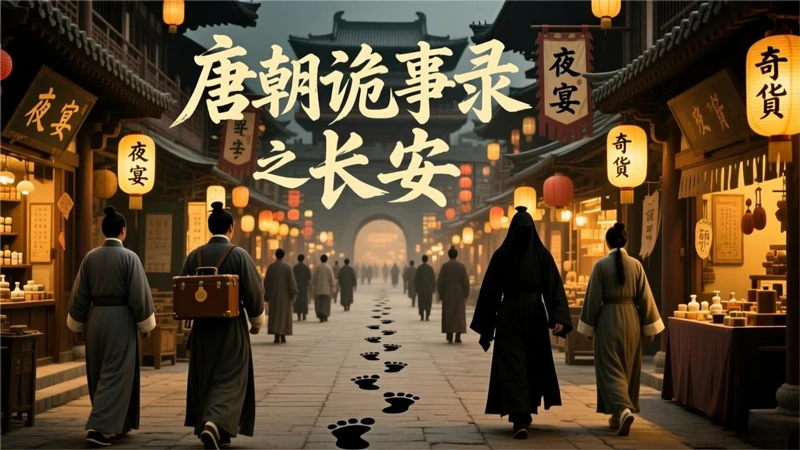
Have you ever wondered what keeps viewers glued to their screens for a historical mystery? The answer might lie in a bustling Tang Dynasty market, beneath the shadow of a mechanical beast, or within the whispered secrets of the palace. Strange Tales of Tang Dynasty Ⅲ: Chang'an (唐朝诡事录之长安) returns, and it wastes no time plunging audiences back into its captivating world of suspense and intrigue. Picking up directly from the events of its predecessor, the series immediately reacquaints us with the familiar faces of the investigation team. They find themselves in a Chang'an simmering with political tension, where a simple transport mission for a rare treasure unravels into a web of conspiracies that threaten the very heart of the empire. This season promises not only baffling cases but also a deeper exploration of the power dynamics shaping the era. Unveiling The Mystery The series has always been defined by its "strange" elements, and the third installment doubles down on this signature style. The premiere episode delivers a high-stakes encounter with colossal, mechanical birds that attack the Emperor. The spectacle is not mere fantasy; the show grounds its weirdness in historical texts like the Youyang Zazu (酉阳杂俎), which records flying wooden…- 19
- 0
-
Is That Snow White in Tang Dynasty China?
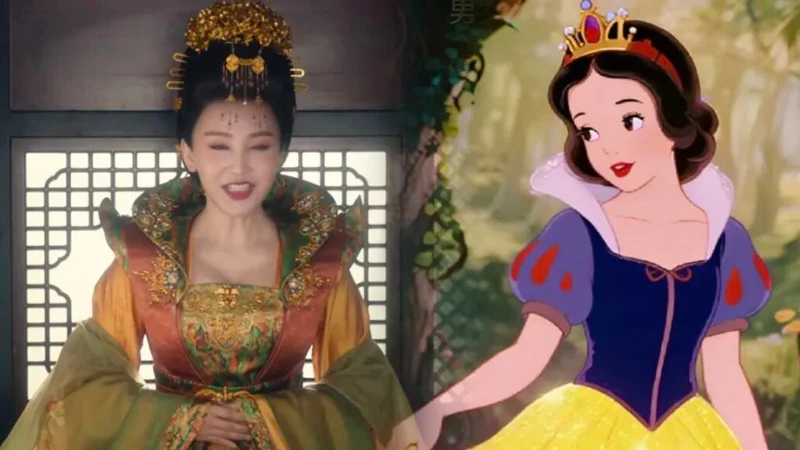
When viewers tuned into the historical drama Strange Tales of Tang Dynasty Ⅲ: Chang'an (唐朝诡事录之长安), a vibrant discussion erupted across social media platforms. The focus was not on the plot, but on the costume of a central character, Princess. Her gown, particularly its distinctive collar, bore a striking resemblance to the iconic outfit worn by Snow White from Western animation. This visual parallel prompted a wave of questions: Was this a deliberate borrowing from Disney? Does this design have any authentic roots in Chinese historical clothing, or is it a modern fabrication? The conversation highlights a larger, ongoing debate about how contemporary media interprets and represents historical fashion, blending fact with creative liberty. This costume controversy serves as a fascinating gateway into examining the intricate dialogue between Eastern and Western aesthetic traditions, and how ancient styles are reimagined for modern screens. Historical Inspirations To understand the princess's attire, one must look back at artifacts from the Tang Dynasty. Archaeological finds, such as ceramic dance figurines, reveal costumes with open necklines, often described as a U-shape or exposed collar. These garments, specifically used for performance, allowed for greater freedom of movement and an ethereal, flowing silhouette. The design typically involved layered…- 32
- 0
-
Cute Face vs. Imperial Aura in Wu Zetian’s Portrayal
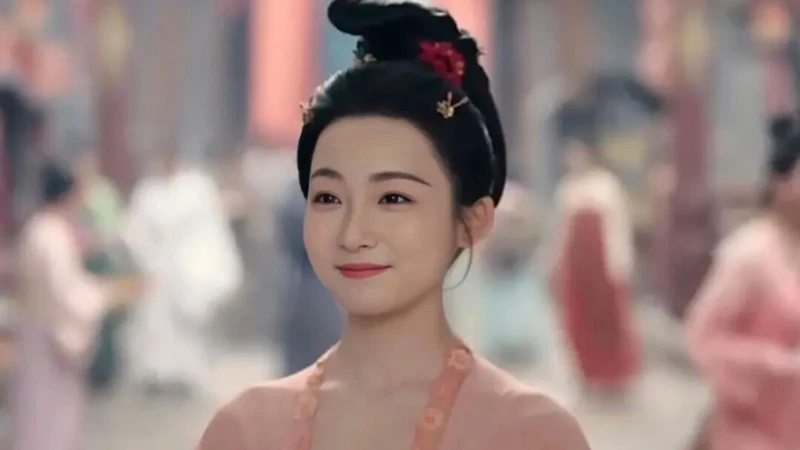
Does a cute face truly fit the legendary Empress we know? The recent television series Strange Tales of Tang Dynasty Ⅲ: Chang'an (唐朝诡事录之长安) has sparked fervent discussion with its portrayal of a young Wu Zetian (武则天). Viewers expressed disbelief, questioning how the formidable female emperor could be depicted with such a soft, almost doll-like appearance. This portrayal clashes with the widely accepted historical image of a woman possessing a square forehead and broad cheeks, features believed to signify great ambition and power. The debate goes beyond mere acting, touching upon a deeper question: how should contemporary media represent formidable historical figures, especially women whose authority defied traditional norms? Historical Face What did Wu Zetian actually look like? Historical records, notably the New Book of Tang (新唐书), describe her with the term "Fang E Guang Yi" (方额广颐), meaning a square forehead and wide jawline. This was considered an auspicious physiognomy, predicting nobility and strength. Her own daughter, Princess Taiping (太平公主), was said to share these features, leading Wu Zetian to remark that she resembled her. This historical description presents a stark contrast to the delicate, "moe" style favored in some modern interpretations. This established image has been powerfully brought to life…- 41
- 0
❯
Profile
Check-in
Message
Message
Search
Contact Us
Scan to open current page
Top
Checking in, please wait
Click for today's check-in bonus!
You have earned {{mission.data.mission.credit}} points today!
My Coupons
-
$CouponsLimitation of use:Expired and UnavailableLimitation of use:
before
Limitation of use:Permanently ValidCoupon ID:×Available for the following products: Available for the following products categories: Unrestricted use:For all products
No available coupons
Daily tasks completed: