Article
Search results:
-
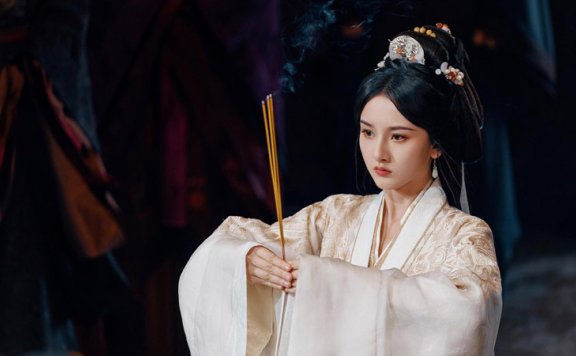
Top 5 Must-Watch Song Zuer's Historical & Fantasy Series
Song Zuer's journey—beginning as a fiery child deity in 2009 and maturing into nuanced historical heroines—offers a unique lens through which to explore C-drama's shifting landscapes. I've curated her most iconic roles that showcase her evolution from child star to versatile leading lady. Here are 5 masterpieces blending visual poetry and storytelling brilliance—perfect for historical/fantasy lovers! The Demon Hunter's Romance 无忧渡 Aired: April 12, 2025 Period: Fictional Tang-dynasty-inspired world with human-yao (supernatural beings) coexistence Genres: Xianxia, romantic fantasy, mystery Main Roles: Song Zuer (Banxia), Allen Ren (Xuanye) Adapted From: Novel Banxia by Banming Ban'ai In a Tang Dynasty-inspired realm fractured by mutual distrust between humans and yao (妖, nature spirits), Banxia is an outcast village girl whose ability to perceive spirits brands her a "cursed seer." Her path collides with Xuanye, a disillusioned demon hunter enforcing the Celestial Ministry's brutal purge of rogue yao. When a series of spirit-related disasters threatens both realms—a plague of nightmare-consuming Mengmo (梦魔) in farming villages, and spectral assassins targeting human officials—they form a reluctant pact to investigate. Their quest uncovers a darker truth: a primordial void entity is manipulating historical human-yao resentments to trigger a war. Banxia's evolving power to communicate with spirits (not… -
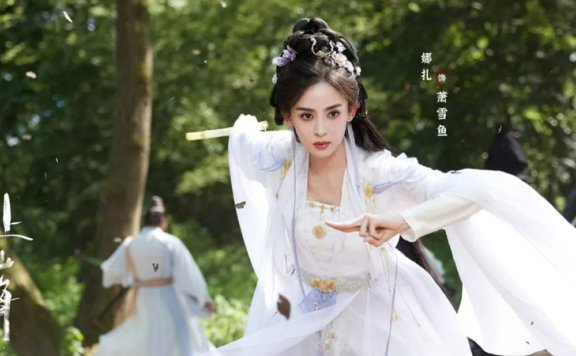
Tencent Video's 2025 H2 Costume Drama Lineup
Tencent just dropped their big lineup for the second half of 2025, and it's packed with some seriously anticipated historical/costume dramas. Let's dive in and see which one has you hitting that 'remind me' button! 1. Hundred Blossoms' Blood (百花杀) Stars: Meng Ziyi, He Yu, Xu Zhengxi The Story: After her family is wiped out, Gu Qingzhi wakes up with a new identity: Shen Xi, the Princess of the Northwest. She transforms from a proud "desert rose" into a ruthless avenger, determined to control her own destiny and play the game of power from the heights. Crown Prince Xiao Huayong, hiding a sharp mind behind a frail exterior, sees through the court's schemes. Their paths intertwine as they join forces to navigate the treacherous political landscape. The Buzz: This is Meng Ziyi's first big historical drama since her hit "The Princess and the Werewolf" (九重紫). She prepped intensely, studying perfumery for six months to nail her role. It's also a reunion for Meng Ziyi and Xu Zhengxi after "Romance of a Twin Flower" (花琉璃轶闻). While Xu Zhengxi isn't the male lead this time (that's He Yu), fans are hyped because their on-screen chemistry might just steal the show. Definitely one… -
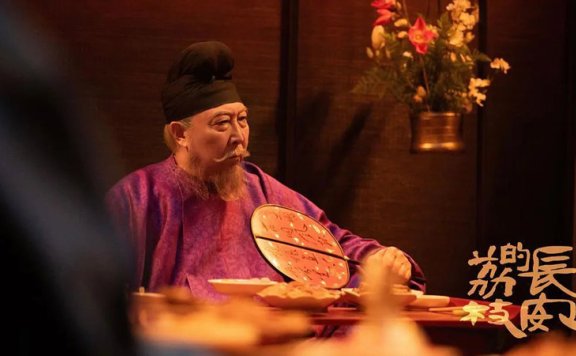
Talking with the Creators Behind The Litchi Road
A saying from ancient China goes like this: "One day, the color fades. Two days, the fragrance goes. Three days, the taste is gone." That's how fragile fresh lychees were—especially when you're trying to haul them over 5,000 miles from Lingnan to the imperial capital of Chang'an. For a low-ranking clerk like Li Shande, the lead character in The Litchi Road, this was basically mission impossible. Fast forward 1,200 years, and author Ma Boyong found himself in a similar bind: finishing a 70,000-word novel in just 11 days. Running on pure adrenaline (or what he called "flow state"), Ma pulled it off. And in his story, Li Shande does too—armed with nothing but math skills and the kind of desperation that leaves no room for failure. This whole "impossible mission" theme didn't stop at the book. It carried over to the TV adaptation too. The production team faced its own version of the lychee run: staying loyal to the book while also making bold changes, and doing it at a time when short-form web content is king and long-format storytelling feels like an endangered species. How hard was it? Well, that depends on how fast the TV industry decides to… -
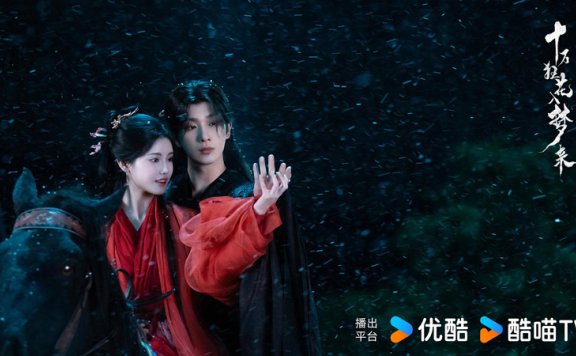
Newly Approved Costume Dramas Face Their Biggest Challenge Yet
Lately, the term "prefab hit" has become the industry's favorite punching bag. And no one's safe—not even the once-unshakable fantasy dramas aimed at female audiences. In fact, some male-centric detective dramas are getting roasted even harder, sarcastically praised as "glorious ancestral offerings". So what exactly is a "prefab hit"? It's a show that looks like a smash on paper—but only on paper. It might trend on a single platform, flood social media for a hot minute, and boast viral moments. But the actual viewership? Underwhelming. The wider public? Uninterested. Cultural impact? Pretty much a flatline. The formula is painfully familiar: slap a trending IP onto the conveyor belt, attach a big-name idol, lock in some pre-scheduled hashtags, hype up a fictional couple (whether they have chemistry or not), rally fanbases to rig the engagement stats, and let the algorithm handle the rest. Rinse, repeat, regret. The blueprint worked once—spectacularly so—with breakout fantasy dramas like The Journey of Flower and Eternal Love. These were genuine hits, not factory-made illusions. They set off a chain reaction that flooded the market with similar titles. For a while, female-led romance fantasies were the ultimate prefab hit machine. Production companies fought to sign top authors… -
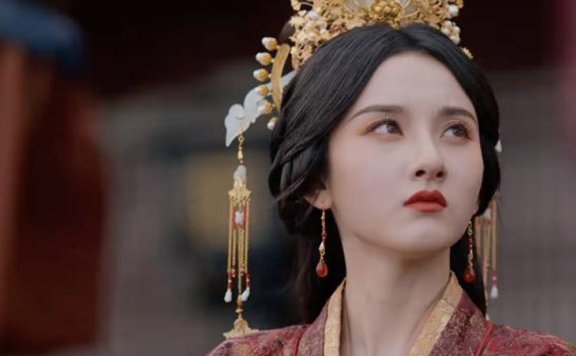
Jewelry in The Prisoner of Beauty
You've probably already heard the buzz around The Prisoner of Beauty—this season's hot topic in Chinese historical TV. But let's forget about the plot for a second. As a jewelry person, I couldn't take my eyes off the accessories. The hairpieces, the pendants, the gemstone details—they're not just for show. They're little time capsules of Han dynasty aesthetics, each piece tied to materials and craftsmanship that were actually used two thousand years ago. The story seems set around the late Eastern Han period (roughly 2nd to 3rd century AD). So let's talk about what jewelry looked like back then—what stones they had, where they came from, and who got to wear what. First, let's talk about the crown jewel of the era: Hetian jade (a highly prized nephrite jade from Xinjiang). This wasn't something ordinary people could casually buy. Most of it traveled along what historians call the "Jade Road", a network of ancient trade routes connecting Xinjiang to central China. According to excavated Han dynasty documents from Dunhuang, one stone could cost up to 300 qian. Back then, large-scale mining wasn't really a thing. Miners would wait for seasonal floods to reveal river-polished pebbles, then trek on foot through… -
Feud Hits 10K View Club, But Is Xianxia Drama Being Left Behind?
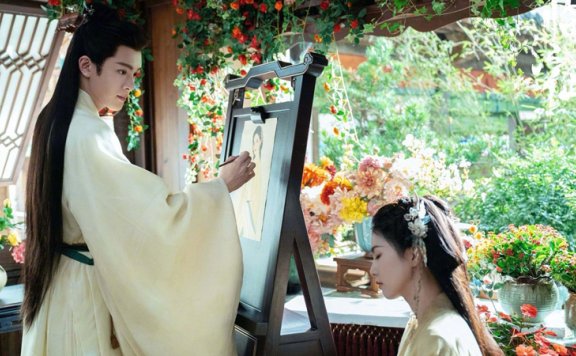
That big fantasy drama Feud just wrapped up, hitting major streaming numbers, but man, the reactions were all over the place. The head honcho at the studio, Yu Zheng, is proudly claiming his first foray into "Xianxia" (Chinese immortal hero fantasy) captured "authentic Chinese mythological essence." Meanwhile, folks outside this bubble are scratching their heads: "What was that? Xianxia? Seriously, who even watches this stuff anymore?" Here's the weird spot Xianxia dramas are in: they do pull big numbers sometimes, no question. But their audience feels super niche. Outside that dedicated fanbase? Barely a blip on the radar. Forget about breaking into the mainstream like other hits do. Creatively? They're stuck in a serious rut. Critics have been hammering this for ages: Predictable world-building checkboxes. Costumes and sets that look copy-pasted. The endless re-runs of the "three lifetimes, sweet-then-bitter romance" template. Way too much "love story," not nearly enough actual "heroics" (the 'Xia' in Xianxia). But maybe the real reason Xianxia feels out of step is simpler: it's not matching the current mood. Think about it. Xianxia's core stories haven't really changed in 20 years. It's always about cultivating immortality and saving the world. The Legend of Sword and Fairy… -
7 Essential Allen Ren Series That Define a Genre
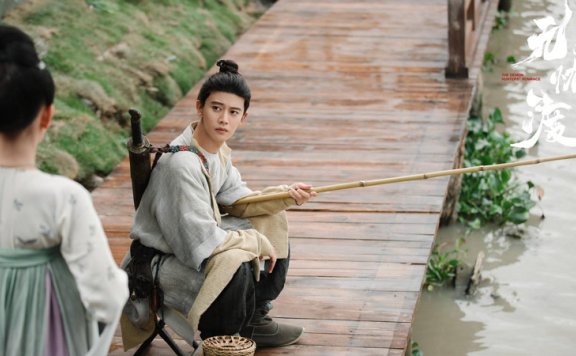
For over a decade, Allen Ren Jialun (任嘉伦) has reigned as Chinese television's undisputed "Costume Drama King"—a master of emotional depth who transforms mythical worlds into visceral human experiences. From tortured immortals to morally complex half-demons, his performances fuse breathtaking aesthetics with soul-wrenching storytelling. Here's your definitive guide to his seven most iconic roles. Under the Power 锦衣之下 Aired: December 2019 Period Background: Ming Dynasty Genres: Historical Suspense, Romance, Detective. Main Roles: Ren Jialun (Lu Yi), Seven Tan (Yuan Jinxia) Adapted From: Blue Lion's novel Set in the Ming Dynasty's Jiajing era, the series centers on Lu Yi, a feared Jinyiwei commander whose icy efficiency masks a tormented past, and Yuan Jinxia, a street-smart detective from the Six Gates investigative bureau. Initially adversarial—Lu Yi views Jinxia's optimism as naïveté, while she resents his ruthless methods—their dynamic shifts when ordered to collaborate on a high-stakes corruption case involving royal intrigue and salt smuggling. As they uncover layers of conspiracy, their friction evolves into mutual respect, then forbidden love, complicated by Jinxia's discovery that Lu's father orchestrated her family's massacre years prior. The plot masterfully balances political tension with emotional stakes, culminating in their alliance against a common enemy: a royal faction… -
6 Period Dramas Charting Liu Yuning's Acting Journey
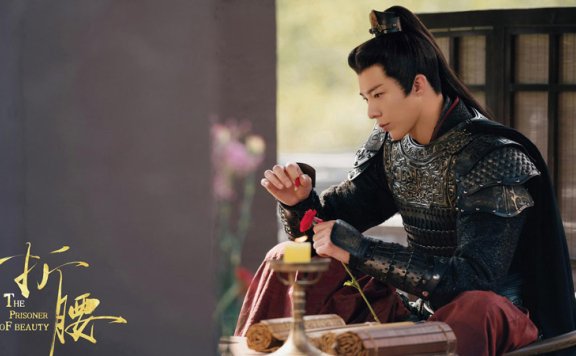
Once known primarily as a singer, Liu Yuning (刘宇宁) has rapidly ascended as a powerhouse in Chinese historical and fantasy dramas. With his commanding presence (cm height), deep vocal delivery, and nuanced portrayals of complex anti-heroes, he's redefined the archetype of the "ruthless yet redeemable" male lead. Here are five essential series showcasing his evolution—and why they dominate streaming charts. The Prisoner of Beauty 折腰 Aired: May , 25 Period: Warring States-inspired fictional dynasty Genres: Historical romance, political intrigue, family saga Main Roles: Liu Yuning (Wei Shao), Song Zuer (Qiao Man) Adapted From: Novel by Penglai Ke Set in a war-torn realm mirroring China's Warring States period, warlord Wei Shao is consumed by vengeance after his family's massacre by the rival Qiao clan. To cement a fragile truce, he forces a political marriage with Qiao Man, the daughter of his enemies. Their union begins as a cage of mutual suspicion: Wei Shao views Qiao Man as a pawn to humiliate her family, while she navigates his court as both hostage and diplomat. Yet Qiao Man transcends her role through strategic brilliance—exposing grain-hoarding conspiracies, redirecting Wei Shao's rage toward shared foes, and brokering alliances using ancestral rituals. As external threats mount… -

China's Visa-Free Shopping Revolution Sparks Global Spending Surge
China's bold visa relaxation and innovative tax refund reforms are igniting an unprecedented wave of international tourism and cross-border shopping. Cities like Beijing, Shanghai, and Chengdu have become magnets for global travelers seeking unique experiences and value, transforming China from the "world's factory" into a burgeoning "global consumption hub". Turkish tourist Feridun Koc exemplifies this trend, marveling at Li Ning's (李宁) innovative footwear in Shanghai while his wife Hande stocks up on traditional Chinese remedies, all facilitated by instant tax refund counters that make purchases feel like direct discounts. This synergy of open-door policies and shopping convenience is reshaping perceptions and fueling an economic renaissance, with cultural ambassadors like Italian blogger Ale and influencers such as "Agent00" bridging global audiences through authentic digital storytelling. Policy Innovation: Fueling the Shopping Frenzy The cornerstone of this boom is the groundbreaking "instant refund at purchase" service, now operational nationwide. International shoppers receive their 11% Value-Added Tax (VAT) rebate immediately at partner stores upon presenting their passport and invoice, eliminating the traditional airport queue. This instant gratification, as noted by Huang Huang (黄璜) from the China Tourism Academy, creates a powerful "spending-reimbursement-spending" loop, encouraging tourists to reinvest their refunds in further purchases during their… -
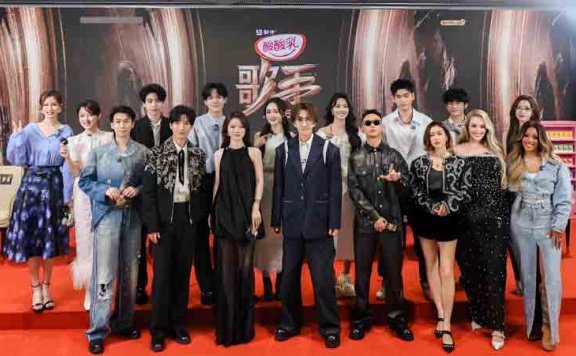
Why China's Youth Are Rewriting Music Rules Through Chaos
The summer of 2025 witnessed Chinese pop music morphing into a spectacle of glorious absurdity. At Nana’s concert, chants of "Refund!" dissolved into raucous singalongs for her viral hit Love Like Fire (爱如火), turning dissent into collective catharsis. On stage at Singer 2025, newcomer Zhelai Nu transformed a martial arts anthem into a drunken dice chant, shouting regional slang like "Five Chiefs Head, Six Six Six!" leaving judges stunned. Meanwhile, Shan Yichun’s (单依纯) Li Bai remix, dripping with sarcastic sighs of "So what? Whatcha gonna do?", became a TikTok tsunami, hijacking even Olympian Quan Hongchan’s social media. These bizarre, rule-breaking performances, dubbed "mad" or "abstract," became the season’s defining cultural moments. But why does this chaotic energy resonate so deeply with a generation? Stage Gone Wild The "abstract" takeover manifests in wildly unpredictable live interactions. Artists like Nana (formerly "Russian Nana," a persona crafted by Wuhan farmer-turned-internet-sensation Na Yina) thrive on shattering concert conventions. Her shows feature open acknowledgement of lip-syncing - once playing a child’s vocal track instead of singing - met not with outrage but uproarious audience delight. Fans gleefully call her "Mom," joking she’s "the Soviet Union’s last gift," blurring lines between artist and absurdist icon. Her… -
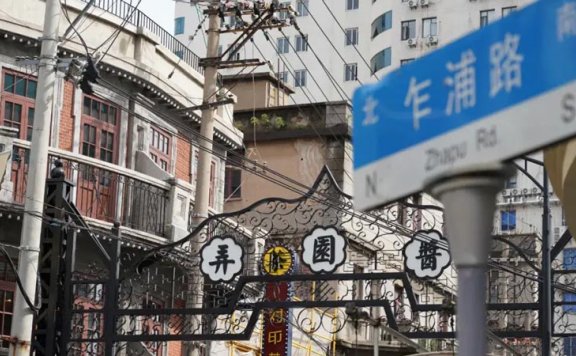
Where Crime Drama Meets Living History on Zhaopu Road
When Zhang Ziyi (章子怡) stepped onto the Shanghai International Film Festival red carpet, she didn’t just promote her latest film She's Got No Name (酱园弄); she invited the world into its hauntingly authentic backdrop: Zhaopu Road. This historic street in Hongkou District, meticulously restored to mirror 1940s Shanghai, has transcended its role as a film set to become a cultural time capsule. As Zhang’s on-screen journey through Shanghai’s complex female narratives unfolds, Zhaopu Road emerges as a tangible bridge between cinematic artistry and urban heritage - a place where flickering neon signs and cobblestone alleys whisper tales of resilience and reinvention. Film Set Reborn Zhaopu Road’s metamorphosis began in earnest last September, when its "replica-reality" renovation debuted. Designers adhered to a "repair the old as old" philosophy, resurrecting every faded brick and vintage storefront to match archival photographs of Republican-era Shanghai. At its heart stands the restored Victory Cinema, an Art Deco landmark whose geometric facade anchors the streetscape. Around it, retro shop signs - "Ruyi Silk Emporium," "Double Happiness Teahouse" - hang beneath wrought-iron street lamps, casting shadows that dance like celluloid frames across weathered walls. The street’s authenticity isn’t merely cosmetic. Artisans sourced reclaimed wood for store counters… -
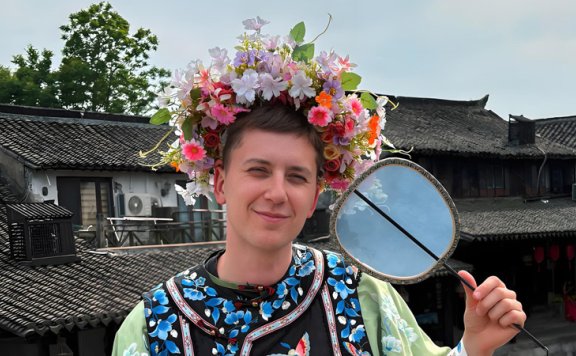
When Global Travelers Become China's New Dynasty Stars
As international tourism rebounds across China, an unexpected cultural phenomenon has emerged: foreign visitors donning elaborate historical costumes to pose against imperial backdrops. French traveler Titi became an overnight sensation after sharing photos of himself dressed as a Qing Dynasty "gege" (imperial prince) in Xitang Water Town, his green silk robe and floral headdress contrasting strikingly with ancient stone bridges. "People kept telling me I looked beautiful," Titi remarked, describing how the costume transformed his travel experience. His social media post attracted floods of comments like "You look like a real prince!" and "That floral crown is perfection!" This trend reflects a deeper cultural engagement, with China welcoming 736,740 foreign tourists in Q1 2025 alone—a 39.2% year-on-year surge. Ancient palaces and gardens now serve as open-air studios where travelers from Malaysia to South Africa reinvent themselves as Ming scholars, Tang empresses, or Qing nobility. For many, these photoshoots represent more than souvenirs; they're immersive journeys into China’s living history. As Titi explained while quoting classical poetry in a later post: "Dressing in period clothing makes historical sites feel alive. When Chinese tourists ask for photos with me, it becomes a shared celebration." Selfies That Transcend Cultures What began as curiosity… -
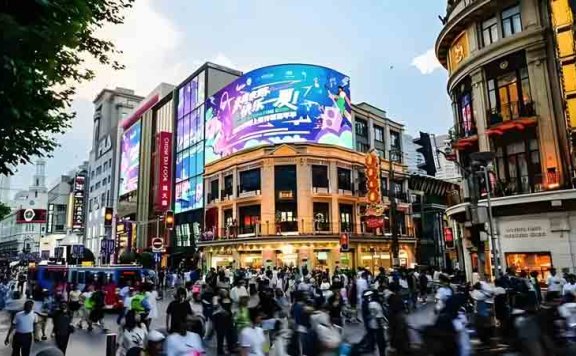
Unlocking Joy on Nanjing Road with 3 Magical Keys
As twilight paints Shanghai's skyline in hues of gold and violet, Nanjing Road transforms into a pulsating artery of summer euphoria. The "Shanghai Summer" campaign ignites China’s premier commercial street with an electrifying fusion of culture, commerce, and cosmopolitan energy. From late June through August, this iconic boulevard unveils a meticulously crafted symphony of experiences designed for global travelers and local revelers alike. Centered on three transformative keywords—Summer Show, Summer Fun, and Summer Sales—the initiative redefines urban summer leisure through immersive IP exhibitions, boundary-pushing entertainment, and pioneering retail innovations. This isn’t merely a festival; it’s Shanghai extending a glittering invitation to experience the heartbeat of modern China. Summer Show Step into a realm where beloved characters leap from screens and history books collide with futuristic visions. Nanjing Road morphs into a dynamic stage for storytelling and spectacle. Beloved animated icons likePleasant Goatand the irresistibly chillCapybaralead vibrant parades, weaving through the crowds for 2 days of interactive delight. Over at New World City, the Ultraman 60th Anniversary Exhibition transcends nostalgia. Rare artifacts spanning six decades share space with an immersive "Light Domain Theater," while the 2025 hero "Ultraman Omegar" makes his dramatic world debut on a custom-built stage. Century Plaza amplifies… -
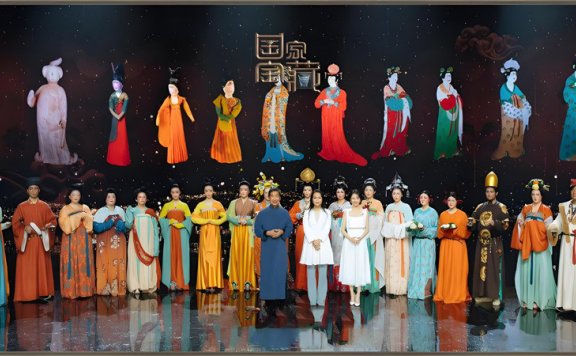
Silk Road Renaissance: Hanfu Fever Sweeps Global Social Media
The rustle of embroidered silk now echoes from Shanghai's Tianzifang to Xi'an's ancient walls as international travelers embrace hanfu with infectious delight. What began as cultural curiosity has blossomed into a full-blown transnational phenomenon, with foreign influencers and tourists donning Ming dynasty robes and Tang-style ruqun to create viral content that transcends language barriers. This sartorial bridge between eras and continents reveals how traditional Chinese garments are becoming 21st-century cultural connectors. Destination Dressing Historic sites transform into immersive stages where hanfu unlocks deeper travel experiences. In Suzhou's Humble Administrator's Garden, Slavic creator Ana Petrovna floats across zigzag bridges in blush-pink chiffon, her movements harmonizing with centuries-old pavilions. The visual poetry of her ensemble against classical architecture drew thousands of Instagram saves. Urban studios cater to global clients with specialized services. Shanghai's Hanyi Huashang studio stocks plus-size options and offers bilingual styling consultations. "We adjust makeup for deeper eye sockets," explains owner Li Mei, noting 40% of June bookings came from overseas visitors. Iconic landmarks inspire theatrical transformations . At Xi'an's Drum Tower, British photographer Tom Higgins commissioned a dragon-embroidered emperor's robe. "The weight of the gold-threaded cloak made me stand differently—more regal," he laughs. His "Three Imperial Poses" reel trended on TikTok… -

Dong Jie’s Second Act Beyond the Silver Screen
The spotlight shifts from film sets to clothing racks as 45-year-old actress Dong Jie (董洁), once the nation’s beloved "Cold Girl" fromThe Golden Era, embarks on an unexpected entrepreneurial journey. Recent candid photos reveal her meticulously arranging garments in a soon-to-open boutique in Hebei—a quiet yet powerful declaration of her new identity beyond acting. This unscripted career pivot, stripped of celebrity pretense, showcases resilience forged through personal and professional storms. From Camera to Clothing Rack Dong Jie’s transition from acclaimed actress to fashion entrepreneur defies the typical celebrity endorsement path. Photos captured by customers reveal her scrutinizing fabric textures and adjusting displays with artisan-like precision. Dressed in minimalist white cotton and denim, her effortless grace mirrors the aesthetic philosophy of her brand: understated luxury anchored in craftsmanship over ostentation. Her career’s trajectory reads like a screenplay itself—meteoric fame via iconic roles, followed by a devastating fall from grace during a tumultuous divorce and scandal. The ensuing years saw her retreat from public life, with brief attempts at resurgence, like 2023’s Sisters Who Make Waves, yielding muted applause. Acting’s instability ultimately steered her toward fashion, where control replaces casting calls. The seeds of this reinvention were sown during 2022 lockdowns, when… -
A Summer Drama of Heritage Blooms in Suzhou
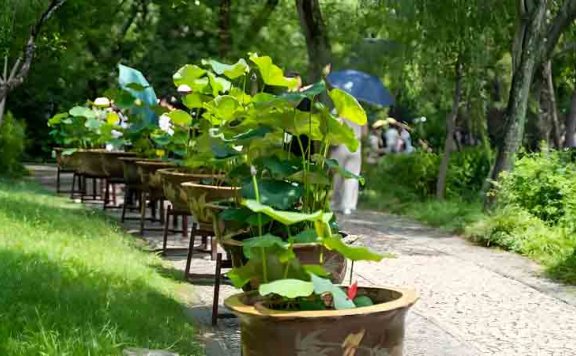
Suzhou’s classical gardens, timeless havens of tranquility, transform each summer into vibrant stages celebrating nature’s artistry. This year, the Humble Administrator’s Garden, a UNESCO World Heritage site, unveils a particularly spectacular dual performance. By day, its pavilions and waterways become the canvas for the grandest exhibition of potted lotus in its history, a breathtaking "Summer Lotus Scroll" showcasing the floral heritage of China. By night, the ancient stones and waters shimmer under an innovative lightscape, offering a mesmerizing journey where tradition meets cutting-edge artistry. Together, these events weave a captivating narrative of preservation, innovation, and living culture, inviting visitors to experience the garden’s soul in two distinct, unforgettable acts. Nature's Living Masterpiece The "Rhyme of Jiangnan: Humble Administrator’s Gathering" National Potted Lotus Exhibition marks a historic convergence. For the first time, over 200 prized lotus and water lily varieties from 31 horticultural institutions across 21 cities in 16 provinces grace the garden’s classical landscape. From delicate bowl-sized micro-lotus to imposing shoulder-height specimens, the sheer scale and diversity are unprecedented. This living collection paints a vibrant panorama of China’s horticultural prowess, allowing visitors to "tour the Nine Provinces" through their captivating blooms within a single, iconic garden setting. Beyond familiar hues,… -
A Dream of Red Mansions Inspires a New Era
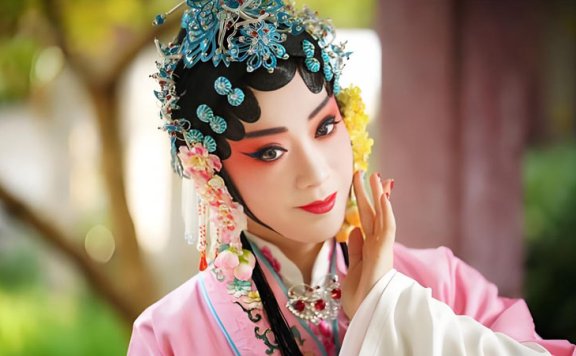
Beneath the stage lights of a Kunqu opera performance, Du Liniang (杜丽娘) glides forward, the iridescent blues and greens of her diancui (kingfisher feather art) headdress shimmering with every step. In the audience, 90s-generation jewelry designer Wang Shenglin (王圣临) watches his creation come alive, a testament to centuries-old craftsmanship captivating a modern crowd. This scene encapsulates a vibrant cultural renaissance: young artisans are breathing new life into China’s imperial jewelry traditions, transforming intricate techniques like diancui (点翠), filigree, and enamel work from museum relics into coveted “New Chinese Chic” accessories. From social media sensations to sold-out night classes, these artisans aren’t just preserving history—they’re rewriting it for a generation proud of its heritage. Artisans Rekindle the Flame Social media platforms buzz with admiration for Wang Shenglin’s creations. His designs—a diancui coronet adorned with “mountain-sea” motifs, silver-gilded filigree peony hairpins, or butterfly earrings inspired by Palace Museum treasures—garner thousands of “stunning!” and “so ethereal!” comments. Followers eagerly inquire about purchasing these wearable pieces of history, blurring the line between cultural appreciation and contemporary fashion. The passion extends beyond online admiration. Young creators immerse themselves in meticulous apprenticeships. Lü Jikai (吕纪凯), another 90s talent, spent a year painstakingly recreating a Qing Dynasty… -
Caoxian: A Small Town Weaving a Billion Yuan Hanfu Industry
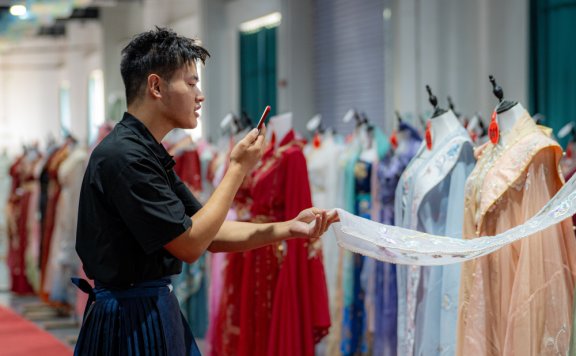
Caoxian is located in the southwestern part of Shandong Province, at the junction of Shandong and Henan provinces. It has a registered population of about 1.69 million and is a major county for human resources in Shandong. Four years ago, a local internet celebrity humorously rapped in a short video, using the catchphrase '666' to turn this small town into the so - called 'center of the universe' comparable to Beijing, Shanghai, and Guangzhou. In the past two years, with the popularity of 'horse - face skirts' and 'New Year greeting costumes' across the country, Caoxian has been closely linked with the Hanfu industry, achieving long - lasting popularity and attracting much attention. It has successfully transformed from an 'internet meme' to an 'industry success story'. Horse Face Fkirt Now, in this largest Hanfu production base in the country, there are more than 2,750 Hanfu enterprises, about 15,000 online stores, and nearly 100,000 people engaged in the Hanfu industry. On June 18th, Yao Chixing, the person - in - charge of the Youai Cloud Warehouse Hanfu Base in Caoxian, was organizing Hanfu in the exhibition hall. Entering the Youai Cloud Warehouse Hanfu Base in Caoxian, the slogan 'Everyone should have… -

2025 Huairou National Trend Culture Season Kicks Off
The series of activities of the 2025 Beijing Great Wall Culture Festival in Huairou District - the "2025 Huairou National Trend Culture Season" will set off a national trend fashion in Huairou District, Beijing from July to October. Chinese and foreign Hanfu enthusiasts experienced immersive Hanfu travel photography in Qinglong Gorge, Huairou, Beijing, preheating the "2025 Huairou National Trend Culture Season" which will kick off in July. Hanfu Tourism Photography Theme Experience As the first pre - heating event, the immersive Hanfu travel photography theme experience was recently held in Qinglong Gorge. Twenty Chinese and foreign Hanfu enthusiasts gathered in Huairou, becoming the first batch of "Hanfu experience officers" to feel the charm of the integration of the national trend and nature, and let the world see the new expression of Chinese aesthetics where tradition and modernity are intertwined. "This is a blue - and - white porcelain bowl with a painting of ladies from the Ming Dynasty. We dressed up and took photos imitating the scene here, which made me feel the fun of the ancients painting their lives on porcelain." The influencer "Xiaoxi", who participated in the event, has had a strong interest in traditional culture since childhood.… -

Tom & Jerry:Forbidden Compass - A Timeless Chase
Prepare for a collision of nostalgia and groundbreaking adventure! The iconic duo that defined childhood mischief for generations, Tom and Jerry, are catapulting onto the big screen like never before in Tom & Jerry:Forbidden Compass. Officially set for release across China on August 9th, this highly anticipated animated feature promises to transport audiences alongside the legendary cat-and-mouse pair into a breathtaking, perilous, and utterly hilarious ancient world. Far more than a simple extension of their classic chases, this film represents a bold reimagining, blending the beloved slapstick humor with high-stakes fantasy and stunning new landscapes. This event marks the beginning of an extraordinary journey beyond the familiar living room battleground, thrusting Tom and Jerry into an epic struggle where their trademark rivalry must evolve into an unlikely alliance for survival. This isn't just another cartoon; it's a meticulously crafted cinematic event poised to reignite fond memories while delivering a fresh, visually spectacular experience for the entire family, solidifying its status as a must-see summer blockbuster. Unleashing Cosmic Chaos The familiar rhythm of pursuit and evasion takes an unforeseen cosmic detour in Forbidden Compass. The film opens with Jerry's audacious raid on the bustling Metropolitan Exhibition Hall, naturally drawing the ever-diligent…
