Article
Search results:
-
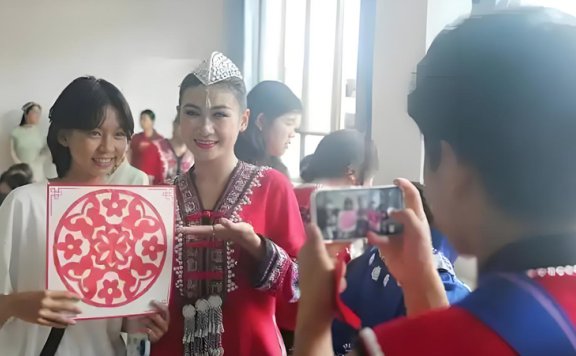
Pu'er and Laotian Youth Exchange Through Tea and Coffee Culture
The recent conclusion of the second "Study in Pu'er" program marked another successful chapter in cultural diplomacy between China and Laos. Over six immersive days, 44 young ethnic Chinese students and teachers from Laos explored Pu'er's unique identity where ancient tea traditions meet vibrant coffee culture. Hosted in Yunnan's southwestern city bordering Laos, Vietnam, and Myanmar, the initiative builds on last year's inaugural program. Participants engaged deeply with Chinese heritage while discovering shared roots along the historic Tea Horse Road. Their experiences—from hands-on tea processing to collaborative art projects—forged personal connections that transcend borders. As one student noted, the taste of Pu'er tea lingered far longer than the beverage itself, symbolizing the program's enduring impact on cross-cultural understanding and friendship. Cultural Immersion Experiences Pu'er's dual identity as a global tea source and China's coffee capital provided rich learning grounds. Students explored specialized workshops where they witnessed traditional Pu'er tea production techniques. Song Fanghu (宋方浒), whose family works in Laos' tea sector, discovered distinct processing methods enhancing the tea's fragrance and aftertaste. "The depth of flavor here is remarkable," he observed, planning to share these techniques back home. Parallel coffee workshops revealed surprising versatility. Song Yuping (宋雨平) marveled at cascara—coffee cherry… -
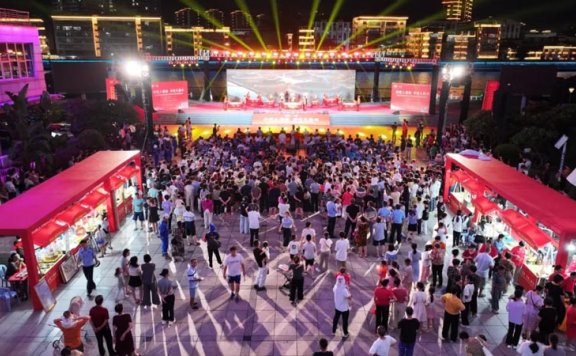
Nanjing Intangible Cultural Carnival, Peace and Dragon Art
Summer in Fujian's misty mountains ignites with living traditions. Nanjing County, guardian of UNESCO-listed earthen Tulou fortresses, recently launched its inaugural Intangible Cultural Heritage Carnival alongside a vibrant summer tourism season. This fusion of ancient craftsmanship and contemporary celebration transforms historical sites into dynamic cultural hubs, where drumbeats resonate through centuries-old walls and artisanship breaks world records. The carnival isn't merely a festival; it's a testament to a community breathing new life into ancestral wisdom while forging global connections. Igniting the Cultural Flame The carnival commenced on July 4th at Nanjing Cultural Center, illuminated by projections showcasing the region’s emerald landscapes and intricate Tulou architecture. Provincial leaders, heritage scholars like Dr. Han Jie from Xiamen University, and guardians of fading crafts gathered as thunderous drum performances in Tulou Gu Yun: Welcoming Guests (土楼鼓韵▪迎客来) shook the auditorium. The rhythmic pulse embodied both reverence for the past and excitement for new beginnings. A highlight emerged with the unveiling of The Art of Tulou Construction (土楼营造技艺), a seminal book preserving vernacular building techniques nearly lost to time. Its release, alongside a documentary chronicling 100 Tulou structures, marked a milestone in scholarly preservation. When officials activated the carnival by pushing ceremonial rods, they symbolically… -

Li Yunrui's Soaring Stardom: 3 Major Endorsements Announced in 4 Days
In a defining moment on July 4th's episode of China's blockbuster variety show Keep Running, Li Yunrui didn't just leap across a 7-meter gap – he vaulted into a new stratosphere of fame. Perched on a swing high above a swimming pool, the actor-athlete released his grip at the perfect apex, landing flawlessly on the distant mat. The feat, captured in countless viral clips and met with stunned reactions from co-stars like Zheng Kai and Fan Chengcheng, sent social media into overdrive, amassing over 400 million engagements overnight. This gravity-defying jump wasn't merely a stunt; it crystallized a trajectory years in the making, showcasing the potent blend of physical prowess, disciplined preparation, and magnetic screen presence that defines his burgeoning career. As audiences marveled at his "legendary core strength," Li was simultaneously orchestrating another kind of leap: a commanding sweep across the commercial landscape and a deepening commitment to his craft, all while building fervent anticipation for his upcoming historical drama, Feast Encounter in Yong'an (宴遇永安). The Athletic Engine Li Yunrui's 7-meter swing jump wasn't an isolated flash of brilliance; it was the latest eruption of a long-simmering athletic volcano. Viewers familiar with his past instantly recalled his dominance at… -
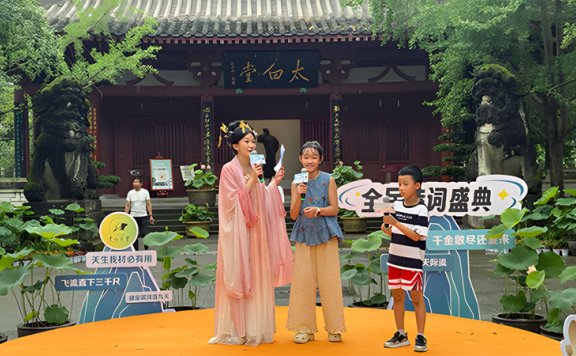
Li Bai's Poetry Showdown Unites Ancient Verse and Modern China
The air in Jiangyou, Sichuan, vibrates with recited verses as a nine-year-old’s clear voice delivers Li Bai’s "Quiet Night Thoughts." This simple recitation, radiating pure emotion, captures the essence of the "Li Bai Calls You for a Poetry Showdown" festival unfolding in the great poet’s birthplace. Orchestrated by the China Media Group under guidance from the Chinese Poetry Association and Jiangyou’s Municipal Party Committee Propaganda Department, this grand celebration transcends mere competition. It’s a nationwide awakening to classical poetry’s enduring power, inviting everyone—from seasoned scholars to curious children—to rediscover the beauty of Tang Dynasty verse within Jiangyou’s deeply poetic landscape. The festival weaves together fierce poetic challenges, creative expression, and immersive cultural tourism, proving Li Bai’s spirit is very much alive in modern China. Where Poetry Lives Jiangyou’s Li Bai Memorial, the festival’s vibrant heart, buzzes from dawn. Long queues form early, gathering silver-haired couples, eager children, delivery riders in uniform, sanitation workers, and Hanfu-clad youth. They debate Li Bai’s meter and imagery, their shared passion transforming the space into a living library of verse, the very air thick with literary anticipation. Inside, the energy crescendos. Participants dive into intense "Flower Passing Challenges", battling wits using keywords like "moon" or… -
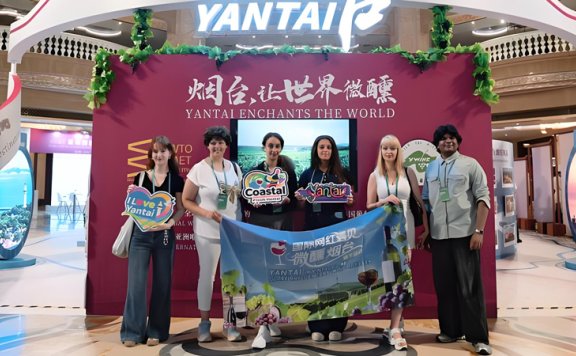
International Internet Celebrities Meet Slightly Tipsy Yantai
International voices echo through Yantai's sun-drenched valleys, drawn by the allure of its burgeoning wine culture. From July 2nd to 4th, a diverse cohort of global social media influencers and cultural enthusiasts descended upon Shandong's coastal gem, invited by China Daily, the Yantai Municipal Publicity Department, and the Commerce Bureau. Their mission: to experience firsthand the unique character of this "International Grape and Wine City." Representing nations like the United States, France, Russia, Italy, and Sri Lanka, these digital storytellers embarked on a journey beyond mere tasting, seeking the essence of Yantai's terroir and its people's passion. This immersive exploration promises to ripple across global platforms, showcasing a region rapidly carving its niche on the world wine map. Yantai's credentials are formidable: a foundational pillar of China's wine industry, its international stature was cemented in 2022 with its pioneering "Partnership" status in the Global Wine Tourism Organization (GWTO), followed by the prestigious "Global Wine Tourism Destination" award in 2023. Vines, Views, and Vinous Character The heart of the discovery lay in the rolling landscapes of Penglai's Qiushan Valley. At Longting Vineyard, the morning mist mingled with focused breaths as guests followed instructors in the graceful movements of Ba Duan Jin,… -

Huangshui National Resort Invites You to 21℃ Summer
Nestled high in Chongqing's mist-shrouded peaks, Huangshui National Tourist Resort emerges as an antidote to scorching summers. At 1500 meters above sea level, this alpine refuge maintains a perpetual 70°F (21°C) embrace, earning its "Natural Air-Conditioned City" moniker. Beyond temperature relief, it unfolds a tapestry of crystalline lakes, primeval forests, and vibrant Tujia traditions, transforming escape into profound discovery within its UNESCO-designated latitude. Nature's Masterpieces Moon Lake mirrors the heavens like liquid jade, its 57-acre surface reflecting dense pine forests. Morning transforms the reservoir into an ethereal landscape where kayakers glide through mist veils. As dusk paints the water gold, photographers capture shimmering light patterns unique to these highlands. Each paddle stroke reveals new perspectives on this human-made marvel. Sun Lake's vast 667 acres claim the title of Southwest China's highest freshwater body. Its transparent waters meet stringent Class I quality standards, revealing submerged rock formations. Visitors skim across the surface on motorboats or pedal water cycles along reed-fringed shores. The surrounding trails invite cyclists to explore microclimates where mountain breezes carry wildflower scents. The Emerald Forest (Bizika Green Palace) envelops travelers in 2,165 acres of old-growth woodland. Giant firs form natural cathedrals where sunlight filters through canopy layers. This… -
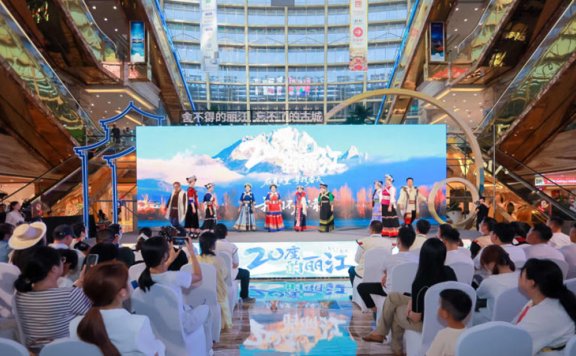
Escape the Sizzle: Discovering Lijiang’s 20°C Summer Sanctuary
As Chengdu's streets pulse with the fervor of the World Games and summer heat shimmers above spicy hotpot cauldrons, a playful "apology" echoes from the northwest. "Sorry, we only have 20 degrees!" declares Lijiang, China's ancient mountain jewel, extending an irresistible invitation to Sichuan's sweltering residents. This witty marketing campaign, blending humor with genuine hospitality, unveils a meticulously curated summer escape. Beyond the clever posters lies a tangible promise: mist-shrouded peaks, cobblestone lanes echoing with Naxi melodies, and a meticulously crafted "tourism gift box" designed exclusively for Sichuan travelers seeking refuge in nature's perfect climate. The Art of the "Cool" Apology Lijiang’s campaign masterstroke was framing its climatic advantage as a humorous mea culpa. Nine-panel posters playfully "regretted" the city’s inability to match Chengdu’s scorching temperatures or the thunderous energy of the World Games. Instead, they boasted of cool mountain breezes and ancient rhythms – a juxtaposition that sparked laughter and immediate connection. This viral "apology" transcended mere promotion. It acknowledged Chengdu’s vibrant summer energy while positioning Lijiang as its refreshing counterpart. Xu Lei, member of the Lijiang Gucheng District Party Committee, emphasized the deep kinship between Sichuan and Yunnan, framing the campaign as an act of familial hospitality rather… -
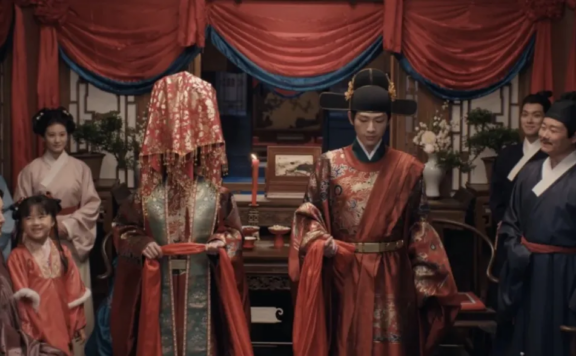
Why Did the Ancients Prefer to Hold Weddings at Night?
Nowadays, many people hold their weddings at noon, and some even insist on finishing before 12:00. However, in ancient times, weddings were usually held at night, and this is often shown in well - made ancient costume dramas. Is there any special significance that we don't know? When faced with such questions, many people around us may be informed that weddings were formerly called "hun li" (昏礼). Since ancient people often held weddings at dusk, it was named so. But this seems to just replace one conclusion with another, without explaining why weddings were held at dusk or close to night. Let me state the conclusion first. There are two main reasons for holding weddings at night: one is related to the theory of yin and yang and the five elements; the other is the evolution of the custom of bride - abduction. Now let's elaborate. The Theory of Yin and Yang and the Five Elements Since men belong to yang and women belong to yin, the intersection of yin and yang is "hun" (昏). According to "The Book of Rites", "A man takes a wife at dusk. Since a woman belongs to yin, it is called 'hun' (marriage)." Here,… -
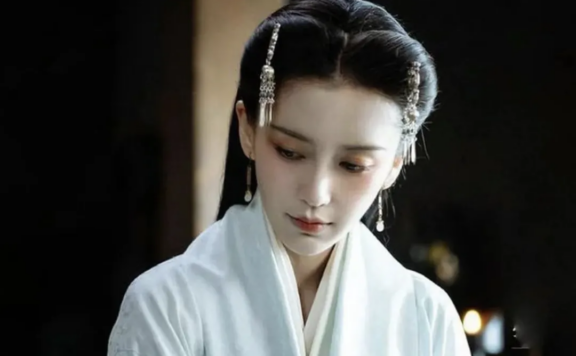
Why Do Han Dynasty Cdramas Feature Small Lips?
In ancient Chinese dramas inspired by the Han Dynasty style, it's common to see that women regarded small lips as beautiful. Even in the styling of Song Zuer in the drama Zhe Yao, netizens exclaimed that Song's small lips are indeed suitable for Han - Dynasty women. Is it really the case? First, the conclusion: Han - Dynasty women generally considered small lips beautiful. Even if they didn't have small lips originally, they would paint them to look small. The makeup technique was to first apply white powder to cover the original lip color, and then use lip rouge to draw a round lip shape. The larger ones were like cherries, the smaller ones were like beads, or just one - circle smaller than the original lip shape. So this way of painting small lips is also called "dotting the lips". However, it's not absolute, and there was also the full - lip makeup method. This lip shape was generally small, creating a sense of hierarchy in the lip makeup, making the otherwise simple makeup more memorable and also reflecting the gentle personality of Han - Dynasty women. The strong covering ability of the white powder allowed the lip shape… -
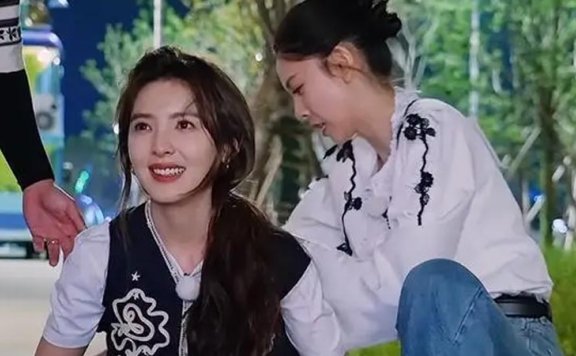
Zhang Ruonan's Competitive Revives the Show in Keep Running
The latest episode of Keep Running (奔跑吧) has ignited fervent discussions, particularly spotlighting the contrasting performances of established member Bailu (白鹿) and guest star Zhang Ruonan. While Bailu faced criticism for her subdued role, Zhang Ruonan (章若楠) emerged as a revelation, captivating audiences with her fearless gameplay and strategic brilliance. Her dynamic presence not only elevated the episode but also sparked conversations about the show’s need for proactive female members who embrace competition. As the series grapples with casting stability and viewer fatigue, Zhang’s standout moment offers a blueprint for revitalizing the iconic name-tag battles that once defined the show’s golden era. The Unstoppable Strategist Zhang Ruonan redefined competitive spirit in Keep Running. From the opening challenge, she discarded hesitation, immediately volunteering for the daunting jump ride with Fan Chengcheng. This boldness set the tone for her gameplay, signaling a departure from passive participation. Her tactical mind shone during alliances, where she partnered with Sha Yi only to later exploit his vulnerability, eliminating him with precision. This wasn’t luck—it was calculated opportunism. Her proactive approach peaked during the name-tag segment. When Sha Yi exposed his back, Zhang seized the chance, executing a swift elimination. This move highlighted her understanding of… -

Wang Churan Voices Audience's Long-Held Sentiments
The landscape of Chinese variety shows has exploded from niche entertainment to a dazzling array of options, catering to every conceivable taste. Among this vibrant ecosystem, Keep Running stands as a titan, a thirteen-season veteran celebrated for its chaotic energy and star-studded lineup. Its current ensemble – Li Chen, Zheng Kai, Sha Yi, Zhou Shen, Bai Lu, Fan Chengcheng, Song Yuqi, and Zhang Zhenyuan – represents a potent mix of veteran charm and youthful exuberance, seemingly guaranteeing entertainment gold. Yet, the show’s latest episode, featuring a glamorous squadron of female guests including Wang Churan, Zhang Liangying, Zhang Meng, Zhang Ruonan, and Song Xuan, sparked unexpected controversy, exposing a tension between audience expectations and perceived celebrity privilege. The culprit? A sanitized mud pit that left viewers, and one guest, profoundly disappointed. A Cast Built to Run Keep Running thrives on the combustible chemistry of its core eight. Li Chen and Zheng Kai, the undisputed elder statesmen, provide continuity and a tangible link to the show’s history, anchoring loyal viewers with their familiar presence. Their experience is the bedrock upon which the chaos unfolds. Sha Yi, the show’s comedic linchpin, delivers laughs with effortless timing and self-deprecating charm. His ability to find… -
The Hairpin Flower Enclosure Captures the Elegance of a Millennium
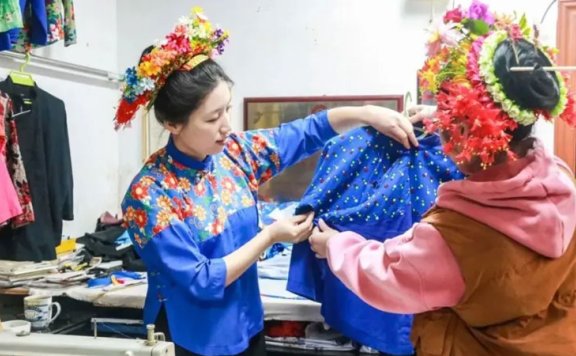
The salty breeze carries the scent of jasmine and the sea through the ancient lanes of Xunpu Village in Quanzhou, Fujian. Here, amidst houses adorned with oyster shells, a vibrant cultural ritual has transformed into a global tourism phenomenon. Visitors from across China and beyond are drawn not just to observe, but to become part of the living heritage, adorning their hair with elaborate crowns of fresh blooms known as Zanhuawei. This once-intimate custom, deeply rooted in the lives of Xunpu women, now offers travelers a unique, immersive passport into centuries of tradition, turning quiet village streets into bustling open-air studios where history is worn proudly, one flower at a time. Petals Through Time Zanhuawei is far more than an aesthetic accessory; it’s the vibrant heart of theXunpu women’s intangible cultural heritage, recognized nationally in 2008. For generations, Xunpu women have meticulously pinned fresh flowers – jasmine, magnolias, chrysanthemums – into their hair as a daily ritual and a symbol of joy, resilience, and connection to the sea. This practice evolved from heartfelt traditions where flowers were exchanged as precious gifts during celebrations and significant life events. The intricate hairstyle, anchored by a distinctive circular bun secured with bone or… -

Singer 2025: A Fading Legacy in the Spotlight of Scrutiny
The once-unassailable titan of Chinese music competition shows, Singer 2025 (歌手2025), finds itself adrift in a sea of indifference. From its premiere to its approaching finale, the season has generated minimal buzz, a stark contrast to its predecessor's viral success. Despite inheriting a revitalized platform from Singer 2024 (歌手2024) and its innovative live format, the current installment fails to captivate, plagued by casting missteps, production woes, and a perceived loss of musical authenticity. As ratings plummet to a dismal 0.68%—overshadowed even by established variety shows like Keep Running Season 13 (奔跑吧第十三季) - and audience frustration mounts, the program faces an existential crisis. The core question lingers: how did a cultural phenomenon stumble so dramatically? Casting Misfires and Lackluster Stages The season's foundation crumbled early with an underwhelming lineup. Announced names like Lin Zhixuan (林志炫), Chen Chusheng (陈楚生), Shan Yichun (单依纯), Bai Jugang (白举纲), GAI Zhouyan, alongside international artists Mickey Guyton, BENI, and Grace Kinstler, failed to generate significant excitement. Lacking the established star power or compelling new talent that defined past glories, the roster paled in comparison to the previous season's headline-grabbing presence of veterans like Na Ying. This inherent weakness forced the producers into a corner, leading to a… -
Short Hair, Zhao Liying's Second Line
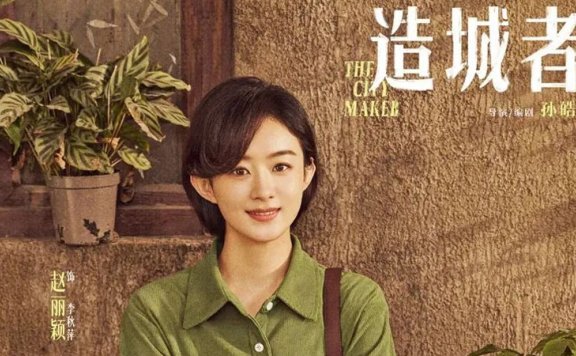
In Zhao Liying's transformative acting journey, hair has evolved beyond mere aesthetics into a powerful narrative device. Her radical shift to ultra-short styles in recent roles—notably as grassroots cadre Li Qiuping (李秋萍) in The City Maker (2025) and feminist writer Xilin (西林) in She's Got No Name (酱园弄)—transcends fashion statements. These deliberate coiffures function as "second dialogue," visually articulating her characters' resilience against societal constraints. This sartorial semiotics marks a career-defining metamorphosis for the actress, where every clipped strand whispers revolutionary subtext about womanhood in changing eras. Steel and Silk in The City Maker Li Qiuping’s cropped silhouette, grazing the ear lobes, channels 1980s China’s pragmatic ethos. Unlike ornamental hairstyles, this utilitarian cut—paired with minimal makeup—mirrors her character’s mission: literally building cities from tidal flats. The sharp angularity of the cut contours her jawline like architectural blueprints, symbolizing socialist construction’s unyielding progress . When Li shoulders construction materials alongside Huang Xiaoming’s (黄晓明) character, wind-swept strands cling to sweat-dampened temples, rendering sweat equity visible. Director Chen’s visual language uses Li’s hair as a barometer of struggle. In boardroom confrontations, neatly combed strands reflect bureaucratic precision; at muddy worksites, disheveled tufts escape hairpins to dance with dust motes. This duality embodies reform-era… -
Quanzhou: The World Marine Trade Center of China
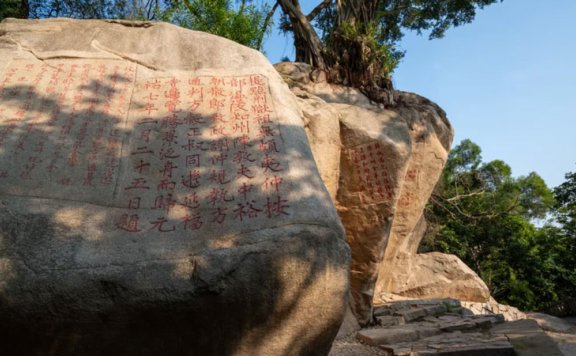
Quanzhou’s 22 UNESCO World Heritage sites aren’t mere ruins; they’re the beating heart of a 13th-century global trade metropolis where cultures converged like monsoon currents. When Marco Polo dubbed this port "Zaiton," he witnessed a city orchestrating maritime commerce from China to East Africa. The legacy lives in the moss-covered bridges where Arab traders once walked, the Taoist shrines where Song dynasty merchants prayed for fair winds, and the Islamic tombs whispering tales of Persian navigators. Each stone here is a page in humanity’s first playbook of globalization. Engineering Marvels That Defied Tides The Bridge Builders’ Legacy At Luoyang Bridge, engineers pioneered "raft foundations" and oyster-reinforced piers—medieval biotechnology enabling a 120-meter span across the roaring Luoyang River. Its "Moonlight Bodhisattva" carving still gazes seaward, guarding secrets of Song-era ingenuity. Nearby, Anping Bridge stretches five li (2.5 km), an engineering Everest using tide-assisted "floating beam" techniques. These arteries pulsed with silk and porcelain, linking hinterland kilns to waiting dhows. Ports That Tamed Oceans Shihu Dock’s trapezoidal stone platforms and Cizao Kiln’s dragon-shaped furnaces reveal an industrial ecosystem. Archaeologists uncovered Ming-era celadon shards beneath wharf stones—proof that docks doubled as bustling markets. At Zhenwu Temple, the 1533 "Devourer of Seas" stele looms… -

How Variety Shows Redefined Stability in 2025
The first half of 2025 witnessed Chinese variety shows achieving unprecedented stability. Platforms like iQIYI, Tencent Video, Youku, and Mango TV maintained non-stop content rollouts, with hit franchises and fresh IPs coexisting seamlessly. This equilibrium—marked by consistent viewership, robust advertising, and creative renewal—forged a new industry paradigm wherecertaintybecame the ultimate currency. Content Evolution Legacy shows revitalized formats to sustain relevance. Become a Farmer S3 (种地吧3) expanded beyond its farmland roots, sending the "Ten Hardworking Days" group nationwide to explore agricultural projects. This shift amplified social impact, driving a live-streamed radish sales event that garnered 1.9 million RMB in one session. Similarly, The Rap of China 2025 (新说唱2025) introduced "After Party" segments and themed challenges, refreshing its nine-year run and dominating charts with 45 daily top rankings on iQIYI. Innovation thrived alongside reinvention. Blossoms Journey (一路繁花), a cross-generational travel show, united stars from different eras, sparking dialogues on aging and society. Its debut trended globally with 2,000+ hot searches, while music competition Sing! Asia (亚洲新声) spotlighted Gen-Z talent across Asia, fusing cultural exchange with fierce rivalry. These newcomers proved fresh IPs could rival established giants, with iQIYI claiming 6 of the top 10 new shows by viewership. The market prioritized "pure… -
From Keep Running to Ha Ha Ha: A Decade of Brotherhood
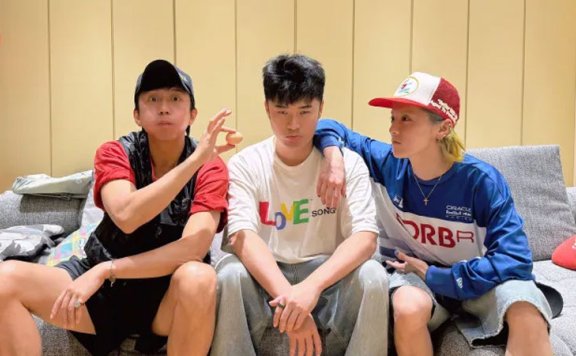
The recent snapshot shared by Deng Chao (邓超) ignited social media—a seemingly simple picture of three men shoulder-to-shoulder, chopsticks poised over a simmering hotpot. Yet this frame held ten years of unwritten history. Deng, Lu Han, and Chen He, once the chaotic core of Keep Running, now mirrored their 2015 personas in 2025 attire: Deng’s receding hairline, Lu’s sharpened cheekbones from touring, Chen’s steadfast belly. Their grins, however, remained untouched by time. "Just being together," Deng captioned, echoing a bond that transformed from scripted banter to unbreakable kinship. This wasn’t reunion; it was continuity. Keep Running Days "Captain Deng," "Silly Deer Lu," and "Chen the Schemer"—their 2015 debut on Keep Running was pure comedic chemistry. They hurled mud, sabotaged challenges, and groaned through missions, crafting TV gold from chaos. Audiences adored their friction-turned-friendship, a dynamic where Lu’s earnestness balanced Deng’s leadership and Chen’s wit. Few predicted these "variety show brothers" would outlast the program itself. Their early bickering masked deepening respect. Lu, the youngest, absorbed Deng’s protective instincts; Chen’s pranks became a language of affection. During a water-balloon fight, Deng shielded Lu from a direct hit while Chen "accidentally" tripped the attacker. These moments built an unspoken pact: rivalry on-screen,… -

Elegance Over Exposure at VOGUEfilm Premiere
The star-studded VOGUEfilm Premiere in Macau became a masterclass in understated glamour, where China’s brightest actresses redefined red-carpet power. Rather than competing in revealing gowns, luminaries like Yang Mi, Qin Hairu, and rising Gen-Z talents showcased how confidence and individuality outshine mere skin. This annual event, dedicated to amplifying female voices in cinema, transformed into a celebration of artistic maturity—proving that true allure lies in authenticity. As the cameras flashed, each woman’s style narrative spoke louder than any plunging neckline, setting a new standard for global fashion diplomacy. Gen-Z Revolution Li Gengxi (李庚希) At just 25, the Golden Rooster winner embraced rebellion. Her head-turning ensemble—a leather jacket paired with a floor-length skirt—boasted zero skin yet radiated fearless artistry. Signature crimson hair and smoky eyes amplified her anti-conformist ethos, a deliberate contrast to the sea of tulle and sequins. Her unapologetic presence echoed her on-screen intensity in the thriller Malice (恶意), where she plays a morally ambiguous prosecutor. As whispers about her "controversial" reputation swirled, Li smirked: "Let the fabric do the fighting." Wen Qi (文琪) The 21-year-old dynamo stole focus with her infectious energy and a daring leopard-print gown. Her razor-sharp wit during interviews outshone even her geometric bob, cementing… -
Did Bai Lu Lose Face When She Was Ambushed?
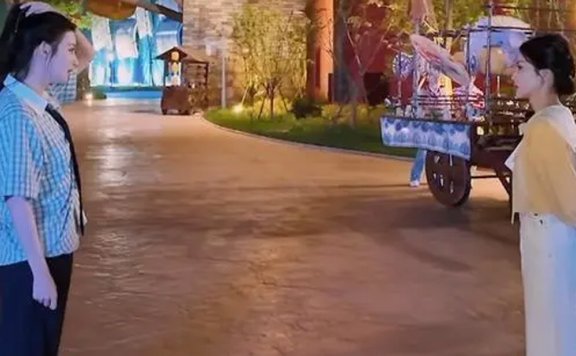
The glittering world of variety shows often masks the high-pressure environment where celebrities balance entertainment with authenticity. Keep Running, China's long-standing hit program, recently ignited fierce online debates when cast member Bai Lu's (白鹿) visible frustration during a high-stakes game segment went viral. This incident transcends mere reality TV drama – it strikes at the heart of professionalism in unscripted entertainment. As viewers dissect every grimace and sigh, questions arise about what we truly expect from stars navigating competitive chaos under the spotlight. The Elimination Backlash During the iconic name-tag elimination round, alliances proved fragile. Veteran comedian Sha Yi (沙溢) shattered an implicit truce by abruptly tearing Bai Lu's name tag – a calculated move shifting the game's momentum. Cameras captured Bai Lu's immediate shift in demeanor: smiles vanished, shoulders slumped, and a palpable cloud of disappointment descended. Her struggle to regain composure became the episode's uncomfortable focal point. Unlike scripted dramas where emotions follow character arcs, variety shows thrive on raw, spontaneous reactions. Yet this authenticity carries inherent risks. For nearly twenty minutes post-elimination, Bai Lu remained visibly withdrawn, attempting to negotiate with Sha Yi off-camera while disengaging from ongoing challenges. Where producers likely anticipated dramatic tension, they instead… -

Classic Two-day Tour Route of Quanzhou Ancient City
Stepping into Quanzhou is like entering a living theater where history and modernity dance in harmony. As a former hub of the world's maritime trade and the eastern starting point of the Maritime Silk Road, this ancient port city in China's Fujian province offers a captivating blend of cultural heritage, vibrant street life, and culinary delights. With its UNESCO World Heritage status, featuring 22 sites that narrate tales from the Song and Yuan dynasties, Quanzhou invites travelers on an immersive two-day adventure. Wander through centuries-old temples, bustling markets, and serene alleys, all while riding the iconic "little white" electric carts that whisk you between landmarks. Whether you're a history buff, a foodie, or a seeker of tranquility, this compact yet rich itinerary promises unforgettable moments—from dawn prayers at Taoist shrines to twilight feasts under lantern-lit skies. Embrace the city's rhythm, where every corner reveals stories of emperors, traders, and artisans, making it a perfect escape for a short getaway that feels timeless and transformative. Historic Landmarks Explored Begin your journey by arriving at Quanzhou Jinjiang International Airport or the high-speed rail station, easily accessible by public buses that drop you in the heart of the ancient city. Check into one…