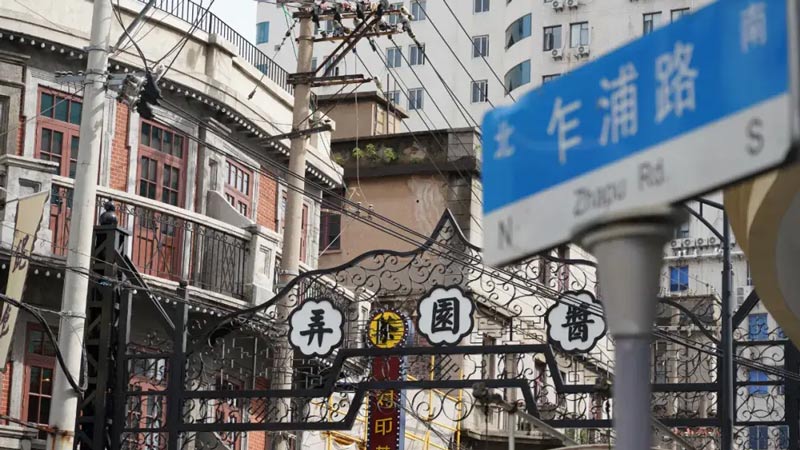
When Zhang Ziyi (章子怡) stepped onto the Shanghai International Film Festival red carpet, she didn’t just promote her latest film She's Got No Name (酱园弄); she invited the world into its hauntingly authentic backdrop: Zhaopu Road. This historic street in Hongkou District, meticulously restored to mirror 1940s Shanghai, has transcended its role as a film set to become a cultural time capsule. As Zhang’s on-screen journey through Shanghai’s complex female narratives unfolds, Zhaopu Road emerges as a tangible bridge between cinematic artistry and urban heritage - a place where flickering neon signs and cobblestone alleys whisper tales of resilience and reinvention.
Film Set Reborn
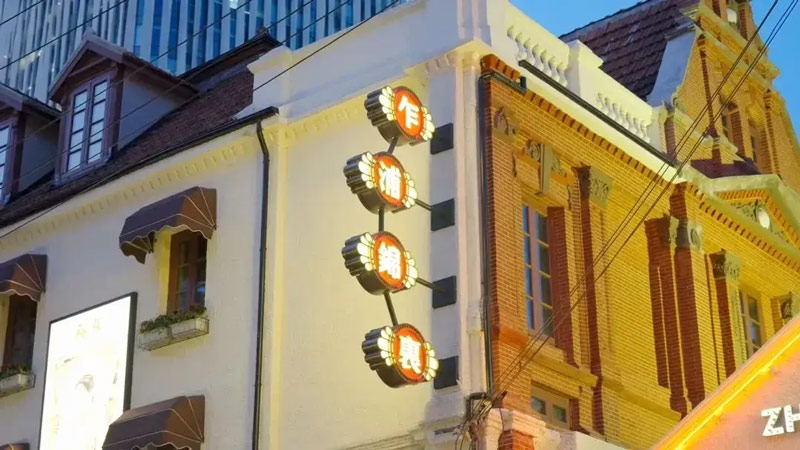
Zhaopu Road’s metamorphosis began in earnest last September, when its "replica-reality" renovation debuted. Designers adhered to a "repair the old as old" philosophy, resurrecting every faded brick and vintage storefront to match archival photographs of Republican-era Shanghai. At its heart stands the restored Victory Cinema, an Art Deco landmark whose geometric facade anchors the streetscape. Around it, retro shop signs - "Ruyi Silk Emporium," "Double Happiness Teahouse" - hang beneath wrought-iron street lamps, casting shadows that dance like celluloid frames across weathered walls.
The street’s authenticity isn’t merely cosmetic. Artisans sourced reclaimed wood for store counters and replicated period-specific typography for signage, ensuring even the smallest details withstand close-up scrutiny. During filming, extras in cheongsams and fedoras navigated pushcarts laden with porcelain urns, blurring the line between performance and preservation. Today, visitors retrace their steps past newly installed "period" businesses: nostalgic eateries like Jiang’s Braised Pork Rice Cakes and heritage boutiques selling mahjong sets and paper fans.
Most striking is the street’s adaptive reuse philosophy. The Victory Cinema now doubles as an indie arthouse theater, screening golden-age Shanghainese films beside contemporary dramas. Its marquee currently features a towering She's Got No Name - a backdrop that draws crowds of fans mimicking Zhang Ziyi’s character poses. This duality—functional modern space cloaked in historical fiction—epitomizes Shanghai’s genius for layering eras.
Immersive Time Travel
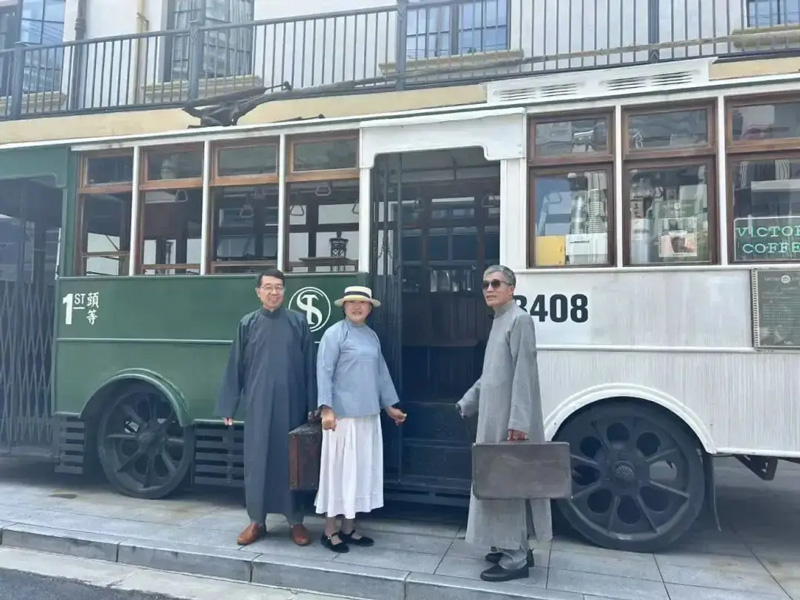
Step into Victory Coffee, and time folds in on itself. Dominating the space is a near-mythical artifact: a 1:1 replica of the 1930s tramcar Zhang Ziyi’s character rides in the film. Craftsmen studied museum blueprints to recreate every detail—from the patina of its moss-green exterior to the grain of rattan seats. Patrons sip "Jiang Yuan Latte" (espresso swirled with black sesame paste) beneath brass ceiling fans, while outside, the tram’s real-world counterpart clatters past modern traffic—a surreal collision of timelines.
Two doors down, Duiyin Teahouse offers multisensory storytelling. Ascend its four levels to traverse Shanghai’s cultural strata: ground-floor tea masters perform gongfu ceremonies with Yixing clay pots; the second-floor stage hosts midday pingtan ballad singers whose lilting Suzhou dialect echoes pre-war radio broadcasts; private third-floor rooms host calligraphy workshops. But the revelation awaits atop the rooftop terrace: a panoramic view of Zhaopu Road’s retro skyline, where laundry flutters beside neon signs as if suspended between 1945 and 2025.
For deeper immersion, Zhaupur Alley ("Zhapu Jinli") merges cinema and commerce. Its ground-floor bistro plates Western dishes amid replica Shangguan Yunzhu movie posters and Tiffany lamps. Upstairs, a vintage cheongsam salon displays embroidered silks beside gramophones—a living museum where visitors don replica qipaos for photoshoots. "We’re not selling tea or dresses," explains manager Li Wei. "We’re leasing memories."
Culture Woven In Silk
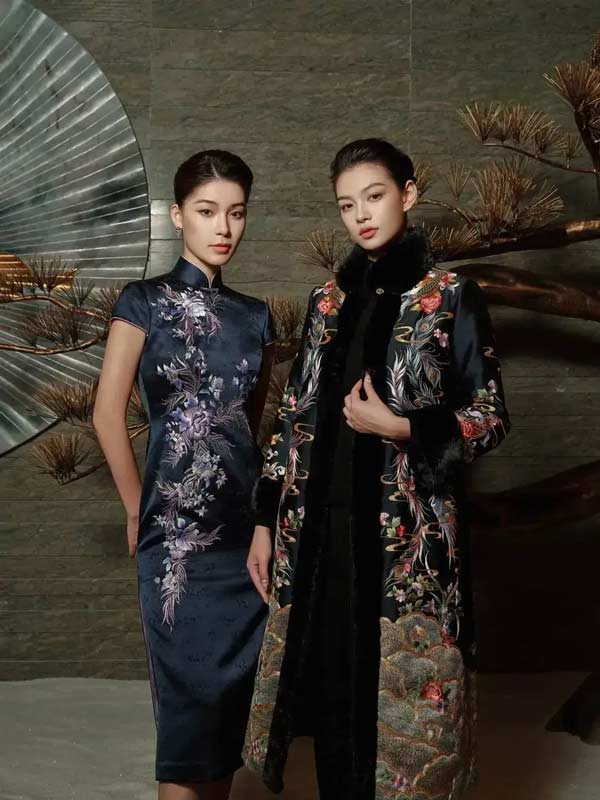
At Man Lou Lan, Zhaopu Road’s premier cheongsam atelier, heritage craftsmanship meets cinematic glamour. This Hongkou outpost of the iconic brand showcases qipaos stitched using intangible-cultural-heritage techniques: hand-rolled piped edges, knotted silk buttons, and subtle panjin (embroidered) motifs inspired by 1940s patterns. Zhang Ziyi’s film costumes here ignited demand for custom pieces—particularly the "Jiang Zhou Blue" cheongsam with its chrysanthemum-thread embroidery.
Beyond fashion, culinary artisans reinterpret history. Jiang’s Braised Pork Rice Cakes serves its signature dish in blue-and-white porcelain bowls identical to those in film scenes, while the Victory Cafe’s pastry chef crafts "Moonlight Over Shanghai" mousse cakes—layers of matcha and red bean paste evoking tiled rooftops at dusk. Even street vendors participate: Old Wang’s Stuffed Pancakes now shapes dough into miniature tramcars.
The street’s true alchemy lies in its community of storytellers. Retired tailor Master Chen (78) demonstrates qipao alterations using his grandmother’s 1930s sewing box, while university students lead free "Cinematic History Walks," decoding architectural clues—a bullet scar on a lintel, a concealed Art Nouveau railing—that reveal Zhaopu’s layered past. As dusk falls and neon ignites, these narratives intertwine, transforming every visitor into both audience and performer in Shanghai’s unending drama.
Zhaopu Road transcends nostalgia—it’s a dynamic stage where Zhang Ziyi’s celluloid visions materialize as lived experience. To sip coffee in a film-prop tramcar, trace a finger over silk-threaded chrysanthemums, or hear pingtan ballads echo off restored facades is to touch Shanghai’s soul. In resurrecting its past with such visceral artistry, this street offers more than a movie location: it gifts us a compass to navigate how cities remember, reinvent, and remain forever magnetic. As Zhang herself might say, walking Zhaopu Road isn’t tourism; it’s time travel with a pulse.