

The once-unassailable titan of Chinese music competition shows, Singer 2025 (歌手2025), finds itself adrift in a sea of indifference. From its premiere to its approaching finale, the season has generated minimal buzz, a stark contrast to its predecessor's viral success. Despite inheriting a revitalized platform from Singer 2024 (歌手2024) and its innovative live format, the current installment fails to captivate, plagued by casting missteps, production woes, and a perceived loss of musical authenticity.
As ratings plummet to a dismal 0.68%—overshadowed even by established variety shows like Keep Running Season 13 (奔跑吧第十三季) - and audience frustration mounts, the program faces an existential crisis. The core question lingers: how did a cultural phenomenon stumble so dramatically?
Casting Misfires and Lackluster Stages
The season's foundation crumbled early with an underwhelming lineup. Announced names like Lin Zhixuan (林志炫), Chen Chusheng (陈楚生), Shan Yichun (单依纯), Bai Jugang (白举纲), GAI Zhouyan, alongside international artists Mickey Guyton, BENI, and Grace Kinstler, failed to generate significant excitement. Lacking the established star power or compelling new talent that defined past glories, the roster paled in comparison to the previous season's headline-grabbing presence of veterans like Na Ying. This inherent weakness forced the producers into a corner, leading to a heavy reliance on the controversial inclusion of idol Ma Jiaqi (马嘉祺) for sheer traffic-driven buzz.
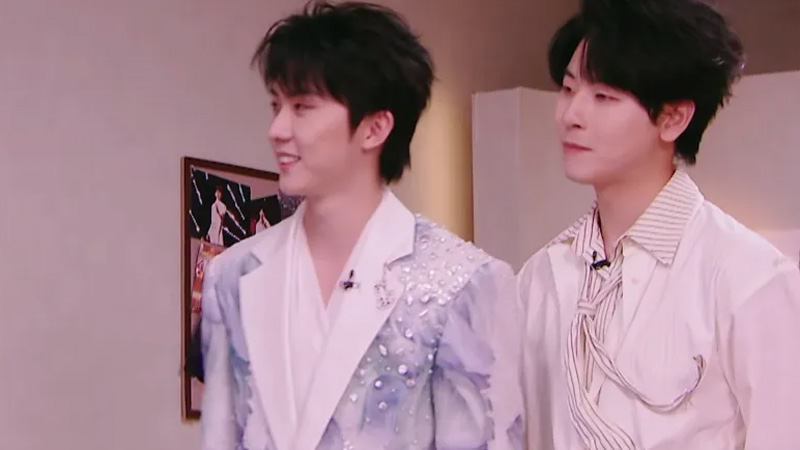
Ma Jiaqi's journey became emblematic of the season's problems. While his initial presence fueled online chatter, largely centered on demands for his elimination, his prolonged stay despite inconsistent vocal performances damaged the show's credibility. Audience fatigue set in long before his eventual exit in Episode 6. His departure, rather than rejuvenating the show, merely exposed the remaining roster's deficiencies, including performers like Zhe Lai Nu and Mars Radio Band, whose vocal abilities were widely questioned, accelerating viewer attrition.
The reliance on Ma Jiaqi underscored a deeper malaise: the absence of truly captivating performances. Gone were the era-defining reinterpretations that made Singer legendary. This season's stages often felt predictable, safe, and devoid of the artistic risk-taking or vocal prowess that once left audiences awestruck. The spark that ignited viral moments in seasons past remained frustratingly elusive.
Compounding the talent issue was the inability to showcase genuine musical growth or surprise. Past seasons thrived on unexpected transformations and powerhouse deliveries; 2025offered mostly competent but forgettable renditions. The magic of discovering a new vocal powerhouse, a Zhang Bichen or Huang Xiaoyun in their breakthrough years, was conspicuously absent, leaving a void where musical excitement should reside.
Production Stumbles and Format Fatigue
Operational failures further eroded audience trust. A critical blow came in Episode 7 when scheduled challenger Zheng Xinyi (郑欣宜) suffered neck and ear injuries during rehearsal due to crew negligence involving lighting equipment. Her forced withdrawal, announced just before the live broadcast, was a stark display of unprofessionalism that shocked viewers and disrupted the competitive flow. The incident forced an awkward format adjustment: no elimination for the episode, with votes carrying over.
This incident highlighted deeper structural issues within the production. The live format, while initially thrilling in 2024, seemed to magnify problems in 2025 rather than enhance it. The pressure of live performance exposed vocal limitations more brutally, while the constant need for real-time adjustments felt chaotic rather than exhilarating. The format itself, after multiple seasons, began to feel stale, lacking the fresh twists needed to sustain long-term interest.
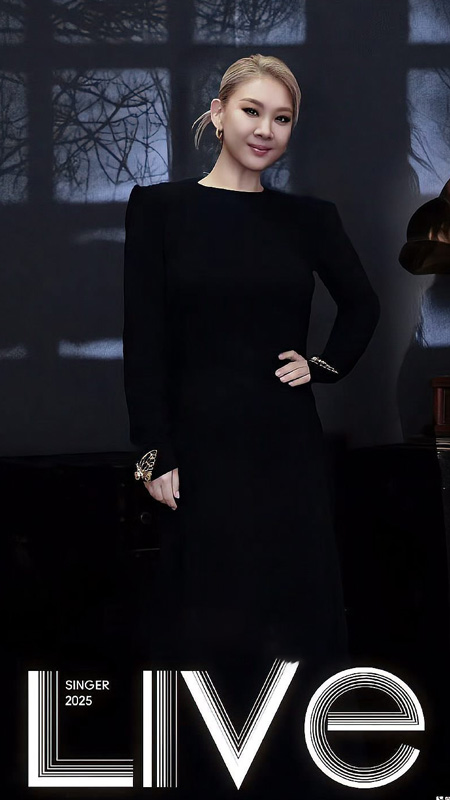
The controversial voting system and perceived lack of transparency became recurring points of contention. Audiences questioned the legitimacy of results, particularly surrounding certain contestants' longevity despite perceived shortcomings. This eroded the fundamental sense of fair competition that is vital to any contest show's appeal. The cumulative effect was a growing disconnect between the producers and the viewers they desperately needed to retain.
Nostalgia for the "Hong Tao era"- marked by meticulous planning, palpable respect for the artists, and a clear focus on musical excellence - became a recurring theme in audience discourse. The current iteration, perceived as chasing fleeting trends and sacrificing substance for spectacle, struggled to command the same respect or emotional investment from its core fanbase.
Reclaiming the Musical Core
For Singer to regain its relevance, a fundamental reset is imperative. The most critical step is a decisive move away from traffic-centric casting. The experiment of relying on idols for buzz demonstrably failed, sacrificing musical integrity and alienating the audience that values vocal artistry above all. Future seasons must prioritize genuine vocal talent, stage presence, and artistic credibility, seeking out established powerhouses and undiscovered gems capable of delivering truly transcendent performances.
Secondly, the show must recalibrate its approach to international artists. While global voices add diversity, framing the competition solely as a "China vs. The World" battle often feels manufactured and demeaning. The narrative of foreign "invaders" overwhelming local talent, especially when the chosen Chinese representatives may not be the absolute pinnacle available, creates unnecessary friction and distracts from the music. The focus should shift towards celebration and exchange, fostering collaboration and mutual appreciation rather than jingoistic competition.

The production team must alsoregain audience trust through professionalism and transparency. Avoiding preventable disasters like the Zheng Xinyi incident is paramount. Revamping the voting system for greater clarity and fairness, coupled with thoughtful format innovations that respect the artists and engage viewers without gimmicks, is essential. Reconnecting with the show's original mission—spotlighting exceptional vocal artistry and compelling musical storytelling—is the only sustainable path forward.
Rumors of potential late-season additions like A-Lin or Jane Zhang offer a glimmer of hope. Their proven vocal prowess could inject much-needed excitement. While the current season may struggle to fully recover, acknowledging its missteps provides a blueprint for the franchise's future. The legacy of Singers built on unforgettable musical moments. Only by ruthlessly prioritizing music over manufactured hype can it hope to once again command the stage and captivate audiences. The final episodes, and the choices made for the next season, will determine if this once-pioneering show can rediscover its soul. Do you still plan to keep watching?