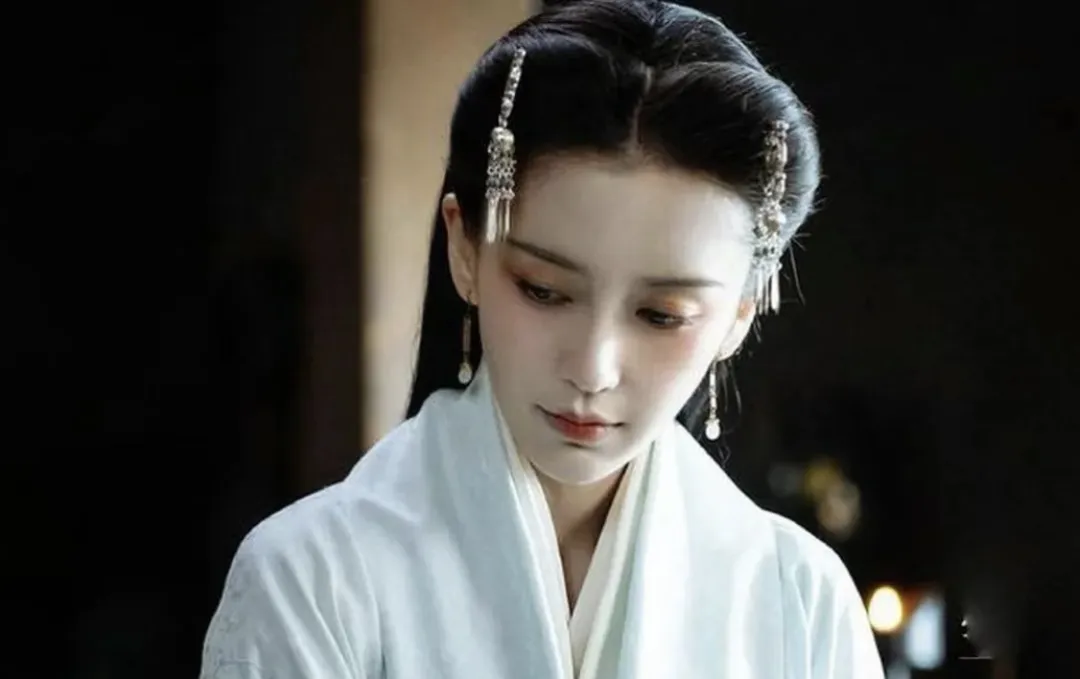
In ancient Chinese dramas inspired by the Han Dynasty style, it's common to see that women regarded small lips as beautiful. Even in the styling of Song Zuer in the drama Zhe Yao, netizens exclaimed that Song's small lips are indeed suitable for Han - Dynasty women. Is it really the case?
First, the conclusion: Han - Dynasty women generally considered small lips beautiful. Even if they didn't have small lips originally, they would paint them to look small. The makeup technique was to first apply white powder to cover the original lip color, and then use lip rouge to draw a round lip shape. The larger ones were like cherries, the smaller ones were like beads, or just one - circle smaller than the original lip shape. So this way of painting small lips is also called "dotting the lips". However, it's not absolute, and there was also the full - lip makeup method.
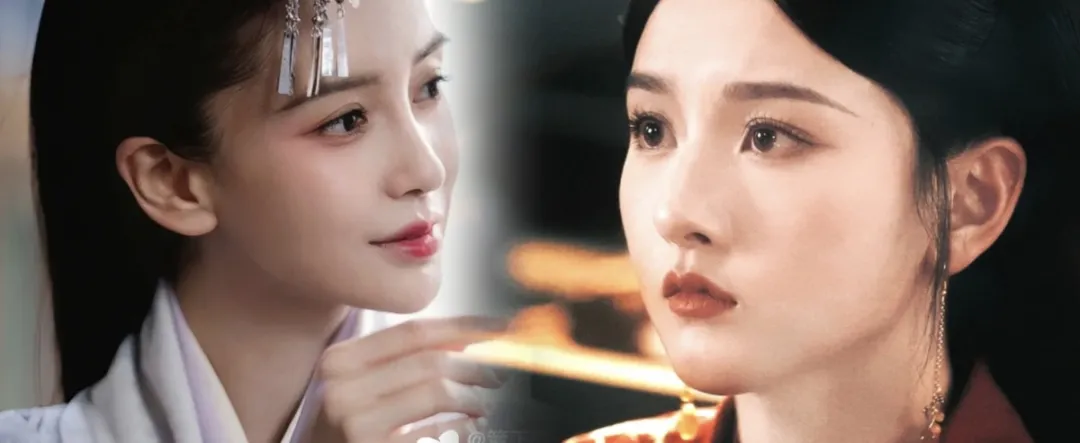
This lip shape was generally small, creating a sense of hierarchy in the lip makeup, making the otherwise simple makeup more memorable and also reflecting the gentle personality of Han - Dynasty women. The strong covering ability of the white powder allowed the lip shape to be changed at will. Now, the main lip shapes we can summarize from Han Dynasty figurines are as follows:
- Normal lip shape, just one - circle smaller
- Presenting a trapezoid - like shape, wider at the bottom and smaller at the top or vice versa, like dotting the lips;
- Just drawing a line between the two lips, flatter than the original lip shape.
In the Han - Dynasty aesthetic, fair skin, red cheeks, black eyebrows, and small lips were considered beautiful. In the book Shi Ming - Shi Shou Shi written by Liu Xi of the Han Dynasty, it was mentioned that Han - Dynasty women used "dan" to apply lip makeup: "Lip rouge is made of dan to make the lips look red." Dan is actually cinnabar. However, cinnabar itself has no stickiness and insufficient adhesion. If directly applied to the lips, it's easily dissolved by saliva. So it needed to be mixed with animal fat before being applied to the lips and could be used as a color - fixing pigment. It was usually placed in a special lip - rouge box. Such lip - rouge boxes have been found in Western Han Dynasty tombs in places like Yangzhou, Jiangsu and Changsha, Hunan. Even after thousands of years, the lip rouge in the boxes still has bright colors.
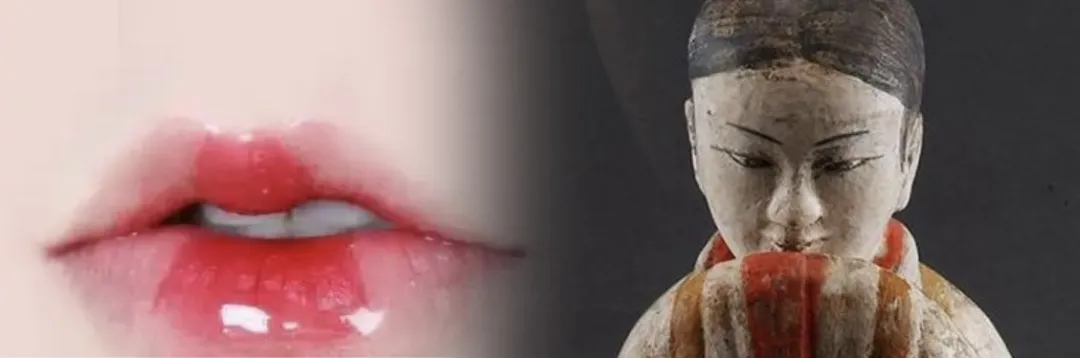
The overall makeup style of the Han Dynasty was "red makeup". In our understanding, red makeup was mostly reflected in blush and lip makeup. There was also a makeup called "Yonglai Makeup" with long eyebrows, down - cast eyes, and small lips, giving a lazy feeling in the makeup. Lip color, what we often call "lipstick shades", was not just cinnabar red, but came in different shades. Later generations classified this popular trend as "The black eyebrows leave a faint green mark, and the red lips fade into a thin red."
Some direct names for lip colors are as follows: "Tan Kou" shows a light - red color, suitable for those with a delicate and elegant temperament. "Zhu Chun" has a vivid color, suitable for fair - skinned people. "Jiang Chun" is darker, suitable for grand and formal makeup.
After Zhang Qian's mission to the Western Regions, he brought back a plant with red flowers and blue leaves called Yan Zhi. At that time, there were mainly two ways to use Yan Zhi powder: one was "Mian Yan Zhi", dipping silk wadding into the powder juice; the other was "Jin Hua Yan Zhi", pressing the dried powder juice into small flower pieces, which needed to be moistened with water before use. Han - Dynasty women used Yan Zhi powder to adorn their faces, creating classic makeup styles such as "Jiu Yun Zhuang", "Tao Hua Zhuang", and "Fei Xia Zhuang". Since Yan Zhi powder was relatively dry, people in the Central Plains continuously improved the formula. By the Northern and Southern Dynasties, they began to add beef marrow, marten pancreas and other ingredients to Yan Zhi powder, turning it into a paste, thus creating a new form of "Yan Zhi" or "Yan Zhi".
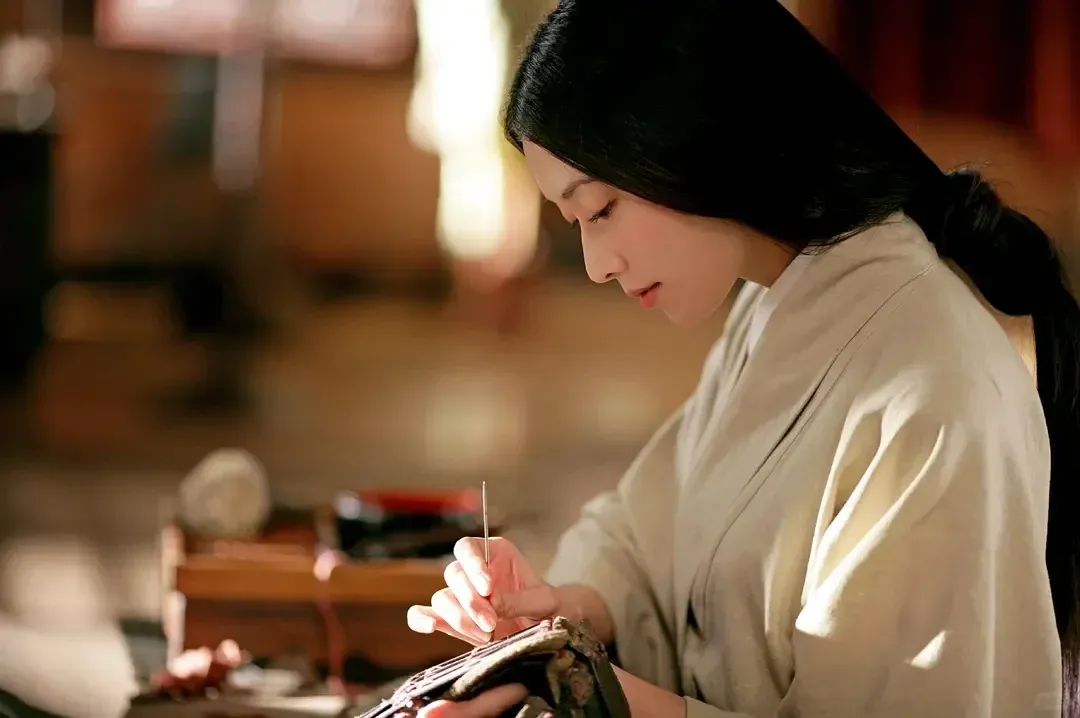
The aesthetics of Han - Dynasty women were also influenced by the cultural and ideological trends at that time. Under the Western Han Dynasty's policy of recuperation, the Huang - Lao School, which advocated "achieving more with less effort", was popular, presenting a natural beauty of grandeur and simplicity. So the makeup was elegant and simple, and it only changed after the Eastern Han Dynasty.
In today's makeup aesthetics, small lips, the multi - layered red makeup, and the traditional beauty precisely make up for the original lip - shape defects and make the overall makeup look more delicate and charming, presenting a Chinese aesthetics full of charm. This method of modifying the lip shape also appears in modern makeup. Many people think it's a modern makeup technique, but actually, our ancestors had it long ago. It's truly amazing how these ancient makeup concepts still resonate in modern beauty trends.