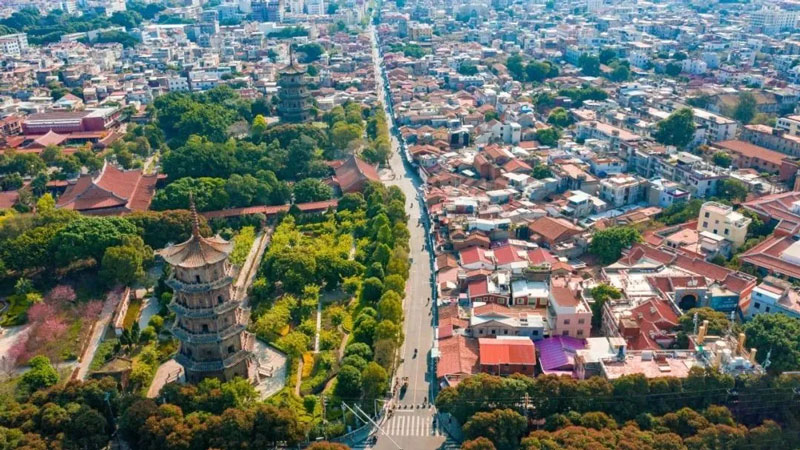
Stepping into Quanzhou is like entering a living theater where history and modernity dance in harmony. As a former hub of the world's maritime trade and the eastern starting point of the Maritime Silk Road, this ancient port city in China's Fujian province offers a captivating blend of cultural heritage, vibrant street life, and culinary delights. With its UNESCO World Heritage status, featuring 22 sites that narrate tales from the Song and Yuan dynasties, Quanzhou invites travelers on an immersive two-day adventure.
Wander through centuries-old temples, bustling markets, and serene alleys, all while riding the iconic "little white" electric carts that whisk you between landmarks. Whether you're a history buff, a foodie, or a seeker of tranquility, this compact yet rich itinerary promises unforgettable moments—from dawn prayers at Taoist shrines to twilight feasts under lantern-lit skies. Embrace the city's rhythm, where every corner reveals stories of emperors, traders, and artisans, making it a perfect escape for a short getaway that feels timeless and transformative.
Historic Landmarks Explored
Begin your journey by arriving at Quanzhou Jinjiang International Airport or the high-speed rail station, easily accessible by public buses that drop you in the heart of the ancient city. Check into one of the charming local guesthouses or boutique hotels—options abound near key sites like West Street, offering cozy retreats with traditional Minnan architectural touches. Drop your bags and hop on a "little white" cart; these electric shuttles are your ticket to effortless exploration, connecting you seamlessly to the first stop without the hassle of navigation. Feel the city's pulse as you glide past red-brick lanes and vibrant murals, setting the stage for a day of discovery.
Your first highlight is Kaiyuan Temple, a Buddhist sanctuary dating back over a millennium, where the iconic East and West Pagodas stand as silent sentinels of Quanzhou's spiritual legacy. Marvel at their intricate stone carvings that depict celestial beings and mythical tales, reflecting the city's role as a crossroads of cultures. Spend an hour wandering the temple grounds, soaking in the serene atmosphere amid ancient banyan trees and incense-filled courtyards.
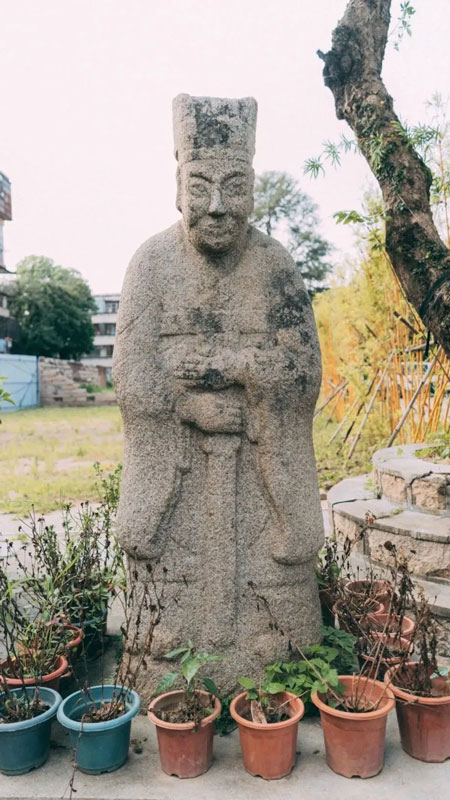
Next, head to the Southern Song Imperial Clan Office Ruins, a hidden gem that unlocks secrets of the Song dynasty's royal lineage. Stroll through the excavated foundations, imagining the opulent halls where aristocrats once governed trade and diplomacy. Interactive displays and bilingual plaques bring this history to life, making it ideal for families or solo travelers eager to delve into China's imperial past. Just a short walk away, the Confucian Temple of Quanzhou awaits with its grandeur—boasting architecture hailed as among southeastern China's finest.
Conclude the afternoon at Qingjing Mosque and Guan Yu Temple, nestled side by side in the bustling Tumen Street district. Qingjing Mosque, one of China's oldest Islamic sites, dazzles with Persian-inspired domes and arabesque motifs, whispering tales of Silk Road merchants. Then, step into Guan Yu Temple, where fiery red roofs and ornate wood carvings celebrate the god of war and wealth, embodying Fujian's folk traditions. Wander the vibrant street markets here, sampling local snacks like peanut soup or oyster omelets from street vendors, before dusk transforms the area into a kaleidoscope of lanterns and live music.
As evening falls, the city's energy shifts—transition from historic exploration to nocturnal enchantment. Climb to a rooftop café for panoramic views of Quanzhou's illuminated skyline, where ancient towers glow against modern high-rises. This seamless blend of old and new creates a magical ambiance, perfect for reflecting on the day's adventures over a cup of local oolong tea.
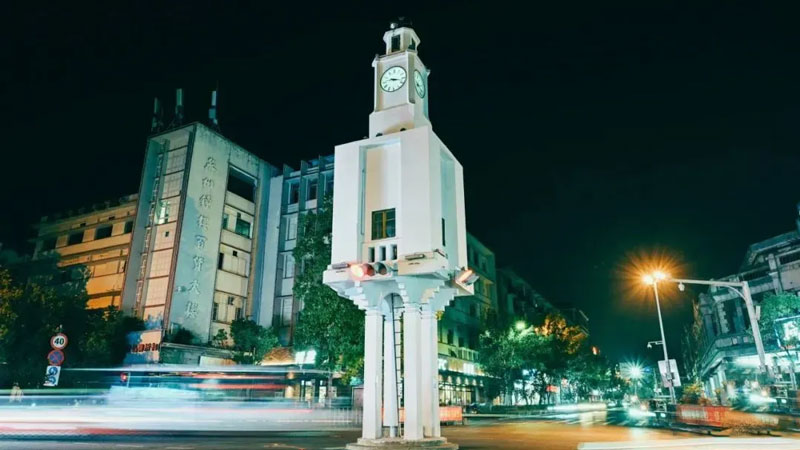
Cultural Nights and Tastes
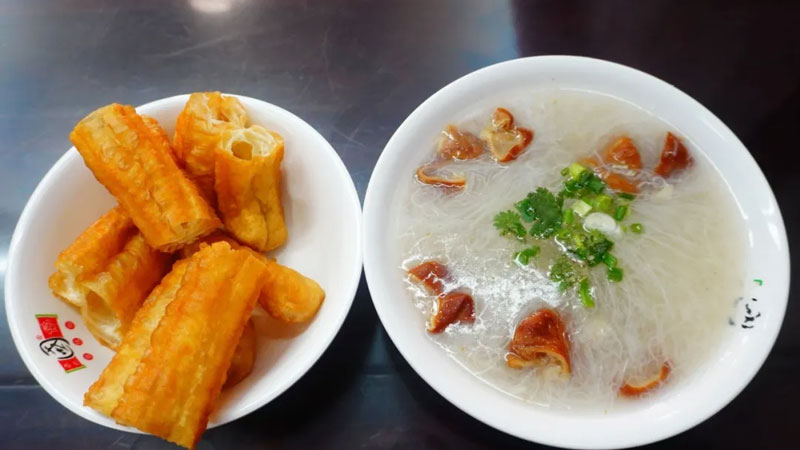
Awaken refreshed on day two, starting with a hearty breakfast of savory noodle soup at a hole-in-the-wall eatery near Tianhou Palace. This Taoist temple, dedicated to the sea goddess Mazu, immerses you in legends of maritime protection—her "deification" story unfolds through vivid murals and ceremonial artifacts. Join morning rituals if timing aligns, feeling the communal spirit as locals offer prayers for safe voyages, echoing Quanzhou's seafaring heritage in a deeply personal way.
A short stroll leads to the Dejimen Gate Ruins, where remnants of the city's ancient walls evoke images of bustling ports filled with foreign traders. Stand amid the weathered stones, listening to audio guides recount tales of the "ten thousand nations" that once thronged these shores during the Song dynasty's golden age. This site connects powerfully to the UNESCO narrative, reminding you that Quanzhou wasn't just a city but a global hub—ideal for history enthusiasts seeking tangible links to the past.
Escape the midday heat at Chengtian Temple, arguably Quanzhou's most tranquil sanctuary. Nestled in lush gardens, this Buddhist complex invites leisurely walks along shaded paths, where birdsong and blooming lotuses create a meditative oasis. Bring a camera to capture candid moments—monks in saffron robes tending to shrines, or visitors napping under ancient trees—and join a brief guided tour to learn about the temple's role in fostering inner peace amid urban chaos.
As dusk settles, West Street transforms into a culinary paradise—savor over 300 local delicacies, from steamed buns to seafood skewers, at street stalls or cozy teahouses. Cap your journey by sharing stories over a cup of jasmine tea, surrounded by the warm glow of lanterns and laughter. If time allows, extend your stay to three days, slowing down to absorb Quanzhou's soulful rhythm and uncover more of its 22 World Heritage gems.