On July 19, Zhao Liying captivated audiences at a Shanghai luxury event with a return to classic sophistication. Her shift from controversial pink locks to sleek black hair symbolized a refined aesthetic revival. Beyond surface transformations, this piece examines her strategic navigation of fame, rumored romance with director Zhao Deyin, and the poised balance between motherhood and stardom.
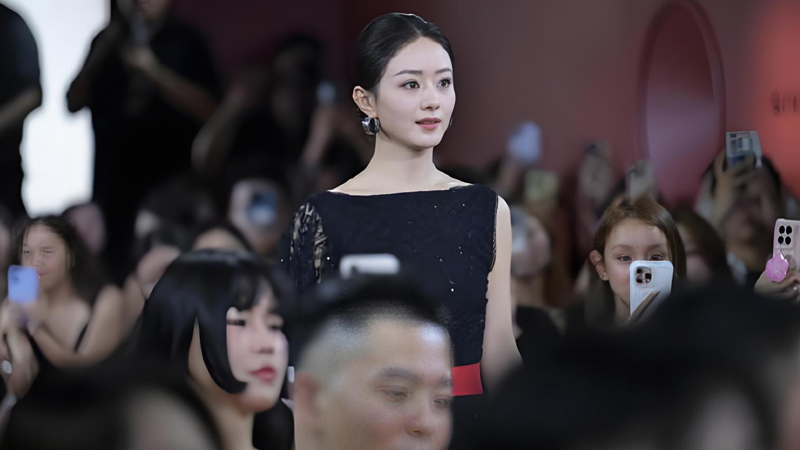
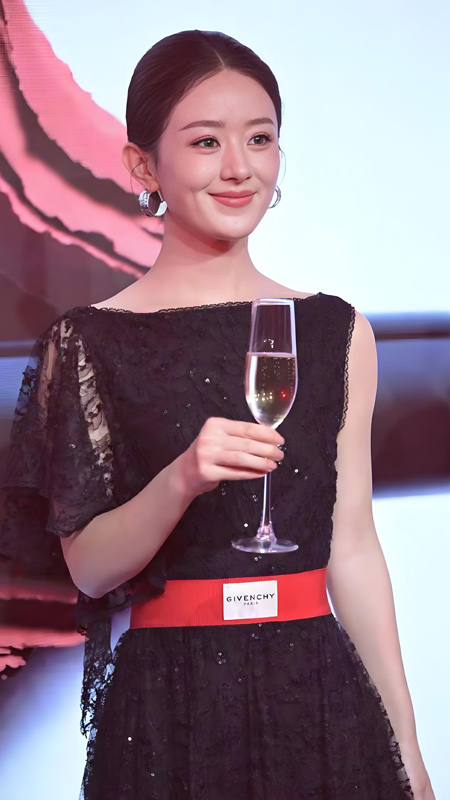
The glow of camera flashes illuminated Shanghai’s skyline as Zhao Liying stepped onto the event stage on July 19. Draped in a black lace-embroidered gown that shimmered under the lights, she embodied a renaissance of elegance. Her decision to replace vibrant pink strands with raven-black tresses wasn’t merely a style choice—it was a reclamation of her signature grace. Observers noted how the change amplified her delicate features, turning every gesture into a study of poise. This appearance, devoid of theatricality, offered a masterclass in timeless glamour.
The Return to Classic Sophistication
Zhao Liying’s black lace gown, adorned with subtle sequins, flowed seamlessly as she greeted attendees. The dress’s intricate cutouts revealed just enough to hint at her sculpted silhouette while maintaining an air of mystery. Her hair, swept into a low chignon, framed a face radiating quiet confidence. Unlike temporary trends, this look anchored itself in enduring luxury—a visual manifesto against fleeting fads.
Fashion critics highlighted how the monochrome palette elevated her natural luminosity. The absence of color distractions shifted focus to her expressive eyes and porcelain skin, proving minimalism’s power in an era of sensory overload. Her stylist later revealed the intentional omission of jewelry; the gown’s artistry needed no accompaniment. This calculated restraint spoke louder than any accessory, echoing Coco Chanel’s edict: “Before you leave the house, look in the mirror and remove one thing.”
The transformation extended beyond aesthetics. Where pink hair had once sparked debates about “unfiltered self-expression,” her return to noir tones signaled a deeper narrative control. Public reactions shifted from scrutiny to admiration, with social media flooded by close-ups of her waist-defining silhouette and the gown’s meticulous beadwork. Fans coined the phrase “Black Swan Moment”—a tribute to her seamless fusion of strength and delicacy.
Beyond the Hair Color Controversy
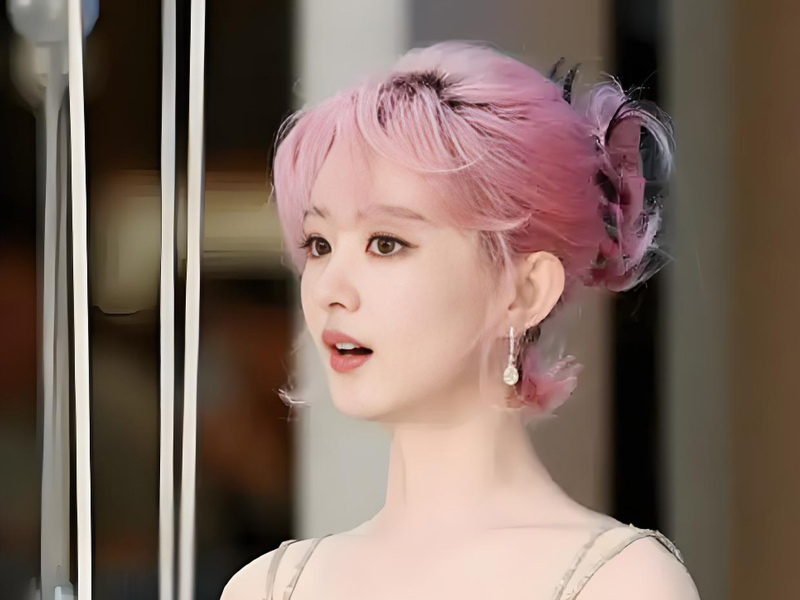
Months before the Shanghai event, Zhao Liying’s pink hair dominated entertainment headlines. Tabloids juxtaposed images of her cotton-candy locks against her earlier roles as historical heroines, branding the look “unrecognizable.” Detractors dismissed it as a mid-career rebellion, while psychologists noted society’s discomfort when women defy typecasting. Yet Zhao Liying remained unapologetic, attending film premieres with technicolor confidence.
This period revealed her nuanced relationship with fame. Unlike peers chasing viral moments, she treated the pink hair experiment as a transient canvas—neither seeking validation nor conceding to critique. Industry insiders interpreted it as her reclaiming autonomy; after years of scripted elegance, she played with persona like an artist testing palettes. The brevity of the phase, however, proved most telling. By reverting to black, she demonstrated that reinvention needn’t be permanent to be meaningful.
The backlash’s evaporation post-Shanghai underscored fickleness in public discourse. Media outlets that once critiqued her “punk phase” now praised her “masterful resurgence.” This pivot highlighted entertainment journalism’s whiplash tendencies, where today’s controversy becomes tomorrow’s triumph. Through both eras, Zhao Liying maintained a consistent thread: the unwavering ownership of her choices.
Private Life in the Public Eye
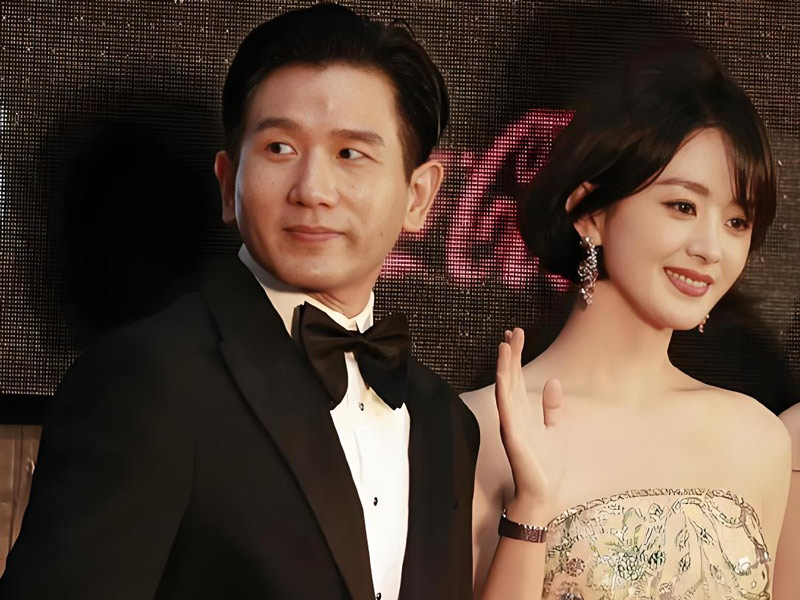
Rumors of Zhao Liying’s bond with director Zhao Deyin first surfaced in spring paparazzi shots. Images showed them sharing coffee in Shanghai’s French Concession, their conversation punctuated by easy laughter. Weeks later, photographers captured Zhao Deyin entering her residential compound using his own access key—a detail fueling romance theories. More intriguingly, he appeared comfortable in a familial role, seen guiding her son Think Think through evening walks.
The director’s interactions with Think Think offered glimpses into their dynamic. During an evening stroll, he knelt to explain lantern mechanisms to the curious child, his patience mirroring paternal instincts. Think Think’s relaxed posture around him suggested established familiarity. While Zhao Liying’s team neither confirmed nor denied the rumors, their shared ease in mundane moments—buying ice cream or waiting at crosswalks—painted a portrait of domestic tranquility.
This quiet narrative diverges sharply from her on-screen epics. Where dramas demand grand declarations, her off-camera life embraces subtlety. The absence of PR-fueled announcements or couple photos speaks to a deliberate privacy firewall. As one industry analyst noted, “Her silence isn’t evasion—it’s the curation of a sanctuary.” In an age of oversharing, Zhao Liying’s guarded personal sphere becomes her most radical act.