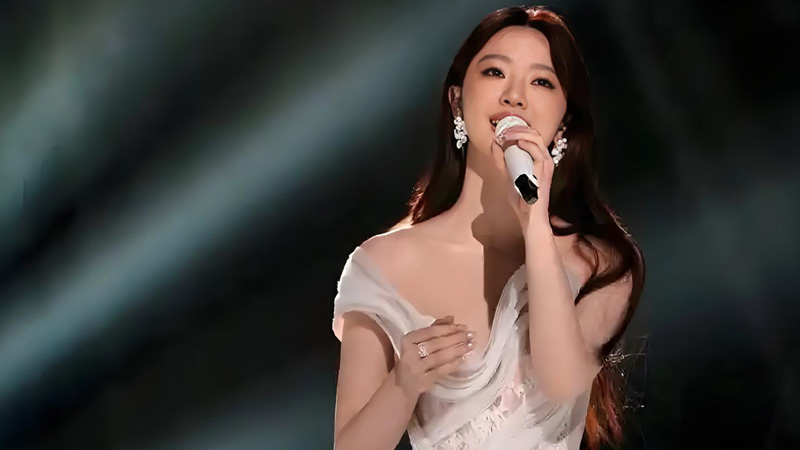
When Shan Yichun (单依纯) didn't claim the champion's trophy on Singer 2025's finale night, a collective sigh of relief rippled through the audience. This unexpected outcome became the most authentic victory in her evolution from competition prodigy to genuine artist. The season, plagued by lackluster lineups, copyright-limited song selections, and visibly exhausted contestants like GAI who openly expressed frustration, stumbled toward its conclusion.
What remained in public memory weren't musical triumphs, but viral moments: viewers mocking "untalented" idols, host Shen Mengchen nervously avoiding the phrase "sounds bad" on air, and judge Hu Haiquan's awkward "perfect harmony" comment about Shan Yichun and Wang Leehom's duet. The championship, once held by legends like Na Ying (那英), had transformed into a burdensome token—devoid of prestige yet potent enough to ignite three days of trending backlash for any recipient.
The Crown That Crushed
All eyes had initially crowned Shan Yichun the predetermined winner. Her reputation preceded her: a The Voice of China (中国好声音) champion who dominated that competition with such effortless brilliance that mentors dreaded facing her. Her renditions consistently topped music charts, revitalizing the show. Even notoriously harsh critic Ding Taisheng (丁太升) hailed her as "a gift to the Chinese music scene." Her status as the program's sponsor ambassador further cemented the assumption that the "King of Singer" title was tailor-made for her, a chance to replicate her The Voice of China fairy tale. The first episode bolstered this narrative; her performance of Pearl secured an undisputed first place.
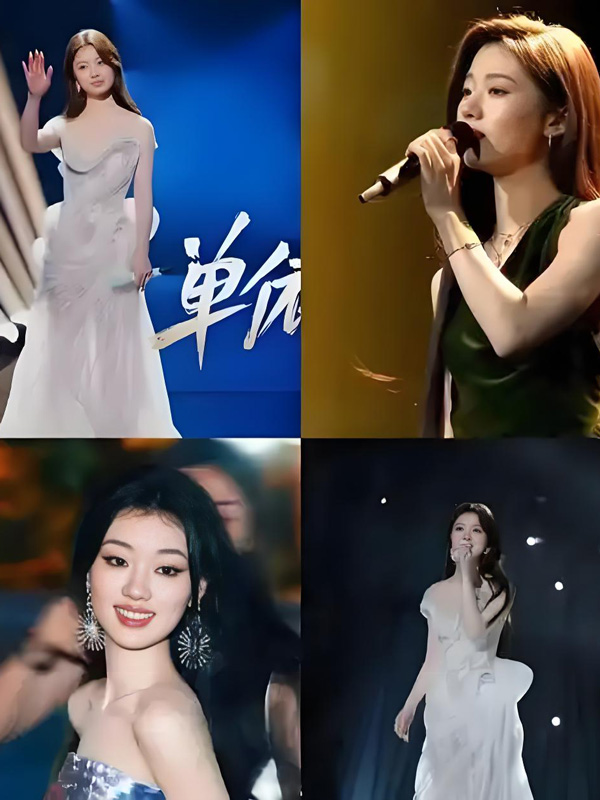
However, the trajectory swiftly reversed. Her take on Faye Wong's Sky drew accusations of hollow imitation. A stylized interpretation of Li Ronghao's Li Bai turned the lyric "So what, what can I do?" into a mocking internet meme. By the second episode, she plummeted to fifth place. The champion's aura evaporated, replaced by a cascade of regret, sarcasm, and outright vitriol. Critics attacked her song choices as tasteless, her delivery as overly technical and emotionally vacant, branding it "oily." Trapped in the lower ranks, she teetered on elimination, a devastating blow for someone accustomed to victory being as natural as breathing.
This brutal reception forced a profound identity crisis. Shan Yichun, the competition natural, found her comfort zone shattered. The experience delivered a harsh lesson: public adoration is fickle. The pressure manifested visibly—her initial confidence eroded into visible anxiety over song selection and vocal approach. She cycled through different styles, desperately recalibrating the very talent that once seemed infallible. The relentless scrutiny made her question every note.
Shattering the Champion's Mold
Shan Yichun's predicament stemmed directly from the weight of her past. Winning The Voice of China in 2020 imprisoned her within the "genius girl" persona. Industry veterans lavished praise; her covers of classics on variety shows or concerts guaranteed virality. Fans clamored for every old song to "pass through Shan Yichun's voice." Yet this success created a paradox. While celebrated for interpreting others' work, she hadn't carved her own musical identity. Her talent became a vessel for nostalgia, not a vehicle for personal expression. Singer 2025, despite its chaos, served as the violent catalyst needed to break this mold.
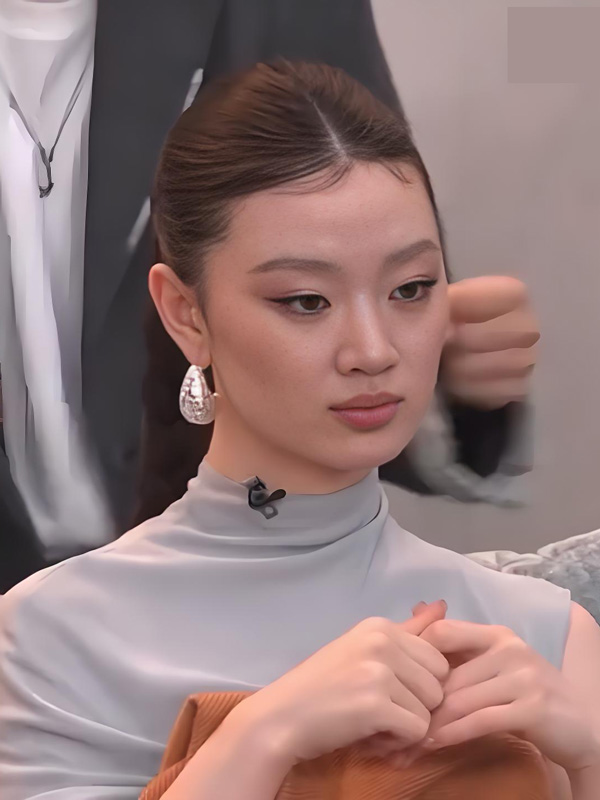
The competition's intense pressure—the harsh critiques, the disappointing rankings, the sheer demands of live performance—acted like a forge. It stripped away the safety of the "contestant" label, forcing her into the raw, exposed state of being simply an artist. The struggle wasn't just about winning rounds; it was about discovering who she was as a singer beyond the leaderboard. The external noise and internal doubt became essential growing pains, pushing her towards authenticity she hadn't needed to cultivate when victory came easily.
Her journey mirrored the season's struggles. Singer 2025 lacked the star power and smooth execution of its predecessor. Contestants seemed worn down by logistical hurdles and creative constraints. The anticipated glory felt increasingly hollow. Yet, within this imperfect arena, Shan Yichun's battle for artistic integrity became the season's most compelling, albeit painful, narrative. The stage transformed from a proving ground into a crucible.
Singing Beyond the Scoreboard
The transformation crystallized during the final performance. Gone was the tearful, overwhelmed girl from The Voice of China. On the Singer finale stage stood a more grounded artist. Shan Yichun chose to perform her own song, "Interesting"—a deliberately obscure, avant-garde piece. Music critics immediately flagged its riskiness, predicting its complex structure and unconventional melody would challenge mainstream listeners. "Everyone wants a reward or I hide, that's all," she sang, her delivery infused with a playful defiance. It was a declaration of artistic independence.
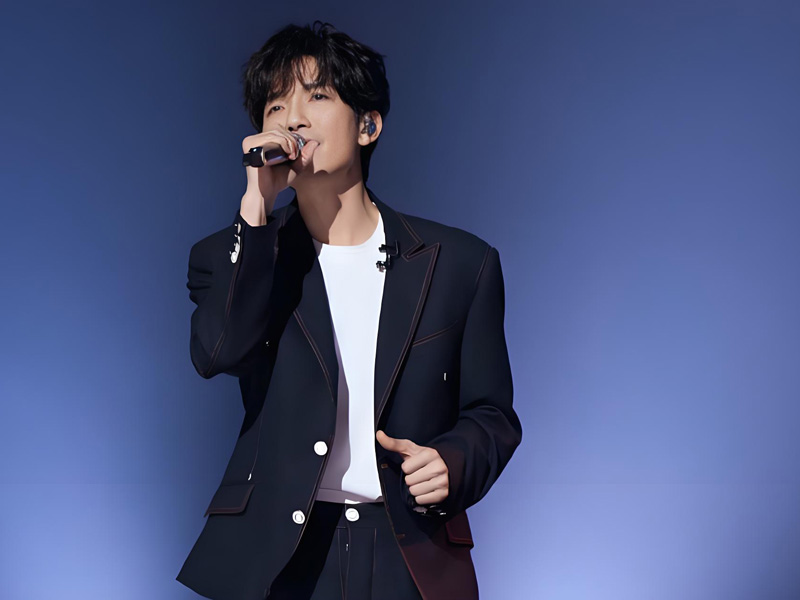
Predictably, this bold choice didn't win the competition. The title, laden with unwanted baggage, eventually fell to Chen Chusheng (陈楚生), whose victory was met with surprise and accusations of favoritism ("the program's chosen royal"). Shan Yichun, however, achieved something more significant. Performing Interesting was an act of profound self-assertion. She showcased not just her voice, but her vision. It embodied her realization: "The 18-year-old me was captivating; the 23-year-old me is captivating too. I still have time and energy to make myself shine."
Losing the crown became her liberation. At 24, Shan Yichun emerged from the contest not just as a singer refined by competition, but fundamentally reborn through it. She shed the crushing expectation of perpetual victory and the need to constantly please external judges. The experience taught her that life isn't a brutal survival game demanding constant triumph. "You don't have to be the champion," her performance whispered. "You don't have to beg for approval. You can simply choose honesty." Her final note seemed to hang in the air, a quiet revolution: the freedom to dance freely in the arena, to play the game of artistry on her own terms.