
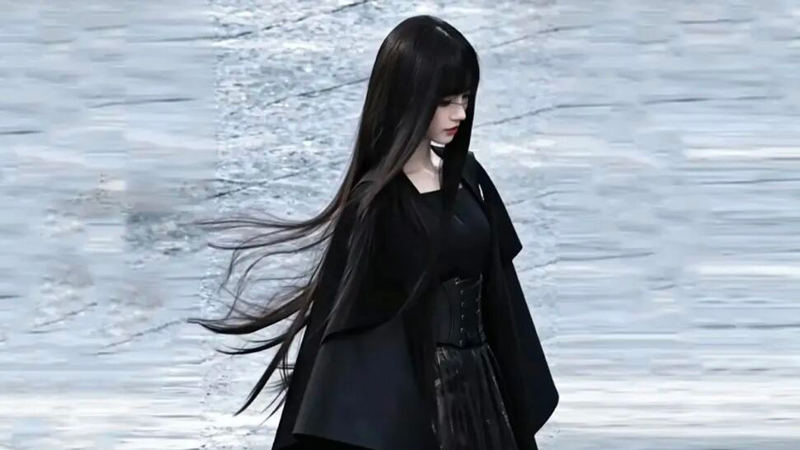
When the latest set photos from Ju Jingyi's new drama Wanhua Shijie (万花世界) hit the internet, the initial shock wasn't about her character, Su Lüxia (苏绿夏), but the costume itself. The styling team took the boldest possible route, stripping the traditional Mamian Qun (马面裙), or horse-face skirt, of its historical context and rebooting it as a purely modern fashion item. It was a full-on dark, edgy ensemble: a mid-length tailored jacket over the pleated skirt, cinched with a structured corset belt, all topped with a dramatic cape. That first image was a statement. It wasn't the gentle, noble lady of historical dramas; it was the cold, indifferent vibe of a powerful anti-heroine, and the contrast was brilliant.
Many traditional Hanfu enthusiasts might balk at this. It completely disregards the usual pairing with a high-collared jacket or the formal layering rules. It's a stylistic revolt. But from a character design perspective, it's a masterstroke for a cyberpunk cultivator who looks fragile but is ruthlessly efficient. This bold deconstruction isn't disrespectful to history; instead, it's a groundbreaking moment for the garment. By throwing it into the fashion blender, the costume team created a look that's both extremely photogenic and surprisingly practical for the modern wardrobe, offering a blueprint for how a centuries-old piece can live on in the fast-paced, expressive world of everyday street style.
The Dark Horse
Ju Jingyi's all-black Mamian Qun look is a case study in modern styling with serious practical takeaways. The selection of the fabric is key. A gold-thread woven skirt adds subtle texture and visual interest without needing flashy colors. The high waist of the skirt, combined with a rigid corset, effectively nips in the waist and counteracts the common concern that the voluminous style can overwhelm a petite frame. This is the secret to making it work for a variety of body types. The heavy, structured fabric of the modern jacket and cape creates a brilliant contrast with the soft, flowing pleats of the skirt. This is the essence of the "cool" factor: a clash of textures where the stiffness meets fluidity, resulting in a dynamic and sharp silhouette.
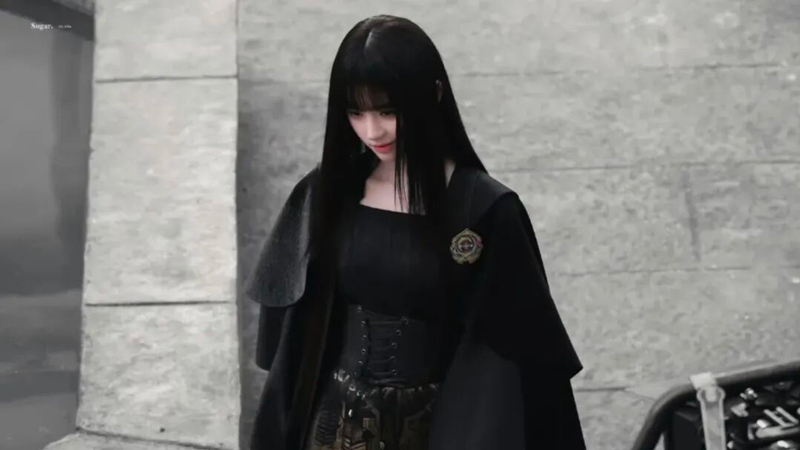
The monochrome palette is another crucial element. By sticking to a single, stark color, the styling relies on texture to create dimension. A matte wool jacket, the shimmering metallic threads of the skirt's door panels, and a shiny leather corset—these different materials ensure the outfit never looks flat. This isn't just an outfit; it's a vibe. The cold, straight hair and minimalist makeup, often described as a "sickly cool" aesthetic, complete the transformation, merging classical bone structure with an edgy, modern attitude. It shatters the glass ceiling that a horse-face skirt must always look delicate or traditionally feminine.
When it comes to accessories, the rule is simple: less is more. Any over-embellishment with chunky gold jewelry would kill the high-fashion, minimalist feel. A pair of simple silver drop earrings and a delicate choker necklace are all that's needed to maintain that clean, powerful look. The entire ensemble is designed for impact, creating a strong atmosphere that photographs exceptionally well. For those concerned about their figure, the black Mamian Qun is a dream. The vertical pleats naturally elongate the silhouette, while the dark color visually slims and smooths, making it far more forgiving than a standard maxi skirt for issues like wide hips or unstraight leg lines.
The Styling
To achieve this look in your own wardrobe, you can simplify the process. Swap the elaborate jacket for a simple black T-shirt or a minimalist tank top. The corset can be replaced with a simple, wide black belt or even a sleek cummerbund to define the waist. The key is maintaining that sharpness in the top layer. Pair it with a structured black blazer or a lightweight cape if you want that dramatic feel. The goal is a balance of textures and structure—the stiff outer layer against the flowing, pleated skirt. This "opposites attract" principle is what makes the outfit feel both powerful and fashionable.
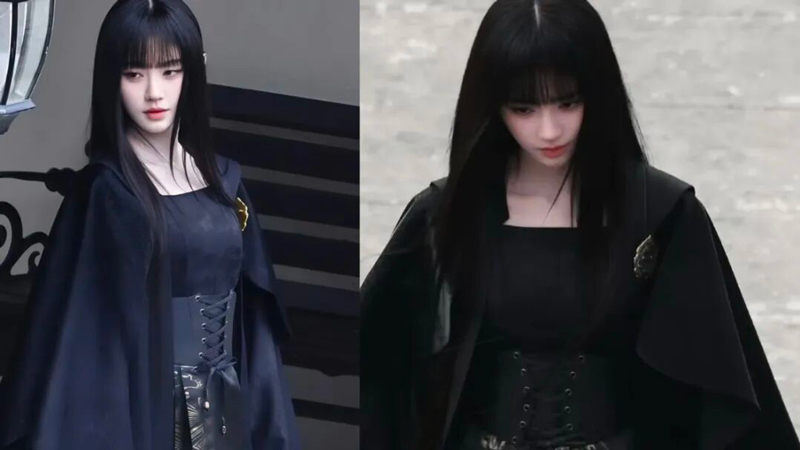
The versatility of this styling is its greatest strength. While the full-length look might be for a special event, the core concept—a structured top with a Mamian Qun—can be adapted for daily life. In summer, swapping the wool skirt for a silkier, gauzy version keeps you cool while maintaining the iconic silhouette. This is the true beauty of the horse-face skirt's modern revival. It's a piece with a deep cultural root, but its structural integrity—the neat door panels, the symmetrical pleats, the graceful drape—is a perfect canvas for contemporary styling. It doesn't always need to be a "costume." It can simply be a great piece of clothing.
The Debate
A lingering question for many is whether using the Mamian Qun in modern, dramatic styling for a TV show is a form of disrespect to traditional culture. The answer is a clear no. The Mamian Qun is a living garment; it has evolved in cut, material, and how it is worn for centuries. The strict rules of historical reconstruction are for scholars and formal reenactors. Art, like the drama Wanhua Shijie, has the liberty to adapt, and fashion has the power to deconstruct. The two approaches are not in conflict but, in fact, complementary.
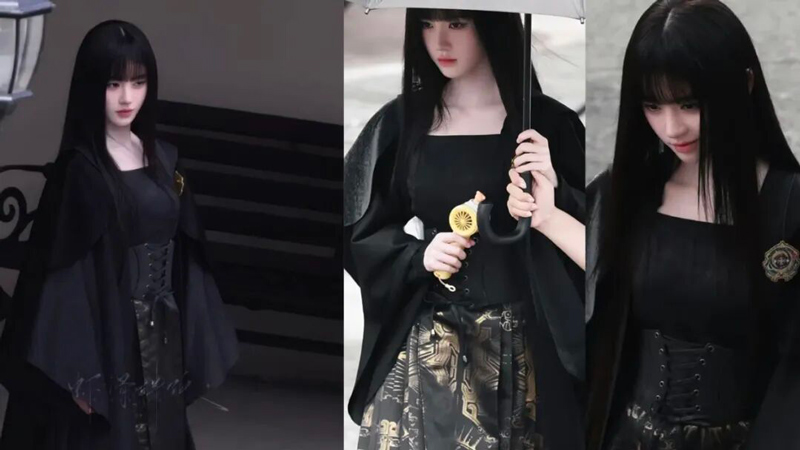
Ju Jingyi's dark styling is more of a reminder than a revolution. It suggests that culture doesn't have to be treated as an artifact encased in glass. You don't have to be a historical reenactor to appreciate and wear a Mamian Qun. Its beauty lies in its form, a form that anyone can enjoy and incorporate into their modern life. It can be gentle, it can be cool, and it can be sharp. The true continuation of tradition isn't about locking it in the past, but allowing it to live and breathe in the present.
