
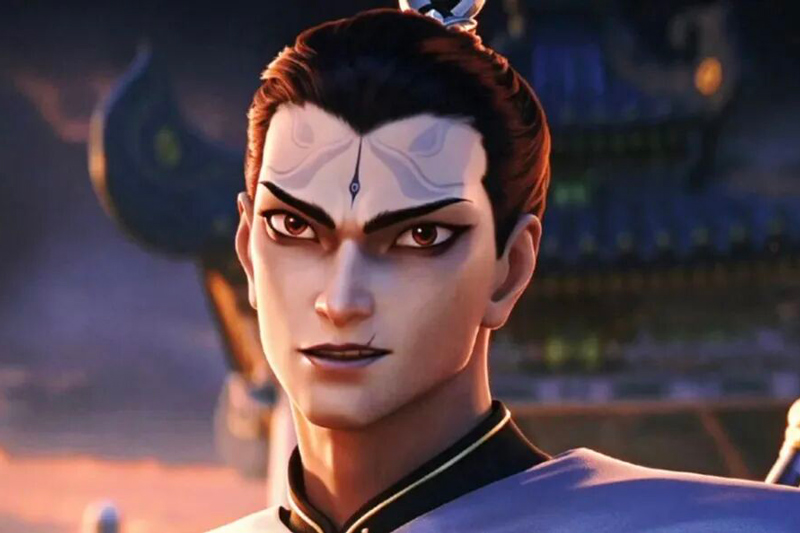
Yang Jian (杨戬), the three-eyed warrior god of Chinese mythology, has always been the gold standard for divine male beauty. From ancient texts to classic TV dramas, he is the celestial heartthrob—the one character whose appearance has never been up for debate. That is, until the release of Ba Xian! (八仙!). This new film has ignited a firestorm of fan backlash, not for its plot, but for its jarring visual redesign of the god. The question on everyone’s lips is simple: why does this version of the hero look so... ugly?
The Outrage
The complaints are visceral. On social media, fans have dissected every pixel of his new appearance, comparing it to a villainous refugee from a Marvel movie. His face is no longer the "handsome and refined" visage described in Journey to the West (西游记), but a grimacing, zombie-like mask. The sleek, heroic armor that fans adored in New Gods: Yang Jian (新神榜:杨戬) has been replaced with a clunky suit that feels more like Superman’s hand-me-downs.
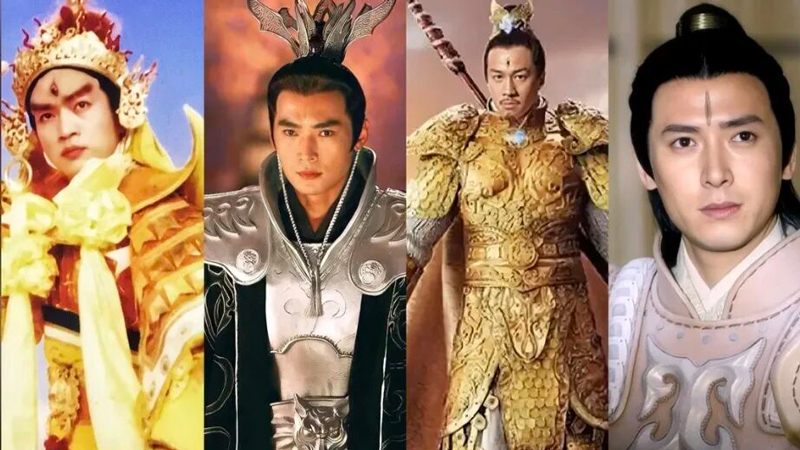
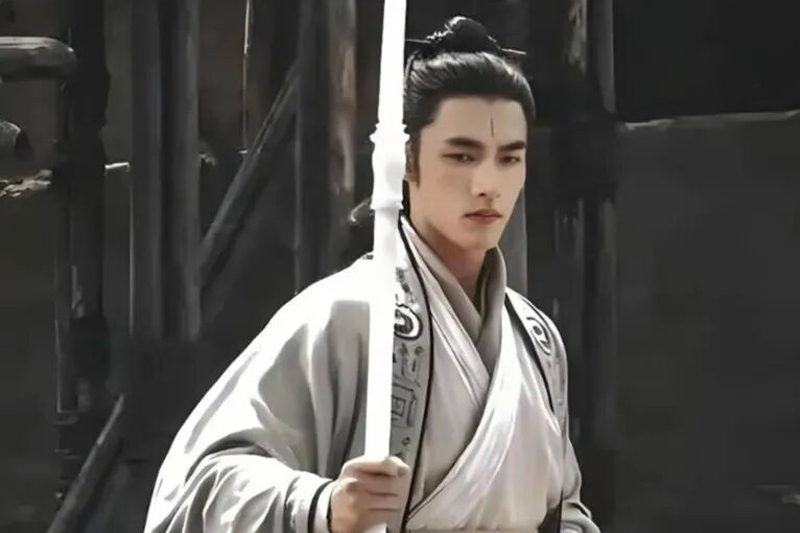
Viewers are drawing wild parallels: his oppressive aura resembles Miguel O'Hara's from Spider-Verse, while his hardened gaze mirrors Thanos. For a culture that has cherished him as a "handsome youth in a yellow shirt and gauze hat" since the Song Dynasty, this new look feels less like innovation and more like sacrilege. The consensus is clear: a villainous skin tone and monstrous features don't fit the heroic archetype that has been ingrained in the collective consciousness for centuries.
This isn't just about aesthetics; it's about identity. The character has historically stood for righteousness, a "handsome and upright" figure whose appearance was a direct reflection of his moral stature. By turning him into a hulking brute with a scarred face, the film seems to have ignored a thousand years of visual storytelling. It feels like a betrayal of the very image that made him a pop-culture icon.
The Genesis
To understand why this change stings, we must look at the historical tapestry behind him. He is not a singular historical figure but a fusion of several ancient heroes. He is an amalgamation: Li Erlang (李二郎), the son of Li Bing (李冰), who tamed floods; Zhao Yu (赵昱), who slayed dragons in the Sui Dynasty; and a Buddhist guardian deity. This blend of water-tamer and warrior was finally named in the Ming Dynasty.
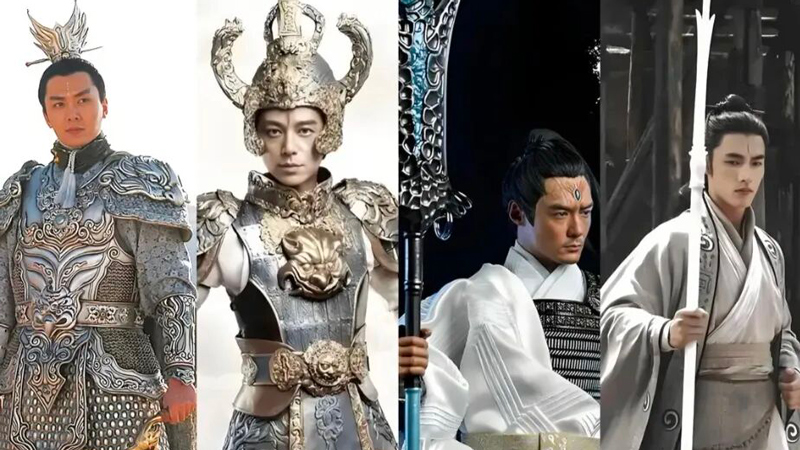
This "fusion" explains his standard visual kit: a three-pronged spear, a bow, and a loyal hound. These aren't arbitrary accessories; they are the tools of a hunter and protector. He was the local god who eradicated plagues and monsters, so his image was inherently practical and martial. The armor, the weapons, and the dog—these were the necessities of a god who worked for a living, fighting evil rather than just sitting in a heavenly palace.
His traditional armor, particularly the chest plates that fans often wonder about, are not just fashion. They are historical "chest protectors" (护胸), a common feature in Tang Dynasty armor. This practical detail highlights that his look is rooted in ancient military reality, not just fantasy. Stripping this away for a generic "cyberpunk" style disconnects him from the cultural soil that grew him, turning a cultural hero into a generic sci-fi character.
The Core
At the heart of this discussion lies his most iconic feature: the third eye on his forehead. This is not just a biological oddity; it is the symbol of his power to "discern truth and see through all deception." It visually represents wisdom and judgment. While the Ba Xian! version retains the "heavenly eye" pattern, critics argue it feels like a cosmetic tattoo rather than a spiritual tool.
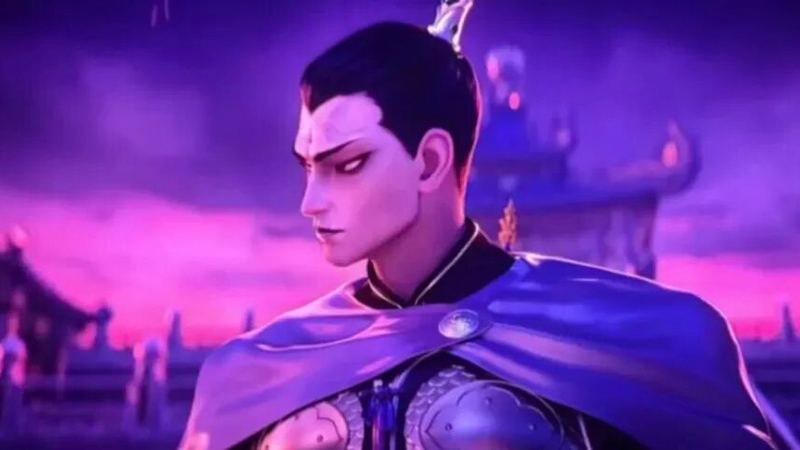
Some fans have defended the redesign, arguing that the ugliness is an "outer garment" for a new character arc. They point out that this version portrays him as a flawed figure—a "living person" burdened by the trauma of rescuing his mother, rather than a static hero. They suggest that the darker, grittier look reflects a god who is grappling with his identity, stepping away from the submissive celestial bureaucracy.
However, this defense falls flat when we consider that the character has always had a "tragic" side. His story of splitting a mountain to save his mother is inherently full of angst. But previous portrayals balanced this with an aloof, elegant demeanor. He was the outsider who challenged the Jade Emperor, not because he was ugly, but because he was proud and capable. Ultimately, the success of his image depends on whether we, the audience, can look past the "cyberpunk" shell and still see the timeless, rebellious, and righteous god within.
