
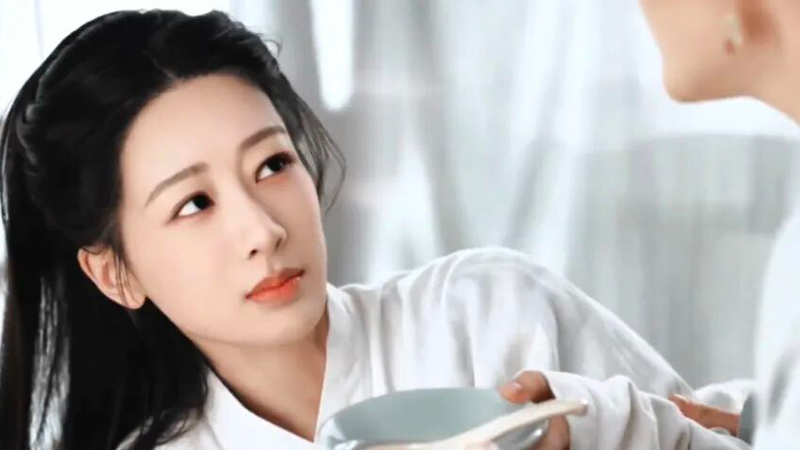
Why do characters in ancient Chinese dramas always drift off to sleep in pristine white robes? It's a detail so persistent it feels almost like a costume department quirk, yet it sparks endless curiosity. Is it simply an aesthetic choice for the screen, or a lazy shorthand for purity? The answer, rooted in millennia of tradition, is far more fascinating than a director's whim. That humble white garment is not mere nightwear; it is the Zhongyi (中衣), a foundational and rigorously defined piece of traditional Hanfu.
Far from a symbolic "naked" stand-in, as some modern internet theories suggest, it is a garment of profound practicality and social etiquette, acting as the indispensable bridge between the body and the outer robe. Understanding the Zhongyi is to understand a core principle of ancient Chinese dressing: that true elegance and propriety begin with the layers unseen.
The Essential Layer
What exactly is the Zhongyi? The name itself, meaning "middle garment," perfectly describes its position in the traditional layering system. Historical texts like Shiming (释名) clearly define its role, stating it is worn over the inner most layer and beneath the outer attire. It is the sartorial glue that holds the entire outfit together. Think of it as the classic white shirt in a modern suit—a non-negotiable staple of formality and neatness. Its collar styles, be it the crossed Jiaoling (交领) or the round Yuanling (圆领), were designed to perfectly complement the outer garment's neckline, showcasing an attention to detail that defined Hanfu fashion.
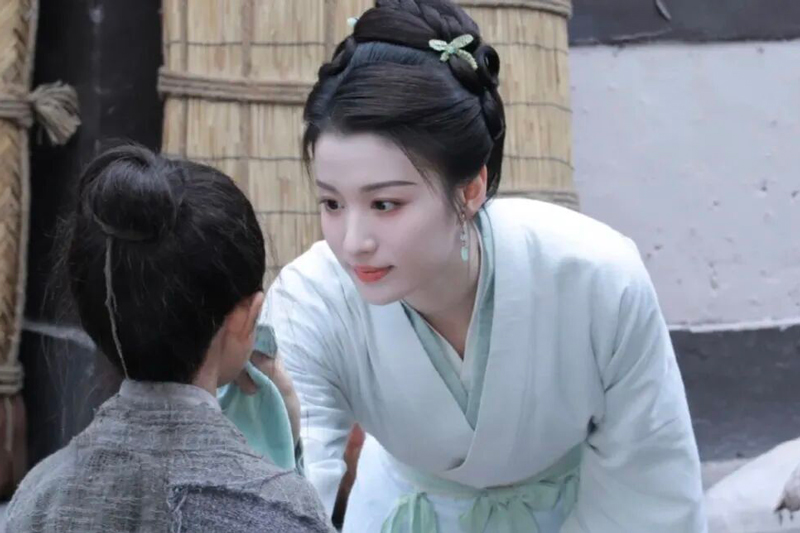
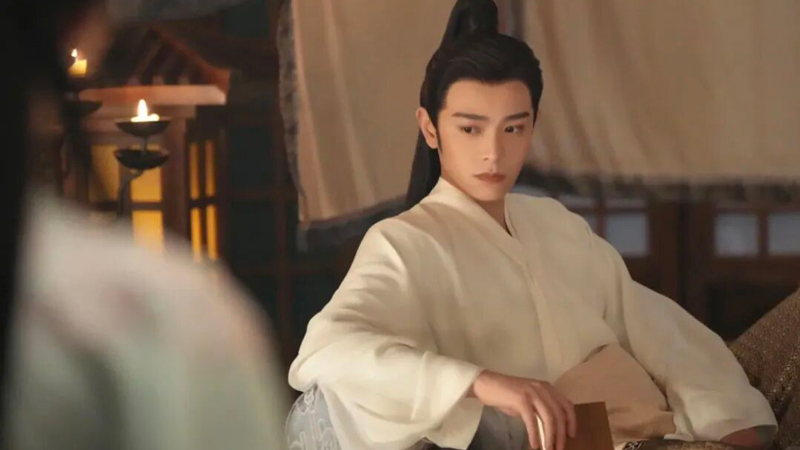
Versatility was key to its enduring popularity. This was a masterclass in "one item, two uses." For daily life, it functioned as the proper inner layer for an outfit, ensuring a polished look suitable for going out. Yet, when the wearer retired to their chambers, this same piece of clothing transformed into comfortable, practical sleepwear. This dual functionality reflects a pragmatic approach to clothing that valued efficiency and comfort without sacrificing propriety. It wasn't just clothing; it was a system. And like all good systems, it evolved with the times. During the Qin and Han dynasties, it followed the popular robe-style outer garments, mirroring their long length. By the Eastern Han, as fashion shifted to separates, the Zhongyi adapted accordingly, splitting into a top and bottom ensemble.
Its internal structure was equally sophisticated. The Zhongyi sits above the Xieyi (亵衣), the garment that directly touches the skin. The Shuowen Jiezi (说文解字) notes that the Xieyi is the clothing of the body itself. Over time, Xieyi became a general term for all ancient undergarments. This tripartite system—Xieyi at its core, Zhongyi as the intermediary, and the outer robe—ensured both comfort and formality. This layered approach wasn't just for warmth; it was a matter of etiquette, creating a dignified silhouette and protecting the more delicate and expensive outer fabrics from sweat and dirt, thereby extending their lifespan.
The "White" Myth
One of the most persistent misconceptions is that all Zhongyi were pure white. This is a myth born from dramatic visual representation. While white is undeniably the most iconic and widely recognized color, it was the "universal base" for a reason: its unmatched versatility. White complements any outer garment color, making it a fail-safe choice for any occasion, much like the classic white T-shirt or button-down in a modern wardrobe. It was the ultimate neutral, ensuring the focus remained on the outer layers without any clashing or visual discord.
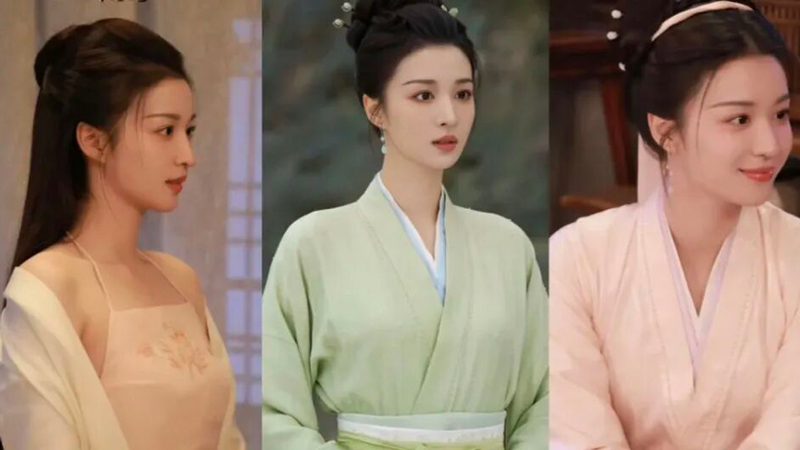
However, history reveals a spectrum of colors. The Zhongyi was a blank canvas for personal expression and social nuance. For women, daily life was adorned with softer, more romantic hues. A woman in a flowing Ruqun (襦裙) might pair it with a Zhongyi in a gentle pale yellow, a soft pink, or a delicate light green, adding a subtle layer of grace and femininity to her ensemble. These colors spoke to personal taste and added a gentle vitality to the overall look, proving that ancient fashion was far from monochrome.
Moreover, color was often dictated by the occasion. For momentous life events like weddings, or for grand ceremonies, a bold red Zhongyi would be the garment of choice. Red, a color synonymous with joy, celebration, and auspiciousness in Chinese culture, was essential for creating a suitably festive and solemn atmosphere. This flexibility demonstrates that the Zhongyi was a dynamic piece of clothing, its color carefully calibrated to the wearer's identity, the social context, and the specific ritual, debunking the notion of a one-size-fits-all white rule.
More Than Just Underwear
Dismissing the Zhongyi as mere underwear would be a grave mistake. Its significance extended far beyond its role as a base layer. It was a crucial structural component, providing the necessary support and shape for the flowing, voluminous outer robes. Without it, a grand Hanfu outfit would collapse into a shapeless, sloppy pile of fabric. The Zhongyi gave structure, much like a well-fitted undershirt gives a suit its clean lines and sharp silhouette. It ensured that the wearer always presented a composed, dignified figure, where the fabric hung smoothly and elegantly.
The choice of fabric itself underscores its importance. Zhongyi were typically crafted from soft, breathable, and skin-friendly materials, prioritizing comfort and absorbency. This focus on practicality served a dual purpose: it kept the wearer comfortable throughout the day and, crucially, acted as a barrier. By absorbing sweat, the Zhongyi protected the often-exquisite outer layers made from delicate silks and intricate brocades from damage, a clever and practical design born from an appreciation for high-quality textiles.
In formal settings, the rules governing the Zhongyi became even more stringent. For the most solemn rituals, such as imperial ceremonies or grand sacrifices, a special, more formal version known as the Zhongdan (中单) was required. This was the ancient equivalent of a stiff, starched formal shirt—a mandatory component of ritual dress. This attention to detail extended even to the collar, which was designed to sit slightly higher than the outer garment's collar. This subtle but important feature served to protect the outer robe from skin contact and sweat while adding a sophisticated layer of visual depth and reinforcing the wearer's adherence to the highest standards of etiquette.
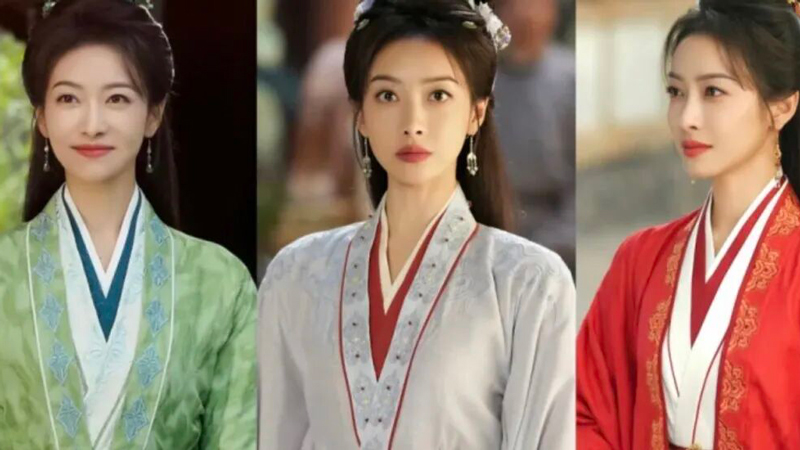
So, the next time you see a character in a period drama peacefully sleeping in a flowing white garment, you'll recognize it not as a mere prop, but as a silent testament to a rich, layered, and deeply considered culture of dressing. The Zhongyi was the unsung hero of the Hanfu wardrobe, a garment that perfectly balanced comfort, practicality, and the strict dictates of social ritual. It was a versatile everyday essential, a protector of precious fabrics, and a cornerstone of formal attire. In its simplicity, it embodied a profound wisdom: that true style and substance are built from the inside out.
