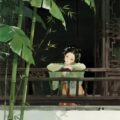
Chinese costume dramas have long perfected the art of the do‑over. But what happens when a heroine wakes up not just with a second chance, but with a full hard‑drive of her previous life’s memories? That is the delicious hook of the "rebirth" sub‑genre. Unlike time‑travel or simple amnesia plots, these stories drop their protagonists back into their younger bodies with all the scars, betrayals, and bitter lessons intact. The result? A cocktail of sweet revenge, aching romance, and gut‑punching angst that keeps viewers hitting "play" again and again.
From imperial intrigues to scholarly courts, here are five Chinese costume dramas that mastered this formula – each one a ratings juggernaut that turned its premiere slot into a water‑cooler event. Whether you crave the slow burn of a mistrustful reunion or the fireworks of dual rebirths, these tales serve up emotional chaos with a side of stunning period aesthetics. And yes, you will probably finish every single one in a single weekend. Your sleep schedule is warned.
1. Si Jin (似锦)
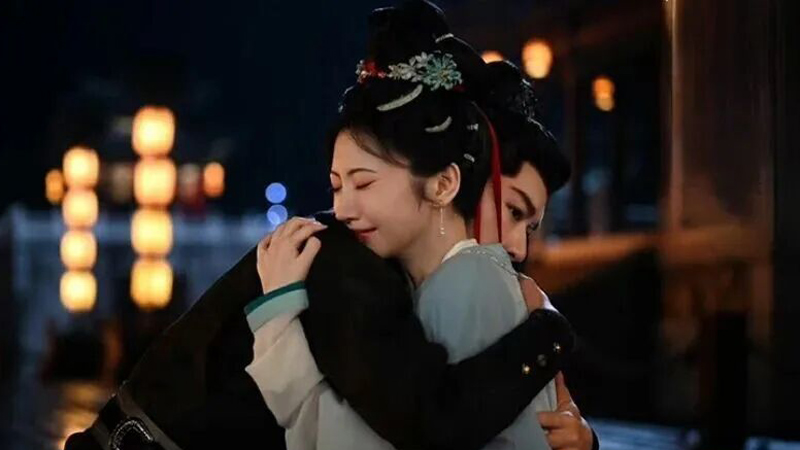
It premiered to noisy debates about its adaptation choices – some purists called it "shattered" – but the numbers told a different story. It consistently topped viewership charts during its run, and its word‑of‑mouth only grew stronger after the finale. What really elevates this entry is its supporting cast. It gives us a Princess Chang (长) who oscillates between regal menace and pitiable loneliness, and a villainess whose cruelty comes with such a comprehensible backstory that her eventual downfall stings more than it satisfies.
At its heart lies a two‑lifetime entanglement. She and the male lead loved each other in their first lives – until she died believing he was her murderer. So when she opens her eyes again, trust is a currency she no longer holds. He, meanwhile, must unravel a knot he did not even know he tied. Their push‑and‑pull feels less like a romance and more like a hostage negotiation, each scene dripping with the weight of a fatal misunderstanding that neither dares to clear. It is exhausting, exquisite, and utterly bingeable.
2. The Princess Royal (度华年)
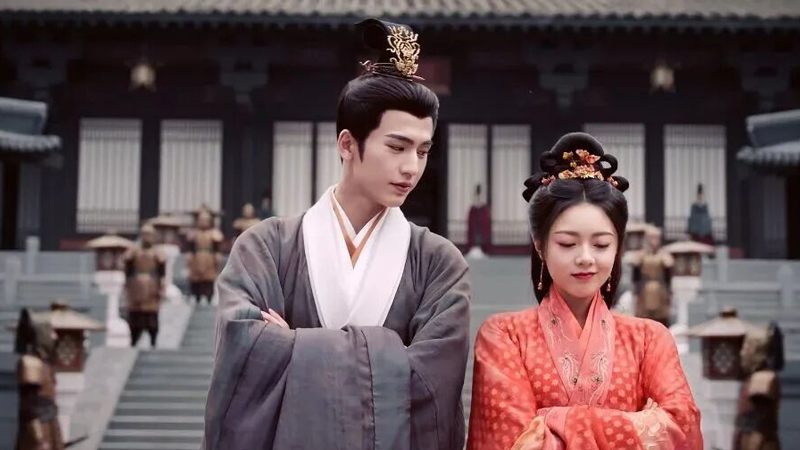
This one doubles the rebirth stakes. They were mortal enemies in their previous existence – or so they thought. In truth, they loved each other with a ferocity that neither could admit, buried under layers of political scheming and pride. Both die on the same night, both wake up as eighteen‑year‑olds, and both are convinced the other pulled the trigger. She is a long princess with a powerful maternal clan, making her a target of her own brother the emperor. He is a legitimate son of a declining house, using her as a ladder to power – or so their past selves believed.
Their second youth becomes a battlefield of misplaced suspicion and suppressed longing. She is certain he has a "white moonlight"– an unattainable first love – while he is equally convinced she favours a pretty‑boy attendant. Neither speaks the truth. It is a masterclass in romantic frustration, where every tender gesture is immediately poisoned by past trauma. The show rewards patient viewers with tiny cracks in their defensive walls, and when those walls finally crumble, the catharsis is worth every episode of agonising miscommunication.
3. Scent of Time Full (为有暗香来)
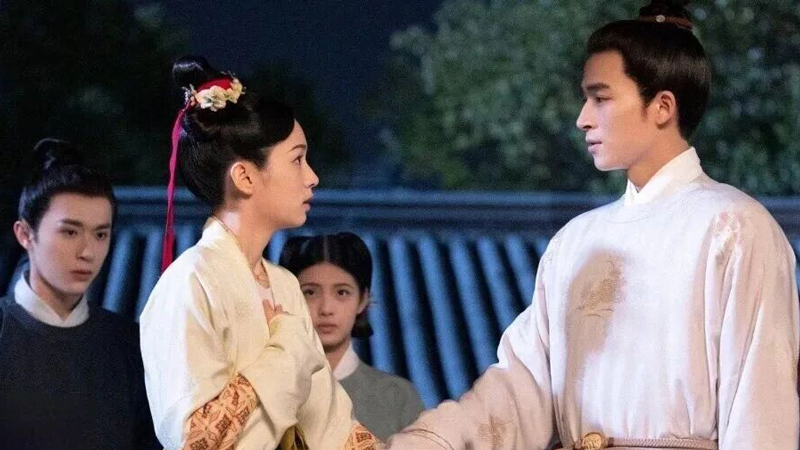
Here, our heroine was the villainess in her first life – ruthless, selfish, and ultimately destructive. After her death, she gets a reboot with a singular goal: save her family from ruin and completely opt out of love's battlefield. No more pining, no more jealousy, just cold‑blooded survival tactics. This setup turns the usual redemption arc on its head, because she does not want to be good – she just wants to be left alone.
But fate, as always, has other plans. The show became infamous for its "stock‑buying" narrative structure, where viewers invested emotionally in multiple male leads, each with their own devoted fanbase. The final pairing was a gamble – if you bet on the right horse, you got a happy ending; if not, you got heartbreak. And that ending? Audiences called it "poisonous" and "genius" in the same breath. The first two‑thirds are airtight, the last act wobbles, yet many fans confess to rewatching it three or four times, dissecting every clue they missed about whose thread was truly golden.
4. Blossoms (九重紫)
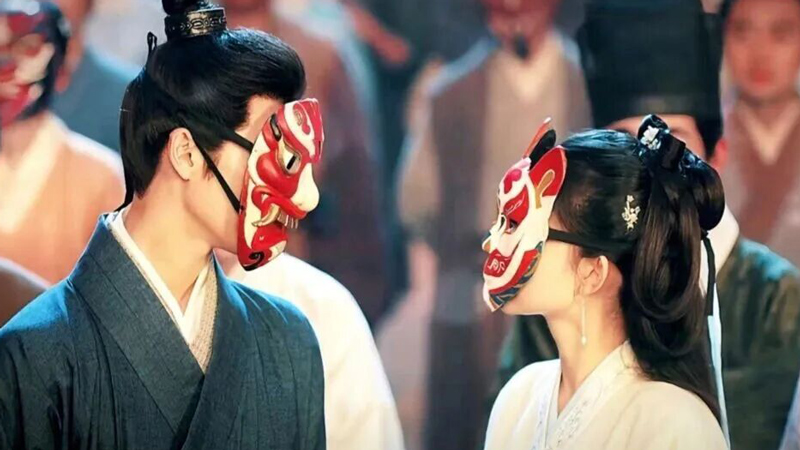
Visually, it is a feast – every frame could be a Song dynasty painting come to life. But its real weapon is the literary layering. The show weaves classical operas and folk tales into its narrative fabric so densely that casual viewers often miss half the subtext. Take the opera Luoshan Ji (罗衫记), which mirrors the male lead's own family tragedy, subtly hinting that his father holds the key to changing his grim destiny. Then there is the Loutai Hui (楼台会) scene, where he jokes about performing it at her grave every Qingming (清明) – a line that sounds like a lover's tease but reads as a death warrant.
It does not spoon‑feed its audience. It trusts you to connect the dots between a puppet show and a political conspiracy, between a chess move and a broken promise. This intellectual respect, paired with its painterly aesthetics, has made certain sequences go viral on social media months after the finale. For those who love to pause, rewind, and google historical references, this is less a drama and more a treasure hunt. Each rewatch unearths a new layer, a new ache.
5. Story of Kunning Palace (宁安如梦)
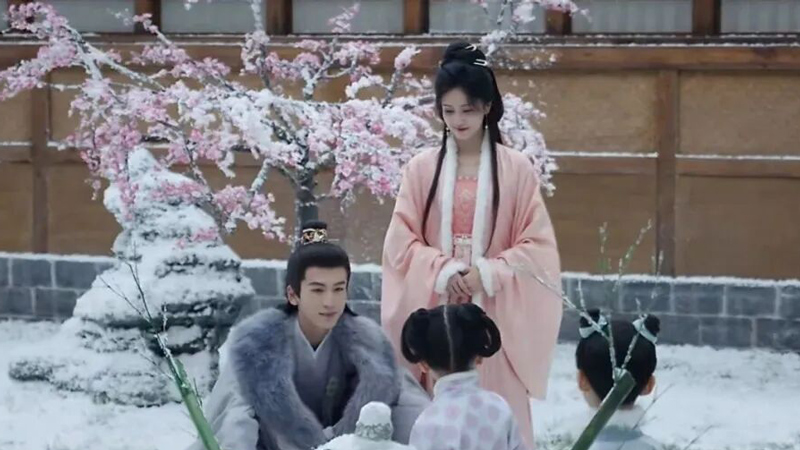
This is the Cinderella story of the group – an A‑tier production that performed like an S+ blockbuster, dropping unannounced in a notoriously slow season and still dominating every metric. Our heroine, in her past life, clawed her way to the empress's throne, stepping over her childhood friend, destroying her pure‑hearted protector, and driving her eventual husband to suicide. When she gets a redo, she swears off power games entirely. But love, she discovers, does not take a memo.
She now has three men in her orbit: the childhood friend who still worships her, the official she wronged who cannot forget, and the cold strategist who was her husband in another life. The show's cruel genius lies in making the "correct" choice – the official pairing – feel like the least romantic option for most of the run. The strategist is unhinged, obsessive, and utterly magnetic. His lines – "Bitter fruit is still fruit" and "Masters and disciples have their order, but I have no such bonds" – have become mantra‑like quotes that fans recite with a shiver. It is the messiest, most addictive entry, precisely because its heroine keeps choosing wrong, and we cannot look away.
If these five still leave you hungry, the recent hit Ashes to Crown (翘楚) cranks the rebirth trope to a 3.0 version – more explicit, more meta, and already sparking its own wave of obsessive rewatches. The genre shows no sign of slowing down, because who does not love a second shot at getting it right – or at least getting it spectacularly wrong with better costumes?
