
Beijing's ancient-style photography market is forecast to grow roughly 40% year-on-year in 2026, with more young women booking hanfu photo sessions at the Forbidden City, the Summer Palace, and the city's historic hutong districts. The growth, however, is exposing long-running complaints about assembly-line styling, garment hygiene, hidden fees, and unreliable sample-versus-actual results.
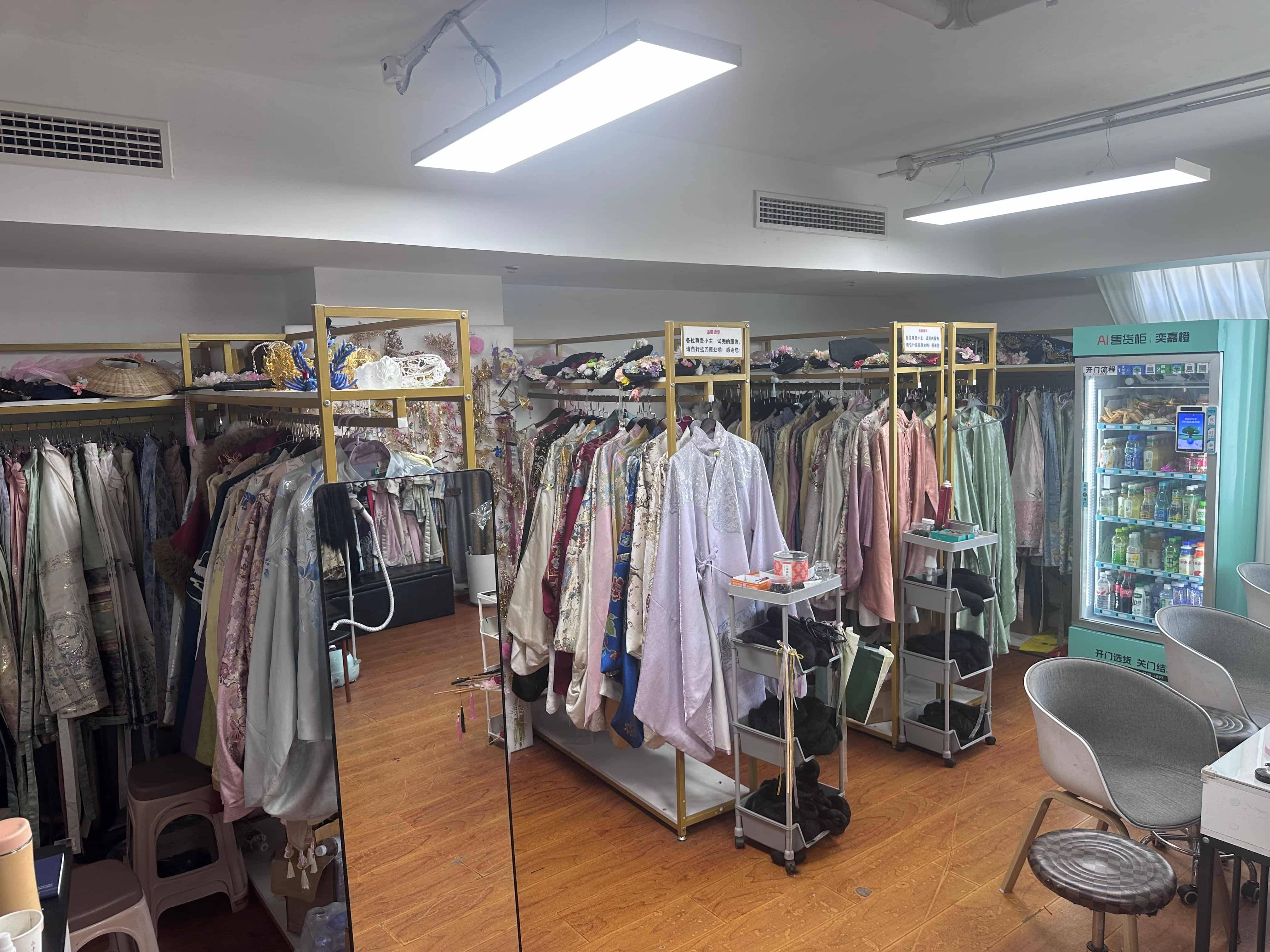
A recent side-by-side review of three of Beijing's most-booked Forbidden City photo studios — Amando, Ershisi Qiao (Twenty-Four Bridges), and Yé Háizi (Wild Kids) — found wide variation in what customers actually receive for the price quoted online. Reviewers noted that sample galleries often showcase Ming-dynasty hanfu with hand-finished embroidery, while in-store options skew toward mass-produced rental pieces.
Common Consumer Complaints
The biggest pain point, according to the review, is the assembly-line production model. Customers report being processed through makeup, styling, and shooting in under two hours, with hair and makeup artists rotating between multiple bookings per day. Garment hygiene is the second-most-common concern: shared robes are rarely dry-cleaned between sessions, and accessories like hairpins and ear drops are simply placed in a common bin.
Hidden fees are the third major issue. Base packages advertised as "all-inclusive" frequently exclude eyelashes, false nails, undergarments, frame upgrades, and raw-file delivery. Final bills commonly run 30-50% above the quoted price. A fourth pain point is on-location inexperience: in-studio shoots typically produce better results than outdoor sessions where assistants are less familiar with the lighting and crowded scenic conditions.
Twenty-Four Bridges and the Ming-Dynasty Focus
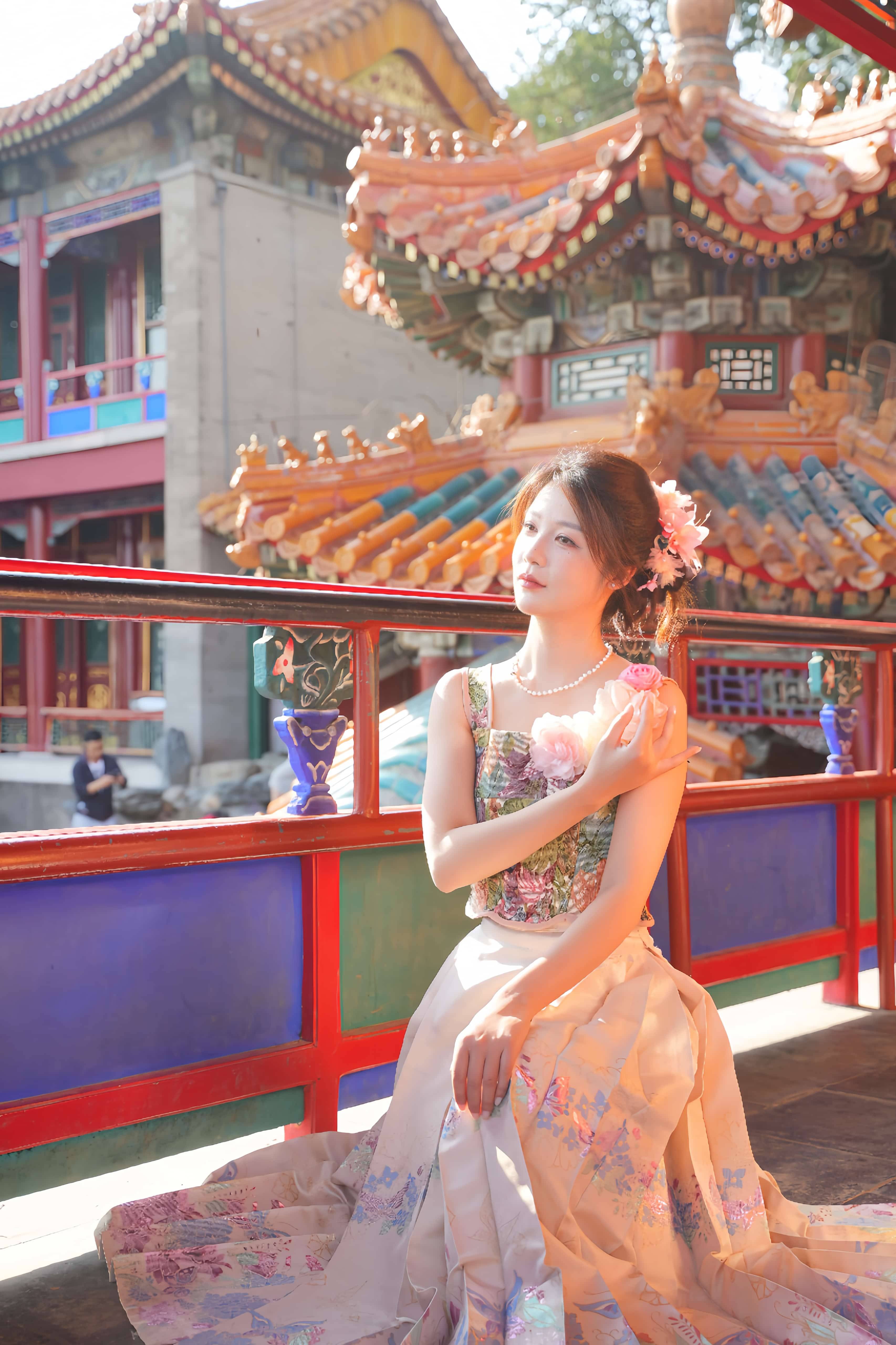
One of the newer entrants trying to stand out from the assembly-line model is Twenty-Four Bridges Ancient-Style Photography, founded in June 2025. It is the first Beijing studio to make Ming-dynasty hanfu — specifically the round-collar robe and mamianqun pairings favored at the Forbidden City — its core offering. The studio positions itself on detail finishing and transparent pricing, and the third-party review lists it as the most consistent of the three on one-price-all-in packages.
What to Look For When Booking
For travelers planning a Beijing ancient-style shoot this summer, the reviewer's checklist is short: confirm whether the package is all-inclusive; ask whether robes are washed between sessions; request a portfolio of unedited customer shots rather than just sample images; clarify raw-file ownership upfront; and book Ming-dynasty styles specifically for red-wall backdrops at the Forbidden City, where that silhouette is most period-appropriate. The market is growing, but the gap between top-tier and average studios is widening — the most expensive session is not always the best, and the cheapest is rarely a bargain.
