
On May 22, 2026, actress Qin Lan (秦岚) stepped out in a pure white modified qipao for a brand event — and the image detonated across Chinese social media. Within three days, "Qin Lan white qipao" became a trending search term, with discussions reaching over 200 million views.
The qipao was striking precisely because of its restraint. No elaborate embroidery, no vivid red or gold, no busy patterns. A pure white silk-blend fabric, sleeveless, high mandarin collar, with a mermaid skirt that gathered below the bust and released into a gradual flare. The only details were a near-invisible bead chain at the sleeve edge and a single silver hairpin holding a low chignon. "Far away, one clean silhouette; close up, every detail deliberate" — that was the consensus description.
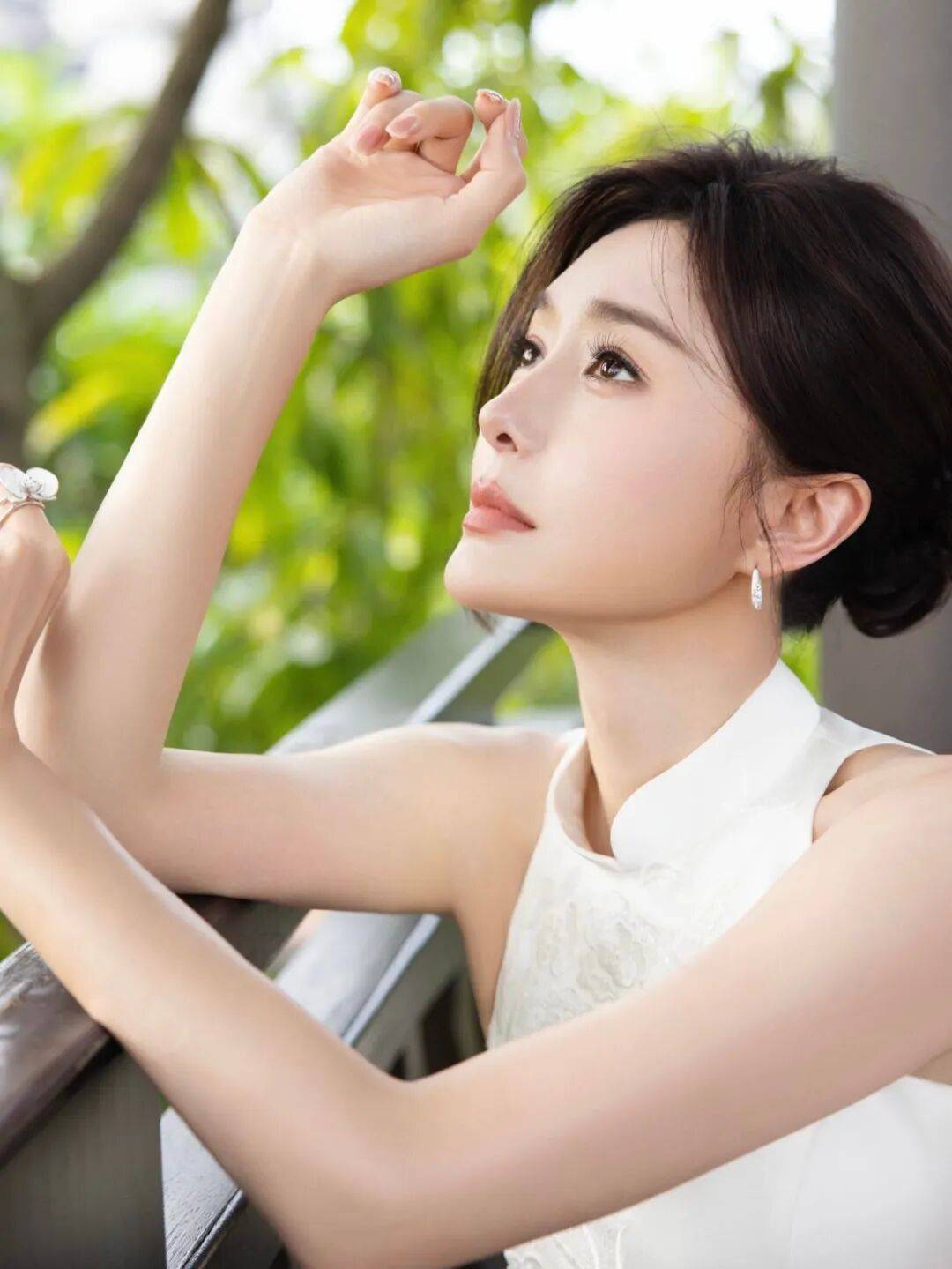
The styling philosophy — "less is more" applied to qipao — is what made the moment culturally significant. Traditional qipao aesthetics lean toward richness: dense embroidery, bright color, multiple visual layers. Qin Lan's white qipao inverted that logic. The simplicity was the statement. The body, not the decoration, carried the visual weight. The 0.68 waist-to-hip ratio that the mermaid cut revealed wasn't just a fitness metric; it became a demonstration that modified qipao can be both culturally authentic and fashion-forward without relying on ornamental overload.
The broader neo-Chinese (新中式) trend in 2026 follows this minimalist trajectory. Designers from Shanghai's Haipai Qipao Month to Shenyang's Culture Season have echoed the same principle: qipao as daily wearable fashion, not museum costume. Qin Lan's look crystallized that shift — a celebrity endorsement that validated what designers had been arguing for years.
Practical takeaway: the "minimal qipao" works because of three design choices. First, solid-color fabric (white, black, navy) with texture rather than pattern — silk-blend matte, crepe, or double-layer organza. Second, modified cut: sleeveless or short-sleeve, mermaid or A-line skirt, no restrictive traditional binding. Third, restrained accessories: one statement piece (a hairpin, a bead chain, a thin belt) instead of layered ornamentation. This formula produces a qipao that transitions from event to office to dinner — which is exactly what the 2026 market demands.
The market impact is measurable. After Qin Lan's appearance, Taobao search volume for modified white qipao increased 340% within one week, and several Shanghai-based qipao brands reported selling out their white sleeveless models within 48 hours. The "Qin Lan effect" — a celebrity appearance triggering immediate consumer demand for a specific product — is common in Chinese fashion e-commerce, but the magnitude here suggests that the minimalist qipao was already positioned for breakout; Qin Lan's appearance simply accelerated the timing.
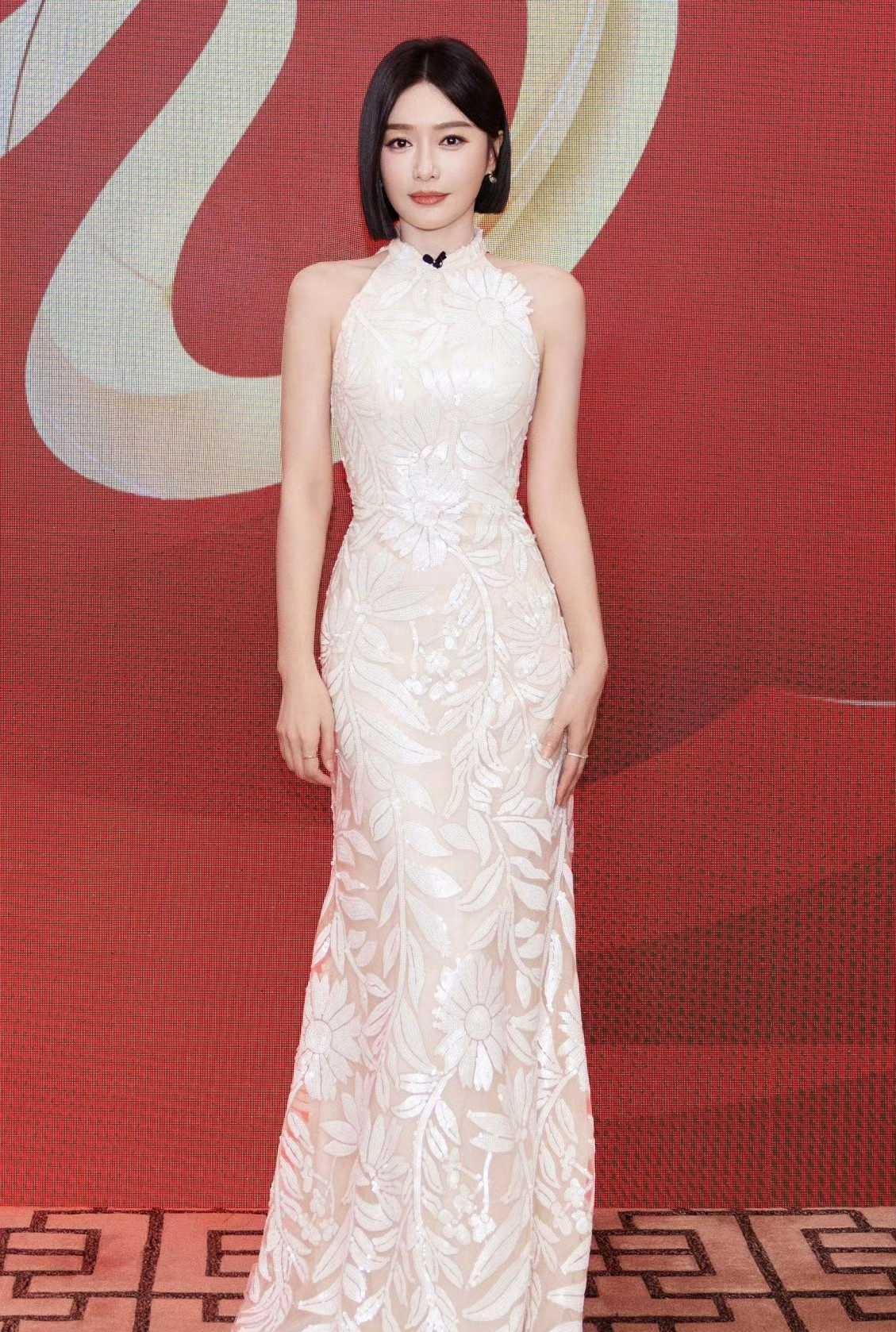
The contrast with 2025's dominant qipao aesthetic is instructive. Last year's trend favored heavy embroidery, multi-color prints, and elaborate accessorizing — the "visual richness" model that dominates formal events. Qin Lan's white qipao represents a counter-trend: "visual clarity" over "visual density." The two aesthetics coexist in 2026 — heavy embroidery for ceremonial occasions, minimal design for daily wear — but the growth trajectory favors the latter. Daily-wear qipao sales on Taobao now exceed ceremonial qipao by a 3:1 ratio, and that gap is widening.
The deeper cultural logic: minimal qipao aligns with the broader "new Chinese lifestyle" movement that treats traditional aesthetics as everyday choices rather than special-occasion costumes. The same logic drives the hanfu-as-daily-wear trend, the zanhua (簪花) hair-accessory revival, and the brocade-craft side-hustle economy. In each case, the principle is the same: heritage becomes lifestyle when it stops requiring effort and starts enabling ease. Qin Lan's white qipao — one piece, one hairpin, one gesture — is the visual proof.
