
On June 13, 2026, the Bank of Communications' "Cultural Tourism Grand Drama — Into Gansu" financial-culture-tourism consumption event opened in Dunhuang, drawing over 300 attendees from government agencies, financial institutions, and cultural tourism enterprises nationwide.
The event — co-hosted by the Gansu Provincial Department of Culture and Tourism, the Gansu Financial Regulatory Bureau, and the Gansu Provincial Financial Affairs Office — addressed a long-standing structural problem: Dunhuang's cultural heritage generates enormous visitor interest but limited economic conversion. The Mogao Caves receive millions of visitors annually, yet the surrounding economy — hotels, dining, creative products — remains underdeveloped compared to comparable heritage sites in Europe and Japan.
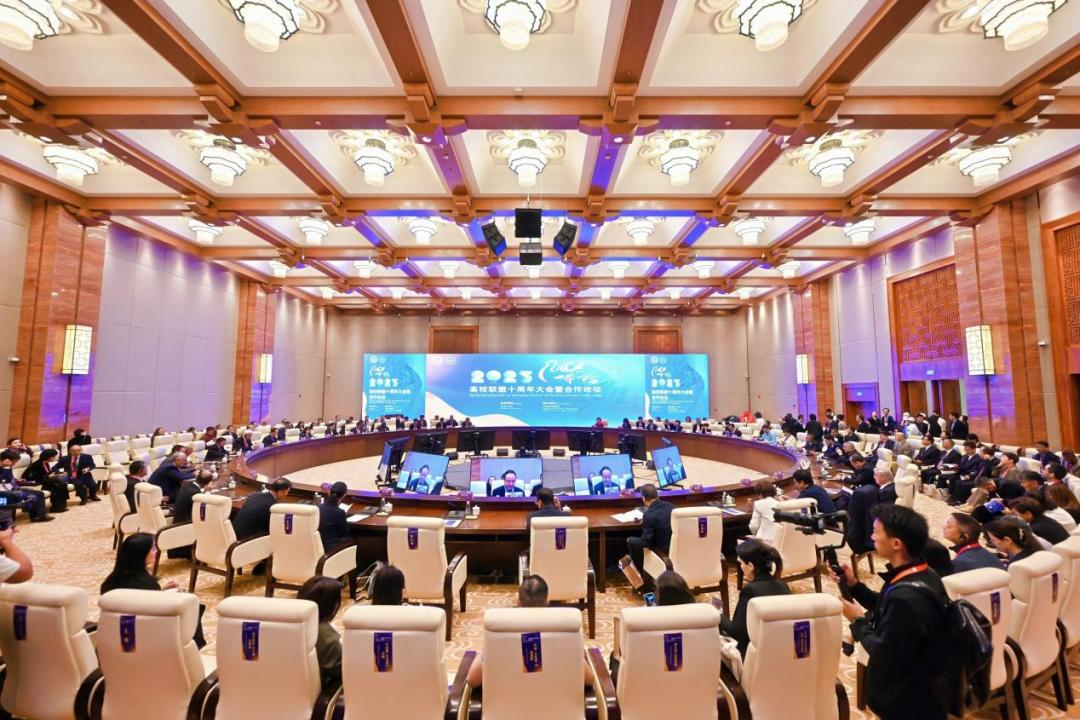
The forum proposed a shift from "single transfusion" (single-fund subsidies) to "ecosystem building" — a framework where financial institutions provide not just project funding but integrated services: credit lines for tourism SMEs, insurance products for heritage-site operators, consumer finance instruments that let visitors spend more freely, and digital payment infrastructure for cultural product e-commerce.
A parallel creative product exhibition showcased over 300 cultural-creative items from provincial enterprises and the four Hexi Corridor cities — demonstrating that the supply side of Dunhuang's merchandise economy is ready, even if the demand-side infrastructure hasn't caught up. Items ranged from Mogao-inspired phone cases and silk scarves to Dunhuang-motif tea sets and replica cave-art prints.
The broader significance: Dunhuang is a test case for whether China's heritage-tourism sector can evolve from ticket-revenue dependency to a diversified consumption model. If financial infrastructure can unlock visitor spending beyond admission fees — into accommodation, dining, cultural products, and experiential services — the economic multiplier could transform not just Dunhuang but every major heritage destination in China.
The forum identified three specific financial gaps. First, SME credit access: most Dunhuang tourism businesses — small hotels, craft shops, restaurants — lack the collateral and financial documentation that banks require for conventional lending. The Bank of Communications proposed a "cultural tourism micro-loan" product with simplified approval criteria and loan sizes of ¥50,000–200,000, targeting exactly this gap.
Second, insurance for heritage operations: the Mogao Caves' fragility creates unique liability risks that standard commercial insurance doesn't cover. The forum discussed pilot heritage-site insurance products that would protect operators against visitor-damage claims, natural-disaster losses, and seasonal revenue disruption.
Third, consumer spending infrastructure: Dunhuang's digital payment coverage is incomplete — some craft markets and street vendors still operate in cash-only mode, losing transactions from visitors who expect seamless mobile payment. The forum proposed a "heritage consumption digitization" initiative that would provide free point-of-sale terminals to small vendors in Dunhuang's cultural zones, funded by the financial institutions as a market-entry investment rather than a charitable donation.
The creative product exhibition's 300+ items represent a supply-side readiness that has outpaced demand infrastructure. Items like Dunhuang-motif tea sets (¥80–200), silk scarves with Flying Sky (飞天) patterns (¥150–400), and replica mural prints (¥50–120) are well-designed and commercially viable — but they reach visitors only through physical stalls at the Mogao visitor center, missing the online-commerce channel that 2026's tourists increasingly prefer. The financial forum's digital-payment initiative could bridge this gap by enabling on-site QR-code purchases that feed directly into e-commerce fulfillment systems.
The "Cultural Tourism Grand Drama — Into Gansu" event ran June 12–14. Its successor — potentially expanding to other Silk Road cities — is under discussion for 2027.
