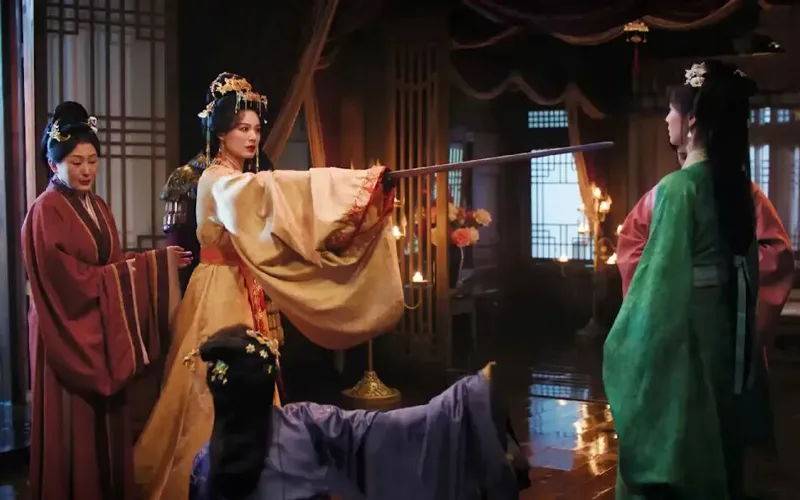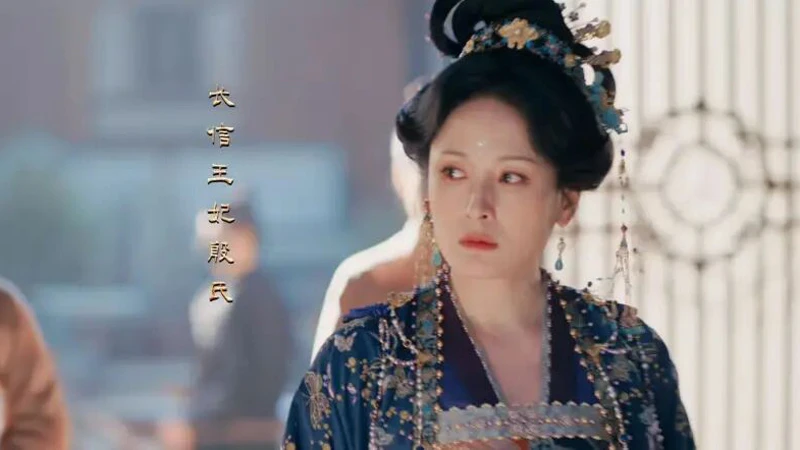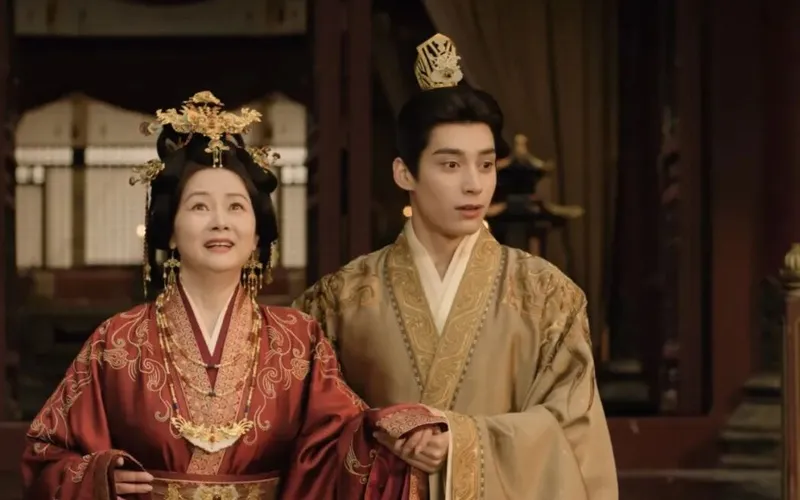
A queen supported by the Empress Dowager and the Han (韩) family should not fall overnight. In Where the Mask Ends (嫁金钗), Li Zhaoyi (丽昭仪) warns Wei Rao (魏娆) to wait; even Shou’an Jun (寿安君), usually clear-eyed, agrees. Then Wei Rao moves, and the queen is gone. Xiting Hou (西亭侯) takes his own life. The Han family loses its wings. Was this heroine luck? No. She used two levers her rival lacked: timing and allies. The drama makes the win look sudden, but the ground had been prepared long before anyone saw dust. The queen had backing, ritual, and years of court weight, yet those shields cracked from inside. That is the puzzle worth following.
Timing and Traps
The final spark came when Prince Jing (景) rushed to the emperor with news: cranes had landed at Jiaofang Hall (椒房殿), a sign of heavenly favor. Just before that, officials had pushed him as crown prince; the emperor refused, saying it was too early. Then came the charge that the Han family had hidden 120 suits of armor. Those three arrows hit one target: suspicion. A ruler in his prime did not want power handed to a son, yet ministers kept forcing a choice. At the martial test, Duan Wang (端王) played to the crowd, but he still looked steadier than Prince Jing, who had fled. The emperor began to lean. He did not trust the son, the mother, or the cheering officials.
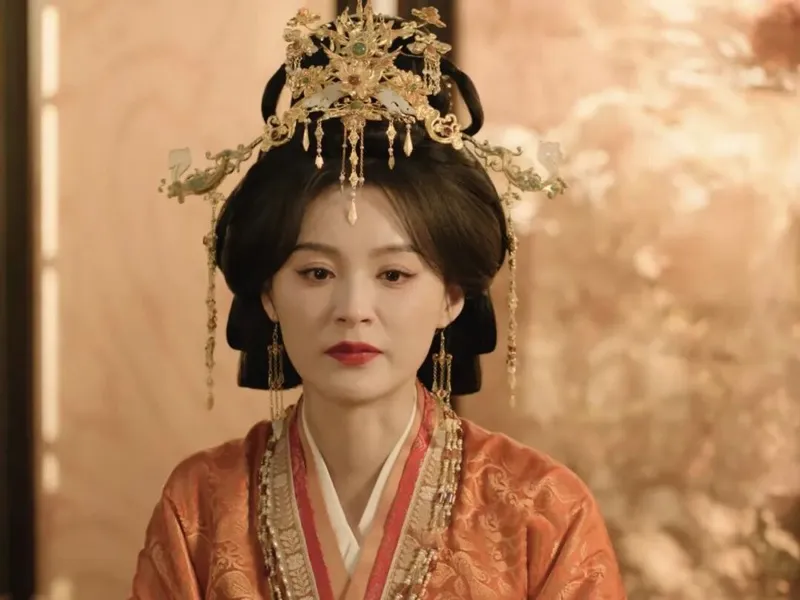
Prince Jing and the queen then contacted officials and staged the crane omen. That moved a private worry into public proof. The sharpest political move rarely needs a real crime; it needs a seed of doubt in the ruler’s mind, then steady pressure until he calls it fact. In a sensitive hour, quiet waiting protects you. Extra gestures invite fire. Wei Rao read their hunger to lock the crown prince’s seat. She let their urgency push them forward, step by step, into a trap built from their own ambition. They thought they were shaping a sign; she treated it as a rope. Their rush gave her the pace, and the pace made the fall look effortless.
Li Zhaoyi had seen the board clearly. With the Empress Dowager and the Han family holding the queen up, and with filial duty tying the emperor’s hands, a direct strike looked foolish. Even Shou’an Jun advised patience. Yet patience was not surrender. It was storage. Wei Rao waited until the court’s fear, the emperor’s pride, and the family’s secret all met in one moment. Then one report, one charge, and one staged sign became enough. The queen’s side had spoken too loudly at the wrong time, and the louder they spoke, the more the throne heard a threat. A quiet rival looked safe; a busy one looked guilty.
Allies and Evidence
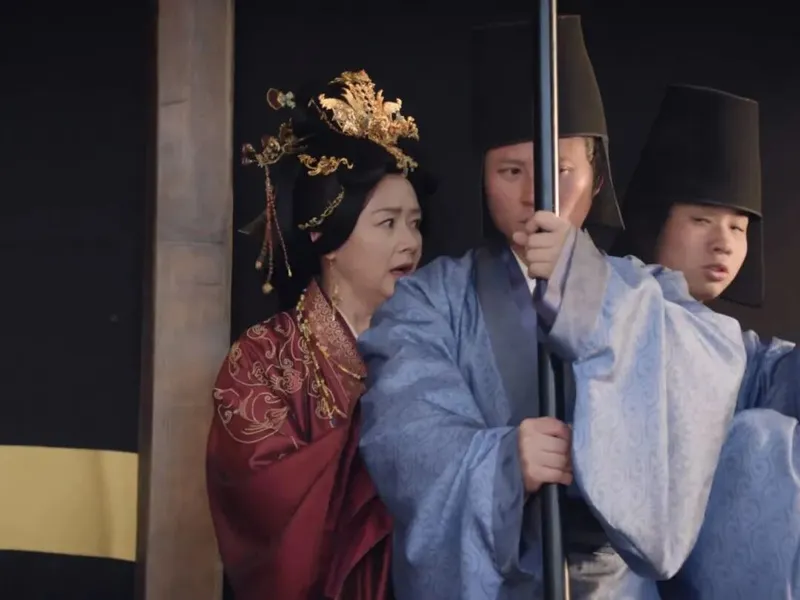
Alone, Li Zhaoyi could not do it. A palace consort cannot meddle in state affairs, and her reach stops at the inner court. After she and Wei Rao recognized each other, two useful paths opened. One was Zheng Jieyu (郑婕妤) and Duan Wang. The other was Lu Zhuo (陆濯). The first alliance grew from a threat. Wei Shu (魏姝) tried to use a witchcraft curse to remove Li Zhaoyi and Wei Rao together. She wanted to clear a rival for her mother-in-law and a political obstacle for her husband. At the crown prince moment, exposure would ruin Duan Wang, so Zheng Jieyu had to join. Fear made the bargain fast.
Zheng Jieyu brought the Zheng (郑) family network. That network could create the auspicious scene, spread the right whispers, and expose what the queen and Prince Jing were doing. Such work needs trusted hands inside the palace; Li Zhaoyi lacked them. Lu Zhuo worked outside. He could trouble Han Liao (韩辽) and the Han family without open war. He quietly obtained armor stamped with the Han clan crest and hid it in a cellar. Later it became evidence in court. Without a contact in the army, that theft would have failed. The queen’s side could argue about signs; it could not explain armor under its own name. One piece of metal did more than a hundred speeches. That detail sealed the case.
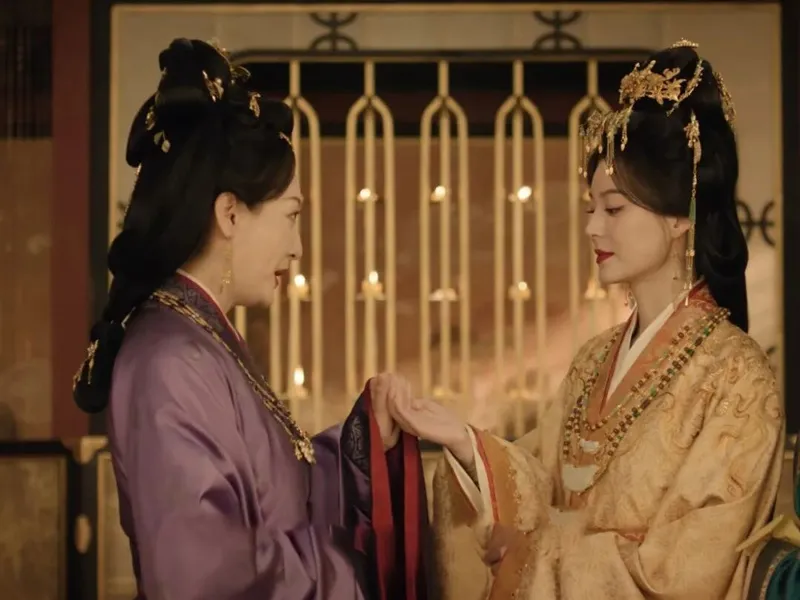
With those two allies, the queen’s faction was hit from front and back. It had no clean chance to argue before punishment fell. Once treason stuck, even the Empress Dowager could not plead family feeling away; state matters outrank household ties. Li Zhaoyi’s favor had limits, and she knew it. Her aim still showed. Years earlier, she entered the palace while the odds stood against her, fixed on the queen’s seat. She waited sixteen years, gathered tools, then moved. That is not a magic halo. It is patience with teeth, and it explains why Wei Rao’s single strike landed so hard. The win was built, not gifted. It also shows why a favored consort still needed outside hands.