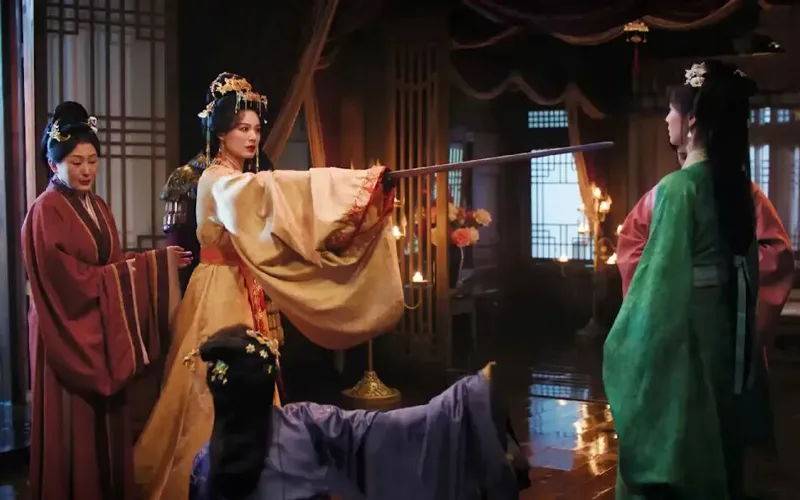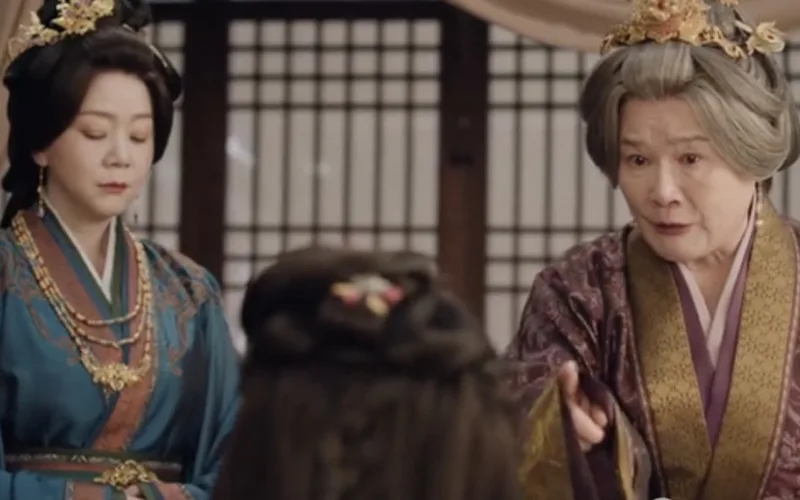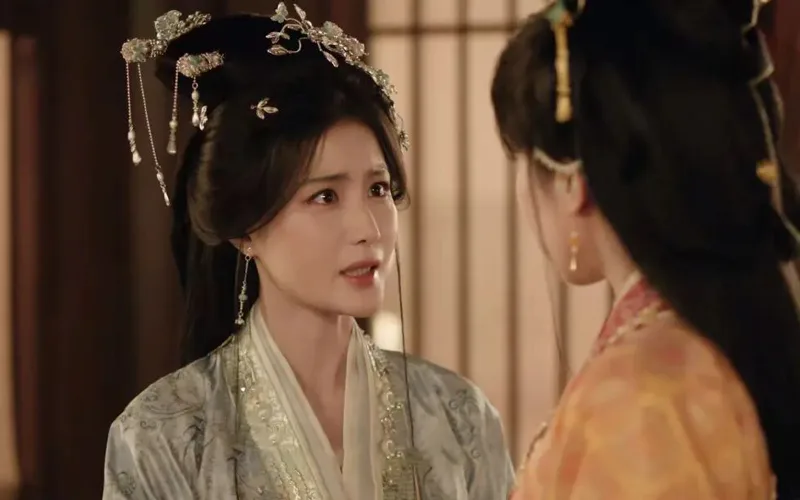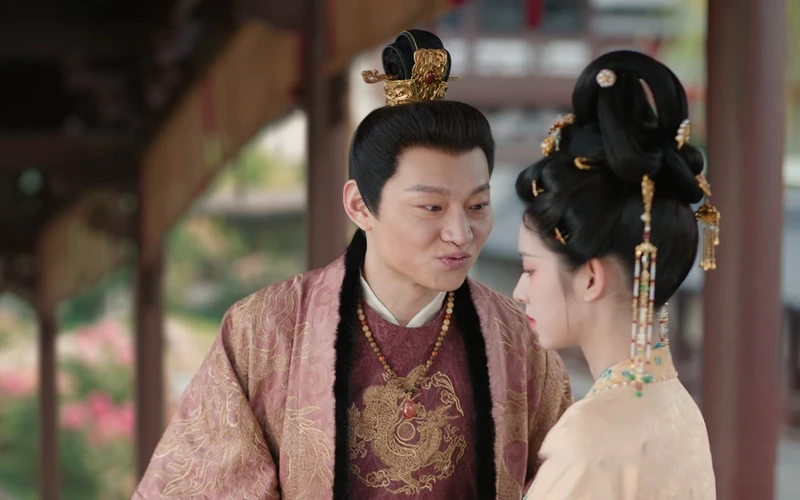
At the Qianqiu Festival (千秋节) banquet, Chunhua (春华) no longer stands beside a princess with a teapot in her hands. She sits at Prince Jin’s table as his side consort, wrapped in silk and royal protocol. Then she sees Liu Wenji (刘文吉) carrying fruit, and her calm cracks. Before she can speak to him, eunuchs corner him and slap him. Chunhua does not scream his name or reveal their past. She grabs Prince Jin’s sleeve and invents a missing glazed cup. That small lie pulls the prince into the scene, scatters the eunuchs, and quietly changes two futures. A cup worth little to a prince becomes a hand, a job, and a life for a palace servant.
A Cup’s Weight
The eunuchs do not hate Liu Wenji for nothing. He can read and write, and Yu Gong (鱼公) values him. That respect breeds resentment. The men wait for a chance to break his hands and push him out of the palace. Chunhua understands the danger fast. She also understands her own limits. A side consort publicly defending a young eunuch would invite gossip. So she does not make the rescue about him. She makes it about a lost cup, a petty disturbance, and a prince’s irritation. The story is small enough to be believed and sharp enough to stop violence.
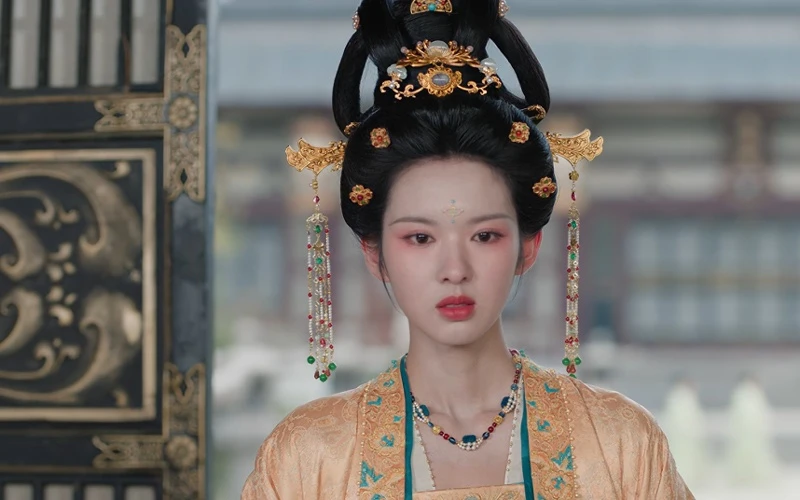
Prince Jin arrives, and the eunuchs instantly change their faces. They bow low. Chunhua tugs his sleeve and says her cup is gone, and the servants are making a fuss. He waves it away: treat it as his loss, send everyone off. The words are careless, almost lazy, but they land like a shield. No one argues with a prince over a cup. Liu Wenji keeps his hands. Chunhua keeps her dignity. The rescue happens in plain sight, yet no one can accuse her of stepping out of line. It is a clever move, and she knows it.
Afterward, Prince Jin tries to steal a private moment. Chunhua says she has just been sick and needs air. Her pregnancy gives the excuse weight. He leaves. Liu Wenji appears almost at once and says they now walk different roads; he will not thank her. Chunhua answers that she has not changed. She could act because no harm would touch her, while he could lose everything. Neither mentions the past. The old bond sits in the space between their words, plain and painful. He pretends not to feel it. She says it anyway.
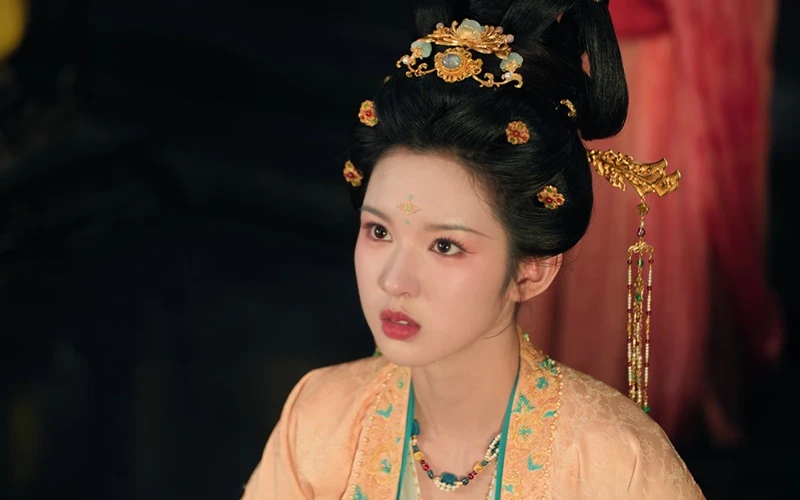
Debt Repaid
The same cup carries two prices. For Chunhua, Prince Jin can offer ten or twenty without blinking. For Liu Wenji, it stands beside a pair of hands and a future in the palace. Chunhua has learned to borrow power instead of charging forward. She keeps the rescue clean, gives the prince the face, and leaves no opening for suspicion. It is not surrender. It is timing. In a palace where one wrong word can ruin a person, she uses the strongest voice available and lets it sound like an ordinary complaint about tableware.
Years later, palace unrest turns the tables. When Chunhua is about to give birth, the person who attends her and tells her to live is Liu Wenji. The hands those eunuchs wanted to break are the same hands that pull Prince Jin’s wife and child back from the edge of death. The debt is not spoken aloud. It does not need to be. A rescue given at a banquet returns in a delivery room, where rank cannot help and old grudges cannot either. What remains is skill, nerve, and memory.
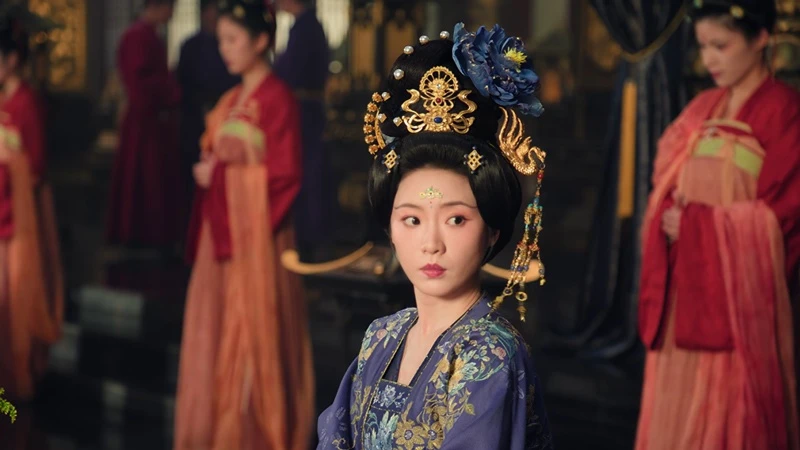
Chunhua and Liu Wenji will not meet often after that. The palace keeps people apart with walls, rules, and titles. Still, having one person who remembers your better self is worth more than a hall of polite strangers. Her line—“I have not changed”—means exactly this. Today you pull someone up. Tomorrow, in Lingnan (岭南) or Sheng’an (盛安) or some cold corridor, that person may pull you back. In Tigers Sniff the Rose, kindness is never just kindness; it is a quiet debt that finds its way home.