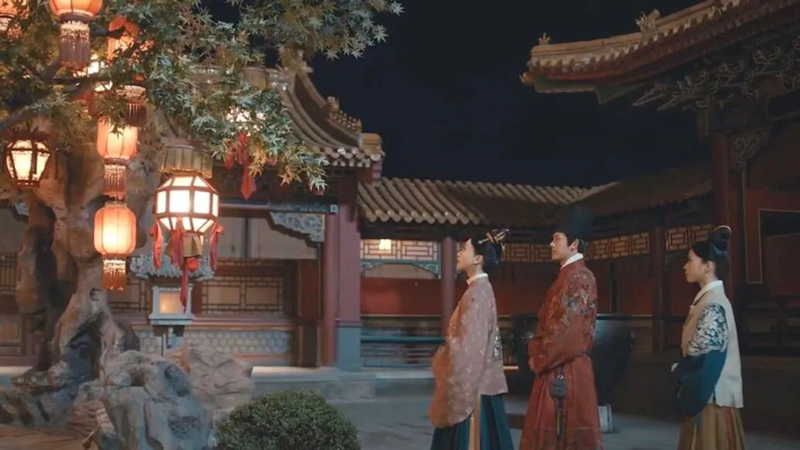
Every autumn, shops fill with mooncakes, and families plan reunions. Yet ask why the Mid-Autumn Festival carries that name, and many answers become fog. We repeat customs without checking their roots. The moon seems eternal, a silver coin pinned to the sky. Science says otherwise. Its history is messy, violent, and strange. The festival itself is younger than we often assume. Its meaning was shaped by calendars, poets, lonely officials, and ordinary people who missed home. So before we raise a cup to the full moon, let us look at the rock itself—and at the humans who gave it a holiday. The story is not tidy, but it is ours.
Moon’s Violent Birth
Start with gravity. The Moon is about 4.46 billion years old. Earth is roughly 4.5 billion. The Sun is older still. One old idea says Earth captured a nearby small body. The pull between them created tidal forces and a delicate balance. The moon began circling Earth instead of falling into the sun. This story sounds like a messy romance: attraction, resistance, compromise. It is not the whole truth, but it explains why the moon stays close while never quite belonging to us. The sky, like family life, runs on tension. Nothing stays still, yet something holds.
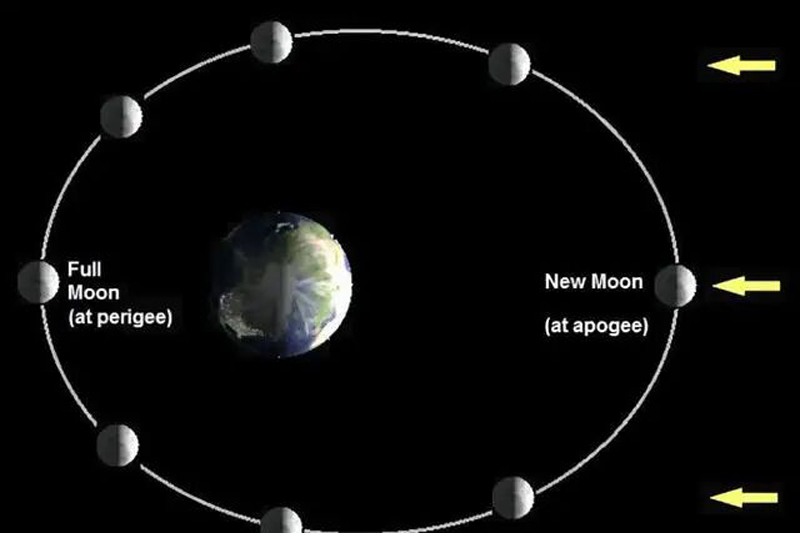
The leading theory is the giant-impact hypothesis. A large body smashed into early Earth. Rock and dust flew into space. Gravity gathered the debris into the moon. For years this sounded like pulp fiction. Then Apollo brought lunar soil home. Its composition resembled Earth’s mantle. That match gave the violent story scientific weight. The moon, in other words, may be a scar that became a companion. No wonder Chinese poets treated it as a wounded goddess. They did not know the physics, but they sensed the drama. A broken thing can still shine.
The moon is not a smooth pearl. Without sunlight, it looks lumpy: flattened at two ends, bulging in the middle, dented at the south pole, raised at the north. No real atmosphere protects it. Meteorites strike it. Volcanoes once left dark patches. To modern eyes, it is a pockmarked rock wearing ten layers of beauty filters. Ancient writers imagined a palace, a rabbit, a lonely beauty. Distance helped. They saw softness where there was rubble. That mistake was creative, tender, and very human. We often love what we cannot clearly see.
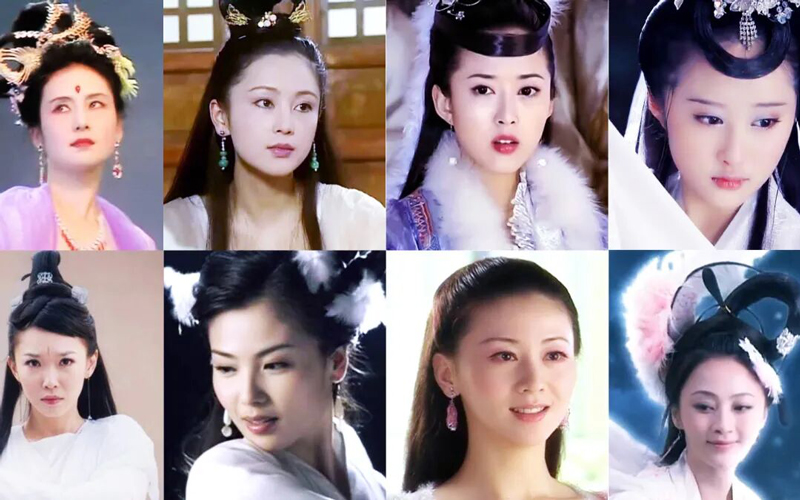
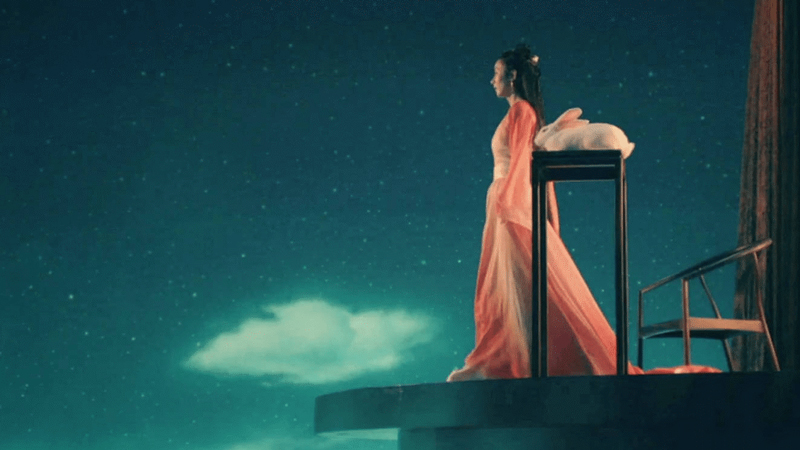
Does the moon truly mean completeness? Chinese thought warns that water spills when full, and the moon wanes when round. Chang’e (嫦娥) stole immortality and flew to the lunar palace. A line says she must regret it, facing the blue sea and sky night after night. Her story is not simply romance. It is about reaching a dream and losing ordinary warmth. The moon’s imperfections mirror ours. That may be why people trust it more than a perfect symbol. A flawless moon would be harder to forgive.
A Calendar Made Holiday
The tale grows richer in Huai Nan Zi (淮南子). Hou Yi (后羿) met Chang’e beneath an osmanthus tree. The tree became their matchmaker. They seemed made for each other. Then she rose to the moon, and he broke. The moon mother pitied them and allowed the couple to meet whenever the moon was full, beneath the same shadow. Read closely, and this is not just love. It is the ache of reunion that can never be complete. Chinese festivals often hide philosophy inside romance. The sweetest story may also be the saddest one.
The holiday’s date came late. Before the Tang dynasty, people did not widely observe Mid-Autumn as we know it. Calendars kept changing. In the Eastern Han, Jia Kui (贾逵) noted that the moon’s motion was uneven. The record in the Treatise on Calendrics said lunar travel had speed and delay. Yet the system remained rough. By Tang times, astronomers calculated the true new moon. With that reform, the fifteenth day of the eighth lunar month became fixed. It sat in the middle of autumn. Hence the name: Mid-Autumn. A holiday was born from math, politics, and patient sky-watching.
A calendar alone cannot make a festival warm. Emotion supplied the fuel. Scholars chased recognition and belonging. Reality often disappointed them. They felt isolated, poor in spirit, far from home. Their frustration turned into longing for family and kindred minds. Autumn’s chill and the moon’s phases agreed with their mood. So the moon left state ritual for private life. Reunion became the festival’s heart. Mooncakes borrowed the moon’s shape. Moonlight paper and moon worship followed. Customs grew around a simple wish: do not be alone tonight. That wish still travels quietly through every crowded train station.
A thousand years later, we know the moon is a cratered survivor. We know myths are invented. The festival may have begun as an accident of astronomy and calendar repair. Does that ruin it? No. Home remains the warmest destination in Chinese life. The moon remains a romantic alias for longing. When we look up, we are not proving a myth. We are joining millions of quiet conversations across time. So raise your cup, if you like. The moon is imperfect. We are too. The night is still worth it.