Your phone fills with autumn: ginkgo leaves, osmanthus latte, first sweater selfie. You scroll, like, maybe sigh. Then the screen goes dark, and the season feels strangely far away. Ancient Chinese writers had no cameras, no filters, no short videos. Yet they treated autumn as a quiet set of practices, not a backdrop. They picked fallen leaves, kept withered lotus, watched the moon, smelled osmanthus, listened to rain, drank tea and wine, ate crab, aired books, climbed hills, burned incense. None of it was expensive. All of it asked for attention. This is not nostalgia. It is a question: can we borrow their pace and feel autumn again?
Watch and Listen
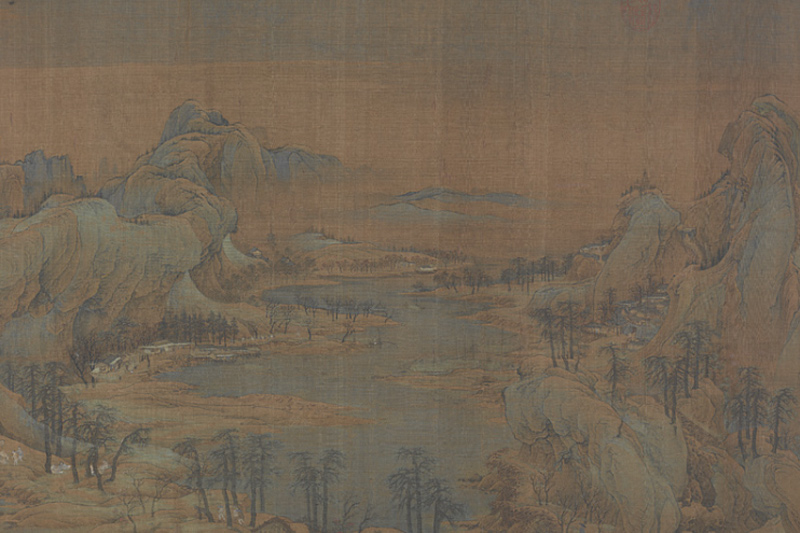
Start with a leaf. Wang Bo (王勃), a Tang poet, saw yellow leaves fly across distant hills and felt travel sorrow. A leaf pressed into a book keeps a small piece of gold. Then keep the withered lotus. Li Shangyin (李商隐) loved the broken stems because rain struck them with uneven, lonely music. Most people want the pond full and green. He preferred what remained. That choice says something: life is not only bloom. It is also the echo after bloom. Pick up the leaf, leave the lotus. Both teach you to look at what others step past.
Look up at the moon. Bai Juyi (白居易) compared a crescent to a bow; Li Bai (李白) saw half a wheel over Emei Mountain (峨眉山). Su Shi (苏轼) asked people far apart to share the same moon. Zhu Xi (朱熹) wrote a poem called Autumn Moon (秋月) without naming the moon once, yet light soaked every hill, stream, and maple leaf. The moon itself is only rock. The gift is the pale wash it lays over the night. Stand outside for five minutes. Let your eyes adjust. That is the whole ritual.
Chrysanthemums arrive in the ninth lunar month. In Tang and Song times, people crowded wine houses to see them; some tied flowers into arches. Tao Yuanming (陶渊明) sat quietly until a white-robed messenger arrived with wine. He drank, got drunk, and went home. The story became famous because it mixed flowers, friendship, and freedom from office. You do not need a messenger. Buy one pot of chrysanthemums. Put it where morning light hits. Drink tea beside it. Notice how the petals hold their shape even as the air turns cold.
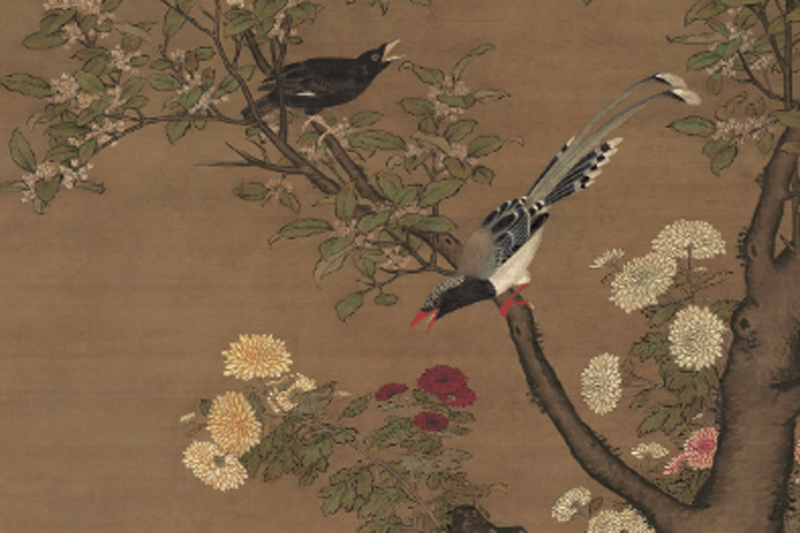
Smell osmanthus. Yuan Hongdao (袁宏道) treated flowers like friends. In his book Ping Shi (瓶史), he mixed osmanthus with hibiscus and talked with guests over tea. In Dream of the Red Chamber (红楼梦), a lotus-root and osmanthus cake disappears fast. Then comes rain. Autumn rain is not spring drizzle or summer storm. It lands on tiles, leaves, and dry lotus with different notes. Sit by a window. Do not rush to close it. The sound is not sad unless you decide it is.
Taste, Read, Climb
Drink autumn tea and autumn wine. Tea leaves grown through spring and summer carry a thick, calm flavor. Ming writers gathered around a pot, letting osmanthus scent mix with steam. Wine was the other cup. Li Bai wrote about drinking alone under the moon, pulling chrysanthemums close. He turned a simple evening into swagger and tenderness. You can copy the mood without the drama. Brew one strong tea. If you drink wine, pour a small glass. Sit where you can see the sky. The point is not to get drunk. It is to let the season have a taste.
Eat crab when chrysanthemums yellow. Bi Zhuo (毕卓) said a good life meant holding wine in one hand and crab in the other, floating in a boat. Su Shi wrote about golden roe and snowy claws, calling himself a greedy governor. In Dream of the Red Chamber, a character suggests a crab feast: steamed, dipped in ginger vinegar, eaten with warm wine while poems fly around the table. That is autumn as a party, not a complaint.
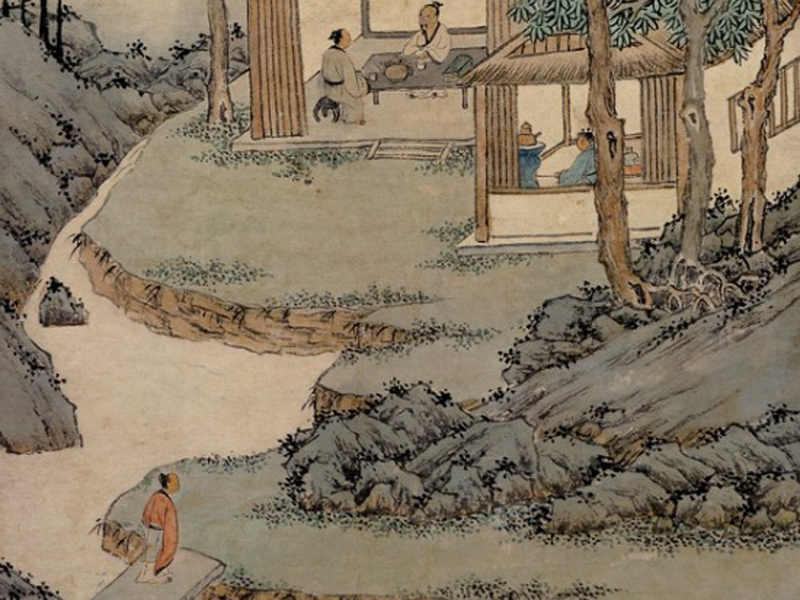
Air your books. Before printing spread, books were precious. On dry days, families carried them into sunlight to stop damp and insects. Lu You (陆游) wrote about sunning books at dawn and making medicine in the shade. The chore became a gathering. Hao Long (郝隆) once lay on his back with his belly bare. Asked what he was doing, he said, “I am airing my books.” He meant the learning stored inside him. That joke still works. Open your windows. Put your books, papers, or worries in the sun for an hour.
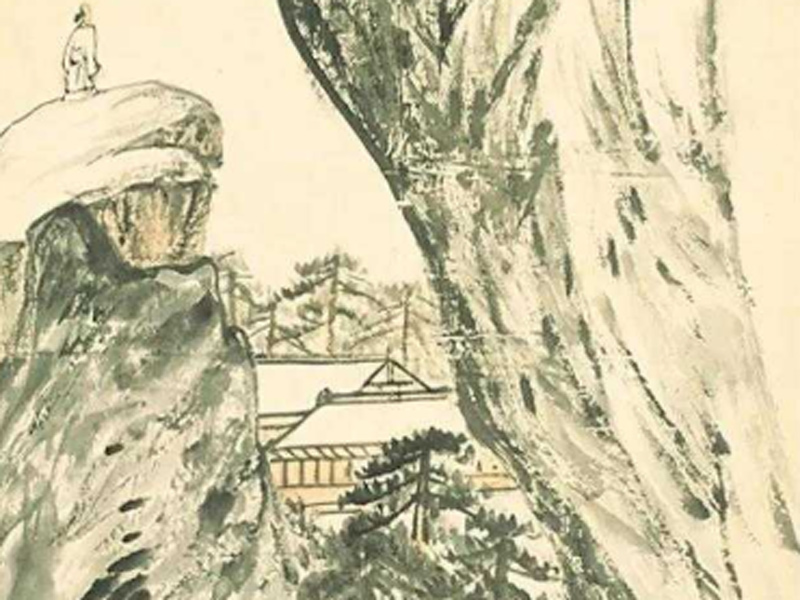
Climb a hill. Du Fu (杜甫) heard endless falling leaves and watched the long river roll. Du Mu (杜牧) carried wine up a green slope with friends. Height changes more than the view; it loosens the chest. Then burn incense. Chen Yuyi (陈与义) watched a thread of smoke rise, float, and return with the wind. A small stick of incense can make a room feel settled. No expensive gear. No perfect plan. Just leaf, moon, tea, rain, crab, book, hill, smoke. Autumn waits in those ordinary acts.