Article
搜索结果:
-
Top 6 Zhang Linghe Period Dramas You Can't Miss
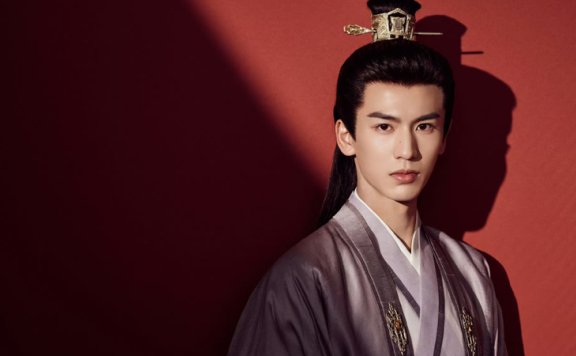
Rising as a quintessential heartthrob in Chinese period dramas, Zhang Linghe (张凌赫) seamlessly blends scholarly intellect with arresting magnetism. Standing at 190cm—often dubbed "AI-modeled physique" for his sculpted features and commanding presence—he initially pursued engineering at Nanjing Normal University, excelling in mathematics and physics before serendipitously entering acting. With roles spanning ethereal immortals to cunning strategists, Zhang merges analytical depth with emotional vulnerability, creating characters that resonate globally. Here are six of his must-watch period dramas that showcase his remarkable range. Love Between Fairy and Devil 苍兰诀 Aired: 2022 Period Background: Mythical ancient China Genres: Xianxia, Fantasy, Romance Main Roles: Zhang Linghe as Changheng, Yu Shuxin (虞书欣), Wang Hedi (王鹤棣) Adapted from: Novel Mo Zun by Jiu Lu Fei Xiang In Love Between Fairy and Devil, Zhang Linghe portrays Changheng, the revered War God of the Heavenly Realm, whose unwavering sense of duty and innate kindness define his character. As the embodiment of the "immortal white moonlight" (a Chinese fandom term describing an idealized, unattainable love), he finds himself deeply devoted to Orchid (Xiao Lanhua), a low-ranking fairy whose innocence and warmth inadvertently challenge his celestial obligations. Their relationship unfolds against a backdrop of cosmic conflict, particularly with the powerful… -
Moonlit Reunion: Unique Supernatural Costume Drama
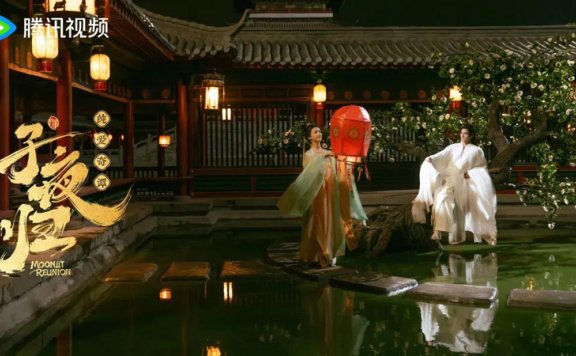
September always marks two things in China: the start of a new school year and the moment when summer dramas are reviewed and weighed. This summer season, costume dramas once again dominated in both output and market share. Yet the creative "bottleneck" is still hard to ignore. The two main directions for period dramas—lavish historical productions aiming for grounded realism, and sweeping romances drawn from internet novels—have both hit a slowdown. The first route demands meticulous research into historical records while still finding ways to resonate with modern emotions. That kind of project is time-consuming, high-risk, and truly good works are rare. The second route, the all-consuming romance, is struggling in today's climate where "anti-romance-brain" (反"恋爱脑", a popular phrase criticizing shows where characters are unrealistically obsessed with love) has become a mainstream sentiment. Even if produced, creators often brace themselves for backlash and limited payoff. But audience appetite for period storytelling hasn't waned. This is why industry players keep probing subgenres and side paths within the wider costume drama field. One such path is the supernatural drama, a genre that thrives on imagination and often doubles as a modern allegory. Recently, Moonlit Reunion (子夜归), now streaming on Tencent Video and… -
Grounded Costume Dramas Stay Hot with Heroines Chasing Careers
Adapted from Qianshan Chake's novel, Legend of The Female General (锦月如歌) received a Yunhe rating of S+, marking the first big splash for the "female general" subgenre of costume romance. So far this year, grounded costume dramas (落地古偶, meaning historical dramas rooted in reality rather than heavy fantasy) have kept their momentum. Shows like Flourished Peony (国色芳华), The Glory (雁回时), The Prisoner of Beauty (折腰), and Coroner's Diary (朝雪录) all drew strong reactions. With traditional fantasy xianxia dramas losing steam, these grounded works are holding steady. Why that is deserves a closer look. If we break it down by subgenres, the picture gets clearer: whether it's palace intrigue, mystery-solving, wuxia-inspired stories, or political power plays, these staples are always reliable. And in recent years, the rise of female-led stories—businesswomen, military commanders—has only added to the mix. For audiences, watching a heroine build her career can be just as satisfying as watching her fall in love. Popular Genres Shift to Female Generals Within grounded costume dramas, palace intrigue, mystery, wuxia, and political scheming remain the most enduring topics. Producer Lin Li explained: "In a platform-driven production system, these themes are safe bets because past data has already proven their appeal." Looking… -
Explore Zhou Ye's top 4 Costume Dramas
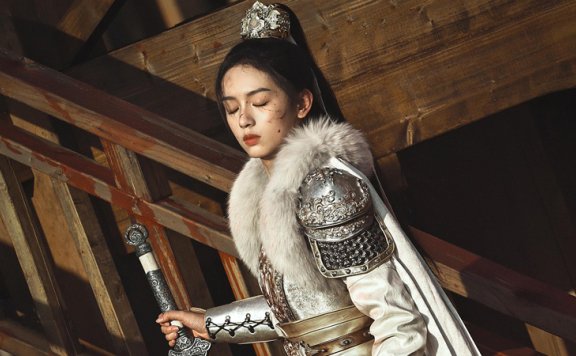
Zhou Ye, a prominent post-95s generation rising actress in the Chinese entertainment industry, captivates audiences with a unique blend of classically exquisite features and a refreshingly "wild" off-screen personality. From a mischievous fairy to a fierce general, her roles showcase her ability to embody strong, complex characters. This article delves into four of her must-watch costume dramas, highlighting their unique stories, genres, and why they are worth your time. Word of Honor 山河令 Aired: 2021 Period Background: Ancient China, Wuxia (martial arts) setting. Genres: Wuxia, Romance, Drama. Main Roles: Zhou Ye as Gu Xiang, a playful and loyal demon servant. Adapted From: Priest's novel "Faraway Wanderers." "Word of Honor" is a celebrated wuxia drama that intricately weaves themes of loyalty, redemption, and sacrifice. The story centers on Zhou Zishu, a former assassin seeking freedom from his past, and Wen Kexing, the enigmatic leader of the Ghost Valley, whose intertwined fates challenge their moral boundaries. Amidst this complex narrative, Gu Xiang (portrayed by Zhou Ye) emerges as a pivotal character. As Wen Kexing's fiercely devoted servant, she navigates a journey from unwavering loyalty to tragic self-discovery. Her character arc is deeply enriched by her relationship with Cao Weining, a gentle martial… -
Are There Still Sleeper Hits Left for Q4 2025?
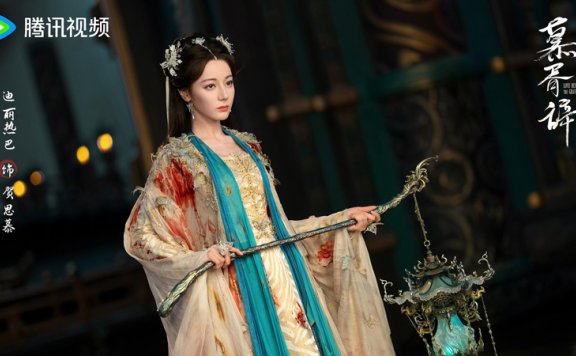
The summer drama battlefield ended with This Thriving Land (生万物), but the second half of the year has only just begun. Every year, once summer vacation is over, the drama market slips into a brief "hibernation." By this point in 2025, most of the heavyweight titles have already been consumed in the first half of the year. Still, the Qixi Festival (Chinese Valentine's Day, usually in August) brought fresh promo pushes: Chasing Jade (逐玉), Blossoms of Power (百花杀), Speed and Love (双轨), Love Beyond the Grave (慕胥辞), Our Dazzling Days (烟花少年), and Banquet at Yong'an (宴遇永安) all dropped new teasers. Rumors suggest many of them are lining up for a Q4 2025 to Q1 2026 release. Looking back at past winter holiday schedules, the family-friendly and comedy slots tend to dominate. Period pieces with an ensemble touch have also done well here—titles like Always On The Move (南来北往), Six Sisters (六姊妹), Perfect Match (五福临门), and Legend of the Undercover Chef II (鹊刀门传奇第二季) all pulled solid ratings in this timeframe. On the production side, platforms aren't rushing into large-scale historical projects just because of the latest supportive policies. They're keeping things steady. Over the past month, most new shoots have been… -
Cheng Yi's Hero Awakens in The Journey of Legend
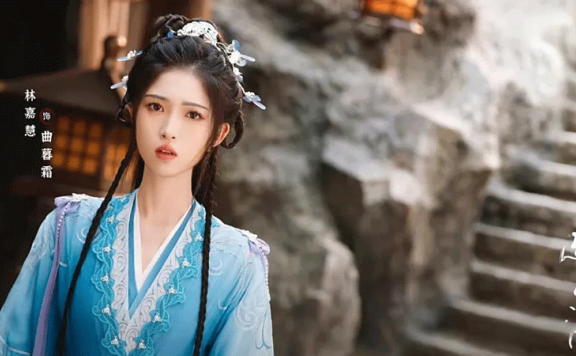
The Journey of Legend, a Wuxia drama starring Cheng Yi (成毅) as Xiao Qiushui (萧秋水), reaches a defining turning point in its sixth episode. Xiao Mingming is a modern writer trapped in the game world. Within the story, he goes by the name Xiao Qiushui. The scene where he raises a toast to the Huaan Sect disciples encapsulates a profound shift: he moves from being a "game player" with a god’s-eye view to becoming a true believer in chivalry. This moment not only transforms the protagonist but also plants seeds for another character’s redemption and bridges the gap between fiction and real life. The Protagonist’s Shift For the first five episodes, Xiao Mingming treats the game world as a mere RPG. He stays distant: mocking ancient characters’ choices with modern cynicism, viewing conflicts as "storylines" rather than real struggles. But when he retreats to the Sword Cottage in Episode 6, his father’s words about heroism and his own toast shatter that detachment. "I’ve read countless chivalric tales," he tells the Huaan Sect disciples. "They felt like myths—distant, unreal. But today, you risk your lives for the sect—not for glory, but for belief. This drink is for you." This toast marks… -
Can Domestic Costume Dramas Do Without Bangs?
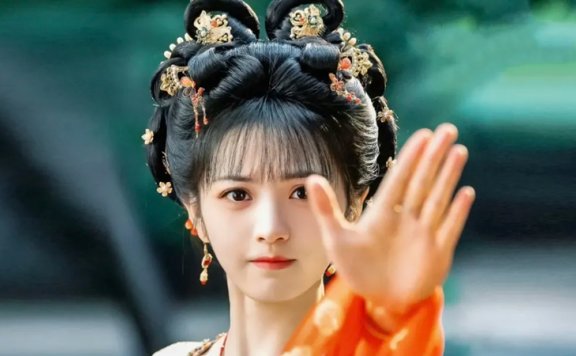
Why do so many Chinese historical dramas insist on giving their female characters modern-looking bangs? This stylistic choice, frequently seen in everything from palace intrigues to Wuxia (武侠) adventures, often creates a jarring sense of anachronism for viewers. While intended to beautify the actors and perhaps conceal hairlines, these bangs frequently pull audiences out of the story, reminding them of contemporary fashion rather than immersive historical storytelling. This reliance on a modern aesthetic overlooks a rich tapestry of authentic, elegant hairstyling traditions from China's past that prioritized clean, expansive foreheads and sophisticated updos, proving that true classical beauty doesn't need to hide behind a fringe. The Bangs Anachronism Walk through any streaming platform's historical section, and you will be met with a parade of fringe. The flat bangs, side-swept bangs, wispy "baby hair" bangs, and airy bangs are all direct imports from modern-day hairstyling manuals. Their primary function in these dramas is to soften an actor’s features or mask a perceived high forehead, a concern rooted entirely in contemporary beauty standards. This creates a subtle but persistent dissonance; the elaborate costumes and sets aim for a historical feel, but the hairstyle instantly signals the 21st century. This trend is not… -
The Bittersweet Fate of Jin'an and Li Shuang in Shadow Love
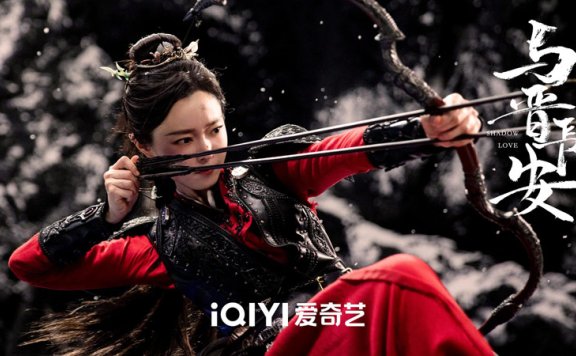
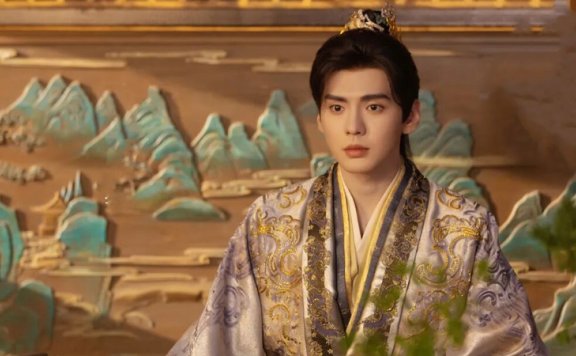
How does a love survive when two people are meant to be enemies? The finale of the historical romance drama Shadow Love (与晋长安) recently left viewers with this poignant question, alongside a bittersweet resolution for its central couple. The story weaves a classic Wuxia tapestry of conflicted loyalties, lost memories, and sacrificial love, set against the backdrop of warring states. At its heart is the impossible romance between a general from one kingdom and a warrior from its rival nation, a premise that forces its characters to choose between duty and desire. Their journey, culminating in a finale that relied on an unexpected act of mercy from a rival, highlights the enduring appeal and narrative tensions within the historical romance genre. Memory and Identity The core conflict stems from a loss of self. Jin'an (晋安), a key figure from one kingdom, suffers amnesia and builds a life with Li Shuang (黎霜)—a respected general from the opposing side—and develops a deep love for him. This period becomes their fragile paradise. However, when his memories violently return, they erase all recollection of her. To him, she transforms in an instant from beloved to stranger, even an enemy. The man she knew is… -
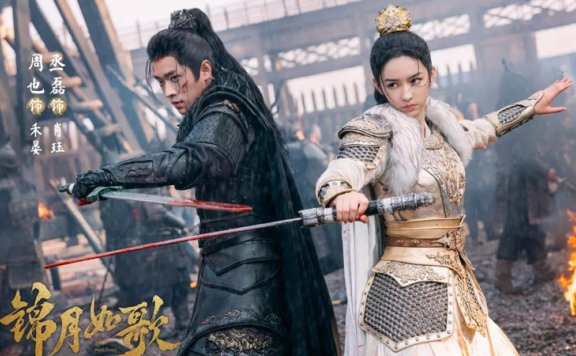
Legend of The Female General: Zhou Ye’s New Costume Dramas
Every summer, costume dramas built around female protagonists dominate the screen. This year, Tencent Video's Legend of The Female General (锦月如歌) has stepped into that spotlight. The series is adapted from The Reborn Female General, a hit novel by Qian shan Cha ke. As one of the leading authors in online literature, Qian shan Cha ke is particularly well known for her "rebirth" series, and this novel stands as one of its representative works. From the moment the drama adaptation was announced, the buzz around Legend of The Female General never really stopped. Its broadcast performance has been impressive. Since its premiere on August 6, the show quickly gained momentum. Within just four days, it crossed an internal popularity index of 26,000 on Tencent Video, earning a place in the "Most Watched" club. It also topped national TV ratings across three monitoring platforms—CSM, Huan, and Kuyun—for two consecutive days. As of this writing, it continues to hold the No.1 spot on Maoyan's real-time popularity chart, as well as Douban's television ranking. On social platforms, discussions have spread quickly. Viewers are sharing clips of punchy dialogue from a female perspective, the heroine's revenge moments, and the male lead Cheng Lei's performance—often… -
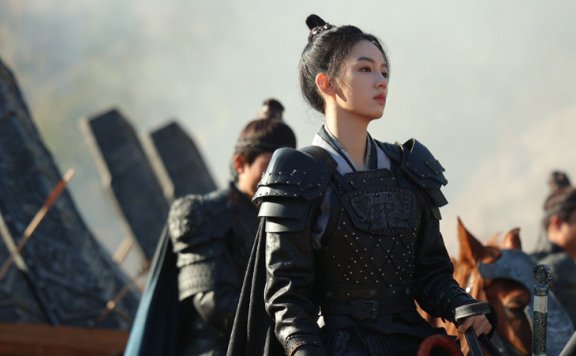
Legend of The Female General Forges Its Own Path
Summer is for costume dramas. They’re a crowd-pleaser, offering something for everyone. The genre is a sprawling universe of its own, constantly delivering fresh hits. From the political intrigue of Joy of Life (庆余年) to the refined elegance of Dream of Splendor (梦华录)—this shows masterfully weave together romance, Xianxia, suspense, and palace scheming. This year is no exception. We’ve already seen breakout hits like A Dream of Majesty (书卷一梦) and The Immortal Ascension (凡人修仙传). And just as the latter continues its successful run, a new 36-episode contender has suddenly arrived: Legend of The Female General (锦月如歌). With a compelling plot and a cast that’s perfectly aligned with current tastes, this show is poised to be a serious competitor. The Vengeance Plot Legend of The Female General is adapted from the hugely popular novel Rebirth of the Female General Star (重生之女将星) by Qian Shan Chake (千山茶客). It tells the story of He Yan (played by Zhou Ye), the eldest daughter of the He family. To preserve her family's status, she spent years impersonating her brother, He Rufei. But upon returning home, she was betrayed and nearly killed. Surviving the attempt on her life, He Yan disguises herself as a man to enlist… -
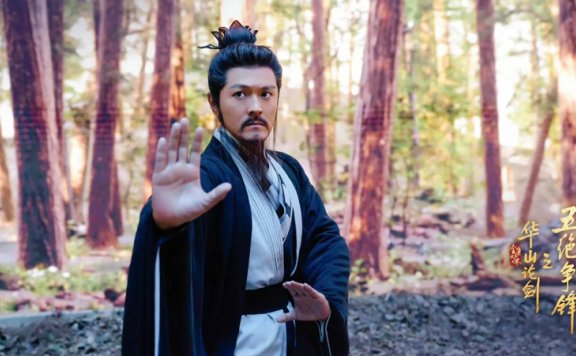
What Made Duel on Mount Hua's Finale Truly Resonate?
The grand finale of the Wuxia drama Wujue Zhengfeng (五绝争锋) delivered its last six episodes, culminating the series' intricate saga. This concluding segment resolved the central conflict surrounding the legendary Nine Yin True Sutra (九阴真经) and the fate of Zhong Juesheng (钟绝圣), the ambitious leader of the Ming Cult. The resolution wasn't merely about victory over evil; it offered a poignant, character-driven denouement that resonated deeply, moving beyond predictable tropes to find warmth and quiet closure amidst the martial world's chaos. Unmasking the Scheme The climactic gathering at Mount Hua, intended as a decisive contest for possession of the coveted Nine Yin True Sutra, took a shocking turn. When the sacred text's container was finally opened, it stood empty. This pivotal moment revealed an elaborate deception masterminded by Zhong Juesheng. His plan was insidious: dangle the promise of ultimate power to ignite a destructive war among the martial sects. Amidst the ensuing conflict, he aimed to advance his radical doctrine of "learning martial arts to destroy martial arts," believing his path was one of necessary, righteous purification. The revelation shattered the expectations of the gathered heroes. Zhong Juesheng's motives, while extreme, stemmed from a warped sense of purpose, challenging the… -
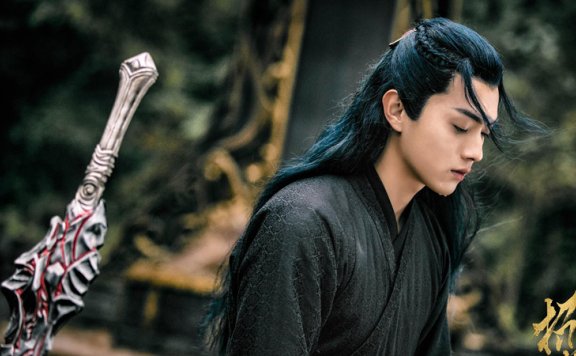
Xu Kai's 7 Must-Watch Costume Dramas
Xu Kai (许凯) has redefined Chinese costume dramas with his magnetic screen presence and transformative acting. Rising from modeling to acting, his breakthrough role in "Story of Yanxi Palace" launched him into stardom. Known for his ability to portray complex emotional arcs—from restrained nobility to playful rebels—Xu Kai dominates both historical epics and fantasy sagas. Here's a curated guide to his finest works. Story of Yanxi Palace 延禧攻略 Aired: 2018 Period: Qing Dynasty, Qianlong era Genres: Palace intrigue, Romance, Tragedy Role: Fuheng, the Empress's brother, a noble general torn between duty and love. Adapted From: Original screenplay Fuheng's arc epitomizes tragic nobility within Qing Dynasty court politics. As the Empress Fuca's brother and a military prodigy, his initial clashes with cunning seamstress-turned-consort Wei Yingluo (Wu Jinyan) evolve into profound, unspoken love. Their bond defies rigid hierarchies—he sacrifices political alliances to protect her, even accepting a forced marriage to Erqing to shield Yingluo from the Qianlong Emperor's wrath. The climax sees Fuheng volunteering for a fatal battlefield mission, delivering his iconic line: "This subject chooses death to prove loyalty". His final letter to Yingluo—"Guard your freedom; I guard you"—cements his legacy as a martyr to love and duty. Cultural Anchors: Hierarchy… -
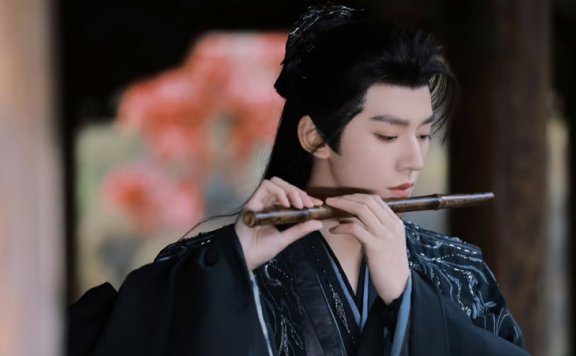
Top 5 Xianxia Dramas of 2025: How Many Have You Seen?
2025 dropped some seriously bingeable xianxia dramas–you know, the Chinese fantasy stuff with immortals, cultivation (basically supernatural training), gods, and magic. Forget the tired formulas and overused buzzwords, let's just talk about what actually hit the screen this year: Love of the Divine Tree 仙台有树 Starring: Deng Wei, Xiang Hanzhi Plot Overview: A Subversive Cycle of Karma Love of the Divine Treedismantles conventional xianxia reincarnation tropes by anchoring its conflict in irreversible consequences rather than romantic destiny. Sui Ying (Xiang Hanzhi), a once-revered immortal master, is reborn as a mortal child plagued by chronic illness and spiritual fragility. Her former disciple, Xue Mu'an (Deng Wei)—now a near-omnipotent celestial—discovers her and forcibly takes her under his protection. What appears to be a guardian-ward dynamic curdles into something darker: Xue's obsession with rectifying Sui Ying's past "failures" manifests as psychological control, cloaked in benevolence. He isolates her from the world, manipulates her recovery, and weaponizes her gratitude, all while denying her autonomy. The central tension isn't whether they'll reconcile, but whether Xue's actions stem from devotion to heror a pathological need to rewrite history by "perfecting" the mentor he idolized. Reasons to Recommend: Psychological Depth & Taboo Nuance The series interrogates… -
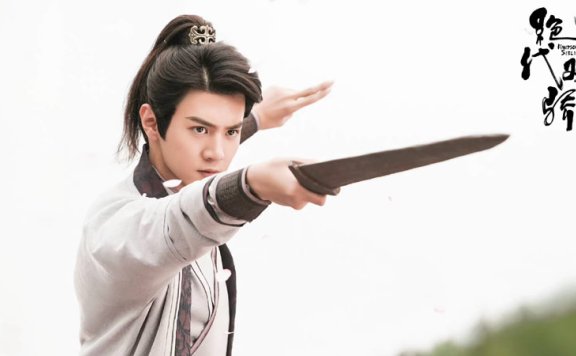
Chen Zheyuan's Top 6 Costume Dramas Recommendations
Chen Zheyuan (陈哲远), rising from indie films to mainstream acclaim, charms audiences with his chameleonic acting and intellectual depth. A philosophy graduate, he infuses characters with nuanced introspection—especially in historical roles. From brooding swordsmen to witty scholars, his seamless transitions between vulnerability and intensity redefine costume dramas. Discover how this versatile actor elevates every production with meticulous emotional layering. Handsome Siblings (2020) 绝代双骄 Plot Overview: A Clash of Destinies Forged in Deception Set within a vivid martial world inspired by the aesthetics and power structures of the Ming Dynasty, Handsome Siblings unravels the tragic destiny of twin brothers, Hua Wuque (Hu Yitian) and Xiao Yu'er (Chen Zheyuan). Torn apart in infancy by Yi Yue, the formidable leader of the Floral Palace, their separation is no accident of fate but a deliberate act of vengeance. Each brother is raised in diametrically opposed worlds, groomed as unwitting weapons against the other. Hua Wuque is nurtured within the aristocratic, disciplined confines of the Floral Palace, mastering elegant martial arts and embodying noble perfection. Xiao Yu'er, conversely, survives and thrives in the chaotic, morally ambiguous Evil Valley, honed by rogues into a cunning, unorthodox genius. Their paths violently converge as adults, propelled by Yi… -
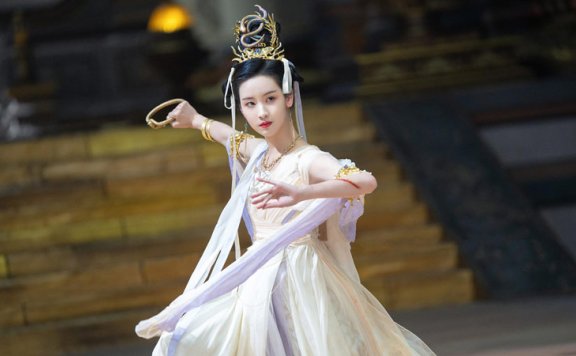
Chen Duling's 7 Essential Costume Dramas List
Chen Duling, a former aerospace engineering student at Nanjing University of Aeronautics and Astronautics, has evolved from an internet-famous "campus beauty" into one of China's most versatile actresses. Her delicate features and intellectual aura bring depth to historical and fantasy roles. Here are her essential costume dramas: The Legend of the Heroes 金庸武侠世界 Aired: Jun 26, 2024 (Tencent Video) Period Background: Southern Song Dynasty martial arts world, focusing on rival clans and Peach Blossom Island. Genres: Wuxia, tragedy, female empowerment. Main Roles: Chen Duling as Feng Heng, Meng Ziyi as Mei Chaofeng. Adapted From: Jin Yong's The Legend of the Heroes, expanding Feng Heng and Mei Chaofeng's backstory. Feng Heng stands apart in Jin Yong's martial universe as a rare non-combatant intellectual. Unlike archetypal wuxia heroines who resolve conflicts through physical prowess, Feng navigates the treacherous Peach Blossom Island and clan rivalries using scholarly insight and psychological acuity. Her pivotal role emerges when she encounters Mei Chaofeng, a martial artist consumed by vengeance after personal betrayals. Instead of condemning Mei's violent quest, Feng engages her through philosophical dialogues about karma and consequence, subtly comparing revenge to "drinking poison to quench thirst" (饮鸩止渴). Her quiet library becomes a sanctuary where Mei… -
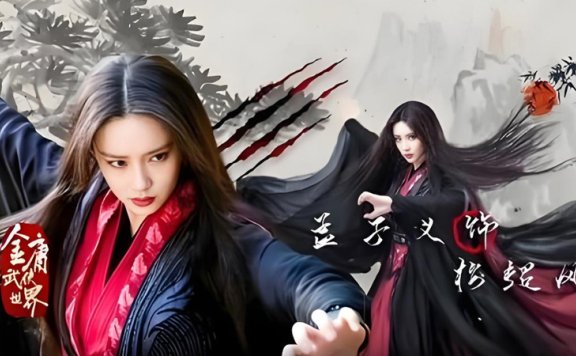
Unveiling Mei Chaofeng's Tragic Soul in Duel on Mount Hua
When sweetheart actress Meng Ziyi transforms into the blind, vengeance-driven Mei Chaofeng (梅超风) in Duel on Mount Hua (华山论剑), audiences witness one of the year's most startling dramatic reinventions. Portraying a legendary antagonist from Jin Yong's Wuxia universe, she injects this iconic figure with raw vulnerability – forcing viewers to confront the tragic humanity beneath the character's notorious cruelty. Her performance in the standalone chapter Nine Yin True Sutra (九阴真经) doesn't just reinterpret a classic villain; it dissects the corrosive power of obsession that ultimately consumes Mei Chaofeng, proving Meng Ziyi’s formidable range extends far beyond her acclaimed role in the hit drama Blossom (九重紫). A Star Reborn Known for radiant charm in romantic series and hilarious antics on variety shows, Meng Ziyi (孟子义) seemed an unlikely choice for the tormented Mei Chaofeng. Yet from her first appearance, cloaked in shadow and radiating simmering rage, she shatters expectations. Her portrayal captures Mei's terrifying physicality – the swift, lethal movements of the Nine Yin Skeleton Claw – while simultaneously revealing the shattered girl beneath. This duality is crucial: Meng Ziyi shows us the disciple once cherished by her master, Huang Yaoshi (黄药师) of Peach Blossom Island, before betrayal twisted her path.… -
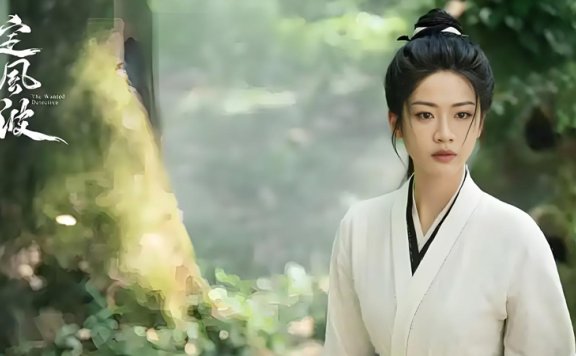
Unveiling The Wanted Detective: Scary Atmospheres and Connected Mysteries
While summer cinema offerings dwindled to a trickle, an unexpected contender surged from the long-form drama arena. Breaking through the seasonal slump with gripping originality, The Wanted Detective (定风波) emerges as a beacon of hope for the genre. This ingeniously crafted costume detective series masterfully blends traditional Wuxia spirit with youthful energy, delivering layered mysteries and a compelling young ensemble cast—the Bo Bo Dui (波波队). Its arrival proves long-form narratives can still command attention and deliver exhilarating entertainment. Chilling Atmosphere The series grips viewers instantly with potent Chinese eerie elements. The opening sequence sets an unforgettable tone: solemn statues guarding a dim palace hall inexplicably weep trails of crimson blood. This chilling visual plunges us headfirst into a world steeped in supernatural dread and historical unease. The terror escalates swiftly, manifesting in shocking demises—a veteran general's head mysteriously separating from his body mid-gallop; a minister consumed by sudden, unnatural flames; a powerful official drowned in his own washbasin. Each grotesque death scene bears the chilling signature: "Night Fiend". These aren't isolated horrors but interconnected threads weaving the larger "Night Fiend Case". Seven smaller, equally disturbing incidents form its core. Picture a crimson-garbed bride grotesquely suspended by threads from a beam;… -
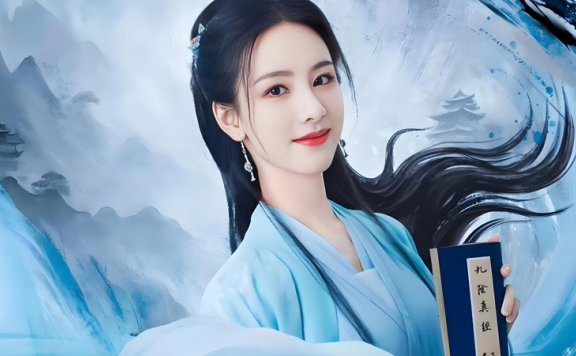
6 Actresses Shine in Duel on Mount Hua
In the sweeping Wuxia epic Duel on Mount Hua (华山论剑), legendary martial artists vie for supremacy. Yet, the drama's soul often resides in its captivating female characters, brought to life by six remarkable actresses. Each portrays a woman navigating a treacherous Jianghu (江湖) with distinct grace, strength, and tragedy. Their stories intertwine with the fates of the Five Greats, adding profound layers of emotion, resilience, and unforgettable beauty to the high-stakes world of honor and betrayal. 1. Chen Duling (陈都灵) Chen Duling embodies Feng Heng (冯衡), daughter of a salt official. Her life shatters when bandits murder her father, forcing her into a desperate flight. Surviving two perilous cliff falls, she encounters the reclusive Huang Yaoshi (黄药师). Feng Heng possesses no martial prowess, yet her spirit is indomitable. Confined mostly to a sickbed later in the story, Chen masterfully conveys an inner steel beneath a fragile exterior – a resilience that makes the origins of a daughter like Huang Rong (黄蓉) entirely believable. Her quiet intelligence and unwavering courage resonate deeply. Feng Heng's journey is one of profound loss and unexpected survival. Thrust into the brutal realities of the Jianghu after her father's murder, her strength lies not in physical… -
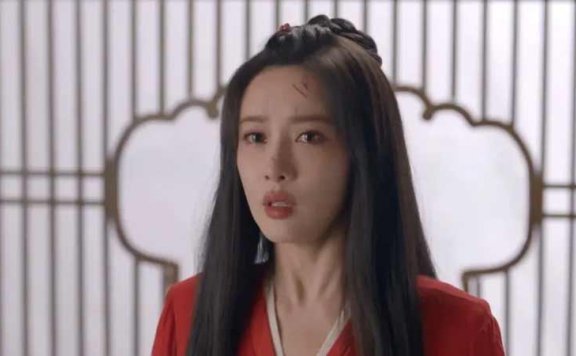
Duel on Mount Hua: Why This Jin Yong Adaptation Divided Fans
The return of Jin Yong's martial arts epics to television in 2025 was met with immense anticipation. Duel on Mount Hua (华山论剑), a series structured in four distinct units – promised a fresh exploration of the beloved Wuxia universe. Initial reactions, however, revealed a stark divide among viewers. The series became a talking point not just for its grand production, but for the contrasting quality between its opening chapter and the powerful resonance of its second act. It presented a complex picture of ambition, adaptation choices, and ultimately, the enduring power of Jin Yong's characters when given nuanced space to breathe. Jiuyin Zhenjing Focusing on Mei Chaofeng (梅超风) and her origins, the Nine Yin True Sutra (九阴真经) unit aimed to flesh out backstories only hinted at in Jin Yong's original The Legend of the Condor Heroes (射雕英雄传) or its classic 1983 adaptation. Mei Chaofeng, originally named Mei Ruohua (梅若华), is depicted from her tragic childhood, orphaned and mistreated, to her rescue by the formidable Huang Yaoshi (黄药师) and life on Peach Blossom Island. The intention to expand on her motivations, her complex bond with fellow disciple Chen Xuanfeng, and the dynamics leading to their betrayal was clear. Yet, this expansion… -
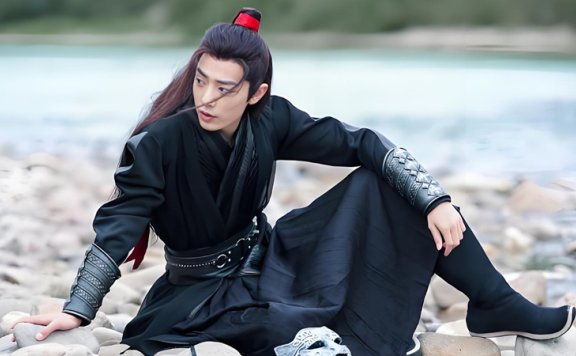
The Genuine and Approachable Side of Actor Xiao Zhan
Xiao Zhan (肖战) captivated global audiences with his intense portrayal of Wei Wuxian (魏无羡) in the 2019 phenomenon The Untamed (陈情令). This role cemented his status as a leading man known for powerful, often brooding characters. Yet, recent glimpses into his life reveal a delightful contrast to his on-screen personas, showcasing a youthful, authentic side that has surprised and charmed fans worldwide. This exploration delves beyond the actor's acclaimed performances, uncovering the genuine personality and relatable lifestyle that endear him to millions. Style Shift Stuns Observers Gone are the flowing robes and stern expressions of his dramatic roles. Recent candid shots showcase Xiao Zhan embracing a strikingly casual, almost boyish aesthetic. Think cozy cream hoodies paired effortlessly with wide-leg trousers, topped with a fuzzy baseball cap and trendy sneakers. The most unexpected touch? A large, cartoonish shoulder bag adding a playful vibe. This relaxed ensemble stands in stark contrast to the commanding presence fans associate with characters like Wei Wuxian or his modern CEO roles. The reaction was immediate and widespread. Fans expressed astonishment at the transformation, flooding social media with comments like, "I did a double-take! Is that really the same person?" Many highlighted the overwhelming sense of youthfulness…