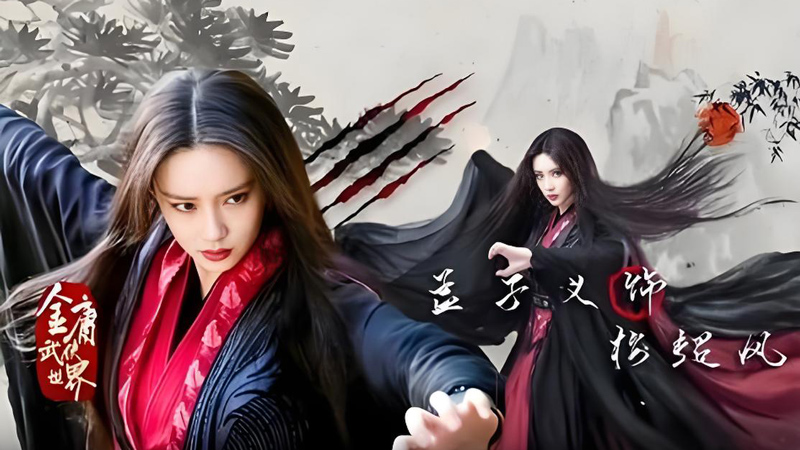
When sweetheart actress Meng Ziyi transforms into the blind, vengeance-driven Mei Chaofeng (梅超风) in Duel on Mount Hua (华山论剑), audiences witness one of the year's most startling dramatic reinventions. Portraying a legendary antagonist from Jin Yong's Wuxia universe, she injects this iconic figure with raw vulnerability – forcing viewers to confront the tragic humanity beneath the character's notorious cruelty. Her performance in the standalone chapter Nine Yin True Sutra (九阴真经) doesn't just reinterpret a classic villain; it dissects the corrosive power of obsession that ultimately consumes Mei Chaofeng, proving Meng Ziyi’s formidable range extends far beyond her acclaimed role in the hit drama Blossom (九重紫).
A Star Reborn
Known for radiant charm in romantic series and hilarious antics on variety shows, Meng Ziyi (孟子义) seemed an unlikely choice for the tormented Mei Chaofeng. Yet from her first appearance, cloaked in shadow and radiating simmering rage, she shatters expectations. Her portrayal captures Mei's terrifying physicality – the swift, lethal movements of the Nine Yin Skeleton Claw – while simultaneously revealing the shattered girl beneath.
This duality is crucial: Meng Ziyi shows us the disciple once cherished by her master, Huang Yaoshi (黄药师) of Peach Blossom Island, before betrayal twisted her path. Her eyes, even when obscured by dramatic makeup, convey a haunting vulnerability that makes Mei's descent into darkness profoundly unsettling rather than purely monstrous.
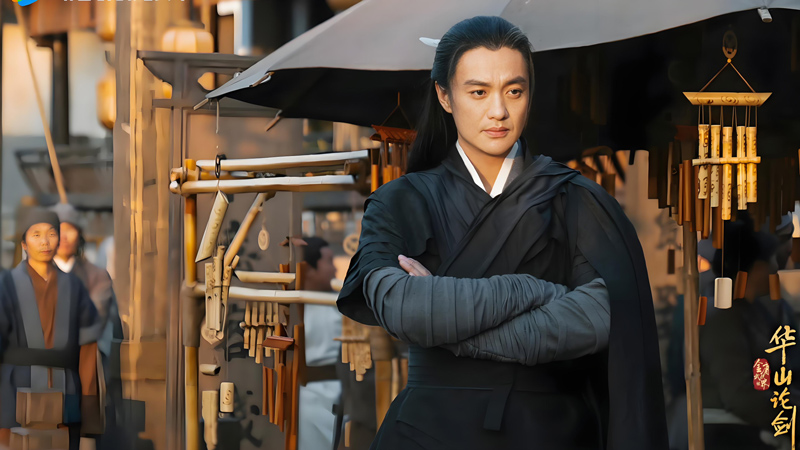
The drama functions as Mei Chaofeng's origin story, exploring her complex relationship with Huang Yaoshi. Meng Ziyi masterfully depicts the toxic cocktail of reverence, guilt, and resentment Mei feels towards the master who saved her life, trained her, and ultimately exiled her. We see the seeds of her downfall planted early – an insatiable hunger for strength warping her gratitude into suspicion.
When Huang Yaoshi withholds the dangerous Nine Yin True Sutra, fearing its incomplete text would destroy her, Meng Ziyi portrays Mei's misinterpretation not as simple villainy, but as the desperate, paranoid act of someone who feels perpetually betrayed by fate and those she should trust. Her subsequent poisoning of Peach Blossom Island, a catastrophic act leading to Shiniang's death, becomes a devastating choice born from spiraling despair.
Fate's Cruel Design
Mei Chaofeng's tragedy isn't mere misfortune; it's a self-fulfilling prophecy fueled by unyielding hatred. After fleeing Peach Blossom Island with fellow disciple and lover Chen Xuanfeng (陈玄风), Mei finds fleeting solace. Meng Ziyi subtly shifts her performance here, allowing glimpses of softening – a rare smile, a moment of tenderness with Chen Xuanfeng. It suggests the peaceful life she might have had, had she relinquished her quest for vengeance against perceived enemies like Ke Zhen'e (柯镇恶). However, the corrosive legacy of her past actions and her ingrained suspicion constantly resurface.
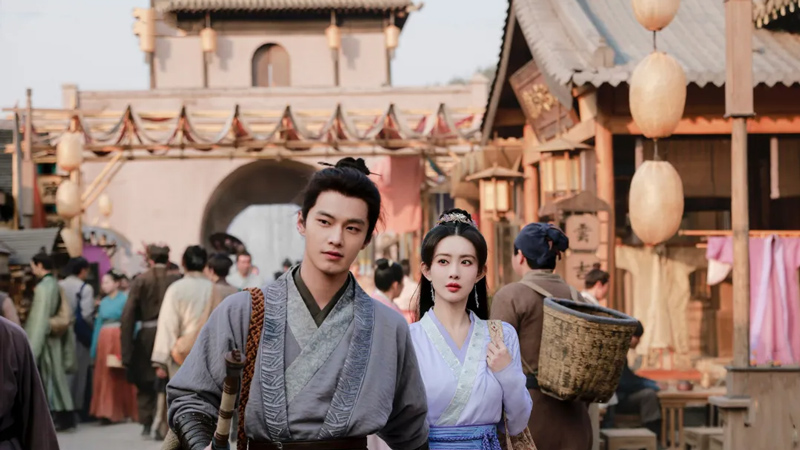
Their practice of the incomplete, corrupted Nine Yin True Sutra physically and mentally warps them, visualized through Meng Ziyi's increasingly feral movements and haunted expressions. The script dictates her ultimate punishment: the accidental death of Chen Xuanfeng at the hands of a young Guo Jing (郭靖). Meng Ziyi’s portrayal of Mei’s grief in this moment transcends rage; it’s a soul-crushing obliteration. She loses not just her partner, but the last anchor to any semblance of normalcy or love.
This sequence is devastating precisely because Meng Ziyi makes us feel the weight of each loss – the master's respect, the sanctuary of her home, her lover's life – all casualties of the hatred she couldn't release. Her blindness later in the classic Legends of the Condor Heroes feels symbolic; she spent her life blind to the paths leading away from destruction.
Beyond the Screen
Meng Ziyi's commitment bleeds through every frame. Behind-the-scenes glimpses reveal her immersed in the character's anguish, often weeping uncontrollably long after scenes ended. This profound connection translates onscreen. She doesn't judge Mei Chaofeng; she embodies her devastating logic and fractured psyche. Her performance sparks uncomfortable questions about the cyclical nature of trauma and the steep cost of refusing forgiveness – both of others and oneself. Viewers familiar only with the monstrous later version of Mei from other adaptations find themselves unexpectedly heartbroken by this nuanced prequel portrayal.
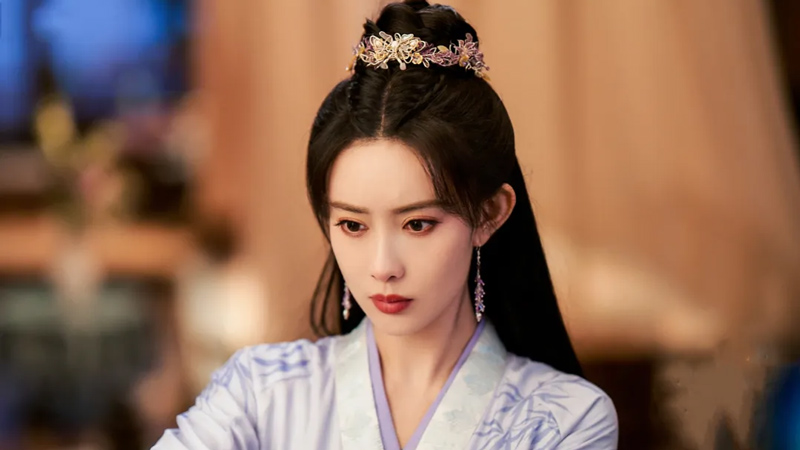
The character's name, bestowed by Huang Yaoshi – meaning "plum blossom braving the wind" – becomes bitterly ironic. Instead of resilience, Mei embodies destruction. Meng Ziyi ensures we grasp the tragedy: a woman perpetually buffeted by the very storms of hatred she nurtured. Her journey serves as a stark reminder of the chains forged by resentment. By the drama's end, Mei Chaofeng isn't just a villain to fear, but a cautionary tale about the freedom found in letting go.
Meng Ziyi’s fearless, emotionally raw performance elevates this Duel on Mount Hua chapter beyond a mere action prequel into a compelling character study of a soul lost to darkness, making it essential viewing not just for Wuxia fans, but for anyone captivated by transformative acting.