Meng Ziyi (孟子义) has rapidly ascended as a standout actress in Chinese historical dramas, blending stunning visuals with nuanced portrayals of resilient women. Whether playing a vengeful rebirth heroine or a diplomatic princess, she injects intelligence and emotional depth into every role. Here's a curated guide to her finest costume dramas—including the highly anticipated 2025 release.
 Blossom 九重紫
 Blossom 九重紫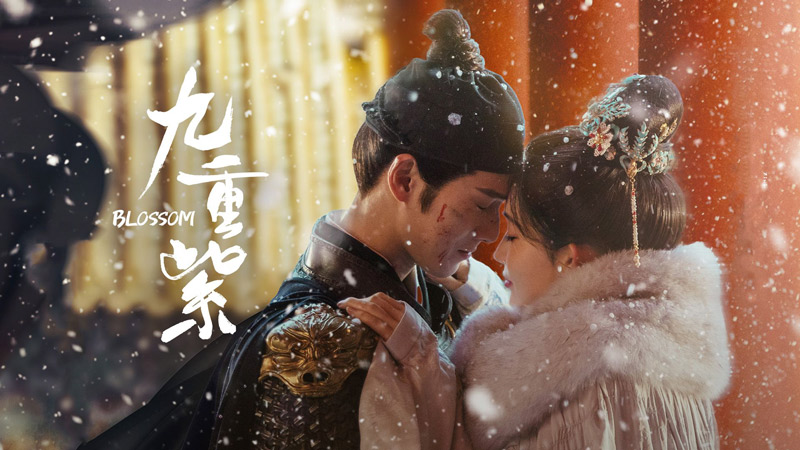
- Aired: 2024
- Period Background: Ming Dynasty-inspired fictional era
- Genres: Rebirth drama, Family revenge, Political strategy
- Main Roles: Meng Ziyi (Dou Zhao), Li Yunrui (Song Mo)
- Adapted From: Novel by Zhi Zhi
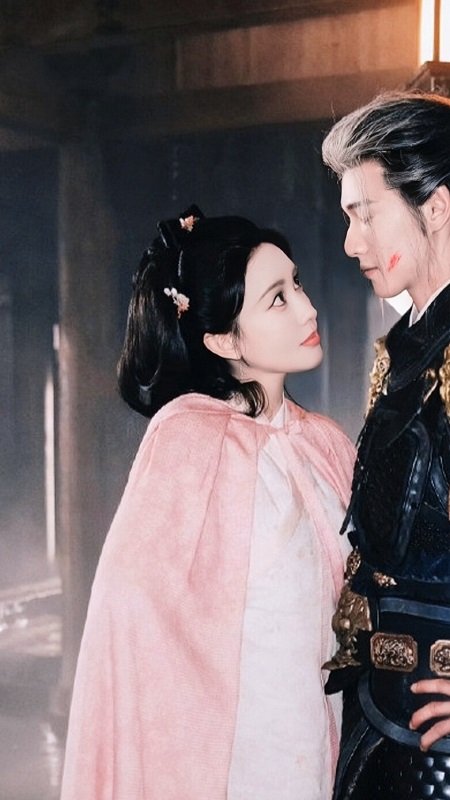
Dou Zhao dies betrayed by her husband, only to awaken in her youth with memories intact. Partnering with General Song Mo, who also retains past memories, she races to prevent her mother's poisoning and reclaim stolen family assets. Despite their efforts, fate intervenes—her mother still dies, propelling Dou Zhao into a broader battle against systemic corruption. She navigates patriarchal constraints, outmaneuvers scheming relatives, and builds economic independence through shrewd entrepreneurship. Her alliance with Song Mo evolves from tactical cooperation to a deep bond as they expose political conspiracies threatening the nation.
Narrative Precision & Emotional Resonance
The story avoids clichéd "revenge fantasy" tropes. Dou Zhao's struggle emphasizes practical agency—using business acumen and alliances to reclaim power—rather than relying on supernatural advantages. Her line, "A woman's wisdom should embrace rivers and seas, not kitchens," anchors the drama's critique of gendered oppression.
Director Zeng Qingjie elevates tension through poetic yet purposeful visuals: arrows piercing earrings during a rescue, rain-soaked silk clinging to Dou Zhao's shoulders as she mourns. Ming-era rituals (tea ceremonies, ancestral worship) and costumes (unembroidered hanfu reflecting her early vulnerability) immerse viewers in a tactile historical world.
The series dissects how institutional power corrupts—from family inheritances to court politics. Dou Zhao's journey mirrors modern battles for autonomy, making her defiance resonate beyond the screen.
Meng Ziyi's Defining Performance
Meng strips Dou Zhao of melodrama. In critical scenes—confronting her mother's killer or silently burning incriminating letters—her micro-expressions convey calculation and grief without dialogue. The now-iconic rain scene (purple robes drenched, eyes hollow yet resolute) became a viral symbol of sorrowful agency.
She shifts from delicate gestures in early episodes (playing a sheltered girl) to upright posture and cutting stares as Dou Zhao commands respect. This physicality underscores her character's earned authority.
Her dynamic with Song Mo avoids romantic shortcuts. Their trust builds through shared glances during crises and pragmatic dialogue ("I won't be a good wife, but I'll be a good partner"), making their eventual emotional bond believable.
The Untamed 陈情令
 The Untamed 陈情令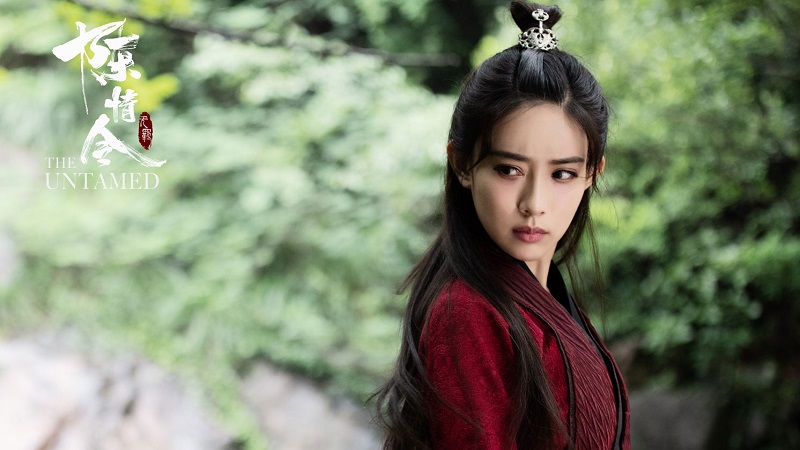
- Aired: 2019
- Period Background: Fantasy Xianxia world with clan conflicts
- Genres: Fantasy, Brotherhood, Political intrigue
- Main Roles: Meng Ziyi (Wen Qing), Xiao Zhan (Wei Wuxian), Wang Yibo (Lan Wangji)
- Adapted From: Mo Xiang Tong Xiu's novel Mo Dao Zu Shi
Wen Qing leads the medical branch of the tyrannical Wen Clan but is torn between loyalty to her family and moral justice. Her uncle, Wen Ruohan, exploits her medical genius to develop cruel techniques like the "Iron Hoof" that maims dissenters. Secretly, she aids protagonists Wei Wuxian and Lan Wangji—providing antidotes to their allies and sabotaging her clan's biological weapons. Her moral crisis peaks when Wen Ruohan orders her to use her skills to torture Lan Wangji; she instead falsifies reports and covertly heals him. Ultimately, she sacrifices herself during the Wen Clan's downfall, confessing to crimes she never committed to protect her brother Wen Ning and innocent clansmen from execution.
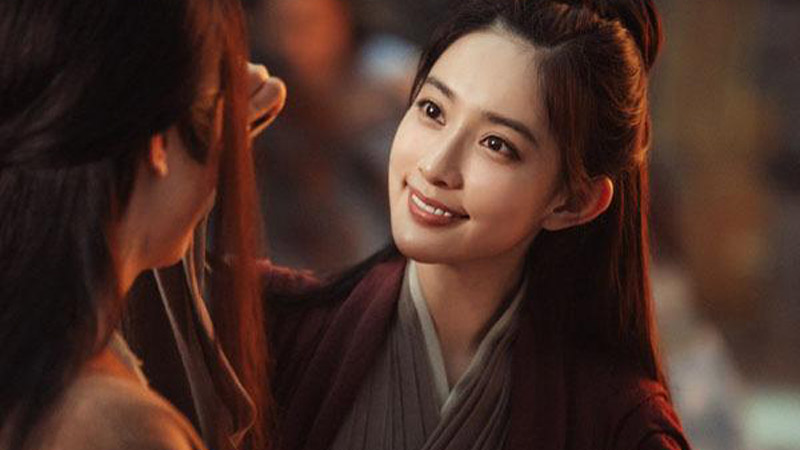
Wen Qing's duality defines her: she heals allies with precision yet weaponizes medicine against enemies. In one scene, she uses acupuncture to save Wei Wuxian from a lethal poison but later threatens a guard by pressing a needle to his brainstem, hissing, "This can cure headaches—or cause them forever." Meng Ziyi layers her performance with clinical detachment and suppressed fury, particularly in confrontations with Wen Ruohan—her eyes ice-cold while her hands tremble as she prepares toxins. This moral ambiguity avoids simplistic villainy, making her a tragic pivot between compassion and survival.
Though the role faced backlash for expanding a minor novel character into a 20-episode arc, Meng's portrayal transformed criticism into acclaim. She humanized Wen Qing's filial dilemma—notably in a ritual where she kowtows to Wen Ruohan while secretly burning incriminating evidence. Her death scene, where she embraces Wen Clan's downfall, confessing to crimes she never committed to protect her brother Wen Ning and innocent clansmen from execution.
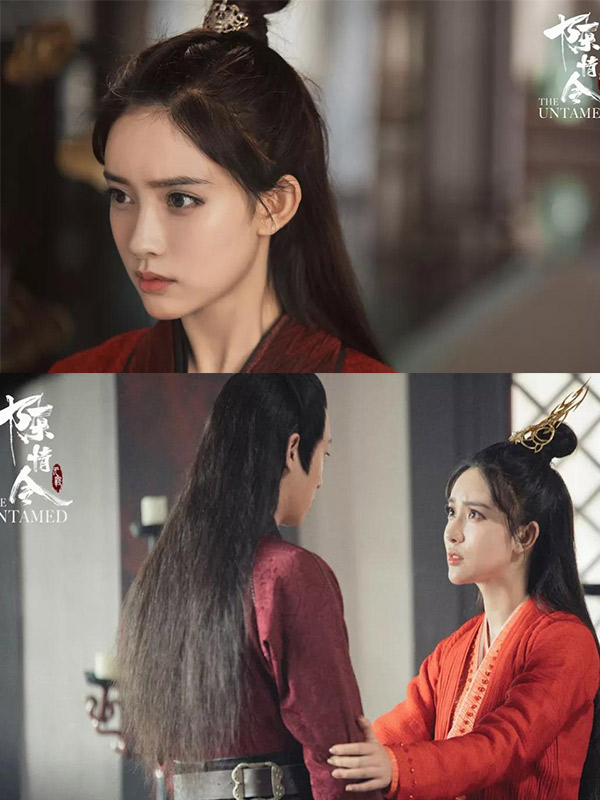
The crimson-and-black robes Wen Qing wears aren't mere costuming but psychological shorthand. Crimson sleeves signify her medical identity (e.g., rolling them up to sterilize tools during surgery), while black underlayers mirror her trapped loyalty to the Wen Clan. In mourning scenes, Meng's restraint amplifies the tragedy: as Wen Ning is tortured, she stands rigid in a blood-red gown, tears streaking silently through ash-covered cheeks—a visual dubbed "tearjerker masterclass" for its raw minimalism. The juxtaposition of her elegance against grim settings (e.g., dungeons, pyres) etches her as an enduring image of dignified despair.
Meng avoids melodrama, using micro-gestures to convey Wen Qing's conflict:
In early episodes, her posture is stiffly upright (reflecting Wen Clan discipline); after betraying her uncle, she often clasps her hands—a subtle sign of guilt.
Her line deliveries are deliberately monotone, but cracks emerge when begging for Wen Ning's life—voice fraying into a whisper.
Her medical kit becomes an extension of her moral compass. She clutches it when lying to Wen Ruohan, grounding her deceit in purpose.
Wen Qing's arc elevates The Untamed beyond fantasy tropes. Her sacrifice isn't redemption but a final assertion of agency—choosing brotherhood over bloodline. Meng Ziyi's understated brilliance makes her a benchmark for anti-heroines in C-dramas: a healer who understood that some wounds require defiance, not just medicine.
Ever Night 将夜
 Ever Night 将夜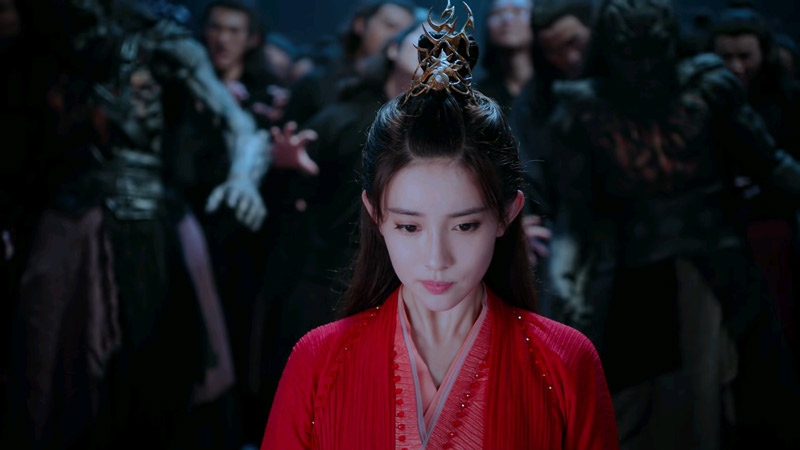
- Aired: 2018
- Period Background: Tang Dynasty-inspired fantasy realm
- Genres: Wuxia fantasy, Political cultivation
- Main Roles: Meng Ziyi (Ye Hongyu), Chen Feiyu (Ning Que)
- Adapted From: Mao Ni's novel Jiang Ye
Ye Hongyu, revered as one of the "Three Talents of Taoism" , begins as a devout prodigy devoted to her faith. Her idealism shatters when political betrayals force her to execute her own mentor—a pivotal moment that strips her of innocence and forges her into a ruthless priestess. Her dynamic with protagonist Ning Que evolves from adversarial clashes to reluctant alliance: they duel fiercely over conflicting ideals (e.g., her pursuit of "absolute Taoist order" versus his chaotic survivalism), yet unite against common enemies like the Academy's corruption and the West-Hill Temple's tyranny. This shift underscores her core conflict: power demands isolation, yet survival requires uneasy kinship.
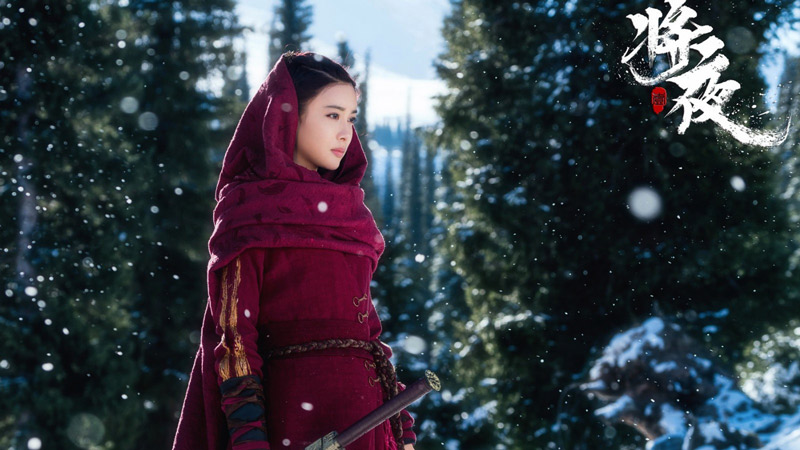
Meng's performance balances martial precision with emotional austerity. Her eyes—initially bright with zeal—harden into "knife-edged" stillness after her mentor's execution, conveying devastation without tears. Fight scenes (e.g., solo battle against 30 armored soldiers) flow with lethal grace, cementing her as the cold beauty goddess of costume dramas.
The red battle robes became synonymous with fierce femininity. Unlike ornate designs in other period dramas, Ye Hongyu's minimalistic attire—unadorned crimson silk, hair pinned with a single wooden hairpin—accentuated Meng's sharp bone structure, symbolizing her rejection of vanity for martial purity. In blizzard scenes, her red silhouette against white snow visualized "a flame in ice"—detached yet unyielding.
Despite Meng's absence in Season 2 due to scheduling conflicts, fans deemed her successor "unmemorable". Her portrayal's cultural imprint endured: cosplay tributes replicated her red robes, while Bilibili edits celebrated her battle-worn beauty. This legacy highlights how Meng's restrained intensity elevated a supporting role into the series' most iconic figure.
Ye Hongyu's arc dissects power's loneliness. Her final scene—standing alone atop West-Hill, robes stained with blood—rejects Ning Que's offer of companionship. "The Tao is my only ally," she declares, embracing isolation as the cost of strength. This bittersweet resolve, devoid of clichéd redemption, makes her a timeless study of sacrifice in pursuit of ideals.
The Ingenious One 花琉璃轶闻
 The Ingenious One 花琉璃轶闻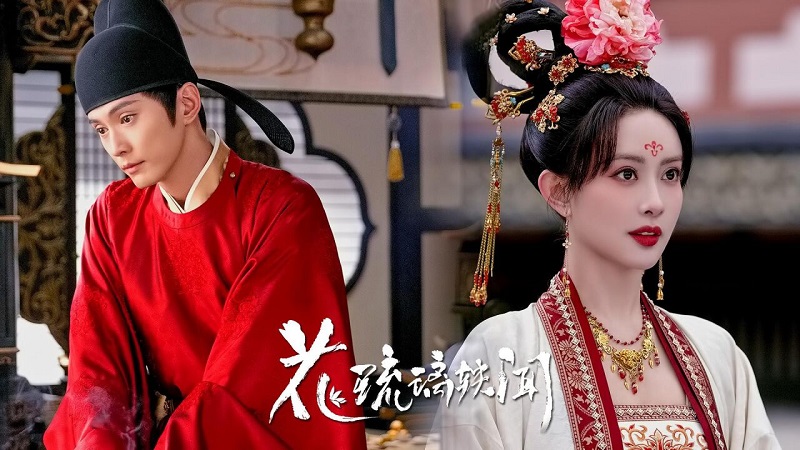
- Aired: 2023
- Period Background: Lighthearted fictional dynasty
- Genres: Costume comedy, Romantic intrigue
- Main Roles: Meng Ziyi (Hua Liuli), Xu Zhengxi (Prince)
- Adapted From: Novel Making Time
Hua Liuli (Meng Ziyi) returns to the capital after her father, a victorious general, faces rumors of amassing military power. To deflect suspicion, she adopts a sickly delicate persona—fainting at minor stresses, powdering her face pale, and using a sedan chair for short distances. This act masks her true intelligence and combat skills. Prince Ji Yuanxu (Xu Zhengxi), the crown prince, feigns apathy toward governance but secretly investigates corruption. Suspecting Hua Liuli's ruse, he assigns her to spy on political rivals, exploiting her "frailty" to gather intelligence.
Their collaboration unravels a conspiracy involving foreign assassins and a royal usurper. In the climax, Hua Liuli drops her act during the Taiping Banquet: she rescues the prince from attackers and exposes the traitorous Consort Lin, while the emperor—who had faked illness—reveals his plan to root out conspirators.
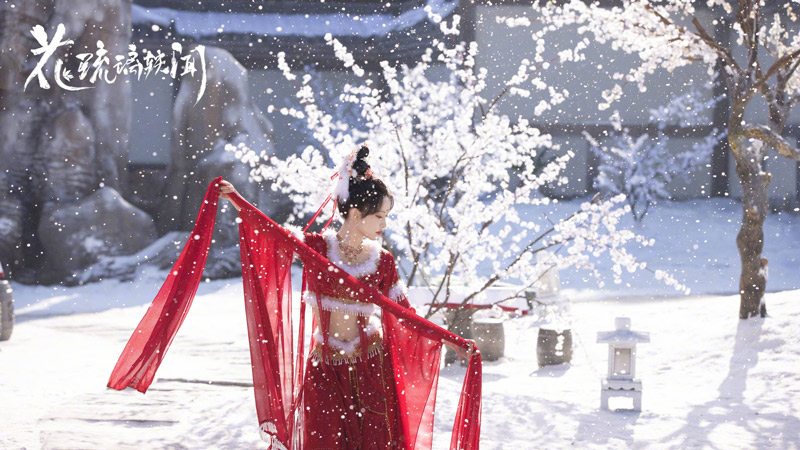
Her performance balances physical humor (e.g., exaggerated swooning) with subtle cunning. In one scene, she "weakly" accepts gifts from officials while subtly blackmailing them into returning stolen artifacts. The act of "playing dumb to trap tigers" becomes a weapon—her feigned ignorance disarms villains, making their downfall doubly satisfying.
Despite moderate production costs, the drama delivers lavish Tang-era aesthetics. Hua Liuli's costumes transition from pastel "frail maiden" robes to gold-embroidered gowns as she gains influence. Her hairstyles—adorned with floral hairpins and trailing ribbons—mirror the character's duality: delicate bangs conceal a forehead huadian (花钿) that symbolizes hidden strength.
Unlike intense revenge dramas, this series thrives on whimsical wit. The romance unfolds through sarcastic banter (e.g., the prince dubs Hua Liuli "a scheming rabbit"), and supporting characters add farcical flair—like the narcissistic Prince Ying who serenades himself8. The absence of tragic twists makes it ideal for light viewing.
Hua Liuli and Ji Yuanxu's relationship subverts stereotypes: their union is a partnership of equals. He admires her strategic mind; she respects his integrity. Their wedding finale—where he vows monogamy despite royal traditions—reinforces the drama's theme of agency over obligation.
The Legend of the Condor Heroes 射雕英雄传
 The Legend of the Condor Heroes 射雕英雄传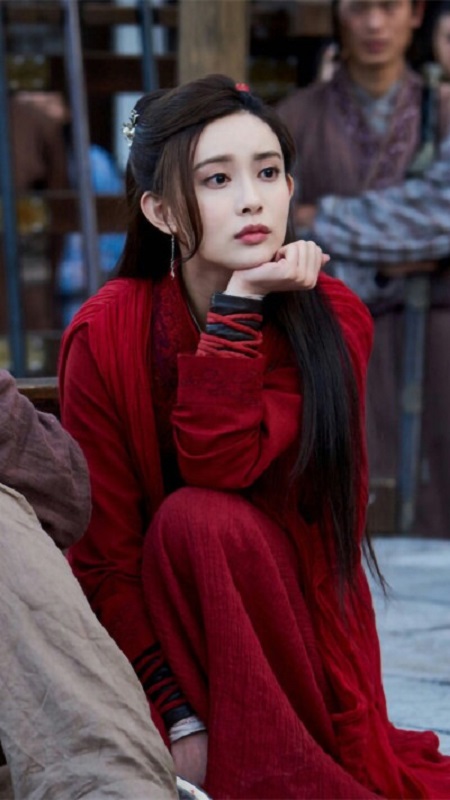
- Aired: 2017
- Period Background: Southern Song Dynasty (1127–1279), amid Mongol invasions and Han resistance
- Genres: Wuxia epic, loyalty/betrayal, coming-of-age
- Main Roles: Meng Ziyi as Mu Nianci (orphaned martial artist), Yang Xuwen as Yang Kang (conflicted Jin prince), Yang Xuwen as Guo Jing (righteous protagonist), Li Yitong as Huang Rong.
- Adapted From: Jin Yong's 1957 novel The Legend of the Condor Heroes
Trained by her adoptive father Yang Tiexin, she vows to avenge her family's massacre by Jin soldiers. Her martial prowess earns renown, yet her world narrows to Yang Kang—the nobleman unaware of his true Han heritage.
She competes for Yang Kang's hand in a public martial contest (比武招亲), winning but discovering his allegiance to the enemy Jin dynasty. Her conflict crystallizes: loyalty to her people versus devotion to a man manipulating her love.
After Yang Kang murders her adoptive father and allies with the Jin to assassinate Southern Song patriots, Mu Nianci confronts him at Jiaxing's Iron Spear Temple. In a rain-soaked duel, she disarms him but cannot strike—her sword trembling between his heart and her shattered ideals.
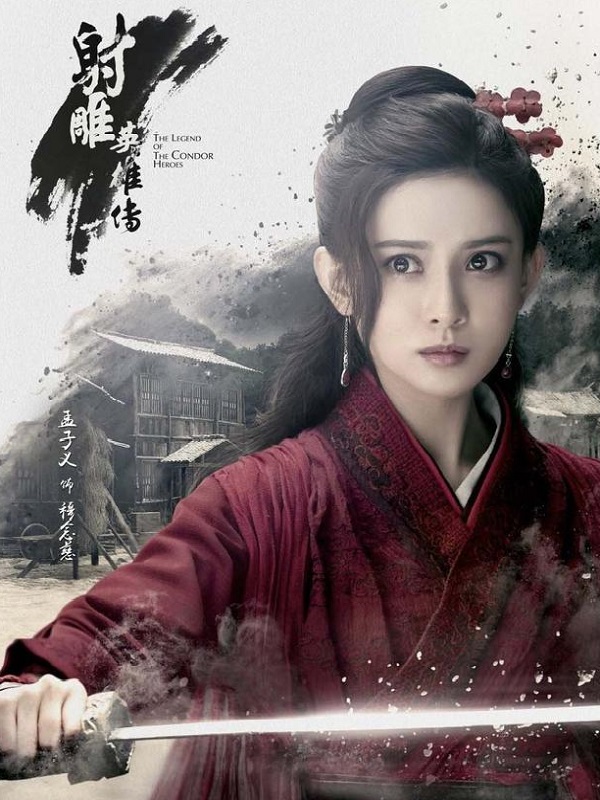
Pregnant with Yang Kang's child (future hero Yang Guo), she retreats from Jianghu, symbolizing the cost of war on women's agency. Her final scene—cradling her infant alone—rejects revenge, choosing maternal resilience over bloodshed.
She rejected Mu Nianci's traditional "victim" portrayal. Instead, her combat grace fused balletic spearwork with emotional transparency—eyes widening in betrayal, posture collapsing when Yang Kang mocks her father. The duel scene's 2-minute single take became a masterclass in restrained agony.
The 2017 remake earned 8.0/10 on Douban for avoiding CGI gimmicks. Real locations (Gobi Desert, Jiangnan wetlands) grounded its wuxia ethos. Fight choreography honored Jin Yong's descriptions: Mu Nianci's "Yulan Steps" (玉兰身法) flowed like "willow branches in a typhoon".
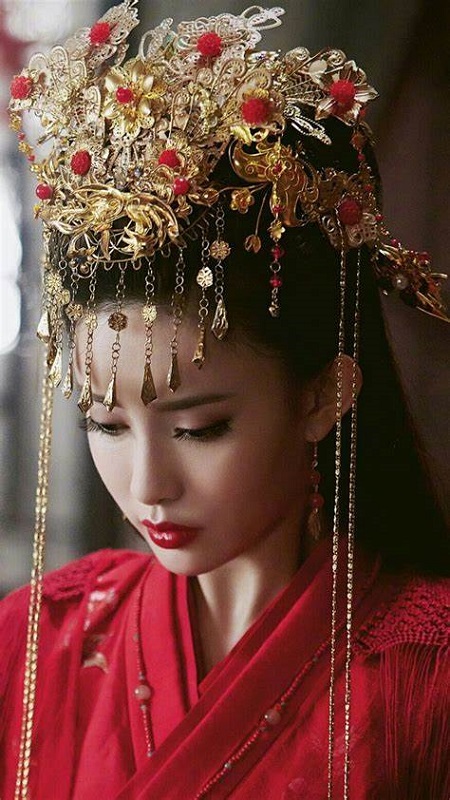
Unlike older adaptations, this version balanced youth (newcomers Yang Xuwen, Li Yitong) with veterans (Miao Qiaowei as Huang Yaoshi). Meng's chemistry with Yang Xuwen elevated their tragedy—their whispered arguments in Episode 34 crackled with desperate love.
This role established Meng's signature—characters who bleed before they conquer. Mu Nianci's quiet exit foreshadowed Meng's future anti-heroines.
Heroes 说英雄谁是英雄
 Heroes 说英雄谁是英雄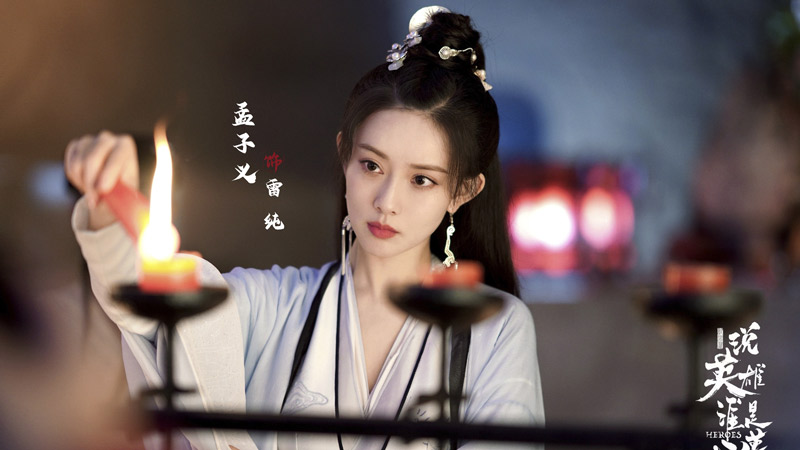
- Aired: 2022
- Period Background: Northern Song Dynasty (960–1127), Jianghu underworld fracturing under imperial decay
- Genres: Jianghu action, brotherhood betrayal, political noir
- Main Roles: Meng Ziyi as Lei Chun, Joseph Zeng as Wang Xiaoshi, Liu Yuning as Bai Choufei.
- Adapted From: Wen Rui'an's Saying the Hero Who Is the Hero novel series
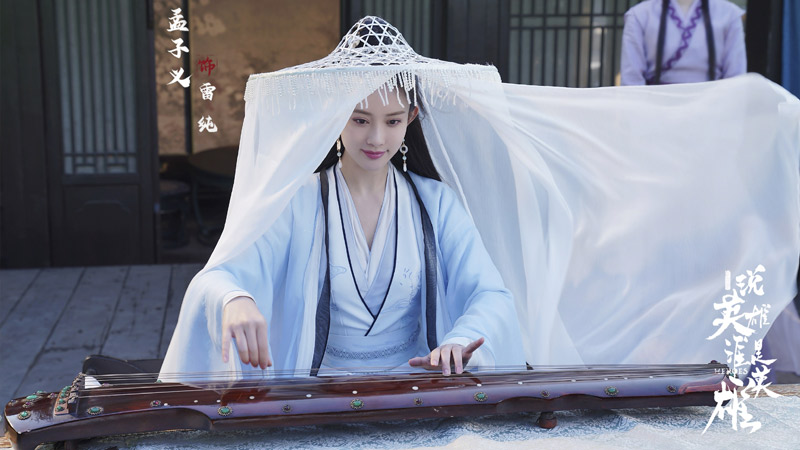
Introduced in white gauze, Lei Chun oversees Liuban Hall's opium and assassination networks with chilling efficiency. Her adoptive father, Lei Gong, grooms her as a "weapon," yet she secretly yearns for Wang Xiaoshi's world of honor.
When Wang Xiaoshi exposes Lei Gong's trafficking of Song defectors, Lei Chun helps him escape—betraying her faction. Their moonlight duel (Ep. 14) ends with her dagger at his throat, then dropping it: "Killing you won't kill my doubt".
After rivals murder Lei Gong, she abandons mercy. Donning black robes and blood-red lipstick, she poisons enemies and beheads traitors. In the climax, she ignites Liuban Hall's headquarters, smiling as flames consume her childhood—and humanity.
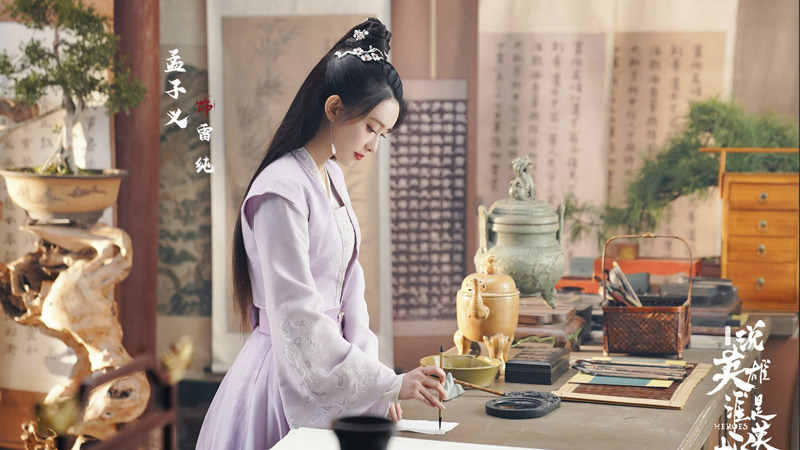
Her physicality shifted radically—early scenes featured rigid posture and monotone commands; post-betrayal, she moved like a "tigress stalking prey." The white-to-black costume transition visualized her moral erosion.
Director Li Muge framed her eyes as emotional anchors. Close-ups during killings showed tears welling then vanishing—a metaphor for extinguished hope. The "flame burial" finale, shot in slow-motion ash fall, remains a visual benchmark.
The series explored Jianghu's corruption—brotherhoods selling refugees, "heroes" profiting from war. Lei Chun's fall asked: Can loyalty exist in a broken system? Her answer was self-immolation.
Unlike Mu Nianci's retreat, Lei Chun chose damnation—Meng's evolution into morally complex roles.
The Twin Flocks of Jiao 浮世双娇传
 The Twin Flocks of Jiao 浮世双娇传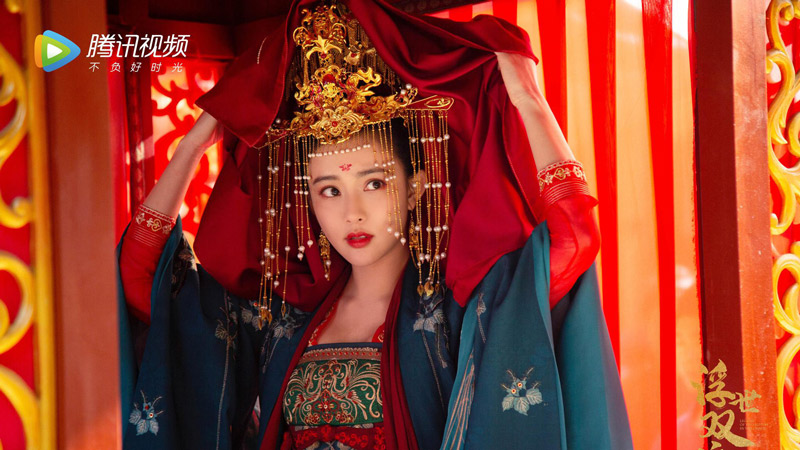
- Aired: 2020
- Period Background: Five Dynasties and Ten Kingdoms (907–960)—chaotic transition post-Tang collapse
- Genres: Historical comedy, royal romance, political farce
- Main Roles: Meng Ziyi as Fu Rong (prophesied queen), Aarif Rahman as Emperor Li Hou, Li Ziting as Fu Yu (sister).
- Adapted From: Web novel Crowd of Two Jiao
A royal astrologer declares Fu sisters "future queens," forcing them to fake incompetence. Fu Rong "accidentally" sets palace kitchens ablaze, "misplaces" diplomatic seals, and "faints" during sword dances—all to avoid political marriages.
Emperor Li Hou, aware of her ruse, tasks her with spying on rivals. Their banter hides mutual attraction. In Episode 11, she "ruins" a Khitan banquet by swapping pepper for sugar in roast lamb—culinary sabotage masking intelligence gathering.
When warlords attack the capital, Fu Rong drops her act—organizing defenses using tea ceremony codes (点茶暗号) and ink-painting signals (水墨传讯). She marries Li Hou not as a pawn, but as a partner: "A queen's crown is heavy. Help me wear it".
Her slapstick echoed Zhou Xun's Huang Rong—tripping over robes while "fleeing" suitors (Ep. 5), sneezing tea onto ministers (Ep. 19). Yet subtlety emerged in quiet moments: tracing battle maps in spilled wine, revealing strategic genius.
Song Aesthetics: The drama integrated period artistry—Fu Rong's hairpins replicated Song murals, while banquet scenes featured authentic "tea competitions" (斗茶) and Bianjing street food.
Fu Rong and Fu Yu's bond countered harem rivalry tropes. Their sisterly teamwork—outwitting chauvinist ministers—offered progressive humor. Meng's delivery of "A throne won by pretending foolish? That's true wisdom" became a viral quote.
This proved Meng's versatility—from Mu Nianci's tragedy to Lei Chun's fury, then Fu Rong's wit. Comedy became her stealth weapon.
The Princess's Gambit 桃花映江山
 The Princess's Gambit 桃花映江山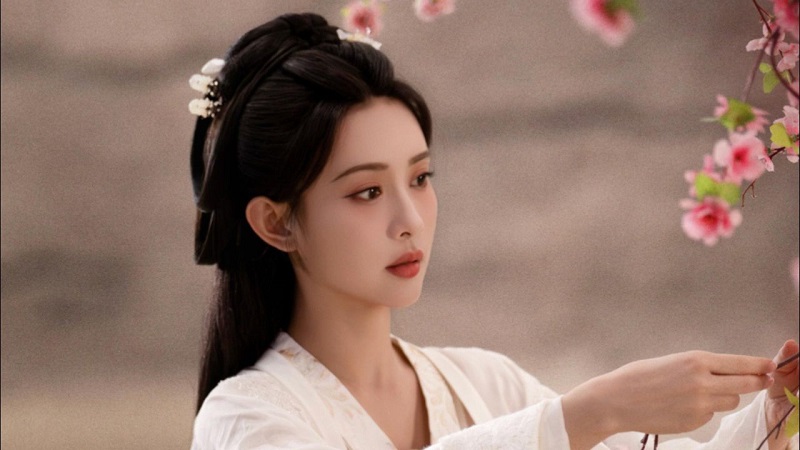
- Aired: 2025 (Upcoming, premieres June 20 on Tencent Video)
- Period Background: Fictional dynasties—Qi Kingdom vs. weak Beiyuan State
- Genres: Political romance, Marriage of convenience, Wuxia elements
- Main Roles: Meng Ziyi (Princess Jiang Taohua), Liu Xueyi (Prime Minister Shen Zaiye)
- Adapted From: Novel The Peach Blossom Folds the Mountains
To avoid invasion, weak princess Jiang Taohua marries Qi's feared Prime Minister Shen Zaiye. Initially plotting mutual destruction (attempting assassination 3 times in 5 episodes!), they gradually unite to expose court conspiracies. Their icy relationship thaws into a strategic power couple defending the realm.
Meng Ziyi's legacy in historical storytelling rests on one principle: complexity is compelling. She rejects simplistic portrayals, whether as a princess wielding diplomacy like a blade or a rebirth avenger balancing fury with grief. Her characters navigate power struggles with palpable humanity—stumbling, adapting, enduring. This authenticity transcends costumes and sets. In an era of formulaic heroines, Meng insists on nuance. She lets a character's silence speak louder than swords, proving depth needs no decoration. Watch her not for escapism, but for raw, unwavering truth in silk and armor.