Article
Search results:
-

Why Costume Dramas Has Same Clothes?
If you've seen the stills of costume dramas like Moyu Yunjian and For the Sake of the Hidden Fragrance, you'll notice that director Yu has a particular preference for one type of clothing style: the shirt and skirt ensemble. It's the most common style in traditional Chinese clothing and also the easiest to mass - produce and replicate. It's like wearing hundreds of different - colored shirts. Can you really not get aesthetically tired of it? Styles of Shirt and Skirt The upper part of the shirt and skirt can be in the styles of cross - collar, front - closing, or shallow cross - collar. The lower skirt is usually a split skirt or a pleated skirt. Simply put, if you change the fabric and color of the upper shirt and the lower skirt respectively, it counts as a new set of clothes. The dynasties when the shirt and skirt were most popular were the Tang and Song dynasties. The styles of the shirt and skirt in these two periods were different. In the Tang Dynasty, the skirt was tied high to the chest, showing a luxurious and noble style. In the Song Dynasty, the skirt returned to the… -

A Date with Hanfu in the Spring Breeze
On March 29, 2025, as the 'Spring Festival Elder' Luoxia Hong from Langzhong and famous lyricist Fang Wenshan jointly opened the door, the 2025 Langzhong Hanfu Festival grandly kicked off at the Chengqing Gate in Langzhong Ancient City, Sichuan. The event, themed 'Roaming in Langzhong with Hanfu, Spreading the Glory of Chinese Culture', attracted thousands of Hanfu enthusiasts from all over the country to gather in Langzhong Ancient City for the 'Dynasty Carnival'. It was a feast that allowed people to glimpse the beauty of Hanfu across thousands of years. The term 'tongpao' refers to contemporary Hanfu lovers. At 9:30 a.m., the 'Spring Festival Elder' Luoxia Hong, dressed in Hanfu and holding a celestial globe, started the event, accompanied by the dance of twenty - four flower fairies. Various phalanxes, including those representing the Han, Three Kingdoms, Tang, Song, and Ming dynasties, as well as wedding, twelve flower fairies, intangible cultural heritage peddler, Hanfu merchant, parent - child, public, and flag phalanxes, paraded in turn. More than 1,000 Hanfu enthusiasts, with delicate makeup and elegant accessories, showed the classical and elegant beauty of Hanfu to the fullest. The 'Dynasty Carnival' was based on China's excellent historical culture, with elements such… -

Bai Lu vs Li Yitong: Same Little Fox Fairy Hanfu
In many ancient costume or xianxia (仙侠) dramas nowadays, the same costume stylist is often used, so it's easy to have some "dressing alike" situations. Bai Lu and Li Yitong not only wore the same clothes but also had the same hairstyle. They both had the little fox makeup and styling. Moreover, there is only a four - year age gap between Li Yitong and Bai Lu. Many people even say they look like twins and sometimes can't tell them apart. But with the same Hanfu and hairstyle this time, unexpectedly, Bai Lu looks more like Li Yitong's elder sister. Analysis of Bai Lu's Hairstyle and Appearance in Xianxia Drama First, let's look at the hairstyle. There are two frizzy ponytails on the head, highlighting the little fox's liveliness and playfulness. Double ponytails also make one look more innocent. Xianxia Hanfu usually has a slightly exaggerated beauty, creating an effect of a mountain elf. Bai Lu is just like this. From afar, she looks exactly like a little fox from the forest taking its first step into the world, lively and a bit cute. Bai Lu's face and figure are quite ordinary. With a face shape more like that of… -

What's the Best Material for Cheongsams?
The cheongsam, hailed as the 'second skin' of Chinese women, owes its charm not only to its exquisite tailoring but also to the texture of its fabric. The material of a cheongsam directly determines its comfort, aesthetics, and suitability for different occasions. So, what material is the most suitable? This article combines traditional craftsmanship with fashion trends to reveal the golden rules of cheongsam material selection. I. Top List of Classic Materials: Eastern Charm from Tradition to Modernity 1. Silk: A Synonym for Luxury and Heritage Advantages: Silk cheongsams are known for their softness, skin - friendliness, breathability, and moisture absorption. The natural luster can perfectly present the drape and noble temperament of the cheongsam. Traditional silk fabrics such as double - crepe, habutai, and Hangzhou gauze are especially suitable for summer receptions or banquets, looking as light and elegant as a 'walking work of art'. Points to note: They require professional dry - cleaning and should be protected from direct sunlight and friction to avoid snagging. 2. Satin: The First Choice for High - End Cheongsams Features: Fabrics like brocade and antique satin have a natural high - end luster. When paired with intangible cultural heritage techniques such as… -

Qingdao's Ronghua Aunts Bring Traditional Crafts into Fashion
The national trend has swept through the streets, and one can always catch two distinct charms in the fluttering skirts - the qipao is as graceful as an ink - colored peony, while the Hanfu unfolds like a landscape painting. This is not just a choice of clothing but a profound exploration of how Eastern aesthetics can thrive. Time - honored Codes in Stitches Qipao: A Poetic Declaration of Body Awakening In 1920, on Shanghai's Avenue Joffre, tailors used a copper ruler to measure the contours of the new era. The improved qipao tightened its wide sleeves, locked a bit of reserve with a standing collar, yet revealed a hint of allure through its side slit. The women in gossamer - silk qipaos in Eileen Chang's works walked on the Bund in high - heels, and each step echoed the call for freedom on the cobblestones. Today's silk qipaos still shine. Craftsmen at the Hangzhou Silk Museum have embedded Suzhou - embroidered peonies into the texture of acetate fiber, allowing ancient craftsmanship to blossom on modern fabrics. Hanfu: A Contemporary Narrative of a Thousand - year - old Civilization At the foot of the Xi'an City Wall, girls in cross… -

Must-Watch Chinese Anime: Renegade Immortal 2025
When the opening theme of the anime hit 230 million views on Bilibili, this cultivation anime adapted from the novel of the same name by author Er Gen is setting off a new wave in the Chinese anime field. Different from, which tells a story of a commoner's counter - attack, the cultivation world constructed in is a philosophical maze about “Going with the flow makes one ordinary; going against it makes one a celestial being”. The animation production team, with top - notch production that burns millions per second, has pioneered a new paradigm of Eastern cultivation aesthetics in the field of 3D animation. The Dimensional Leap of Cultivation Narrative The visual translation of the original text in the anime is amazing. When Wang Lin was practicing in the Hengyue Sect, the production team used particle effects to construct the trajectory of spiritual energy flow, transforming the originally abstract text description into a visual energy map. When the protagonist uses the “Extinction Finger”, the ink - style shockwaves bloom layer by layer in the 3D space. This visual deconstruction of cultivation skills gives traditional Xianxia (仙侠) elements a cyber - punk future sense. In terms of character creation, the… -

Wearing Hanfu to Appreciate Flowers, Explore Scenery
Recently, Xiamen University Tan Kah Kee College held the "Our Festival • Huachao" event on the lake - heart island in the campus. The event was bustling with people, featuring activities such as flower - viewing, arrow - throwing, riddle - guessing, and club exhibitions. The golden trumpet tree forest on the island was in full bloom, and teachers and students came together to embrace the spring. The Huachao Festival, also known as the "Flower God Festival" or commonly referred to as the "Birthday of All Flowers", was once one of the "Eight Festivals of the Year" along with the Lantern Festival, Dragon Boat Festival, Mid - Autumn Festival, and Double Ninth Festival. It is usually celebrated in the second lunar month. During the Tang Dynasty, the Huachao Festival and the Mid - Autumn Festival were collectively called "Huachao Yuexi" and were extremely popular. The Flower God Ceremony was one of the highlights of the event. Members of the Hanzhihua Zhang Hanfu Club wore the Hanfu representing the twelve "Flower Gods". Led by Zhu Yingbei, the deputy dean of the School of Humanities and Communication, they completed the offering ceremony following the procedures in Zhou Li • Chun Guan, recreating… -
A Hanfu Class in Chengdu City
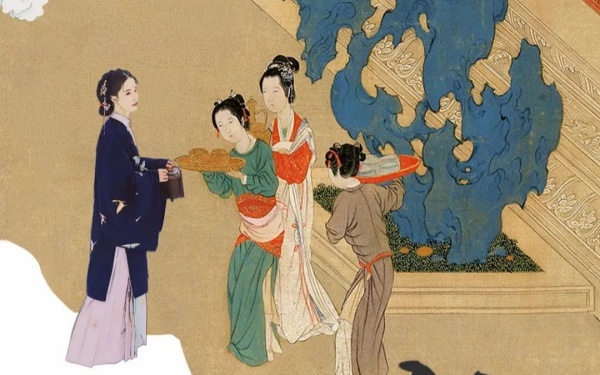
In the long history of the ancient Chinese land, China enjoys the great reputation of being the “Country of Elegant Attire”, the “Land of Beautiful Costumes”, and the “State of Etiquette”, all of which are closely related to Hanfu. In modern life, Hanfu is not an everyday outfit. We can often see it only in large - scale traditional celebrations, exquisite photo shoots, and ancient - costume TV dramas. So, what kind of etiquette connotations are hidden behind Hanfu, which carries thousands of years of culture? Let's explore the profound world of Hanfu culture to find the answer. Hanfu, the traditional clothing of the Han ethnic group with a millennium - long inheritance, is based on the essence of the Four Books and Five Classics and has followed the traditions in the Records of Carriages and Attire for thousands of years. The ceremonial robes have always adhered to the etiquette norms with few major changes over time. On the other hand, the daily clothing of the common people has become increasingly diverse as time goes by. As the unique traditional ethnic clothing of the Han people, Hanfu has a history of more than 4,000 years. Nourished by the wisdom and… -
The Ultimate Chengdu Travel Guide - International Travelers
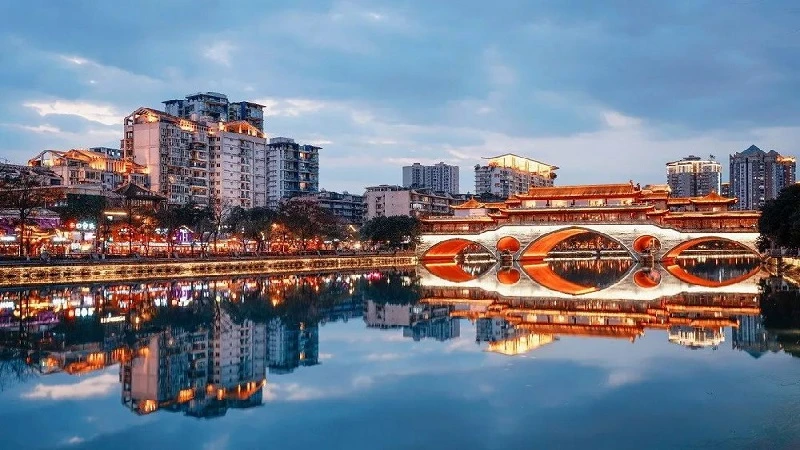
Chengdu, China's "Land of Abundance," is more than just the hometown of giant pandas. This 2,300-year-old city in Sichuan Province is a living museum of Han Dynasty relics, UNESCO-listed cuisine, and a gateway to Tibet's eastern foothills. For International Travelers fascinated by China's history, spirituality, and culinary arts, Chengdu offers an immersive blend of ancient traditions and cosmopolitan energy. Let's unlock your perfect trip! Visa & Entry: Stress-Free Arrival 144-Hour Visa-Free Transit Citizens from 53 countries (including the US, UK, Canada, and EU nations) can enjoy Chengdu's 144-hour visa-free policy when transiting through Chengdu Shuangliu International Airport. Requirements: Valid passport (6+ months). Onward flight ticket to a third country/region within 144 hours. Restricted travel area: Chengdu, Leshan (Giant Buddha), Ya'an (panda base), and select cities. Pro Tip: Avoid Jiuzhaigou Valley—it's outside the visa-free zone. Regular Tourist Visa (L Visa) For longer stays or broader travel plans, apply for a China Tourist Visa at your local embassy. Processing takes 4–7 days. You can apply for this at your nearest Chinese embassy or consulate. The process typically requires your passport, a completed application form, a recent photo, and proof of your travel itinerary and accommodation bookings. Some nationalities may also need to… -
When Digital Native Kids Crave Retro Childhoods
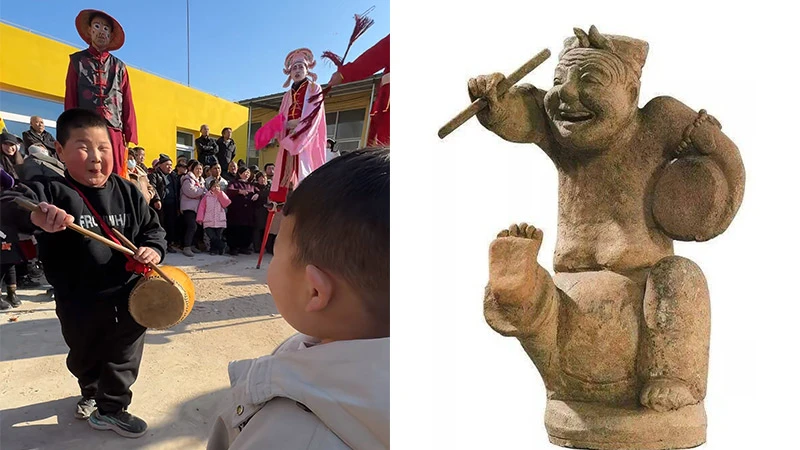
In a village square in Shandong province, 11-year-old Huang Ruoxi stomps her feet with precision, sending reverberations through a set of drums arranged like celestial constellations. Her round cheeks flushed pink, two buns tied atop her head, she performs the Pan Drums Dance (盘鼓舞)—a 2,000-year-old Han Dynasty drum dance nearly lost to history. Meanwhile, 1,000 kilometers north in Hebei, 8-year-old Gao Haoran channels the spirit of Eastern Han storytellers, his comically exaggerated facial expressions and thunderous Martial Drumming (武鼓) drawing comparisons to China's iconic 2nd-century Shuochang Yong (说唱俑, Speaking and Singing Figurines). These children—dubbed "retro kids" by Chinese netizens—are sparking a cultural reckoning. Amid a sea of Gen Alpha peers glued to TikTok clones and mobile games, they've become unlikely ambassadors for traditions stretching back millennia. Social media floods with comments: "She's stepped straight out of a textbook illustration!" and "This kid's vibe is so…pre-2010s!" The phenomenon reveals a generational paradox. While China's youth are often stereotyped as digital natives addicted to virtual worlds, a growing cohort is reviving folk arts through school programs, family legacies, and yes—viral videos. UNESCO reports a 37% increase in China's intangible cultural heritage apprentices under 18 since 2020. From dragon dances in Guangdong to… -
Three Generations Breathing Life into China's Bottled Masterpieces
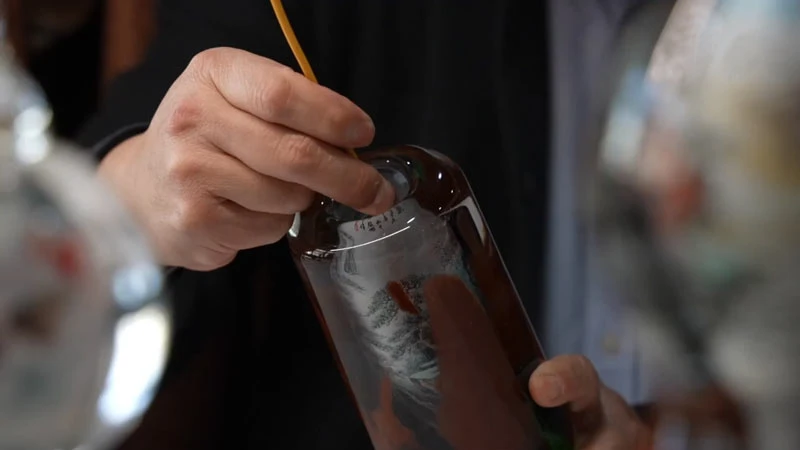
How a Brush Transforms Glass into Art In the quiet corners of Zibo (淄博) City's Boshan District, Shandong Province, an 81-year-old master named Zhang Guangzhong bends over a worktable, his hands steady as he guides a hair-thin brush through the narrow mouth of a snuff bottle. Inside this "bean-sized" aperture, mythical beasts gallop across miniature landscapes, and 500 arhats (Buddhist saints) gather in silent contemplation—all painted in reverse. This is the elusive craft of Lupai Neihua (鲁派内画), or Shandong-style inner-bottle painting, a national intangible cultural heritage that turns humble glass vessels into portals to China's artistic soul. For Zhang, this ritual is more than a vocation—it's a lifelong meditation. Since 1964, when he joined Boshan Art Glass Factory's inner-bottle painting division, he has spent over 60 years refining his technique under masters like Zhang Wentang and Xue Jingwan. Unlike Western miniature painters who work on flat surfaces, Lupai artists must visualize their compositions backward, their brushstrokes defying gravity as they paint on the inner walls of bottles. The tools themselves are marvels: custom-made brushes with curved bamboo handles and resilient weasel-hair bristles, designed to navigate the glass labyrinth. Zhang's works, such as Hundred Beasts and Five Hundred Arhats, are celebrated… -
How Jiangnan Embroidery Stole the Show at APEC
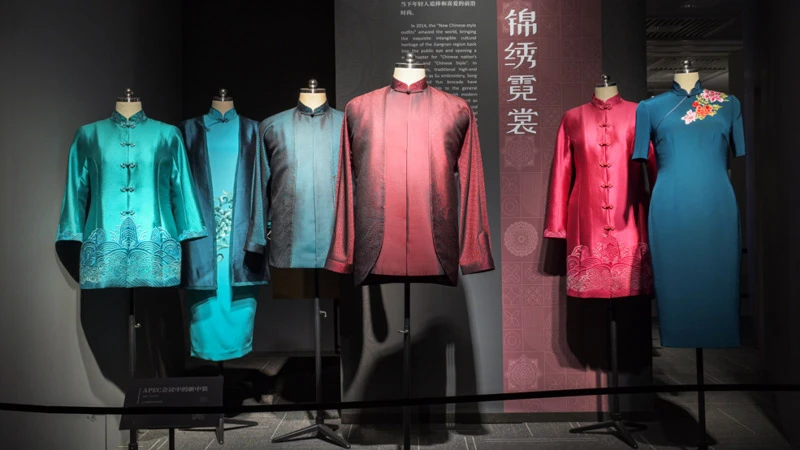
When world leaders stepped onto the global stage at the 2014 APEC Summit in Beijing, their attire transcended mere diplomatic protocol. The "New Chinese Attire" (新中装) became an instant cultural phenomenon—a sartorial manifesto that bridged millennia of craftsmanship with 21st-century innovation. This meticulously curated wardrobe did more than clothe dignitaries; it reintroduced the world to Jiangnan's textile heritage while sparking a "Guofeng" (国风) revival that continues to shape China's contemporary fashion identity. Today, as traditional techniques like Su embroidery (苏绣) and Song brocade (宋锦) find fresh relevance in streetwear and haute couture, the South China Museum's exhibition Splendid Jiangnan: The Golden Age of Chinese Textile Art (锦绣江南——中国传统织绣工艺的巅峰创造) revisits this pivotal moment, unpacking how six iconic APEC ensembles became catalysts for cultural reinvention. From Imperial Workshops to Global Runways The Yangtze River Delta's Jiangnan (江南) region, long celebrated as the cradle of Chinese textile excellence, has cultivated textile arts for over 2,000 years. During the Ming and Qing dynasties, Suzhou's embroidery ateliers and Nanjing's brocade looms supplied the imperial court with fabrics so exquisite they were deemed "cloth woven by clouds." Yet by the late 20th century, many of these crafts faced extinction, preserved only in museum archives or practiced by… -

Forged in Flames: The Artistry of Quanjude's Peking Duck
In the heart of Beijing, where ancient Hutongs whisper tales of dynasties past, a culinary masterpiece has been perfected over 160 years—not in the quietude of a scholar's study, but in the roaring flames of a hanging oven. Quanjude (全聚德) Peking Duck, a dish synonymous with imperial grandeur and modern ingenuity. Since its founding in 1864 by Yang Quanren, a visionary duck vendor from Hebei, Quanjude has transformed the humble duck into a cultural icon, its roasting technique enshrined in 2008 as a National Intangible Cultural Heritage. Yang's genius lay not merely in recipe, but in ritual. Passing through seven generations of masters—each apprenticed in the sacred fires of the oven—the art of Quanjude's hanging-oven roasting (挂炉烤鸭技艺) has endured wars, revolutions, and the frenetic pulse of globalization. Today, as the aroma of applewood-smoked duck wafts through its doors, Quanjude stands as both guardian and innovator: a ¥1 billion-a-year empire straddling tradition and modernity. How to Handle Crisp and Tenderness To witness a Quanjude chef at work is to observe a choreography as precise as calligraphy. The creation of a perfect Peking duck unfolds in two acts: zhì bēi (制坯, crafting the blank canvas) and kǎo zhì (烤炙, the baptism by… -
The 7th China Contemporary Craft Art Biennale
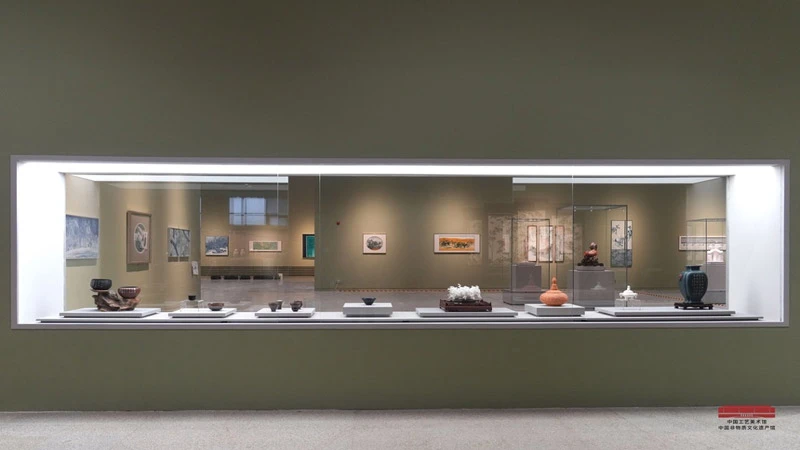
On March 10, 2024, Beijing's China Craft & Art Museum and China Intangible Cultural Heritage Museum unveiled their most ambitious showcase yet: the 7th China Contemporary Craft Art Biennale. Titled "Epochal Ingenuity", the exhibition spotlights over 720 pieces of contemporary craftsmanship—from intricate jade carvings to avant-garde glass sculptures—crafted by 809 artisans across 31 provinces. Walking through the galleries, visitors encounter a bronze teapot etched with AI-generated fractal patterns, silk embroideries depicting urban skylines, and lacquerware fused with recycled tech components. One standout piece: a ceramic installation by 38-year-old artist Zhang Yue, who reimagined Tang Dynasty tri-color glazes using 3D-printed textures to critique digital-age isolation. Who's Shaping China's Craft Renaissance The biennale's roster reads like a who's who of China's creative vanguard: National Heritage Guardians: Like 72-year-old Su Xiu master Yao Huifen, whose embroidered scroll "A Thousand Threads of the Yangtze" took three years to complete. Provincial Innovators: Such as Yunnan's Li Jia, who blends Bai ethnic tie-dye with neon pigments for psychedelic wall hangings. Academic Pioneers: Tsinghua University's Prof. Wang Lin leads a team experimenting with nanotech-infused cloisonné. Notably, 45% of exhibitors are under 40—a shift from previous editions. Jiangsu-based metalworker Chen Hao, 28, exemplifies this new wave. His series… -
Echoes of Dunhuang: Dance Drama Silk Road Flower Rain
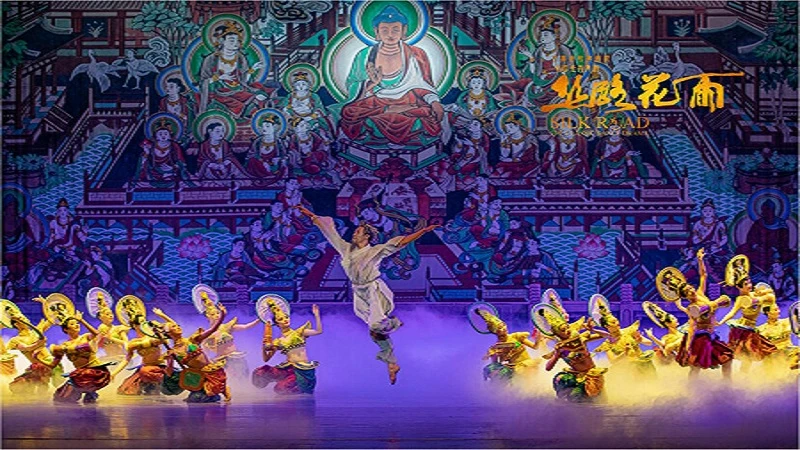
In the words of a 9th-century Dunhuang scribe: "The winds of the Silk Road may fade, but the dance of the mural endures." Let Silk Road’s timeless tales stroke you like the Flower Rain. A Dance That Transcends Time When the curtain rises on Silk Road Flower Rain (丝路花雨), audiences are not merely watching a performance—they are stepping into history. For 45 years, this groundbreaking dance drama has enchanted the world, weaving together the artistry of Dunhuang's (敦煌) murals, the spirit of the Silk Road, and the universal language of human connection. As it prepares to grace the stage of Guangzhou's Friendship Theatre on April 18–19, 2024, the production reaffirms its status as a cultural titan, one that breathes life into ancient tales. Since its 1979 debut in Lanzhou, Silk Road Flower Rain has transcended borders, performing over 4,000 times across 40 countries, from the grand theaters of Paris to the historic stages of Kyoto. Its accolades—"the living Dunhuang murals (敦煌壁画)," "China's answer to Swan Lake"—speak to its unparalleled fusion of myth, movement, and music. At its heart lies a story as old as the Silk Road itself: the bond between a Dunhuang painter, Shen Bi Zhang (神笔张); his daughter… -
Chinese Martial Arts' New Face Ignites Global Stage
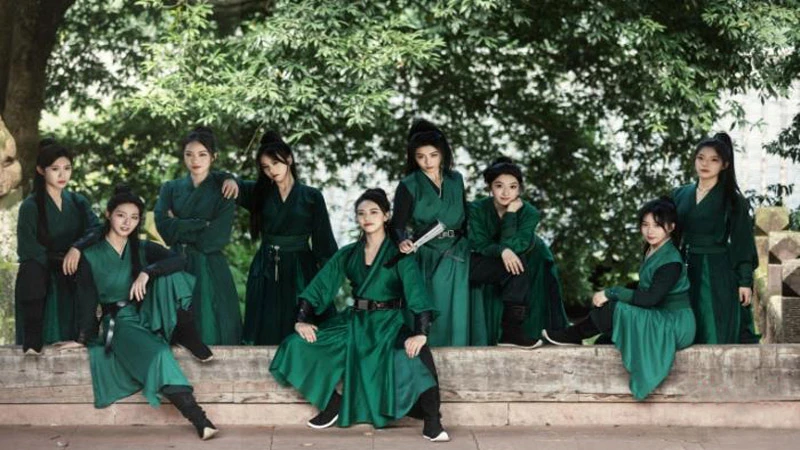
China's strongest kids in the street dance scene The roar of the crowd at Paris' Bercy Arena was deafening. Under the bright lights of the 2025 Juste Debout World Street Dance Finals, spectators from around the world held their breath as two young Chinese dancers took the stage. But what followed was unlike anything seen before. Ten-year-old Song Haoming from Jiangsu and twelve-year-old Fu Junxi from Guangxi were about to make history. Blending the fluidity of Tai Chi with the explosive energy of Shaolin whirlwind kicks (少林旋风腿), they performed an electrifying routine that seamlessly fused traditional Chinese martial arts with contemporary street dance. With every precise movement—whether the open-handed elegance of Drunken Fist (醉拳) or the controlled power of Southern Fist (南拳)—they shattered expectations, redefining the boundaries of urban dance. In a competition where age holds no restrictions, the duo's "martial arts street dance" stunned audiences and led them past two foreign teams into the final four—an unprecedented achievement for Chinese contestants. Online reactions exploded: "Are all Chinese kids born as Jackie Chan?" "Chinese artistry is always mesmerizing!" "This dance was mesmerizing—I absolutely love it!" Meanwhile, Chinese netizens celebrated their success, dubbing them "China's strongest kids" in the street dance… -
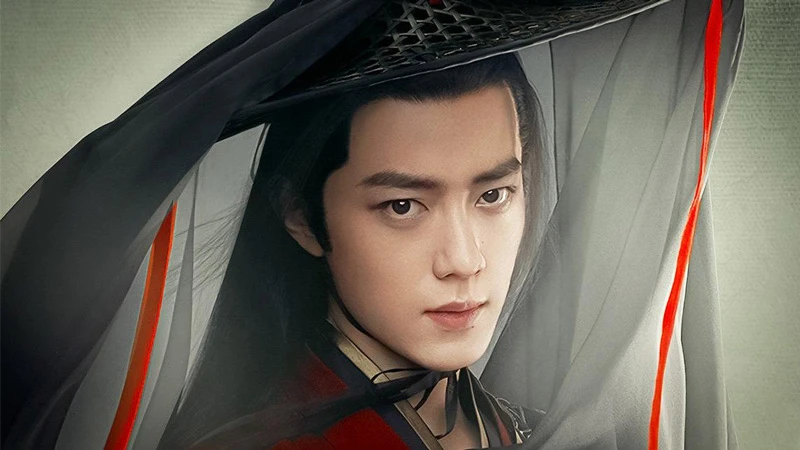
Top 7 Xiao Zhan's Must-Watch Cdramas and Films
As one of China's most versatile actors, Xiao Zhan (肖战) has carved a unique niche in the world of historical and fantasy serie. His roles often showcase not only his acting range but also the intricate beauty of traditional Chinese aesthetics—from flowing hanfu robes to meticulously recreated imperial settings. Whether you're drawn to epic tales of loyalty and heroism, intricate political intrigues, or soul-stirring romances set against mythical backdrops, Xiao Zhan's dramas deliver unforgettable narratives. This guide will spotlight his most iconic period dramas. Prepare to be captivated by sword-clashing grandeur, poetic storytelling, and a star whose talent shines as brightly as the worlds he brings to life. Cang Hai Zhuan 藏海传 Aired: 2025 (Upcoming) Genres: Historical, Political Intrigue, Revenge Main Roles: Xiao Zhan (Cang Hai), Zhang Jingyi (Xiang Antu) Set in the fictional Great Yong dynasty, Cang Hai Zhuan revolves around the titular character (Xiao Zhan), a survivor of a clan massacre who dedicates a decade to mastering strategy, craftsmanship, and political manipulation. His mission: infiltrate the imperial court disguised as a scholar to unravel the conspiracy behind his family's annihilation. The story intertwines personal vengeance with national salvation as Cang Hai climbs the bureaucratic ladder, forging fragile alliances… -
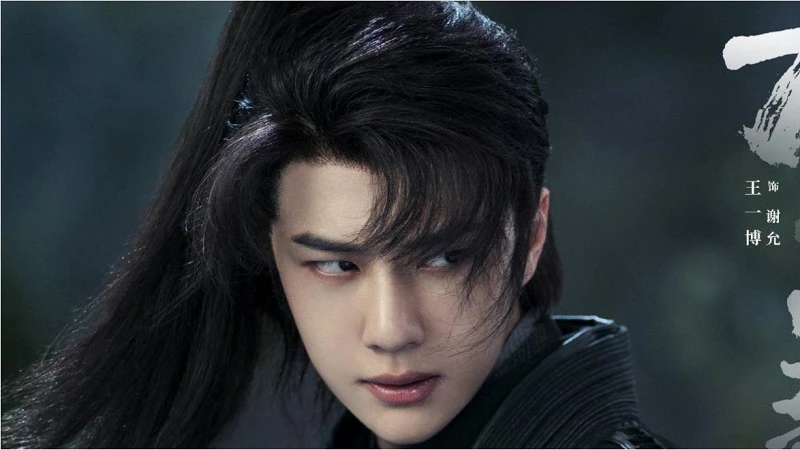
Top 3 Wang Yibo's Period Cdrama List
Imagine wandering through mist-shrouded mountains where immortal cultivators duel with spells, or bustling Tang Dynasty markets humming with Silk Road traders and political conspiracies. This is the world of Wang Yibo's Period dramas—a gateway to China's mythic past, where history and fantasy collide in breathtaking spectacle. Wang Yibo (王一博), a rising star with over 40 million Instagram followers, has become an unlikely ambassador of Chinese culture. His roles—whether as a stoic swordsman, a rogue prince, or a genius scholar—transcend language barriers, blending Confucian ideals with modern charisma. Below is a curated guide to his Top 3 Period Dramas. The Untamed 陈情令 Aired: June–August 2019 Period Background: Fictional ancient China, inspired by the Five Great Clans system. Genres: Fantasy, Xianxia (immortal heroes), Mystery, Bromance Main Roles: Wang Yibo as Lan Wangji (蓝忘机), Xiao Zhan as Wei Wuxian (魏无羡) Adaptation Source: Based on Mo Xiang Tong Xiu's novel Grandmaster of Demonic Cultivation At its core, The Untamed is a story of defiance and devotion. Set in a world where powerful clans cultivate spiritual energy to combat supernatural evils, the series follows two contrasting souls: Lan Wangji, the icy yet righteous heir of the Gusu Lan Clan, and Wei Wuxian, a free-spirited prodigy… -
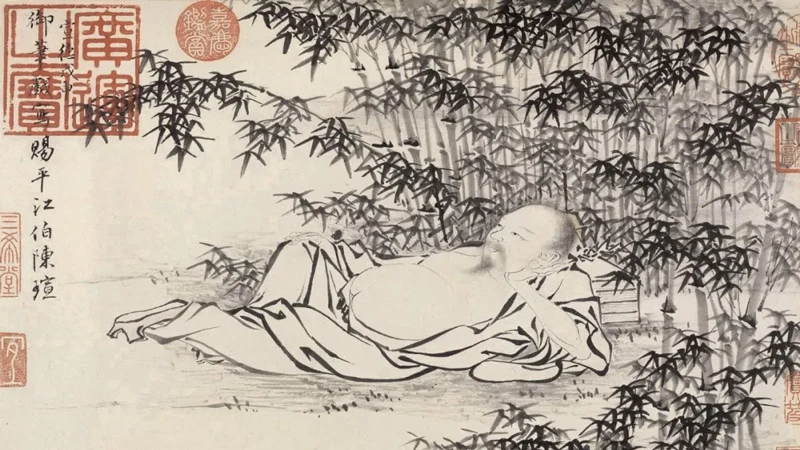
Discover the Chinese 3D Painting History
For centuries, studies of Yuan (1271–1368), Ming (1368–1644), and Qing (1644–1912) dynasty art have orbited around Wenrenhua (literati painting), a genre dominated by scholar-officials who fused poetry, calligraphy, and ink landscapes. While masterpieces by iconic figures like Ni Zan or Wang Meng remain celebrated, this narrow focus has flattened our understanding of China's visual culture. How did literati painting ascend to dominance? What role did court commissions or commercial workshops play? And where do female artists and cross-cultural exchanges fit into this narrative? In Chinese Painting: Yuan to Qing (中国绘画:元至清)—the final volume of his groundbreaking trilogy—art historian Wu Hung (巫鸿) dismantles these entrenched hierarchies. By weaving dynastic timelines with layered analyses of materials, regional networks, and social ecosystems, he resurrects a vibrant scene of artistic production. At a recent Beijing forum co-hosted by The Beijing News and Shanghai-based publisher Horizon Media, Wu joined Huang Xiaofeng (黄小峰), a Central Academy of Fine Arts professor, to discuss how this "three-dimensional" approach revives overlooked voices. Below are highlights from their conversation. Rethinking the Grand Narrative The very act of writing a history of Chinese painting is, in itself, a daunting task. As Wu points out, the sources available to us today are vastly… -
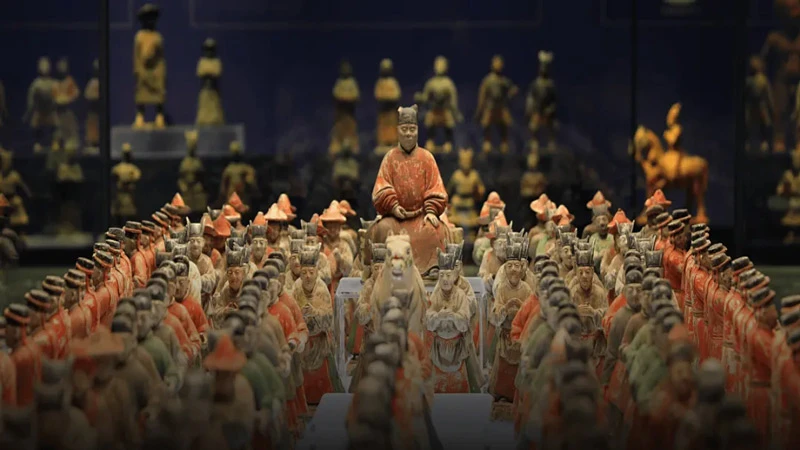
A Journey Through China's Top 10 Museums
China, a land of timeless grandeur, boasts a history stretching over 5,000 years. Its legacy is preserved in the country's greatest museums—places where jade burial suits whisper secrets of the afterlife, where ink scrolls unfold poetic landscapes, and where terracotta soldiers stand in silent formation, guarding their emperor in eternity. Whether you are an enthusiast of ancient warfare, an admirer of fine porcelain, or a lover of intricate calligraphy, these institutions offer an immersive experience. Let us embark on a journey through China's most fascinating collections—each artifact a window into an unparalleled past. The Palace Museum 故宫博物院 Standing at the heart of Beijing, the Forbidden City—also known as the Palace Museum—was home to 24 emperors of the Ming and Qing dynasties. Beyond its red walls lies a breathtaking collection of 1.86 million artifacts, ranging from imperial robes and jade carvings to ceremonial bronzes and priceless calligraphy. This museum is not only a testament to China's imperial power but also a masterpiece of architectural symmetry and philosophy. Every piece within its walls speaks to the imperial vision of grandiosity, the wisdom of rulers who believed their mandate came from the heavens, and the delicate relationship between life, death, and legacy. Highlights…