Article
Search results:
-
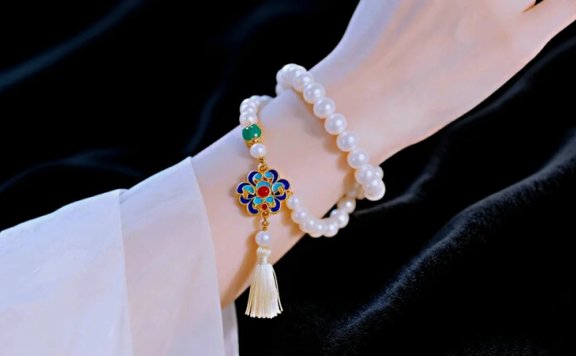
Pearl & Cloisonne: Your Secret to Ethereal Hanfu Style!
Witnessing a revived tradition, Hanfu gracefully reclaims its place in modern wardrobes. This resurgence speaks volumes about our renewed appreciation for heritage aesthetics. The flowing silhouettes and delicate details of Hanfu naturally evoke an aura of timeless elegance. To truly amplify this ethereal charm, the right accessories are essential. Forget fleeting trends; discover how the classic pairing of lustrous pearls and vibrant Jingtai Lan (Cloisonne) beads can elevate your Hanfu look into something truly transcendent. Choosing complementary jewelry transforms an outfit. Soft-hued gemstones create the perfect foundation for Hanfu's delicate beauty. Think luminous white or blush pearls, serene moonstone, gentle rose quartz, aquamarine, honeyed amber, or the soft greens of jade or malachite. These subtle shades offer versatility. For those seeking a touch more intensity, garnet, lapis lazuli, or carnelian provide options. Today, we focus on mastering the exquisite harmony between pearls and Jingtai Lan, empowering you to craft a signature style. Color Harmony Rules The magic lies in balance. Pearls, especially classic white, offer unmatched softness and versatility. Their gentle sheen provides a calming base. Jingtai Lan, conversely, bursts with intricate, vivid colors achieved through its unique enamel artistry. This contrast demands careful pairing. Choose pearls as the dominant… -
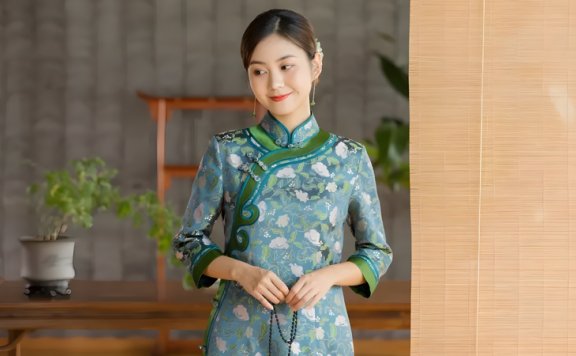
Tang Brocade: How Did This Silk Art Define Splendor?
In the heart of Chinese cultural heritage, Tang Brocade stands as a luminous symbol of silk artistry from the Tang Dynasty era. This exquisite fabric, woven with meticulous care, once adorned the nobility and now finds new life in contemporary fashion like the Qipao. Its rich patterns and opulent textures reflect a timeless pursuit of beauty, bridging centuries of craftsmanship. As we delve into its story, we uncover not just a textile, but a narrative woven with threads of history and innovation. Roots in Royalty Tang Brocade emerged during China's Tang Dynasty, flourishing as a hallmark of aristocratic life. Crafted primarily from silk threads, it incorporated gold and silver accents to signify wealth and status. Nobles favored it for ceremonial robes and palace decor, using its radiant sheen to display power. For instance, in royal courts, this fabric became synonymous with prestige, worn during grand events to command respect and admiration. Its rarity stemmed from labor-intensive methods, ensuring only the elite could afford such luxuries. Over time, Tang Brocade evolved beyond mere adornment, embodying cultural identity. Artisans drew inspiration from nature, infusing designs with symbolic motifs like birds and flowers to convey harmony. This artistic expression resonated deeply, making the… -
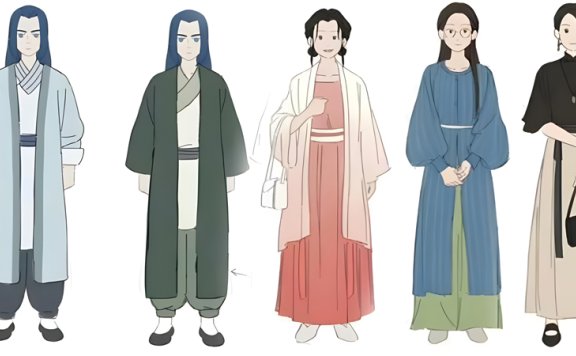
How The Legend of Hei 2 Normalizes Hanfu as Living Culture
Move over, stylized robes and fantastical costumes. The animated film The Legend of Hei 2 (罗小黑战记2) is making waves for an unexpected reason: its background characters. Forget generic filler; these background figures are dressed in meticulously designed Hanfu elements, sparking online applause for the creators' dedication to authenticity. This isn't just costume design; it's a subtle, powerful statement about integrating traditional Chinese clothing into the fabric of modern life. By focusing on ordinary people wearing Hanfu in everyday contexts, the film offers a refreshingly practical vision of cultural heritage existing naturally alongside contemporary fashion, prompting viewers to reconsider what "traditional" attire means in the 21st century. Designing the Everyday The film's creators recently released design sketches showcasing three distinct outfits worn by background characters. One ensemble pairs a Beizi (a traditional long outer garment) with a tube top-like undergarment and a Baidie skirt (pleated skirt). Another features a round-collar long shirt with practical, tapered sleeves worn over full-length trousers. The third combines a half-sleeved, upright-collar short jacket with a Mamian skirt (horse-face skirt). While seemingly simple, these outfits are carefully crafted. The first and third sets lean towards traditional cuts, while the second incorporates a more modern silhouette with its… -
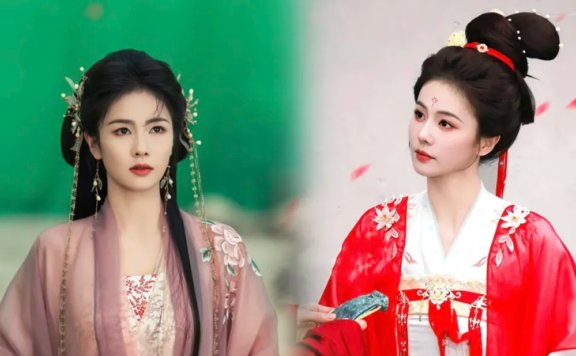
Why Authentic Hanfu Remains Rare in Chinese Historical Dramas
Despite growing appreciation for traditional aesthetics, authentic Hanfu is seldom featured in mainstream Chinese historical dramas. This article explores the cultural, economic, and practical barriers to its adoption, examining why stylized costumes dominate screens while historically accurate garments remain a niche choice. Cultural Disconnect and Historical Suppression Hanfu’s disappearance traces back to the Qing Dynasty’s enforcement of Manchu attire, severing Han clothing traditions for centuries. Post-1912 modernization efforts further marginalized Hanfu, associating it with backwardness while promoting Western dress as progressive. Though recent revival movements celebrate Hanfu’s cultural significance, its ties to pre-Qing history remain obscured in popular media. Many viewers still mistake Hanfu for Japanese or Korean dress, reflecting a persistent identity gap. Contemporary creators face dilemmas in balancing historical accuracy with audience familiarity. Qing-era court dramas dominate screens, normalizing Manchu-inspired designs like Qipao and mandarin collars. This visual legacy overshadows Hanfu’s distinct features: cross-collar ties, flowing sleeves, and layered silhouettes seen in The Tang or Song dynasties. When productions reference Hanfu, they often blend it with fantasy elements, diluting its authenticity. Theatrical adaptations further diluted authenticity. During the Qing era, performers wore modified Hanfu-inspired costumes exempt from clothing bans, preserving fragments of tradition through stylized interpretations. Modern productions… -
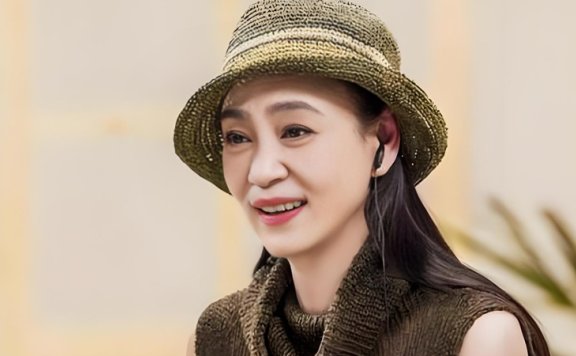
Liu Xuehua's a Masterclass in Fashion Philosophy
At 63, acclaimed actress Liu Xuehua (刘雪华)—best known for her riveting performance in Empresses in the Palace (甄嬛传)—embodies timeless sophistication. Her fashion philosophy rejects fleeting trends and artificial youthfulness, instead embracing refined simplicity that honors her age and stature. With silver hair and a poised demeanor, Liu proves elegance isn’t confined by time but refined by it. Her wardrobe, devoid of gimmicks, offers masterclasses in understated luxury for women navigating their prime years. Mastering Fabric and Form Quality fabrics anchor Liu’s aesthetic. She favors breathable linens, fluid silks, and structured cottons that drape gracefully without clinging. These materials lend polish even to casual pieces: a crisp cotton tee gains luxury when paired with tailored trousers, while a silk blouse elevates simple jeans. Liu avoids synthetics that wrinkle or fade, recognizing that fabric integrity shapes perception. Her silhouettes balance comfort and refinement. Flowing wide-leg pants create verticality, and A-line skirts skim curves without constraint. She often pairs relaxed tops with streamlined bottoms—a linen tunic over cigarette pants, for instance—to avoid bulk. This approach flatters mature figures while radiating effortlessness. Neutral palettes dominate her fabric choices. Cream, charcoal, and navy serve as versatile foundations, allowing textures to shine. Occasionally, she introduces subtle… -
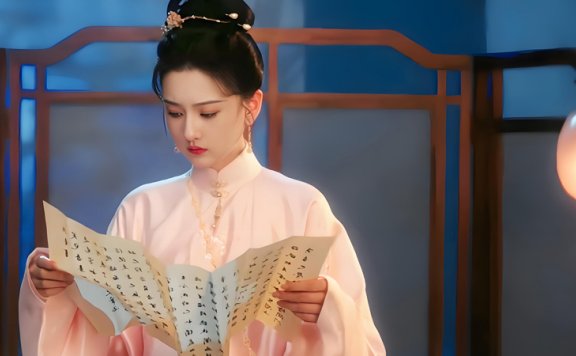
A Zhi A Zhi: Song Zuer's Rumored Return to Republican-Era Drama
Following her successful comeback, Song Zuer's (宋祖儿) career trajectory continues its upward climb. Fresh off acclaimed performances and generating buzz with stunning costume visuals in Biao Mei Wan Fu (表妹万福), the actress is now linked to a highly anticipated adaptation of the popular novel A Zhi A Zhi (阿吱阿吱). This project promises a captivating blend of genres, weaving together the supernatural with the poignant tragedy inherent in Republican-era romances. Rumors swirl around potential co-star Wang Hedi (王鹤棣), adding another layer of excitement and speculation within the industry and among fans. The combination of a beloved source material, Song Zuer's proven affinity for period aesthetics, and the intriguing casting possibilities positions A Zhi A Zhi as a potential future highlight. Period Charm and Casting Buzz Song Zuer's undeniable screen presence finds a perfect match in historical and Republican-era settings. Her recent work in Biao Mei Wan Fu has already showcased her ability to embody classic beauty, with meticulously crafted costumes and sets enhancing her portrayal. While some note a physical transformation leading to a leaner frame, her innate suitability for period dramas remains unquestionable. Her past appearances in cheongsam are frequently cited as standout moments, demonstrating a natural elegance and photogenic quality perfectly… -
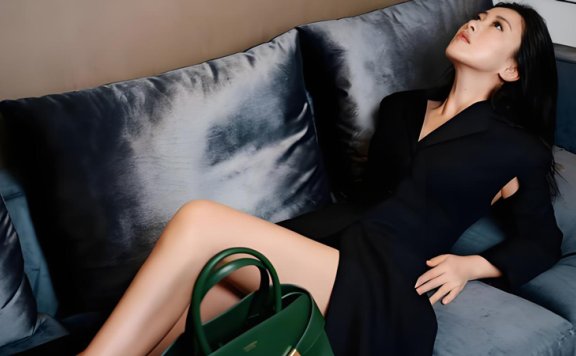
Zhu Zhus Signature Looks A Portrait of Multifaceted Grace
Zhu Zhu's (朱珠) presence transcends conventional beauty standards, creating a unique resonance across cultures. For eight consecutive years, she graced the "Global 100 Most Beautiful Faces" list—a testament to her universal appeal. More than striking features, her allure lies in a captivating duality: an East-meets-West aesthetic fused with profound depth. From commanding screens in acclaimed dramas to embodying haute couture with effortless elegance, Zhu Zhu represents a modern ideal—beauty rooted in authenticity, resilience, and the quiet confidence of a woman comfortable in her own skin. Anatomy of a Timeless Visage Zhu Zhu’s face masterfully bridges aesthetic divides. Her heart-shaped silhouette, defined by a subtly tapered jawline and broad forehead, creates a foundation of harmonious proportions. The eyes, however, are her signature: deeply set inner corners suggest mystery, while an upward tilt at the outer edges transforms expression instantly—from enigmatic intensity to a warmth radiating playful charm. This captivating gaze becomes a narrative tool in itself. Her profile reveals further perfection—a sculpted Grecian nose lending aristocratic elegance. Complementing this are full, naturally defined lips often described as "petal-like," adding softness and sensuality. The piece de resistance is her distinctive right cheek dimple, an unexpected flourish of sweetness that punctuates her smiles.… -
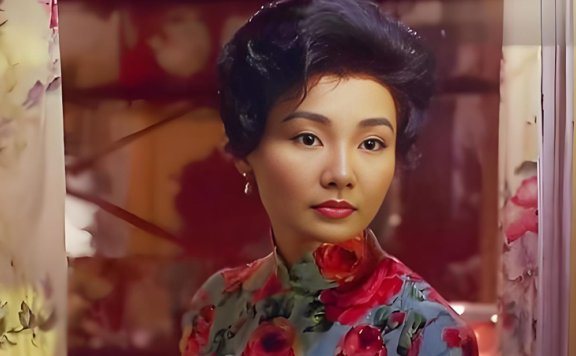
7 Actresses Who Transformed the Cheongsam in Cinema
The cheongsam, with its high collars and sinuous lines, transcends mere attire—it becomes a canvas for storytelling. In Chinese cinema, this iconic garment amplifies character depth, historical nuance, and feminine power. Beyond fabric and stitch, it embodies restraint and rebellion, tradition and transformation. These 7 actresses didn’t just wear cheongsam; they breathed life into its legacy, each carving a distinct niche in cultural memory. From repressed longing to regal defiance, their performances prove that true elegance lies in nuance. Maggie Cheung (张曼玉) In In the Mood for Love (花样年华), Maggie Cheung’s 23 cheongsams function as emotional armor. Each hue—emerald, ruby, obsidian—mirrors suppressed desire in 1960s Hong Kong. Her posture, rigid yet fragile, turns fabric into a language of solitude. When she lowers her gaze, the rustle of silk echoes louder than dialogue. This isn’t costume design; it’s visual poetry, where cloth cages a storm of yearning. Cheung’s genius lies in minimalism. A fingertip tracing a teacup’s rim, a hesitant step down narrow stairwells—every gesture is amplified by the cheongsam’s constraints. Director Wong Kar-wai used its structure to mirror societal pressures, transforming fabric into a metaphor for unspoken rules. The result? A performance where silence screams through sequins. Tang Wei (汤唯)… -
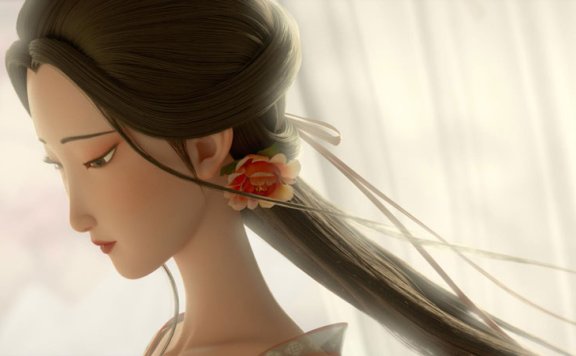
Animates Fate in Curious Tales of a Temple
When seven core creators sat down together for an interview, it was Light Chaser Animation's idea. Six directors helm this anthology film, pushing creative boundaries after their Tang dynasty epic's success. Over the past decade, this studio has evolved from an independent workshop into a leading force in Chinese animation. Unlike many studios, Light Chaser embraces a collaborative approach. Different directors helm their projects, new talent regularly steps into the director's chair, and dedicated story development teams work within an established pipeline. It's filmmaking by committee, in the best sense. Following the massive success of Chang'an, the team faced a crucial decision for their next project. They chose a bold path. Their new film, Curious Tales of a Temple, breaks the mold as an anthology–directed by six different filmmakers. Why not stick with the proven formulas of Chang'an? How could six distinct chapters feel like one cohesive film? How did they achieve stunning visual styles inspired by felt art and Song Dynasty paintings? Driven by these questions, I sat down with the seven creators (six screenwriters and the producer). Our conversation became a chance for them to reflect on their craft. Story Selection & Unity Curious Tales of a Temple… -
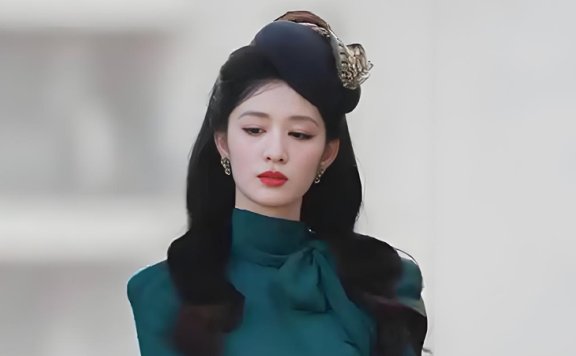
Republican-Era Costumes: Visual Storytelling in Costume Dramas
The resurgence of Republican-era aesthetics in contemporary Chinese cinema has become a visual feast, where costumes transcend mere clothing to embody character essence. Leading actresses of the post-85 generation are redefining historical narratives through meticulously crafted wardrobes, blending tradition with modern sensibilities. Wang Churan’s (王楚然) haunting elegance, Liu Yifei’s (刘亦菲) timeless grace—each ensemble stands as a silent narrator of turbulent times. This sartorial renaissance not only revitalizes period dramas but elevates them into cultural conversations, proving that fabric and silhouette can articulate emotions words often fail to capture. Visual Poetry in Motion Wang Churan’s transformation in Zhe Yi Miao Guo Huo (这一秒过火) epitomizes the power of Republican-era costuming. Her midnight-black gown and wide-brimmed hat create a chiaroscuro effect, sharpening delicate features into ethereal relief . Yet it’s her moon-white qipao that etches itself into memory: silk whispering against grey-brick backdrops, slit skirts revealing pearl-hued stockings, and jade bracelets clicking like metronomes to her movements. The ensemble merges restraint with sensuality—a collar clasped to the throat contrasting with the fluidity of draped sleeves. Liu Yifei’s legacy as Bai Xiu-zhu (白秀珠) in The Story of a Noble Family (金粉世家) remains unmatched, her teenage portrayal still shaping Republican archetypes. Decades later, her ability… -
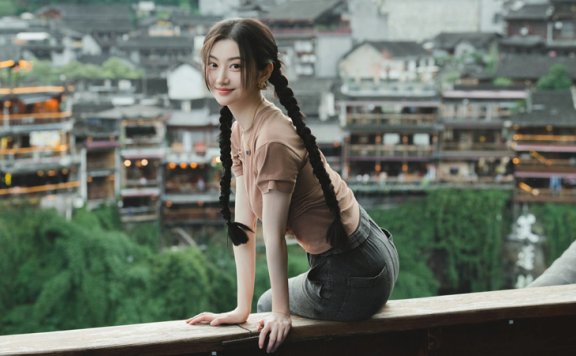
Jing Tian's Braids Hairstyle: A Story behind Cdrama Rattan
At 36, Jing Tian (景甜) captivates social media with candid snaps featuring playful braids and radiant smiles. Beyond viral aesthetics, her disciplined lifestyle and strategic career shift post Rattan (司藤) reveal a woman redefining stardom through authenticity and resilience. Her laughter echoes through screens like wind chimes in July—unscripted, bright, and disarming. When Jing Tian uploaded "life snippets" on July 11, 2025, she ignited more than a hashtag; she unleashed a cultural exhale. Against curated perfection dominating feeds, her moss-green skirt and carefree twin braids became emblems of unfiltered joy. Netizens flooded comments: "Her smile healed my burnout," one confessed. Another marveled, "Is she truly 36?" This wasn’t mere vanity—it was a masterclass in rewriting beauty rules through lived experience, not filters. Braids as Rebellion The photos’ power lies in their unstudied grace. Jing’s simple tee and waterfall-side poses reject red-carpet formalism. Her loosely woven braids—practical, nostalgic—symbolize shedding performative glamour. "We chase flawless illusions," a fashion critic noted, "but Jing’s messy authenticity dismantles that." Her crescent-moon eyes and faint dimples amplify this genuineness, making "ageless" less about biology than spirit. Fan reactions reveal deeper yearning. "She reminded me of childhood summers," shared a mother in Chengdu. For Gen-Z followers, Jing’s… -
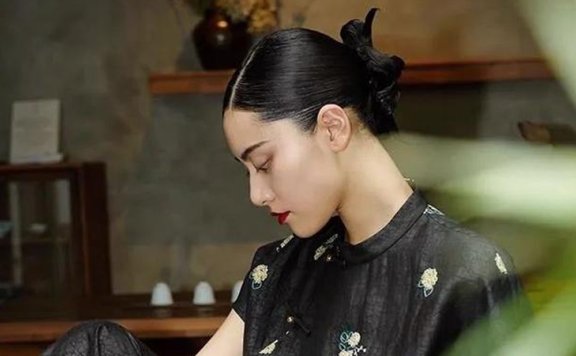
Xiangyunsha: New Chinese Fabric in Stitches
The quiet revolution in fashion isn't loud—it flows. Across bustling cities and serene landscapes, a refined aesthetic emerges: garments honoring heritage while embracing contemporary life. This movement transcends fleeting trends, weaving cultural threads into daily elegance. At its heart lies craftsmanship, where ancient techniques meet modern silhouettes. The Xiangyunsha (香云纱) embroidery set exemplifies this philosophy—unassuming luxury that speaks through texture, drape, and meticulous detail. The Fabric of Time Xiangyunsha isn’t merely silk; it’s alchemy. For centuries, artisans sun-dyed this fabric over 20 times, coaxing crackled patterns resembling aged porcelain. These "turtle wrinkles" aren’t flaws but narratives—each fissure a testament to patience. Unlike synthetics, Xiangyunsha breathes. Its porous structure wicks moisture, offering coolness in summer’s grip. With wear, magic unfolds. The fabric deepens in luster, developing an oil-like sheen that glows softly. This organic evolution makes every garment unique—a living heirloom. The black base in this set serves as a canvas, where light dances across subtle ridges, revealing hidden dimensions. Traditional dyeing uses mineral-rich river mud and plant extracts, yielding hues that harmonize with nature. Modern wearers inherit this legacy: cloth carrying earth’s poetry. Its weight feels substantial yet airy—structure without stiffness. Stitches of Sunlight Hand embroidery transforms fabric into art.… -
Li Yitong's Bold Performance in A Dream Within A Dream
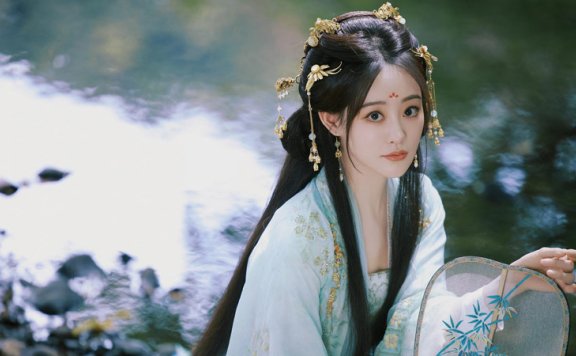
The summer drama season of 2025 is in full swing, and Li Yitong's (李一桐) latest series A Dream Within A Dream (书卷一梦) is generating serious buzz. Despite lacking the support of a big-name IP, this historical fantasy comedy has carved out its place in a crowded market with a gutsy, genre-bending premise—and a lead character who refuses to follow the script, quite literally. At the heart of this surge is Li Yitong's standout performance as Song Yimeng. According to multiple tracking platforms, Li's meticulous interpretation of the character has significantly boosted the show's reach. Her understated yet precise acting style allows the character—a fictional "paper doll" given life—to leap off the page. It's a compelling, layered portrayal that has become a new career milestone for the actress. A Character Who Fights Back A Dream Within A Dream is an original series that had already gained traction before its premiere, with over 3 million users signing up to watch on both iQIYI and Weibo. Once it aired, the show's unusual blend of genre self-awareness and quirky charm quickly caught fire. Within a day, it passed a heat index score of 2 on Datawin, a key metric in Chinese TV ratings. As… -
Zhang Yuxi Received Praise for Wearing Cheongsams
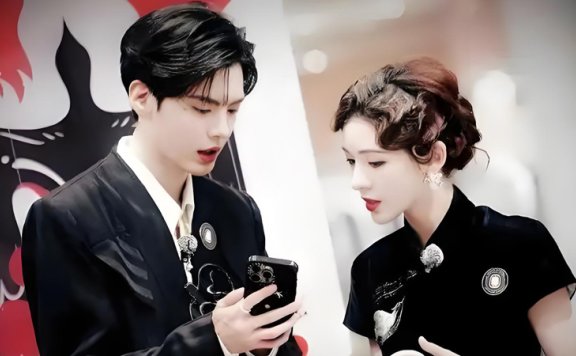
When ordinary tourists become accidental paparazzi, magic unfolds. Recently, a Chinese couple vacationing in Paris unintentionally documented entertainment gold: actors Bi Wenjun (毕雯珺) and Zhang Yuxi (张予曦) filming the variety show Paris Partners (巴黎合伙人). Their spontaneous reactions—captured in viral social media posts—reveal more than celebrity glamour; they showcase humanity’s universal appreciation for authenticity. Unlike staged red-carpet moments, this genuine encounter between stars and strangers highlights how unscripted interactions resonate across generations. The couple’s unfiltered admiration, especially their playful nod to Zhang’s comfy sneakers paired with elegant qipao, sparked nationwide delight. This incident isn’t just about fame—it’s about relatable joy in unexpected connections. Authenticity Wins Hearts Celebrity images often live in curated digital ecosystems. But here, Bi and Zhang’s charm transcended screens. The parents’ immediate praise—“What a handsome young man!” and “Such a beautiful girl!”—came without influencer jargon or fandom bias. Their compliments reflected raw, cross-generational appeal. Bi’s crisp casual wear exuded approachable coolness, while Zhang’s qipao-sneaker fusion balanced tradition with modern comfort. What impressed most wasn’t their looks but their conduct. Amid bustling Parisian streets and curious onlookers, both stars maintained warm professionalism. No rushed exits or security barriers—just patient smiles. This dismantles the “diva” stereotype, proving respect leaves louder… -
Where Crime Drama Meets Living History on Zhaopu Road
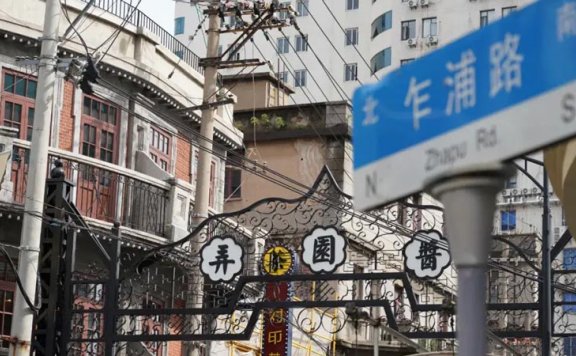
When Zhang Ziyi (章子怡) stepped onto the Shanghai International Film Festival red carpet, she didn’t just promote her latest film She's Got No Name (酱园弄); she invited the world into its hauntingly authentic backdrop: Zhaopu Road. This historic street in Hongkou District, meticulously restored to mirror 1940s Shanghai, has transcended its role as a film set to become a cultural time capsule. As Zhang’s on-screen journey through Shanghai’s complex female narratives unfolds, Zhaopu Road emerges as a tangible bridge between cinematic artistry and urban heritage - a place where flickering neon signs and cobblestone alleys whisper tales of resilience and reinvention. Film Set Reborn Zhaopu Road’s metamorphosis began in earnest last September, when its "replica-reality" renovation debuted. Designers adhered to a "repair the old as old" philosophy, resurrecting every faded brick and vintage storefront to match archival photographs of Republican-era Shanghai. At its heart stands the restored Victory Cinema, an Art Deco landmark whose geometric facade anchors the streetscape. Around it, retro shop signs - "Ruyi Silk Emporium," "Double Happiness Teahouse" - hang beneath wrought-iron street lamps, casting shadows that dance like celluloid frames across weathered walls. The street’s authenticity isn’t merely cosmetic. Artisans sourced reclaimed wood for store counters… -
When Global Travelers Become China's New Dynasty Stars
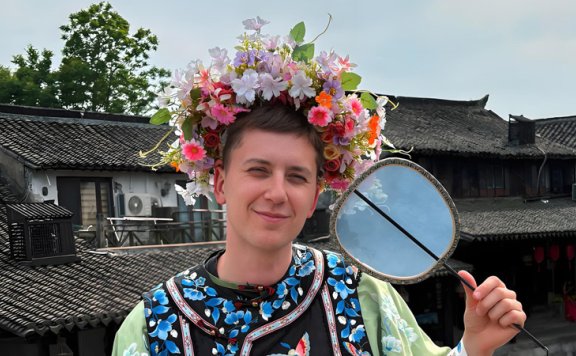
As international tourism rebounds across China, an unexpected cultural phenomenon has emerged: foreign visitors donning elaborate historical costumes to pose against imperial backdrops. French traveler Titi became an overnight sensation after sharing photos of himself dressed as a Qing Dynasty "gege" (imperial prince) in Xitang Water Town, his green silk robe and floral headdress contrasting strikingly with ancient stone bridges. "People kept telling me I looked beautiful," Titi remarked, describing how the costume transformed his travel experience. His social media post attracted floods of comments like "You look like a real prince!" and "That floral crown is perfection!" This trend reflects a deeper cultural engagement, with China welcoming 736,740 foreign tourists in Q1 2025 alone—a 39.2% year-on-year surge. Ancient palaces and gardens now serve as open-air studios where travelers from Malaysia to South Africa reinvent themselves as Ming scholars, Tang empresses, or Qing nobility. For many, these photoshoots represent more than souvenirs; they're immersive journeys into China’s living history. As Titi explained while quoting classical poetry in a later post: "Dressing in period clothing makes historical sites feel alive. When Chinese tourists ask for photos with me, it becomes a shared celebration." Selfies That Transcend Cultures What began as curiosity… -
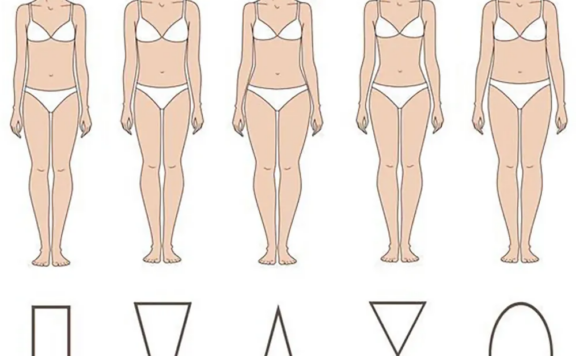
Matching Cheongsams to Different Body Types
We always habitually praise the beauty of cheongsams. However, its beauty needs a woman's figure and bearing to support and shape it, just like a win - win cooperation, where neither can be missing. Bearing is influenced by personal vision and mindset, while body shape is restricted by height, weight, and body proportions. The former requires long - term cultivation, while the latter can be improved by some methods. So today, I want to talk about the relationship between different female body types and cheongsams, aiming to solve the common problems when choosing cheongsams, such as 'What style of cheongsam suits me?', 'Will I look good in it?' In fact, these concerns are mainly about our own body shapes. Everyone has advantages and disadvantages in their figures, and a good choice can make up for the shortcomings. How to Choose Qipao Styles for Different Body Types First, we need to understand our body characteristics. Common body types mainly include H - shaped, strawberry - shaped, pear - shaped, X - shaped, and apple - shaped. H - shaped Body The H - shaped body has a straight - up - and - down shape with no obvious waist curve, so… -
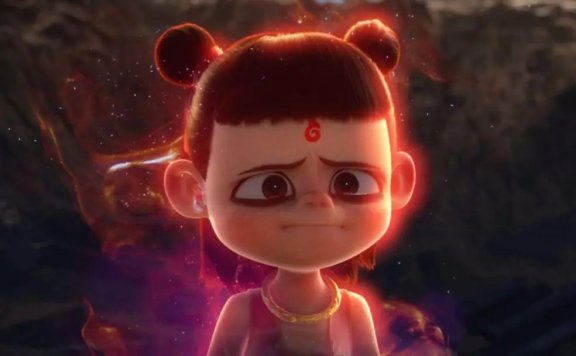
Why Nezha Always Has Bun Hairstyle?
The recent release of 'Nezha: The Devil Boy's Havoc' (Nezha 2) has reignited discussions about the iconic bun hairstyle that seems to define Nezha's appearance across various adaptations. Is it a coincidence or a stereotype? Netizens joke: 'Nezha can change his fate, but not his hairstyle.' The origin of the 'bun hairstyle' can be traced back to ancient China, where it was one of the many hairstyles popular among women. Its roots lie in the 'double bun' style, which was highly fashionable during that era. Excavated pottery figurines vividly depict the societal admiration for delicate feminine beauty. This trend even influenced ancient Japanese fashion, particularly during the Nara period. Historical dramas like NHK's 'The Great Buddha Opening Eyes,' set in Nara, showcase characters adorned with Tang Dynasty - inspired double - bun hairstyles. In Chinese history, children's double - bun hairstyles were referred to as 'Zongjiao.' Ancient texts emphasize the importance of preserving one's hair as a sign of filial piety. From around eight or nine years old, Han children, regardless of gender, would part their hair into two small buns resembling horns, hence the name 'Zongjiao.' Girls' buns were often styled like branching twigs, known as 'Yaji,' which led… -
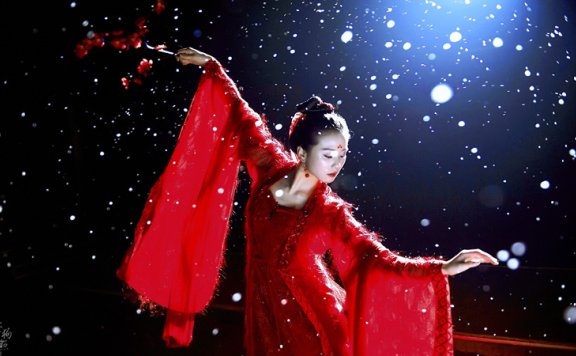
5 Liu Shishi Costume Classics to Binge
Liu Shishi's (刘诗诗) costume dramas have a unique charm. Whether she plays a gentle yet resilient heroine or a bold and fearless warrior, she always brings her characters to life. Today, let's dive into her top five costume classics and see which one stands out as your favorite. Bu Bu Jing Xin / Startling by Each Step 步步惊心 Aired: 2011 Period Background: Qing Dynasty (17th–18th century) Genres: Time-travel romance, political intrigue Main Roles: Liu Shishi as Zhang Xiao/ Ruoxi (若曦), Nicky Wu as Fourth Prince Yinzhen (胤禛) Adapted From: Tong Hua's (桐华) novel Bu Bu Jing Xin If you've ever daydreamed about time travel, Bu Bu Jing Xin (BBJX) is the drama that will make you rethink that fantasy. Forget glossy escapism—this series drops a modern woman into the cutthroat politics of the Qing Dynasty and asks: What if you knew how history would unfold, but couldn't change it? The Setup: Zhang Xiao (Liu Shishi), a 21st-century office worker, wakes up in 1711 as Maertai Ruoxi, a noblewoman entangled with Kangxi Emperor's sons. Her modern sensibilities clash with rigid imperial rules, but her knowledge of history (thanks to history books) becomes both a weapon and a curse. The Storm: The… -

Qingdao's Ronghua Aunts Bring Traditional Crafts into Fashion
The national trend has swept through the streets, and one can always catch two distinct charms in the fluttering skirts - the qipao is as graceful as an ink - colored peony, while the Hanfu unfolds like a landscape painting. This is not just a choice of clothing but a profound exploration of how Eastern aesthetics can thrive. Time - honored Codes in Stitches Qipao: A Poetic Declaration of Body Awakening In 1920, on Shanghai's Avenue Joffre, tailors used a copper ruler to measure the contours of the new era. The improved qipao tightened its wide sleeves, locked a bit of reserve with a standing collar, yet revealed a hint of allure through its side slit. The women in gossamer - silk qipaos in Eileen Chang's works walked on the Bund in high - heels, and each step echoed the call for freedom on the cobblestones. Today's silk qipaos still shine. Craftsmen at the Hangzhou Silk Museum have embedded Suzhou - embroidered peonies into the texture of acetate fiber, allowing ancient craftsmanship to blossom on modern fabrics. Hanfu: A Contemporary Narrative of a Thousand - year - old Civilization At the foot of the Xi'an City Wall, girls in cross…