Article
Search results:
-
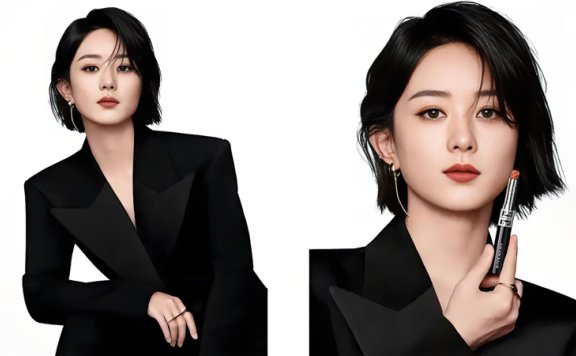
Zhao Liying Named Givenchy Global Makeup Ambassador
From provincial heroine to global icon, Zhao Liying’s (赵丽颖) appointment as Givenchy Beauty’s first Chinese global spokesperson marks a cultural watershed in luxury branding. Her journey mirrors the characters she embodies – resilient, sophisticated, and unapologetically authentic. The Unstoppable Ascent Zhao Liying’s trajectory defies conventional stardom. Emerging from rural Hebei province, she transformed early criticism about her "rustic" image into a narrative of reinvention. Roles like Minglan in The Story of Minglan (知否知否应是绿肥红瘦) and Xu Banxia in Wild Bloom (风吹半夏) showcased her ability to portray women navigating patriarchal systems with quiet strength. This artistic authenticity resonates beyond screens. Her 70 million-strong fanbase, who flooded social media with "Finally!" upon her Givenchy announcement, see their own struggles reflected in her perseverance. Her evolution parallels China’s shifting beauty ideals. Where luxury brands once exclusively favored Western or ethnically ambiguous faces, Zhao’s distinctly Chinese features – her almond eyes and porcelain complexion – now front a Parisian maison. Givenchy Beauty CEO Romain Spitzer highlighted her "independent confidence and elegant charm," qualities mirroring the brand’s haute-couture heritage. The campaign, shot near Givenchy’s historic Georges V Avenue atelier, positions Zhao not as an outsider, but as an integral thread in the brand’s tapestry. The visual… -
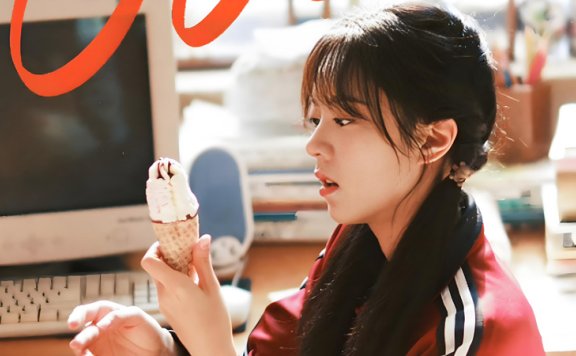
Zhao Jinmai's Style: "Our Generation" and Fashion Backlash
The spotlight burns brighter than ever for Zhao Jinmai (赵今麦), one of China’s most promising young actresses. Fresh off the success of her dual 2025 dramas—the gritty crime thriller Bleach and the nostalgic coming-of-age series Our Generation—the 00s star now finds herself navigating fame’s double-edged sword. While her acting prowess earns critical acclaim, recent fashion choices during promotional events have ignited social media storms, revealing the intense scrutiny facing China’s Gen-Z idols. Style Backlash During Our Generation’s live-stream promotion on July 15, Zhao’s wardrobe became the unintended protagonist. Her first ensemble—a sporty tank top paired with a floral skirt and contrasting grey socks—clashed violently with her youthful persona. Critics slammed the "twee-meets-athleisure" chaos, comparing it to "a thrift-store mishap." The second look fared worse: a black miniskirt with military-green ankle boots shortened her leg line, while overly tight curls aged the 23-year-old. Fans flooded comments demanding studio overhauls, with one lamenting, "The styling buried her glow—it’s criminal!" The backlash intensified when juxtaposed against Zhao’s own social media posts. Hours before the stream, her double-pigtail selfies drew raves for capturing Our Generation’s spirited charm. This whiplash exposed her team’s misjudgment: forcing haute couture (like Miu Miu’s controversial sock-boot combo) without tailoring… -
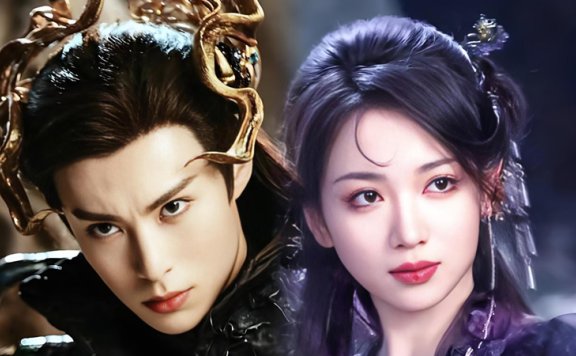
Xian Yu Fei Sheng: A Look at Characters' Styling Highlights
The upcoming fantasy drama Xian Yu Fei Sheng (咸鱼飞升) Ascends has ignited fervent anticipation across social media platforms, trending globally despite lacking an official release date. Adapted from Chong Guan An Du’s (重关暗度) acclaimed novel, the series follows protagonist Song Qianji (Wang Hedi), who navigates rebirth and reluctant heroism. Beyond its compelling narrative, leaked set photos reveal extraordinary costume artistry defining its ensemble cast. This visual storytelling promises a groundbreaking aesthetic in the fantasy genre, blending ethereal elegance with raw character depth. Here’s an exclusive look at how wardrobe and makeup forge the drama’s unforgettable identities. Miao Yan’s Ethereal Grace Li Qin (李沁) embodies Miao Yan (妙烟) through costumes that merge fragility with celestial authority. Her signature gradient white gown flows like liquid moonlight, sleeves billowing with subtle choreography suggesting weightless flight. Delicate pink robes feature translucent layers embroidered with motifs resembling frost patterns . Makeup artistically understates her features: translucent foundation highlights natural bone structure, while muted lip tones evoke "water lily purity." Her eyes convey complex emotion through minimal shadowing, framing a gaze that balances melancholy and resolve. This restrained palette crafts an otherworldly presence distinct from traditional fantasy heroines. Character Palette Diversity Costume designers reject monolithic fantasy… -
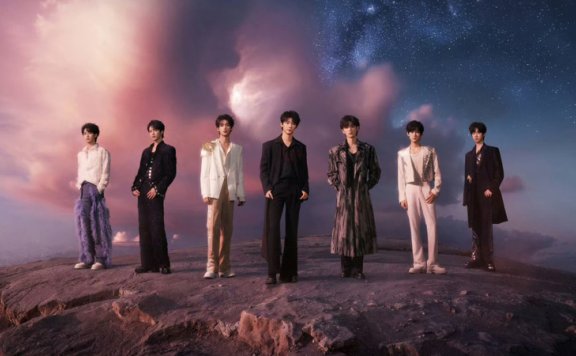
TNT: The Launch of Crown·Ascend on July 14
In July 2025, TNT (Teens in Times) redefined musical ambition with their album Crown·Ascend, a special edition of their record-shattering fourth release Crown. Blending ancient Chinese symbolism with genre-defying innovation, the seven-member ensemble transformed the concept of "coming-of-age" into a global sonic manifesto. Within hours of its announcement, social media platforms ignited, propelling related topics to top trends on Weibo as fans worldwide celebrated the group’s boldest artistic statement yet. Musical Alchemy and Cultural Roots Crown’s foundation lies in the traditional guanli ceremony, where Chinese men receive symbolic headgear at twenty to mark adulthood. TNT reimagines this ritual through electro-punk anthems like "World’s Most Beautiful Me"—a viral sensation inspiring millions of gesture-based dance covers. The track’s fusion of distorted synths and Guzheng melodies mirrors the band’s ethos: honoring heritage while forging new paths. Similarly, "Tower Between Towers" incorporates Li ethnic minority instruments, its tropical rhythms echoing their Haikou concert’s vibrant stage design. This album breaks industry norms through collaborative creation. Every member contributed lyrics and compositions, showcasing their evolution from idols to auteurs. Producer notes, "Their hands-on approach reflects maturity—they’re not just performers but architects of their narrative." The result is a cohesive yet eclectic journey, where trap beats coexist… -
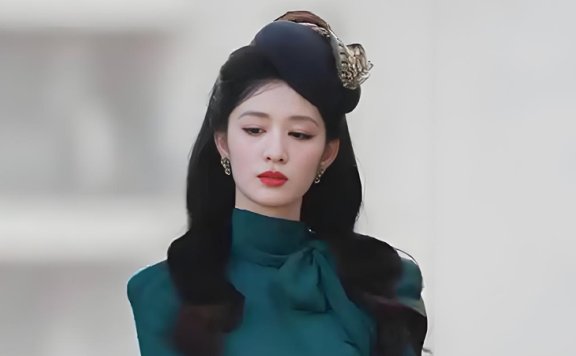
Republican-Era Costumes: Visual Storytelling in Costume Dramas
The resurgence of Republican-era aesthetics in contemporary Chinese cinema has become a visual feast, where costumes transcend mere clothing to embody character essence. Leading actresses of the post-85 generation are redefining historical narratives through meticulously crafted wardrobes, blending tradition with modern sensibilities. Wang Churan’s (王楚然) haunting elegance, Liu Yifei’s (刘亦菲) timeless grace—each ensemble stands as a silent narrator of turbulent times. This sartorial renaissance not only revitalizes period dramas but elevates them into cultural conversations, proving that fabric and silhouette can articulate emotions words often fail to capture. Visual Poetry in Motion Wang Churan’s transformation in Zhe Yi Miao Guo Huo (这一秒过火) epitomizes the power of Republican-era costuming. Her midnight-black gown and wide-brimmed hat create a chiaroscuro effect, sharpening delicate features into ethereal relief . Yet it’s her moon-white qipao that etches itself into memory: silk whispering against grey-brick backdrops, slit skirts revealing pearl-hued stockings, and jade bracelets clicking like metronomes to her movements. The ensemble merges restraint with sensuality—a collar clasped to the throat contrasting with the fluidity of draped sleeves. Liu Yifei’s legacy as Bai Xiu-zhu (白秀珠) in The Story of a Noble Family (金粉世家) remains unmatched, her teenage portrayal still shaping Republican archetypes. Decades later, her ability… -
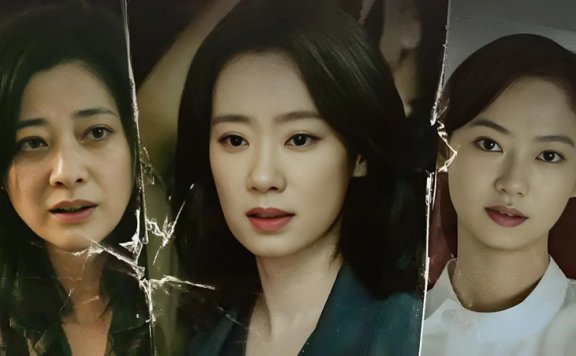
Malice: A Moral Mirror of the Digital Age
Chen Sicheng’s (陈思诚) suspense thriller Malice (恶意) has ignited nationwide discourse with its unflinching critique of digital-age morality. Starring Zhang Xiaofei (张小斐) and Zhang Zixian (张子贤) as former allies turned ideological foes, the film dissects China’s obsession with viral content through a high-stakes ethical duel. Since its July 5 release, Malice has defied industry expectations—grossing nearly ¥200 million ($27.5M) amid fierce competition. Its Sunday-to-Monday box office surge, overtaking Hollywood blockbusters Jurassic World: Rebirth and F1: The Movie (F1:狂飙飞车), signals resonant storytelling. Central to its impact is a pivotal showdown where journalist Ye Pan (Zhang Xiaofei) denounces media mogul Xiao Baoqian’s (Zhang Zixian) ruthless tactics: "Stop acting like wolves—why not be human?" This confrontation crystallizes the film’s thesis: Truth cannot coexist with click-driven sensationalism. Journalistic Integrity Versus Viral Hunger The film’s explosive "Bottom Line Clash" scene exposes journalism’s moral decay. When Xiao Baoqian’s (萧保乾) company deliberately leaks ICU footage of cancer-stricken mother You Qian (尤茜)—framing her as a child murderer—Ye Pan (叶攀) storms his headquarters during a blackout. Their argument escalates as Xiao justifies manipulating tragedy for traffic, declaring "public interest" a facade for profit. Zhang Xiaofei’s controlled fury contrasts Zhang Zixian’s smug pragmatism, embodying China’s real-world debates about media responsibility.… -
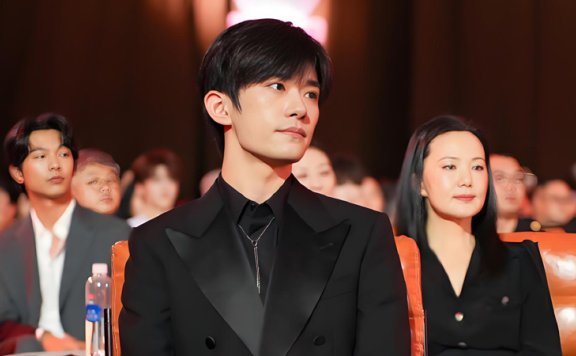
Jackson Yee Takes Unanimous Best Actor for Big World
The unexpected resonated through Beijing on July 15th. Jackson Yee, became the youngest recipient ever of the Best Actor award from the China Film Directors' Guild (2024). His transformative performance as Liu Chunhe (刘春和), a young man navigating life with cerebral palsy in the film Big World (小小的我), secured unanimous approval from the judging panel, a rarity that silenced lingering doubts about young performers' capabilities. This victory transcended personal achievement, signalling a shift in industry expectations and audience appreciation for actors emerging from idol backgrounds. Unanimous Acclaim: A Defining Performance Directors, including industry veterans like Wuershan (乌尔善), described Yee's portrayal as simply "too outstanding" to ignore. The audacity of a 23-year-old embracing such a physically and emotionally demanding role immediately set him apart. His Liu Chunhe communicated volumes not through grand gestures, but through meticulously crafted micro-expressions and constrained, authentic physicality. He captured the character's internal landscape – the simmering frustration, quiet resilience, and profound vulnerability – with a depth that rendered his pop idol origins a distant memory. The role demanded more than acting; it required immersion. Preparation was relentless. Months before filming commenced, Yee dedicated himself to understanding cerebral palsy. He observed individuals living with the condition, studied… -
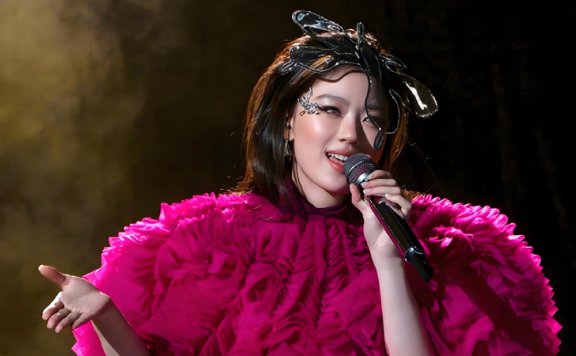
Dance Sister Lady Shattered Singer 2025's Expectations
The ninth episode of Singer 2025 ignited a firestorm unlike any other this season. On July 11th, 2025, Shan Yichun (单依纯), draped in crimson silk and mystery, transformed the competitive stage into a daring artistic experiment. Her fusion of Cai Yilin’s (蔡依林) iconic "Dance Lady" and her own track "Pure Sister" – christened "Dance Sister Lady" by the internet – wasn't just a performance; it was a cultural Rorschach test. Audiences fractured instantly. Was this a groundbreaking deconstruction of pop music tropes, or a step too far into avant-garde indulgence? The debate raged far beyond the studio walls. Deconstructing a Pop Landmark Single approached "Dance Lady" not as a sacred text, but as raw material for reinvention. Out went the familiar, pulsating disco beat. In its place emerged swirling Middle Eastern melodies, punctuated by electronic glitches and the uncanny chime of a genie's lamp . Her vocal delivery shifted dramatically, adopting elongated, almost incantatory phrasing that veered between ethereal and unsettling. The audacity peaked with the seamless insertion of "Pure Sister's" signature, childlike chant – "Tian guaiguai, di guaiguai" ("Heavens behave, earth behave") – amidst the exotic soundscape. This wasn't a cover; it was an alchemical process, dissolving the original's… -
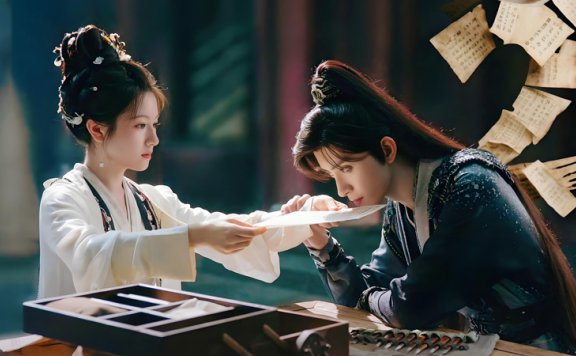
Beneath the Chilling Rain: The Power Struggle in Coroner’s Diary
Beneath Coroner’s Diary's (朝雪录) chilling rain and veiled corpses, a deeper tempest rages: the struggle for power. This acclaimed drama masterfully weaves intricate murder mysteries with profound examinations of human choice within a corrupt imperial court. As forensic investigator Qin Huan (秦莞) and military prodigy Yan Chi (燕迟) navigate a labyrinth of decaying mansions and political treachery, three pivotal male figures embody starkly divergent paths through the maelstrom. Their ultimate destinies – liberation, destruction, and disgrace – are irrevocably shaped by their responses to the siren call of authority and the weight of buried sins. This is not merely a tale of solving crimes; it’s a dissection of character under pressure, where justice demands confronting the abyss within oneself and the empire. The General's Path Yan Chi, the Shuo Xi (朔西) Army's young commander, enters Jingzhou (荆州) seemingly for a wedding feast. His true mission is far deadlier: uncovering the fate of the missing official Shen Yi (沈毅) and clearing the name of the disgraced Prince Jin. His military precision and noble bearing mask a deep commitment to justice, evident when he silently shields Qin Huan with an umbrella during a grisly rain-soaked autopsy. This quiet act of respect for… -
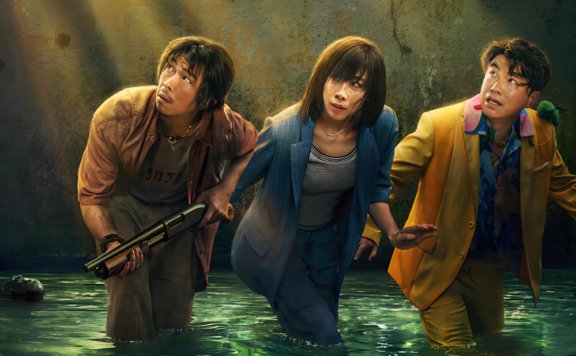
A Cool Fish 2: A Comedy of Chaos in Bangkok
A Cool Fish 2 (无名之辈:否极泰来) transcends its predecessor, delivering a genre-bending thriller-comedy set against Thailand's chaotic backdrop. Director Rao Xiaozhi (饶晓志) reunites the original cast for an entirely new story of survival, deception, and unexpected heroism. This sequel abandons the first film’s grounded realism for a high-stakes, darkly comedic romp through Thailand’s underworld. When a tourist couple (played by Zhang Yu and Ren Suxi) is caught in a violent terrorist attack, absurdity and brutality collide. The film’s audacious tonal shifts—from graphic violence to slapstick humor—culminate in a revelation that redefines everything. Pan Binlong’s (潘斌龙) transformative performance anchors the chaos, embodying a flawed everyman whose journey from cowardice to courage becomes the film’s pulsing heart. Horror Opening The film opens with visceral terror: masked gunmen storm a Thai street market, executing bystanders in cold blood. Yet protagonists Chen Sanjin (Pan Binlong) and his girlfriend (Ren Suxi) receive baffling leniency. Chen even kicks a captor but escapes immediate execution—an inconsistency that gnaws at viewers. Why spare these two? The answer lies in a later twist that reframes the violence as orchestrated theater. As the couple flees through neon-drenched alleys, logic unravels. Terrorists spot Chen escaping but withhold gunfire. He later returns to… -
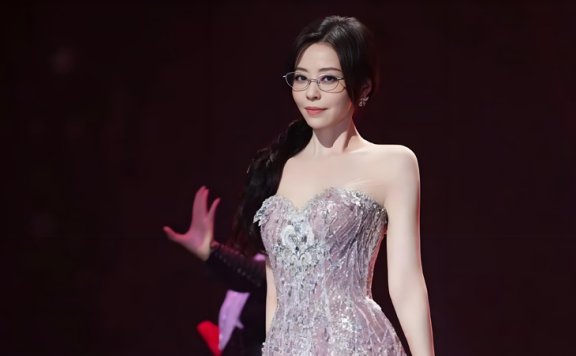
Zhang Liangying’s Evolution in Ninety Thousand Words
Zhang Liangying’s (张靓颖) gold-rimmed glasses and hip-swaying performance of viral song Ninety Thousand Words ignited both social media frenzy and artistic debate. The acclaimed singer’s deliberate shift toward internet culture—once considered territory for online influencers—challenges rigid hierarchies in entertainment. As her concert footage spawned millions of imitations, critics questioned whether such "influencer-style" acts diminish a star’s prestige. Yet this moment reveals deeper currents: the evolving symbiosis between high-artistry stages and algorithm-driven platforms. The Viral Alchemy of Performance Zhang’s transformation began with a televised appearance where her "forbidden charm" aesthetic—strict blazer, sharp eyewear—contrasted dramatically with the song’s provocative choreography. Audiences hailed it as "dimensional mastery," recognizing how her technical precision elevated a trending track. Professional vocal control and decades of stagecraft lent the routine an unreplicable depth. Within hours, amateur recreations flooded Douyin yet consistently fell short. Her background as a classically trained vocalist created an unbridgeable gap. Fitness discipline and movement economy allowed subtle gestures to convey complexity where influencers relied on exaggeration. When Zhang transplanted the act to her Hefei concert, multi-angle smartphone recordings amplified its reach. This demonstrated a new paradigm: staged artistry fueling online trends, which in turn drew audiences back to live performances. The loop between… -
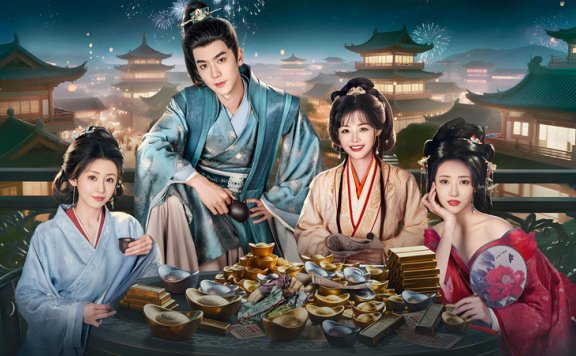
Xian Xu: Brewing Business and Laughter in Ancient Courts
Xian Xu (贤胥) injects fresh energy into historical dramas by merging commerce, comedy, and time travel. This 2025 release follows a modern underachiever who revolutionizes a fictional dynasty with bubble tea tactics and audacious business gambits. From Zero to Bubble Tea Hero Xiao Ning (Pan Yihong), a disillusioned contemporary slacker, wakes up in the Great Jing Dynasty as a despised son-in-law. Mocked by his wife’s family and stripped of dignity, he spots an opportunity in the untapped beverage market. Leveraging 21st-century insights, Xiao Ning (萧宁) crafts "ancient-style bubble tea"—a fusion of tea aromas and fermented rice wine—that ignites a local frenzy. His stall queues snake through market streets, turning copper coins into silver and humiliation into reverence. This ascent isn’t frictionless. Noble clans initially dismiss his "peasant brew," but skyrocketing demand forces them to acknowledge his disruptive influence. Xiao Ning’s triumph lies not in royal decrees but grassroots capitalism—transforming street hawking into an empire. His journey mirrors modern entrepreneurship: identifying gaps, scaling micro-ventures, and battling elitist gatekeepers who fear the power of popular taste. Comedy as a Business Strategy Xian Xu is cards the solemnity of classics like The Grand Mansion Gate (大宅门). Instead, Xiao Ning weaponizes absurdity against ancient… -
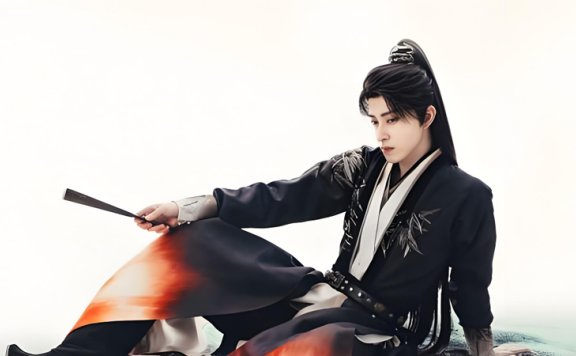
The Unveiling of Justice in the Coroner’s Diary
In the chilling landscape of Coroner’s Diary (朝雪录), a historical suspense drama gripping audiences, the pursuit of truth is as relentless as winter’s frost. Forensic investigator Qin Guan (秦莞) and silver-speared constable Yan Chi (燕迟) navigate a world where aristocratic facades crumble to reveal rot. Each meticulously crafted villain—driven by ambition, fear, or greed—meets an end meticulously tailored to their crimes. This narrative tapestry weaves eight macabre cases into a singular thesis: beneath the snows of injustice, no sin remains buried forever. The First Sacrifice to Justice Wei Yanzhi (魏言之), the disgraced Duke of Song’s illegitimate son, believed privilege could shield monstrosity. His murder of lover Song Rou (宋柔)—decapitating her to conceal a sword wound, then incinerating her skull—was calculated arrogance. Yet Qin Guan’s forensic brilliance unraveled his design. Vinegar paper revealed hidden wounds; pelvic bones betrayed Song Rou’s pregnancy. Wei’s attempt to frame the Marquis of Anyang collapsed. His beheading at the city gates became the drama’s foundational lesson: blood demands blood. His execution was no mere plot point. It established Qin Guan’s authority in a society that dismissed her skills. The charred skull fragments, once intended as proof of invincibility, instead symbolized nobility’s vulnerability. As the crowd cheered… -
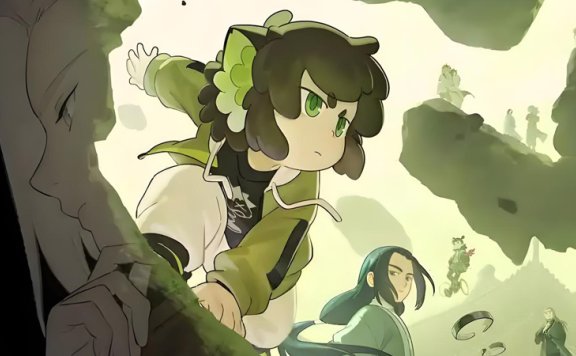
The Legend of Hei 2 Premieres July 18
The Legend of Hei 2 (罗小黑战记2) reignites the beloved saga of the cat-like spirit Xiao Hei, promising evolved battles, new allies, and a broader supernatural world. Six years after the first film, director Wooden's sequel blends signature charm with heightened stakes as Xiao Hei transitions from apprentice to protector. Shanghai’s July 14 fan event unveiled pivotal character dynamics and visual upgrades ahead of its nationwide release. The 14-year journey of "Raccoon Little Black Battle Journal" culminates in its long-awaited sequel. From 2011’s humble Flash-animated debut to a cinematic phenomenon, the series defied its "slowest-updating" reputation through endearing characters and delicate artistry. Director Wooden’s meticulous craft even drew admiration from Japanese auteur Makoto Shinkai. Now, The Legend of Hei 2 arrives July 18, continuing Xiao Hei’s tale amid escalating conflicts between humans and spirits. The Growth Sequel Xiao Hei’s growth anchors the sequel. No longer reliant solely on master Infinite’s guidance, he confronts threats with newfound confidence. Six years of training manifest in agile combat sequences where his reflexes outshine foes. Yet traces of his playful naivete remain—a strategic stumble or flustered retort still sparks laughter. This maturation stems from necessity. When an attack shatters peace at the Spirit Association branch,… -
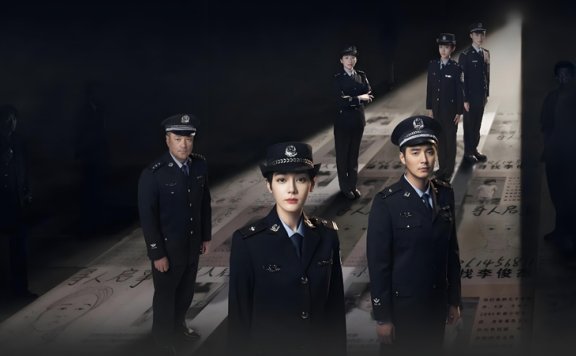
Sword Rose: A Police Procedural Against Human Trafficking
Sword Rose (利剑·玫瑰), starring Dilraba (迪丽热巴) and Jin Shijia (金世佳), exposes China’s human trafficking underworld through a gritty police procedural. Premiering July 28 on CCTV-8, the series merges psychological thrills with raw emotional stakes. The drama follows Linshan City’s Anti-Trafficking Unit chief Deng Yan (Dilraba) as she battles criminal syndicates alongside colleagues Chang Rui (Jin Shijia) and Yin Jiansheng (You Yongzhi). With chilling realism and noir visuals, it navigates shattered families and police valor. The creators prioritize authentic crime-solving tactics while spotlighting survivors’ healing journeys. The show's producers said, "We didn't just want to highlight those intense, heart-pounding moments when the police launch their big crackdowns. We really wanted to dig into the 'healing journey' of families that get torn apart by child trafficking, too." And then there's Sun Wenhan (孙文翰), the character Li Zhi (李智) plays. He's a regular dad who volunteered to fight against child trafficking—spent a whole decade searching before finally finding his missing kid. He's like a stand-in for all those families who've gone through that same terrible pain. The Iron Triangle Against Crime Deng Yan’s (邓妍) expertise in criminal psychology clashes with Chang Rui’s (常锐) street-smart tactics, forming a combustible partnership. Their unit’s first case—a… -
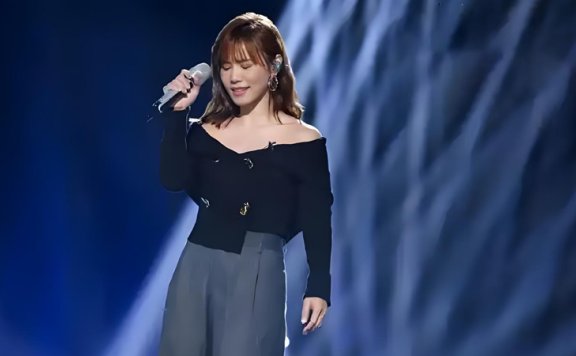
Singer 2025: Controversy, Elimination, and a New Champion Emerges
Singer 2025's eighth episode delivered a significant rebound in ratings, widely attributed to the impactful performances of its two new challengers. Yet, beneath the surface of renewed viewer interest lay a wave of audience dissatisfaction. The elimination of established acts Zhe Lainü (者来女) and Mars Radio sparked debate, overshadowing the musical achievements and highlighting several recurring criticisms about the show's format and execution. These concerns range from confusing role definitions for new singers to perceived inconsistencies in elimination timing and the overall fairness of contestant retention. Contestant Roles Spark Confusion The distinction between "Challenge Singers" and "Replacement Singers" has become a significant point of contention. Historically, Singer reserved the "Replacement Singer" slot for major, established stars – exemplified in Singer 2024 by the arrival of Sun Nan (孙楠). Episode 8's introduction of the relatively unknown band Mars Radio as "Replacement Singers," juxtaposed with the seasoned and popular Li Jiawei (李佳薇) entering as a "Challenge Singer," felt jarringly reversed to many viewers. The core frustration lies in the perceived downgrade: "Replacement Singers" join directly as permanent contestants, while "Challenge Singers" like Li Jiawei must win a sing-off for that privilege. This season's choices have led to widespread criticism that the caliber… -
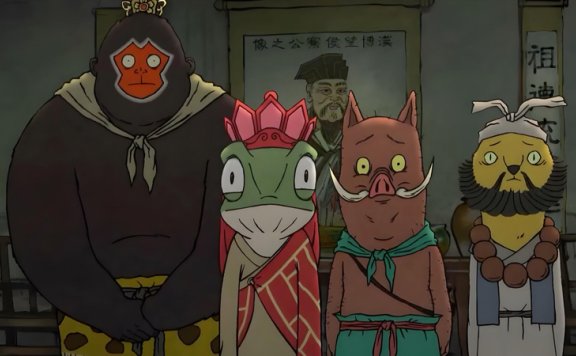
Nobody's Journey to the West: An Unlikely Quest Begins August 2
The animated comedy Nobody's Journey to the West (浪浪山小妖怪), arriving in cinemas nationwide on August 2. Instead of the revered monk and his powerful disciples, the spotlight falls on four endearing outcasts from the bottom rungs of the monster world. Zhu, a resilient pig monster; Gua, a down-on-his-luck frog spirit; Huang, a hyper-efficient weasel demon; and Xing, a timid gorilla creature, stumble into impersonating the famous pilgrims. Their haphazard mission, sparked by necessity and audacity, promises a road trip filled with absurd mishaps, surprising camaraderie, and the quest for something more than just scriptures. The Ragtag Crew Assembles Zhu, the pig monster, has spent years navigating the frustrations of Langlang Mountain life. Persistent despite constant setbacks, his sharp mind and restless spirit yearn for significance beyond menial tasks. When the idea strikes to pose as the legendary pilgrims, it's Zhu's boldness that drives the plan forward. He grabs a rake, declares himself the leader, and convinces his unlikely comrades that this chaotic scheme is their best shot at a better story. Gua, the frog spirit, finds himself unexpectedly unemployed after years spent scrubbing pots deep within a mountain cavern. His easygoing nature and knack for finding humor in the bleakest… -
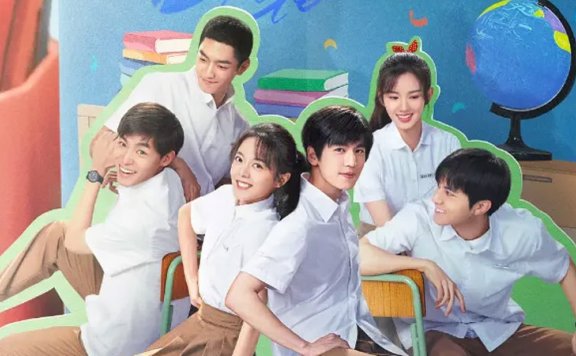
My Cherry Amber: 1990s Shandong Bonds Forge a Lifelong Destiny
This piece explores the groundbreaking Chinese drama My Cherry Amber, analyzing how its authentic portrayal of childhood friendships in 1990s Shandong evolves into a resonant generational love story. Through layered character development and period-accurate details, the series revitalizes the coming-of-age genre. The landscape of Chinese television quietly shifts as My Cherry Amber captivates audiences, proving even well-trodden genres can blossom anew. Set against Shandong's coastal backdrop in the 1990s, this adaptation of Yun Zhu’s novel follows Lin Qile (Cherry) and Jiang Qiaoxi’s (蒋峤西) journey from childhood companions to soulmates. Eschewing melodrama for nuanced emotional truth, the series finds power in life’s ordinary moments. Shandong Childhood Ten-year-old Cherry navigates life within the Qunshan Electric Compound courtyard with infectious curiosity. Her world revolves around scraped knees, shared sweets, and adventures with the "Qunshan Squad" – a tight-knit group including Yu Qiao (余樵) and Du Shang (杜尚). Their dynamic shifts when taciturn newcomer Jiang Qiaoxi arrives. Haunted by family tragedy, Qiaoxi initially withdraws from the boisterous group. Cherry’s persistent kindness chips away at Qiaoxi’s defenses. A shared love for comic books becomes their secret language, while courtyard games slowly draw him into the fold. The show meticulously reconstructs era-specific details: rusty swing sets,… -
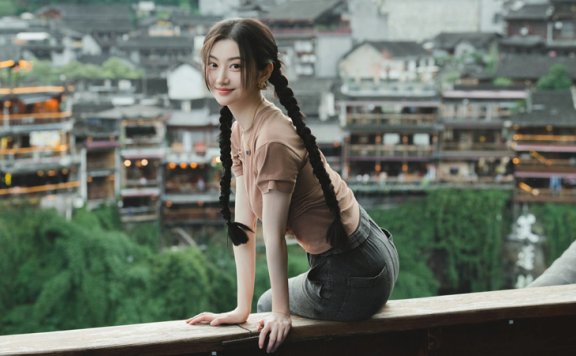
Jing Tian's Braids Hairstyle: A Story behind Cdrama Rattan
At 36, Jing Tian (景甜) captivates social media with candid snaps featuring playful braids and radiant smiles. Beyond viral aesthetics, her disciplined lifestyle and strategic career shift post Rattan (司藤) reveal a woman redefining stardom through authenticity and resilience. Her laughter echoes through screens like wind chimes in July—unscripted, bright, and disarming. When Jing Tian uploaded "life snippets" on July 11, 2025, she ignited more than a hashtag; she unleashed a cultural exhale. Against curated perfection dominating feeds, her moss-green skirt and carefree twin braids became emblems of unfiltered joy. Netizens flooded comments: "Her smile healed my burnout," one confessed. Another marveled, "Is she truly 36?" This wasn’t mere vanity—it was a masterclass in rewriting beauty rules through lived experience, not filters. Braids as Rebellion The photos’ power lies in their unstudied grace. Jing’s simple tee and waterfall-side poses reject red-carpet formalism. Her loosely woven braids—practical, nostalgic—symbolize shedding performative glamour. "We chase flawless illusions," a fashion critic noted, "but Jing’s messy authenticity dismantles that." Her crescent-moon eyes and faint dimples amplify this genuineness, making "ageless" less about biology than spirit. Fan reactions reveal deeper yearning. "She reminded me of childhood summers," shared a mother in Chengdu. For Gen-Z followers, Jing’s… -
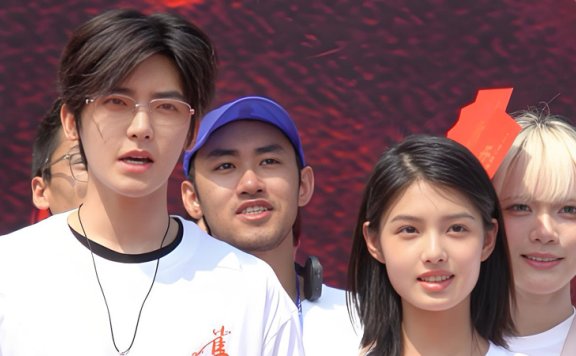
Hengdian's New Dynasty Epic: Power and Passion in Bird Bone
The ancient halls of Hengdian Studios buzzed with renewed energy on July 15, 2025, as cameras began rolling on Bird Bone (雀骨), a major historical drama promising grandeur and intricate storytelling. Produced by streaming giant iQiyi, the series boasts astriking ensemble castled by popular actor Hou Minghao (侯明昊) and rising star Amy. Set against a backdrop of dynastic upheaval, it chronicles the turbulent alliance between a fiercely ambitious general and a sharp-witted noblewoman, bound together by political necessity. The production's105-day shootaims to weave complex court intrigue with surprising moments of levity, positioning itself as a potential standout in the competitive historical genre. Royal Masks, Private Truths General Xiao Wuyi (Hou Minghao) presents a formidable facade, a commander driven by profound ambitions within a fractured empire. Beneath the cold steel armor and calculated strategies, however, lies a man burdened by deeper loyalties. His public persona as the seemingly arrogant heir of Jing'an Prince conceals a reformer's heart. The arrival of Xie Jiayu (Amy), the clever daughter of the Grand Tutor, disrupts his solitary path. Thrust into his world as a political pawn, her initial role as his reluctant concubine becomes a catalyst for unforeseen connection. Xie Jiayu (谢嘉鱼) is far from…