

In the chilling landscape of Coroner’s Diary (朝雪录), a historical suspense drama gripping audiences, the pursuit of truth is as relentless as winter’s frost. Forensic investigator Qin Guan (秦莞) and silver-speared constable Yan Chi (燕迟) navigate a world where aristocratic facades crumble to reveal rot. Each meticulously crafted villain—driven by ambition, fear, or greed—meets an end meticulously tailored to their crimes. This narrative tapestry weaves eight macabre cases into a singular thesis: beneath the snows of injustice, no sin remains buried forever.
The First Sacrifice to Justice
Wei Yanzhi (魏言之), the disgraced Duke of Song’s illegitimate son, believed privilege could shield monstrosity. His murder of lover Song Rou (宋柔)—decapitating her to conceal a sword wound, then incinerating her skull—was calculated arrogance. Yet Qin Guan’s forensic brilliance unraveled his design. Vinegar paper revealed hidden wounds; pelvic bones betrayed Song Rou’s pregnancy. Wei’s attempt to frame the Marquis of Anyang collapsed. His beheading at the city gates became the drama’s foundational lesson: blood demands blood.
His execution was no mere plot point. It established Qin Guan’s authority in a society that dismissed her skills. The charred skull fragments, once intended as proof of invincibility, instead symbolized nobility’s vulnerability. As the crowd cheered his death, snow fell on the execution grounds—a visual metaphor for the cleansing to come. Wei Yanzhi’s fate foreshadowed the series’ core tenet: power corrupts, but corruption carries its own executioner.
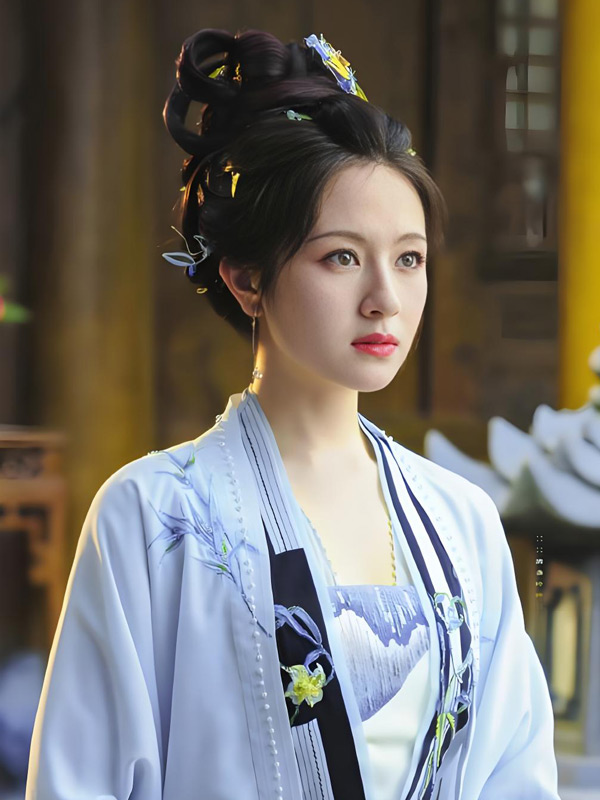
Silenced Watcher
Steward Liu Chun (刘春), Qin Manor’s unassuming overseer, wielded keys like weapons. His hunched shoulders and rattling copper keychain masked a viper’s instinct. Suspected of murdering Qin Guan’s uncle and sabotaging her investigation into Prince Jin’s massacre, Liu surveilled every shadow. When Qin Guan infiltrated the forbidden bamboo grove, his silhouette at the window betrayed him—a watcher becoming the watched.
The bamboo grove, where skeletons lay entwined with roots, held secrets Liu died protecting. His demise—shoved into the manor’s disused well—was ironic theater. The servant who weaponized observation perished in darkness, unseen. Unlike Wei Yanzhi’s public spectacle, Liu’s end was a hushed whisper, reflecting his methods. His keys, recovered from the well’s depths, unlocked not doors, but his complicity in the Qin family’s decay.
Crown’s Corruption
Prince Jin’s massacre twenty years prior haunts the capital. The true architect, hinted to be the Emperor’s shadow, leaves grotesque signatures: flayed victims with dragon tattoos, missing imperial seals. When Qin Guan unearths a six-fingered skeleton beneath the imperial gardens, the throne’s foundations crack. This villain’s punishment transcends death—historical infamy.
The Emperor’s agent, whose name history dare not record, orchestrated purges to bury his regicide. Yet Qin Guan’s forensic evidence—a skeleton’s deformed hand, a jade seal hidden in a prop coffin—forges an unbreakable chain. His exposure before the ancestral temple ensures eternal disgrace. Dynasty records will brand him a kin-slayer, his legacy ash. This culmination elevates the series beyond crime-solving; it indicts systemic rot where palaces breed monsters.
Princess Chang’s Gilded Cage
Princess Chang, portrayed with regal ambiguity, spins webs with silk-gloved hands. Her “rescue” of Qin Guan was no mercy—it positioned the investigator as her pawn. Selecting the Marquis of Anyang’s estate for her grandson’s wedding, knowing it would host the “Headless Bride” horror, revealed her orchestration. Her ties to Prince Jin’s downfall—she led the call for his execution—suggest a lifetime of political bloodsport.
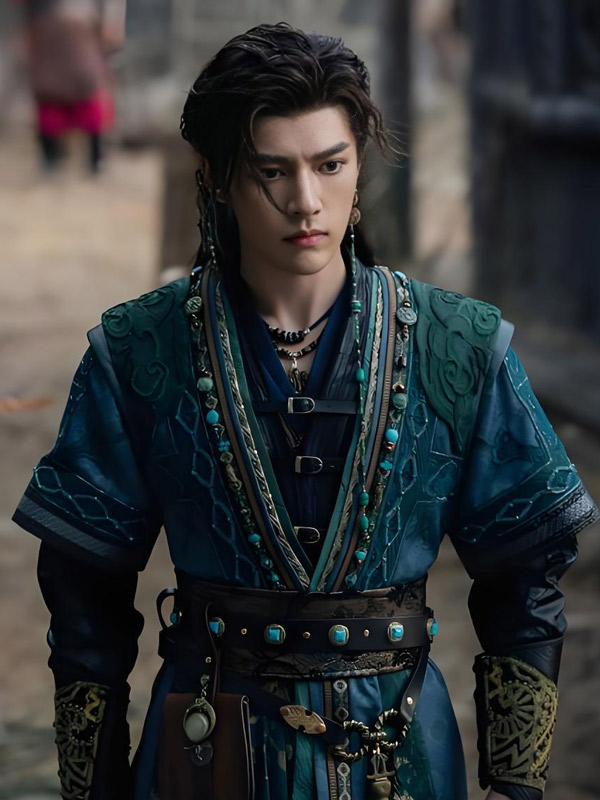
Her end offers tragic complexity. Cornered by Yan Chi’s army demanding justice for Prince Jin, she faces two paths: self-immolation to preserve royal dignity, or trading the imperial genealogies for exile. Both choices annihilate her influence. The princess, master of calculated grace, becomes a lesson in diminishing returns of power. Her final scene—staring at ancestral portraits—underscores the cost: a lifetime of manipulation, ending in irrelevance.
Coroner’s Diary crafts poetic symmetry between crime and consequence. Wei Yanzhi’s severed head, Liu Chun’s suffocating well, the unnamed regicide’s historical damnation, and Princess Chang’s eroding authority—all resonate with Qin Guan’s signature ninth needle. This instrument, piercing the guilty’s brow, strips away pretense. As frost melts under relentless sun, the drama affirms: in a world of bloodstained snow, justice is not blind. It watches, waits, and delivers cold precision.