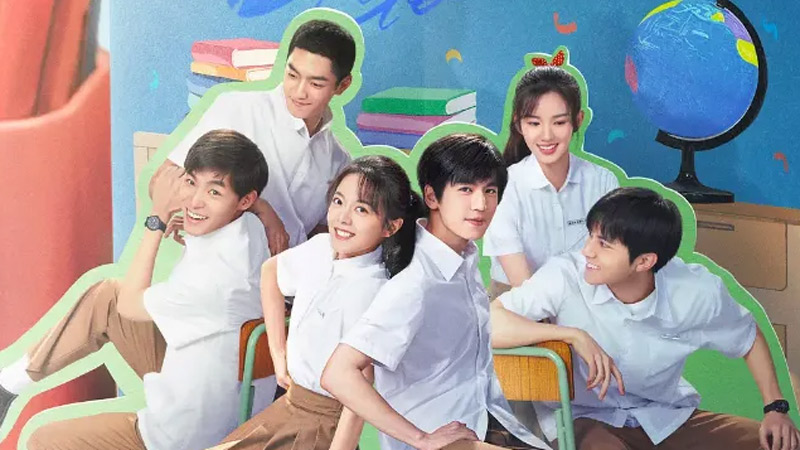
This piece explores the groundbreaking Chinese drama My Cherry Amber, analyzing how its authentic portrayal of childhood friendships in 1990s Shandong evolves into a resonant generational love story. Through layered character development and period-accurate details, the series revitalizes the coming-of-age genre.
The landscape of Chinese television quietly shifts as My Cherry Amber captivates audiences, proving even well-trodden genres can blossom anew. Set against Shandong's coastal backdrop in the 1990s, this adaptation of Yun Zhu’s novel follows Lin Qile (Cherry) and Jiang Qiaoxi’s (蒋峤西) journey from childhood companions to soulmates. Eschewing melodrama for nuanced emotional truth, the series finds power in life’s ordinary moments.
Shandong Childhood
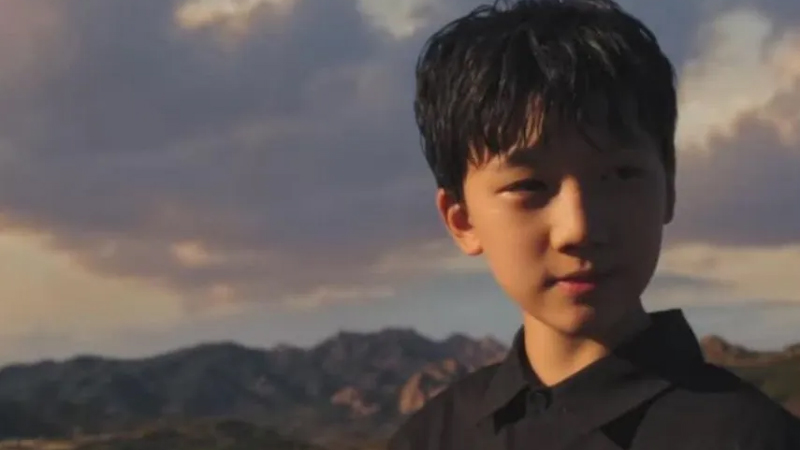
Ten-year-old Cherry navigates life within the Qunshan Electric Compound courtyard with infectious curiosity. Her world revolves around scraped knees, shared sweets, and adventures with the "Qunshan Squad" – a tight-knit group including Yu Qiao (余樵) and Du Shang (杜尚). Their dynamic shifts when taciturn newcomer Jiang Qiaoxi arrives. Haunted by family tragedy, Qiaoxi initially withdraws from the boisterous group.
Cherry’s persistent kindness chips away at Qiaoxi’s defenses. A shared love for comic books becomes their secret language, while courtyard games slowly draw him into the fold. The show meticulously reconstructs era-specific details: rusty swing sets, thermos flasks at dinner tables, and the echoing calls of parents summoning children home at dusk. These textures ground their burgeoning bond in tactile reality.
Pivotal moments unfold with subtle grace. When Qiaoxi gifts Cherry bright red shoes after noticing her worn pair, the gesture speaks volumes about his emerging trust. Their unspoken promise, symbolized by those shoes, becomes the story’s emotional compass. The compound transforms into a character itself – its weathered walls and communal spaces reflecting the safety and discovery of youth.
Provincial High School
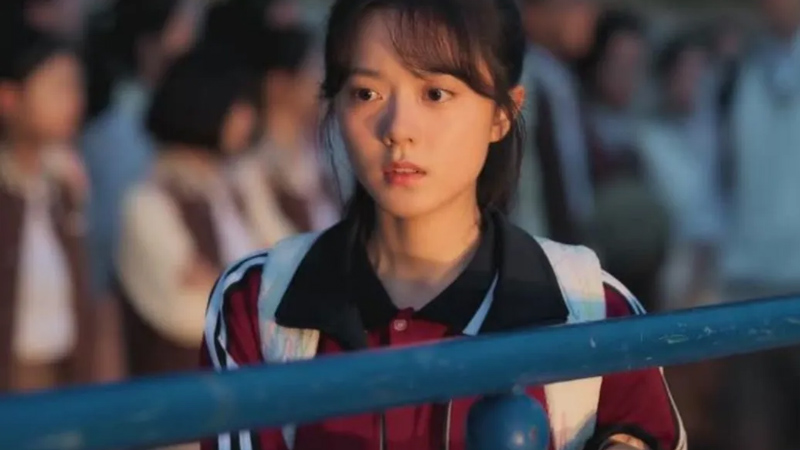
Years later, Cherry and Qiaoxi reunite at Shandong’s elite Provincial High School. The once-shy boy is now an aloof academic star, creating an unsettling distance. A misdelivered love letter sparks campus rumors, leading Qiaoxi to publicly deny knowing Cherry – a painful betrayal stemming from his fear of vulnerability and family pressures.
Their strained interactions crackle with unresolved tension. Qiaoxi’s lingering glances betray his cold facade, particularly during a rain-soaked bus stop encounter where he almost kisses her. The series excels in portraying adolescent awkwardness: fumbled conversations in crowded hallways, stolen moments during bicycle rides home, and the agonizing gap between what’s felt and what’s said.
Chemistry simmers through restrained gestures. A brush of hands while exchanging books, Qiaoxi wordlessly shielding Cherry from hallway shoves – these micro-moments build palpable yearning. The fracture deepens when Qiaoxi abruptly vanishes after graduation, leaving no explanation. Cherry’s quiet devastation underscores how profoundly their childhood connection shaped her.
Hong Kong Reunion
Five years of silence pass before Cherry, now a tenacious journalist, tracks Qiaoxi to Hong Kong. Their reunion crackles with unresolved history. Qiaoxi grapples with guilt over his departure while Cherry confronts years of unanswered questions. Mature conversations replace teenage reticence as they navigate complex family expectations and career aspirations.
The red shoes motif resurfaces powerfully. Cherry discovers Qiaoxi kept their childhood memento, a silent testament to his enduring loyalty. Their journey toward reconciliation isn’t swift; it demands vulnerability as they unpack past hurts. A pivotal scene finds them retracing steps along Victoria Harbour, the city’s glittering skyline framing their hard-won honesty.
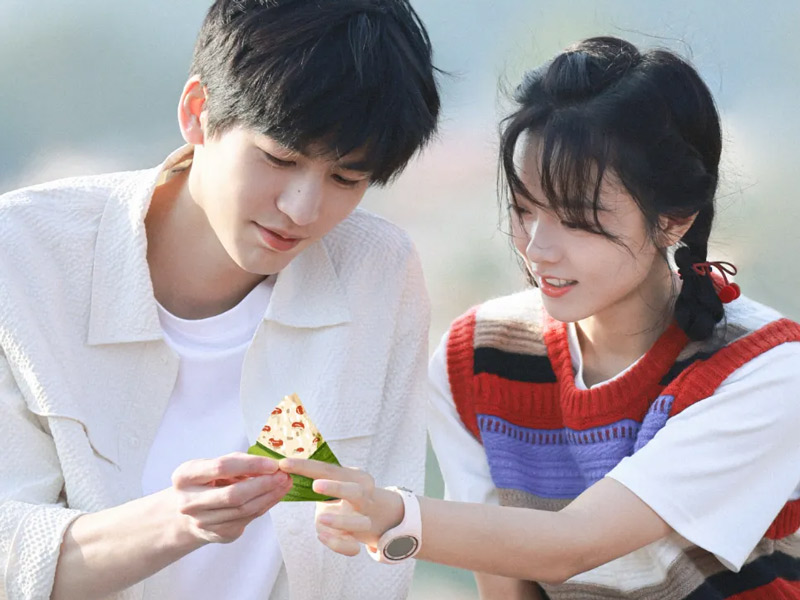
Resolution comes not through grand gestures, but shared understanding. They build a life honoring their roots: naming their daughter "Chun Lu" (纯鲈) as a callback to their red shoes promise. The closing scenes show them visiting the old Shandong compound, now with their child, completing a generational circle. My Cherry Amber affirms that the purest bonds, forged early, can weather time and silence.
My Cherry Amber resonates because it mirrors life’s quiet rhythms. Its brilliance lies not in manufactured drama, but in honoring how small moments – a shared comic, red shoes, a rainy bus stop – accumulate into destiny. By grounding universal emotions in the specific soil of 1990s Shandong, it offers not just nostalgia, but recognition. The series reminds us that love stories often begin not with thunderclaps, but with the steady, patient work of two hearts learning to trust.