Article
Search results:
-
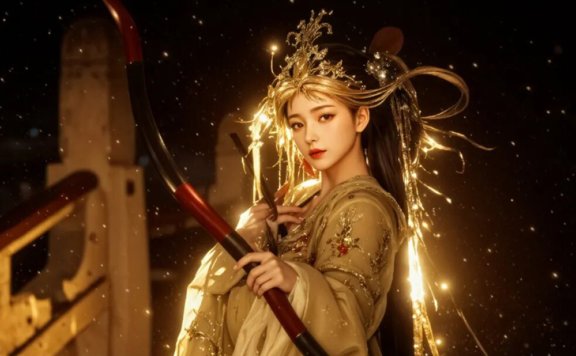
Huo Ling'er: The Blazing Red Lotus of Perfect World's Epic Saga!
In the vast universe of Perfect World (完美世界), where legends are born from chaos and destiny, one figure stands out with a flame that rivals the sun. Huo Ling'er (火灵儿), once a princess of a fallen kingdom, emerges as a symbol of resilience and passion. Her journey from royalty to sainthood is not just a tale of power, but a heartfelt narrative of love and sacrifice. As she navigates through trials and tribulations, her story resonates with anyone who has ever fought for what they believe in. This article delves into her transformative path, exploring how she became a beacon of hope in a world shrouded in darkness. A Princess's Fire From her earliest days, Huo Ling'er exhibited a fiery spirit that set her apart. Growing up under the Huo Sang Shu (火桑树), or Fire Mulberry Tree, she was immersed in the traditions of her people. While other nobles indulged in leisurely pursuits, she trained rigorously in the Huo Dao Zhen Jie (火道真解), the ancient art of fire mastery. Her innate resistance to heat allowed her to perform feats like walking across molten lava unscathed, a testament to her unique gifts. This early exposure to hardship shaped her into a… -
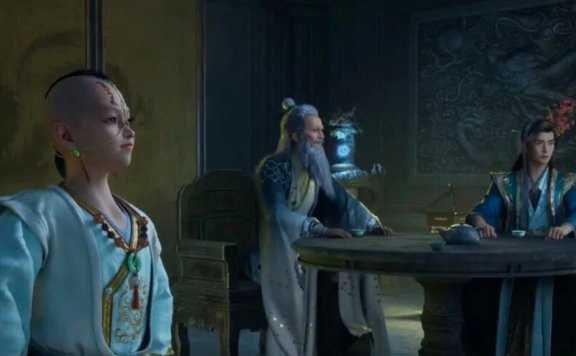
How Lü Luo Gained the Most from Tianjing Zhenren's Exchange
In the cultivation world, fortunes can shift in the blink of an eye, often favoring those who least expect it. The exchange meeting organized by Tianjing Zhenren (天晶真人) within the narrative of A Mortal's Journey (凡人修仙传) appeared as a typical gathering for adepts to trade rare items and techniques. Lü Luo (吕洛), a dedicated member of the Luoyun Sect (落云宗), joined the event with modest expectations, merely hoping to observe and perhaps acquire a useful tool. He left with a fire-red sword, an item that seemed ordinary amid the dazzling treasures exchanged. Yet, this unassuming beginning set the stage for him to emerge as the true winner, a twist that would reshape the sect's destiny and highlight the unpredictable nature of cultivation journeys. The Fateful Exchange As cultivators gathered at the exchange, each presented their coveted possessions, from ancient artifacts to powerful talismans. Han Li (韩立) managed to secure a method for refining a Yuanying puppet from Tianjing Zhenren, a technique praised for its sophistication but notorious for its demanding material requirements. These components were so rare that most cultivators would struggle to even glimpse them, let alone collect enough for the process. However, Han Li possessed unique assets, including… -
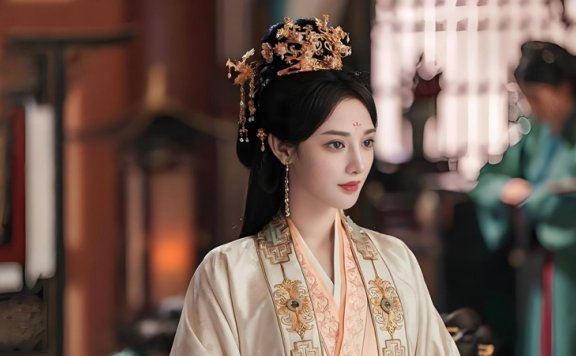
How Did Queen Ling Cangcang Outsmart the Empress Dowager in Love & Crown?
In the gripping palace drama Love & Crown (凤凰台上), Ling Cangcang (凌苍苍) finds herself thrust into a role she never desired. Forced into marriage by Xiao Huan (萧焕), who threatened her family, she becomes the queen of Da Qi (大齐) but carries a heart full of resentment. Her husband's actions—killing her mentor and harming Luo Xianxue (罗冼血)—leave her isolated in the royal court. Days pass without her paying respects to the Empress Dowager or reclaiming the Phoenix Seal, a symbol of her authority. It is only after a pivotal moment during her return home, urged by Luo Xianxue and driven by a need to protect her loved ones, that she resolves to confront the Empress Dowager. What unfolds is a masterclass in tactical resistance, where Ling Cangcang employs three clever strategies to turn the tables on her adversary. This isn't just a story of palace intrigue; it's a lesson in asserting power when faced with deliberate opposition. Stating Intentions Upon returning to the palace, Ling Cangcang prepares a thoughtful gesture—bringing the Empress Dowager's favorite cheese—to formally pay her respects. However, she is met with resistance at the door by Chan GuGu (婵姑姑), who claims the Empress Dowager is resting and… -
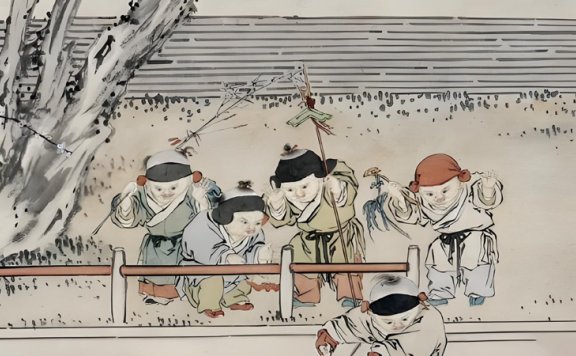
How Did Ancient China Celebrate the Cold?
When winter's chill embraced ancient China, a unique sense of joy permeated the air. Unlike the vibrant energy of spring or the abundant harvests of autumn, the colder months offered a distinct pleasure. As snow blanketed the landscape in a pristine white, people found warmth and security indoors, their minds filled with delightful winter fantasies. What did they do to pass the time? The ancients left behind a legacy of elegant and amusing pastimes that transformed the season into a period of celebration and reflection. From dynamic sports on ice to quiet moments appreciating nature's beauty, their activities were both meaningful and joyful, providing a fascinating glimpse into a world where winter was not merely endured but enthusiastically welcomed. Ice Games Among the most popular winter sports was Bingxi (冰嬉), a term encompassing various ice activities. Records of these games date back to the Sui and Tang dynasties, but they truly flourished later. By the Ming dynasty, Bingxi had become part of military training, with a special office established to oversee it. The Qing dynasty marked the peak of these ancient ice sports. Emperors encouraged Bingxi to strengthen the Eight Banners army, believing it enhanced their physical prowess and combat… -
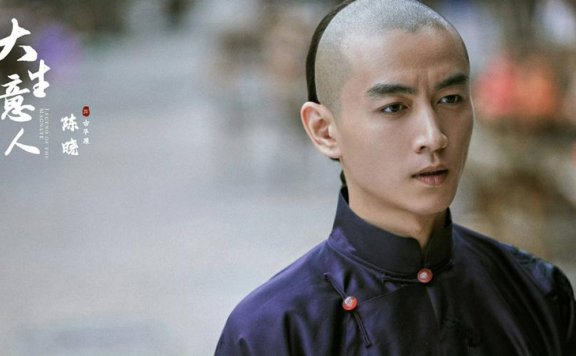
Gu Pingyuan’s Journey in Legend of the Magnate
In the gripping series Legend of the Magnate (大生意人), the tragic death of Su Shuhe (苏叔河) sets the stage for a tale of trust and resilience in the harsh world of Ningguta (宁古塔), a remote penal colony during the Qing Dynasty. After being falsely accused of stealing a valuable ginseng during a trade deal, Su chooses to take his own life to prove his innocence, leaving behind a wife and son. His drastic act isn't merely about honor; it's a calculated move rooted in despair and hope. Su believes that only through such a sacrifice can he capture the attention of Gu Pingyuan (古平原), a fellow exile he perceives as capable and compassionate. With his dying breath, Su implores Gu to ensure his family's escape from their dire circumstances, a plea that Gu silently accepts. This moment underscores a central theme: in environments where survival is precarious, trust and shrewdness become invaluable currencies. Gu's subsequent journey, marked by relentless challenges, reveals why he was worthy of such a profound trust, demonstrating how one man's unwavering spirit can turn desperation into opportunity. Calm Under Fire Gu Pingyuan's ability to remain composed in crises is his first line of defense. When pursued… -
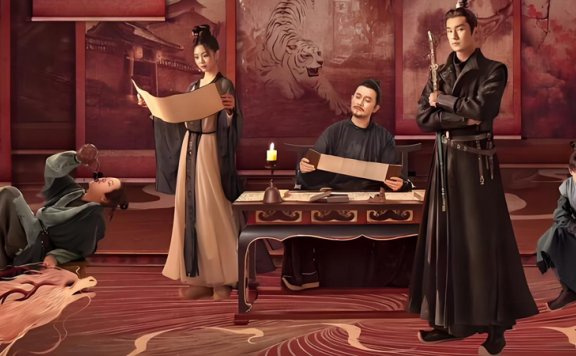
Tang Gui Ⅲ: Guardians of Chang'an Unravel the Golden Peach Conspiracy
The third season of Strange Tales of Tang Dynasty Ⅲ: Chang'an (唐朝诡事录之长安) has arrived, and its return feels less like a simple premiere and more like a cultural event. Against a landscape where franchise fatigue is common, this series demonstrates how to evolve without losing its core identity. From its very first moments, the new installment,re-establishes its grip on the audience with a confidence that is both rare and exhilarating. A Narrative That Captures Imagination The plot wastes no time, immediately pulling viewers back into its meticulously constructed world of mystery and imperial intrigue. The storytelling is taut, with each of the initial eight episodes layering clues and character motivations that interlock with precision. It is this narrative craftsmanship, the ability to balance complex plotting with human drama, that forms the foundation of its success. The audience is not merely watching; they are actively piecing together the puzzle alongside the investigators. The Currency of Connection Beyond the screen, the show has cultivated a uniquely vibrant community. Fans, who call themselves "Guyou" (诡友), engage with the content through a shared language of inside jokes and playful speculation. When characters like the three constables from Chang'an County appear, they are instantly christened… -
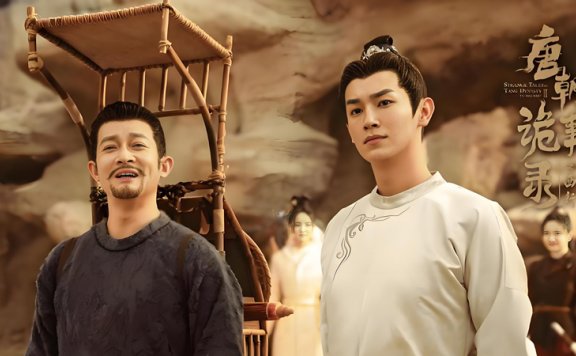
Tang Gui Ⅲ: Power Struggles and Enigmas in the Tang Capital
Audiences welcomed back the familiar team in Strange Tales of Tang Dynasty Ⅲ: Chang'an (唐朝诡事录之长安), where mysteries deepen within the ancient city's heart. Lu Lingfeng (卢凌风) demonstrated swift blade work to protect others, while Su Wuming (苏无名) skillfully managed tensions among powerful figures. Fei Jishi (费鸡师) amazed with his bone-setting techniques, and others like Xi Jun (喜君) applied portrait skills to pinpoint culprits. Ying Tao (樱桃) moved with agile grace, and Xue Huan (薛环) showcased quick thinking in tight spots. This season's debut on iQiyi (爱奇艺) quickly soared past 8500 in popularity metrics, reflecting high anticipation. Moving away from travel-focused plots, the story now anchors in Chang'an, weaving tales amid its political and social hubs. 1. A Tang Dynasty Web of Power & Deception In the heart of the ancient Tang Dynasty (唐朝), a simple mission to escort a rare golden peach to the capital unravels into a complex web of power and deception. As envoys navigate the treacherous paths to Chang'an, what appears to be a straightforward delivery quickly reveals deeper layers of political maneuvering. The golden peach, a symbol of wealth and prestige, becomes a focal point for hidden agendas, drawing in key figures from the imperial court.… -
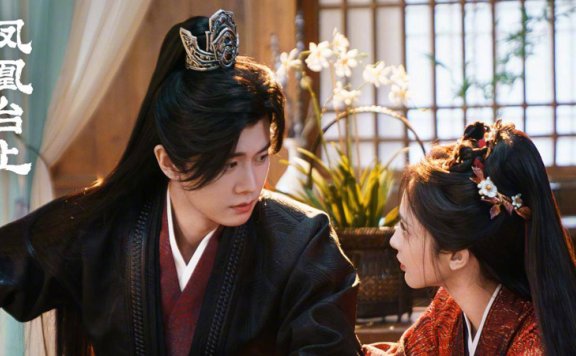
Love & Crown: Hidden Identities in Imperial Turmoil
This season brings Love & Crown (凤凰台上), a series that intertwines political schemes with martial arts elements. It follows two formidable figures whose paths cross in a realm of power struggles and emotional turmoil. Their relationship evolves against a backdrop of imperial conflicts, where personal desires clash with public duties. Ren Jialun (任嘉伦) portrays a character skilled in strategy and combat, while Peng Xiaoran (彭小苒) embodies a resilient individual with her own ambitions. Together, they navigate a narrative filled with twists, supported by a visual feast of costumes and sets. The story draws from the novel My Empress (我的皇后), adding depth to its character-driven plot. Audience excitement is evident through high engagement on platforms like Youku (优酷), where it trends prominently. Discussions often highlight the leads' past roles in projects such as One and Only (周生如故) and Goodbye My Princess (东宫), fueling expectations for their dynamic here. Its release on Jiangsu Satellite TV (江苏卫视) alongside digital streaming aims to reach a broad viewership. What sets this production apart is its focus on authentic character interactions rather than relying on exaggerated tropes. Viewers can anticipate a gripping tale that balances action with heartfelt moments, making it a standout addition to the… -
10 Actors Dominated 2025 as China’s Top Drama-Carriers
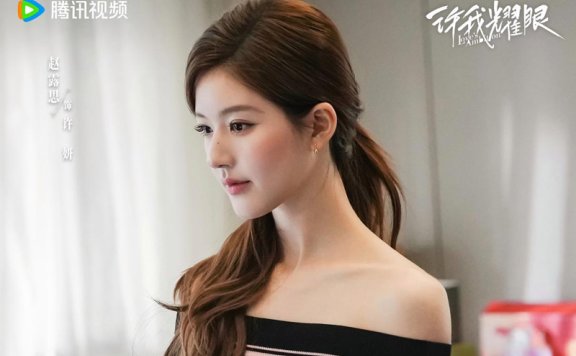
In 2025, the Chinese entertainment industry witnessed a significant shift as performers transcended traditional boundaries, embracing roles that defied expectations and showcased their depth. This year highlighted a move towards authentic storytelling, where actors demonstrated remarkable versatility across television and film. Their journeys from familiar archetypes to complex characters not only captivated audiences but also redefined success metrics, emphasizing artistic growth over mere popularity. 1. Liu Yuning (刘宇宁) - The Prisoner of Beauty, and A Dream Within a Dream Liu Yuning began his career as an online musician, but 2025 marked his emergence as a compelling actor. In the series The Prisoner of Beauty (折腰), he portrayed a leader with a mix of authority and vulnerability. His attention to small details, like subtle facial shifts, brought depth to intense scenes. This performance challenged perceptions about artists transitioning from digital platforms to mainstream media. He further displayed his range in A Dream Within a Dream (书卷一梦), where he took on two distinct roles. Switching between a cunning prince and a carefree swordsman, he used vocal variations and eye movements to differentiate them seamlessly. His dedication to refining each part underscored a self-taught approach that resonated with viewers and critics alike. Beyond… -
When Ink Drops Shatter Mountains in The Demon Hunter
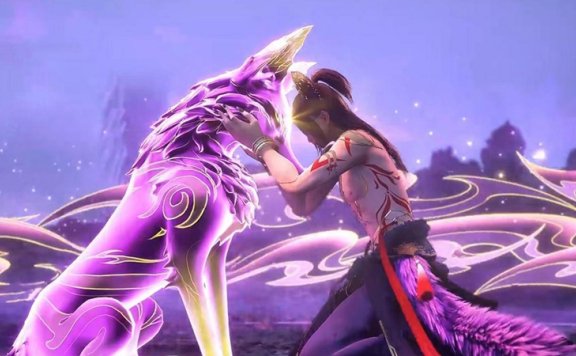
What if a single brushstroke could rewrite reality? This is the foundational question at the heart of The Demon Hunter (沧元图), a phenomenon spanning web novel and animated series that has redefined the parameters of the Xuanhuan (玄幻) genre. Instead of traditional swords or elemental magic, its protagonist wields an ink-laden brush, turning the serene art of Shui Mo (水墨) painting into a devastating and beautiful form of combat. This fusion of classical Eastern aesthetics with high-stakes cultivation narratives creates a world where every battle is a masterpiece and every masterpiece is a battle, offering a visual and philosophical departure from the well-trodden paths of fantasy storytelling. The Brush as Blade At its core, The Demon Hunter is built on a revolutionary premise: artistic creation is the highest form of cultivation. The protagonist, Meng Chuan (孟川), does not simply learn spells; he internalizes the principles of composition, flow, and intent. His power is not drawn from an external well of energy but manifested directly from his artistic vision. A sweeping stroke might conjure a mountain range for defense, while a sharp, precise dot of ink could pierce an enemy's spiritual core. This system elevates the entire narrative, making every conflict… -

What Factions Forged the Mightiest Alliances in Battle Through the Heavens?
In the sprawling world of Battle Through the Heavens (斗破苍穹), where Dou Qi (斗气) fuels both ambition and conflict, alliances are never simple mergers. They represent critical choices made at the brink of survival, binding diverse forces together with bonds of necessity and loyalty. From the remote Jia Ma Empire (加玛帝国) to the treacherous Black Corner Region, and across the vast central plains of Zhongzhou (中州), these coalitions have shaped the continent's destiny. They form in response to existential threats, most notably the shadowy and oppressive Hun Clan (魂族). While some, like the formidable Heavenly Pavilion Alliance, are celebrated, they are not necessarily the most powerful collective force to have been assembled. The true measure of an alliance lies not just in the number of its Dou Zun (斗尊) and Dou Sheng (斗圣) experts, but in its unity and purpose when the entire world is at stake. The Early Coalitions The first significant alliance emerged from the Jia Ma Empire. Founded by the protagonist, Xiao Yan (萧炎), the Yan Alliance initially united local powers including the imperial family, the Miter Clan, and the Alchemist Guild. A crucial addition was the Snake-People Tribe, led by the formidable Medusa (美杜莎). Though its… -
Top 6 Chinese Animations of 2025
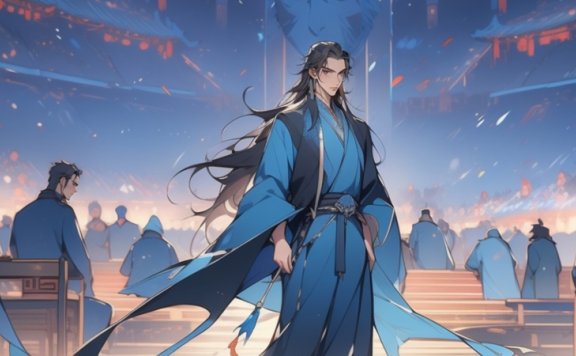
The Chinese animation scene in 2025 is buzzing with energy, delivering a lineup of series that have captured audience admiration and high ratings. This year's selections showcase a blend of advanced animation techniques and compelling narratives, spanning genres from fantasy epics to psychological thrillers. These six standout productions have risen to the top due to their unique artistic approaches and ability to connect with viewers on an emotional level. As the industry grows, these animations reflect a broader trend of innovation and cultural storytelling that resonates globally. This article breaks down each title, offering insights into what makes them must-watch experiences for any animation enthusiast seeking quality entertainment. 1. A Record of a Mortal’s Journey to Immortality: Return to Tian Nan (凡人修仙传:重返天南) A Record of a Mortal’s Journey to Immortality: Return to Tian Nan sets a new benchmark for 3D animation with its detailed character designs and immersive world-building. The series excels in portraying personal growth through stunning visual sequences and nuanced dialogue. Each scene is crafted to enhance the emotional weight of the protagonist's journey, whether in intense battles or quiet moments of reflection. The balance between action and character development keeps viewers engaged from start to finish. Its… -
The Tai Xu Gu Long Clan Reigns Supreme in Battle Through the Heavens?
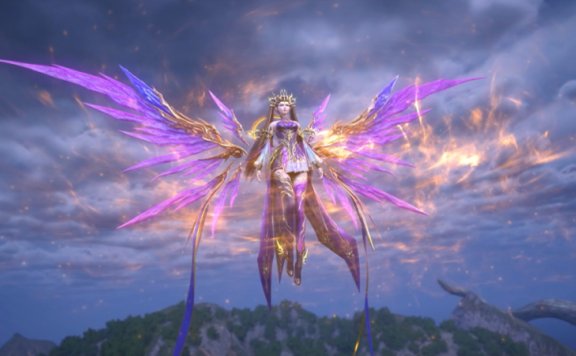
In the sprawling universe of Battle Through the Heavens (斗破苍穹), the Tai Xu Gu Long (太虚古龙) clan stands as a enigmatic force, often whispered about but rarely understood. This beast clan, cloaked in mystery, holds a reputation that echoes across the realms, yet their true might remains a subject of intense debate among followers of the series. Unlike more aggressive factions, they don't flaunt their power, preferring a reserved stance that only deepens the intrigue. As we delve into their capabilities, it becomes clear that their strength isn't just about raw numbers—it's woven into their very essence, from their innate abilities to their strategic positioning in a world teeming with conflict. Peak Strength The pinnacle of the Tai Xu Gu Long's power lies in their legendary figures, starting with the old dragon emperor, Zhu Kun (烛坤). As a nine-star Dou Sheng peak expert, he ranks among the elite of the Dou Qi (斗气) continent, a tier shared with formidable beings like Hun Tianzun (魂天帝) and Gu Yuan (古元). Although he has been trapped in the Ancient Emperor Cave for ages, his mere existence acts as a deterrent, a shadow that looms over potential adversaries. Even in absence, his legacy fuels… -
The Demon Hunter Elevates Chinese Animation by Philosophy and Craft
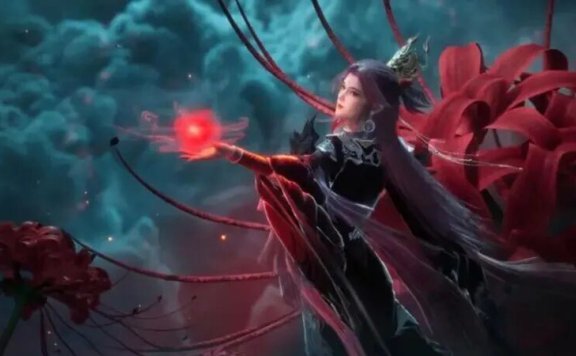
Golden palace spires pierce through hazy skies, while vast grasslands unfold beneath ominous clouds. In The Demon Hunter (沧元图), a groundbreaking Chinese animated series, traditional fantasy aesthetics undergo a dramatic transformation. This isn't the brightly colored cultivation world Western audiences might expect. With its distinctive shadowy palette and philosophical depth, the show has become one of only two domestic annual series on Bilibili to maintain a Douban rating above 9.0. While A Mortal's Journey (凡人修仙传) established certain conventions over five seasons, this newcomer charts an entirely different course. Through its unique visual language and increasingly sophisticated dialogue, The Demon Hunter shatters the mold of action-heavy fantasy animation that often neglects narrative substance. Visual Atmosphere The ceremony where Qin Mu (秦牧) assumes leadership of the Heavenly Demon Cult represents a masterclass in atmospheric storytelling. Rather than relying on explosive action, the sequence builds tension through deliberate composition. The production studio, Xuanji (玄机) Technology, demonstrates remarkable skill in using environmental details to create psychological weight. Flags from three hundred sixty branches flutter across the cult's stronghold, each representing the organization's vast influence. The cinematography sweeps across this impressive display without losing its intimate connection to the protagonist's emotional journey. Golden light filters… -
Flying up Without Disturb: The Phoenix Harpist’s Borrowed Power
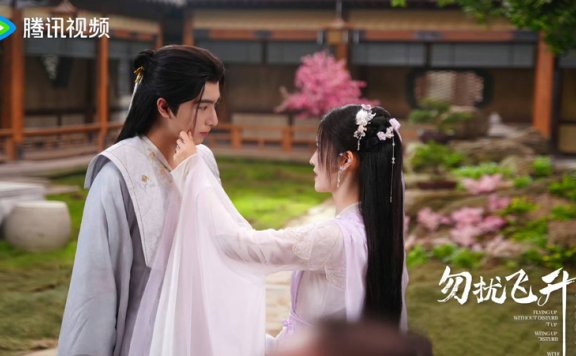
What if the one thing that made you different was the very key to an extraordinary destiny? In the captivating world of Flying up Without Disturb (勿扰飞升), a young woman named Konghou (箜篌) dreams of spiritual ascension in a realm where power is everything. Her journey is not one of innate talent, but of sheer determination and unexpected connections. Denied the natural ability to cultivate, she resorts to selling her most prized possessions just for a chance to grasp the fundamentals of power. Her path takes a dramatic turn when a chance encounter with a mysterious man in white unveils a peculiar secret: physical contact with him causes spiritual energy to flow into her. This serendipitous meeting sets her on a collision course with formidable foes, hidden conspiracies, and a magical instrument that seems to call to her alone, yet remains silent in her hands. The Unlikely Cultivator Konghou's life is a constant struggle against her own limitations. In a society that values spiritual roots above all, she possesses none. Her desire to join the esteemed Yunhua Men (云华门) as a true disciple fuels desperate measures, including selling off her collection of elegant flying dresses. The meager earnings are far… -
Exploring Zhongxi and Konghou's Story in Flying up Without Disturb
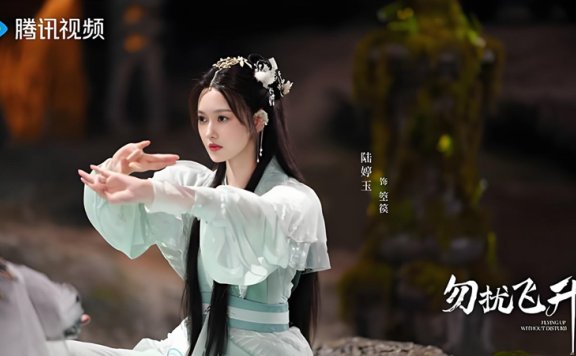
What happens when a cultivator's solitary path unexpectedly intertwines with another's destiny? In the world of Flying up Without Disturb (勿扰飞升), two young practitioners find their fates colliding in the most unexpected ways, proving that the journey to immortality is rarely walked alone. Zhongxi Zhenren (仲玺真人), a cultivator of significant prowess, finds himself battling a mysterious affliction that prevents him from properly absorbing spiritual energy. Meanwhile, the energetic Konghou (箜篌) prepares to leave her mountain sanctuary for the first time, unaware that her master has been intercepting all messages from the ailing cultivator who secretly occupies her thoughts. Their separate journeys will soon converge, but not before navigating the complex web of cultivation politics, hidden dangers, and their own emerging feelings. Separate Struggles Within the quiet confines of his chamber, Zhongxi Zhenren attempted to circulate his spiritual energy, only to be met with waves of excruciating pain. Each attempt to draw upon the ambient Lingli (灵力) left him weaker than before, his body rejecting the very energy that should be healing him. The mysterious poisoning defied all his knowledge of cultivation techniques, leaving him frustrated and isolated. His concern extended beyond his own condition, as the continued silence from Konghou… -
Flying up Without Disturb: Why Is This Xianxia Comedy So Addictive?
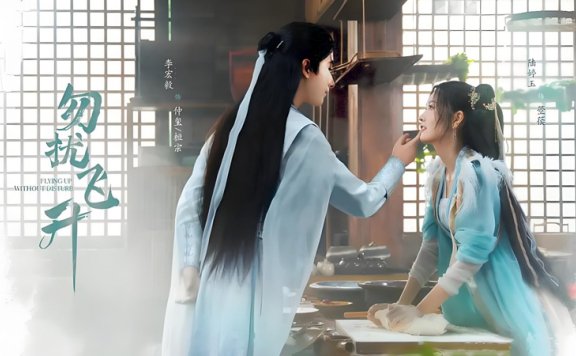
In a landscape crowded with fantasy dramas, Flying up Without Disturb (勿扰飞升) stands out by flipping the script on traditional Xianxia tropes. This series, adapted from a high-rated novel, swaps intense emotional turmoil for witty banter and lighthearted adventures. Led by Li Hongyi (李宏毅) and featuring Xu Jiaqi (许佳琪), the show delivers a unique blend of humor and heart that feels both refreshing and engaging. Instead of focusing on dark conflicts or tragic romances, it invites viewers into a world where laughter and personal growth take center stage. For anyone tired of predictable plots, this drama offers a cheerful escape that is as entertaining as it is original. Unexpected Twists The storyline of Flying up Without Disturb immediately sets it apart from typical genre offerings. Konghou (箜篌), the female lead, begins as a human princess facing adversity but quickly becomes a fortunate figure in the cultivation realm. Rather than embracing her luck passively, she actively seeks out challenges, leading to a series of amusing mishaps. Her journey defies the usual damsel-in-distress narrative, offering a protagonist who drives her own destiny with determination and a touch of modern sensibility. When Konghou encounters Huanzong (桓宗), a seemingly frail cultivator, their initial meetings… -
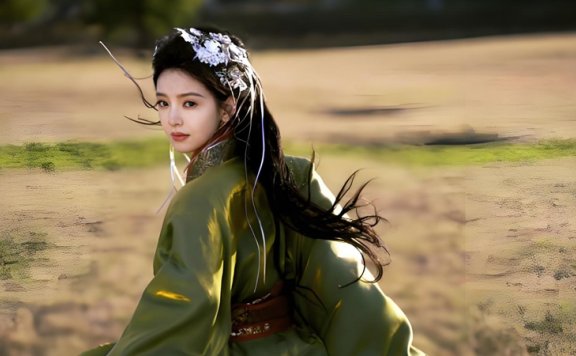
The Quiet Power of Zhang Ruonan’s Green Warring States Robe
In the ever-evolving landscape of fashion and media, a striking trend has emerged from the depths of history, capturing imaginations and challenging long-held stereotypes. Zhang Ruonan (章若楠), a prominent figure in the entertainment industry, recently donned a vibrant green Warring States robe in a photoshoot that has sparked widespread discussion. This attire, rooted in ancient Chinese history, is not just a garment but a narrative tool that blends elegance with resilience. Traditionally, the concept of a "big female lead" in stories and style has been associated with bold, assertive visuals, often dismissing softer aesthetics as weak or insignificant. However, Zhang Ruonan's portrayal in this robe defies such narrow definitions, illustrating how gentleness can coexist with unwavering determination. Her appearance, set against natural backdrops like lush grasslands and wooded areas, evokes a sense of timeless beauty, as if she's a character from a historical epic, poised between vulnerability and strength. This photoshoot does more than showcase fashion; it invites viewers to reconsider what it means to be powerful, suggesting that true strength often lies in subtlety and grace. As we delve into this phenomenon, it becomes clear that the Warring States robe is more than a trend—it's a symbol of a… -
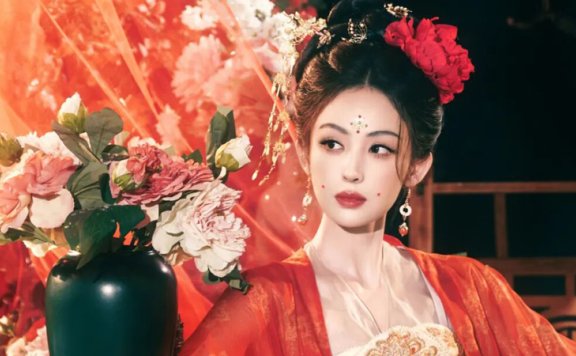
Tang Dynasty Hanfu: How Celebrities and Flattering Styles Win Hearts
In today's fashion landscape, traditional attire from China's Tang Dynasty is experiencing a vibrant resurgence. This era, celebrated for its cultural prosperity and artistic innovation, has left a lasting legacy in clothing that emphasizes grace and adaptability. Hanfu styles from this period, with their flowing silhouettes and intricate details, are being rediscovered by a new generation. What makes them particularly appealing is their ability to flatter diverse body types and facial features, moving beyond rigid beauty standards. From curvy figures exuding opulence to slender frames radiating elegance, Tang Hanfu offers a versatile canvas for self-expression. Recent television series and celebrity endorsements have amplified this trend, making it more accessible and inspiring people to embrace their unique beauty through historical fashion. Flattering Designs The Qixiong Ruqun (齐胸襦裙) stands out as a quintessential Tang Dynasty garment, known for its high-waisted cut that rests above the bust. This design creates a universally flattering shape by avoiding tight fits and instead using soft, draping fabrics that flow with the body. For those with curvier builds, the loose structure and billowing sleeves help smooth lines and convey a sense of dignified luxury. Slimmer individuals find that the lightweight materials enhance their natural grace, adding an… -
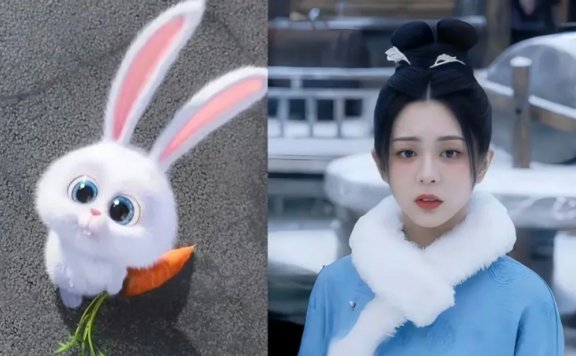
Rabbit Ear Hairstyle in Tang Dynasty Ⅲ
In the popular series Strange Tales of Tang Dynasty Ⅲ: Chang'an (唐朝诡事录之长安), the character Xi Jun (喜君) captivates audiences with her charming hairstyle that resembles rabbit ears. This look has sparked curiosity and admiration online, with many viewers wondering about its name and origins. Far from being a modern invention, this hairstyle has deep roots in Tang Dynasty fashion, where it symbolized youth and vitality. It frequently appears in historical dramas, often paired with traditional attire like Qixiong Shanqun (齐胸衫裙), enhancing the playful and innocent aura of female characters. This article delves into the history, variations, and enduring appeal of this distinctive style, revealing how ancient beauty standards continue to influence today's media. Ancient Origins The rabbit ear hairstyle is broadly categorized as Shuangji (双髻), meaning "double bun." This style was especially popular during the early to high Tang period, characterized by two buns positioned on the head, sometimes with a central gap or crossed sections. Historical records, such as those from the Five Dynasties period, note its prevalence among young women, reflecting societal norms where hairstyles indicated age and marital status. For instance, unmarried girls often wore Shuangji to showcase their youth, while mature women opted for more elaborate…
