
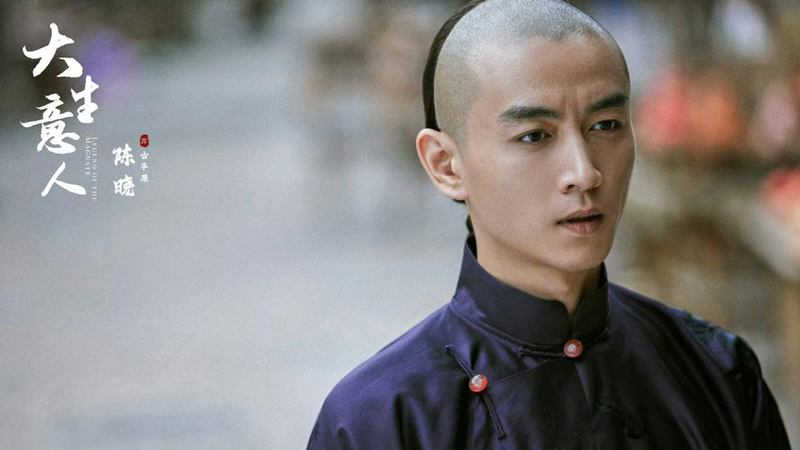
In the gripping series Legend of the Magnate (大生意人), the tragic death of Su Shuhe (苏叔河) sets the stage for a tale of trust and resilience in the harsh world of Ningguta (宁古塔), a remote penal colony during the Qing Dynasty. After being falsely accused of stealing a valuable ginseng during a trade deal, Su chooses to take his own life to prove his innocence, leaving behind a wife and son. His drastic act isn't merely about honor; it's a calculated move rooted in despair and hope. Su believes that only through such a sacrifice can he capture the attention of Gu Pingyuan (古平原), a fellow exile he perceives as capable and compassionate.
With his dying breath, Su implores Gu to ensure his family's escape from their dire circumstances, a plea that Gu silently accepts. This moment underscores a central theme: in environments where survival is precarious, trust and shrewdness become invaluable currencies. Gu's subsequent journey, marked by relentless challenges, reveals why he was worthy of such a profound trust, demonstrating how one man's unwavering spirit can turn desperation into opportunity.
Calm Under Fire
Gu Pingyuan's ability to remain composed in crises is his first line of defense. When pursued by soldiers after escaping Ningguta, he devises an ingenious plan while hiding with Chang Siye's (常四爷) merchant caravan. Instead of panicking, he instructs the group to empty several cargo chests, fill them with water, and add live fish, then conceals himself submerged in one. As the guards inspect the caravan, they see only aquatic contents and, after prodding without result, assume Gu isn't there and retreat. This quick thinking saves him and his companions, highlighting how adaptability often outweighs brute force.
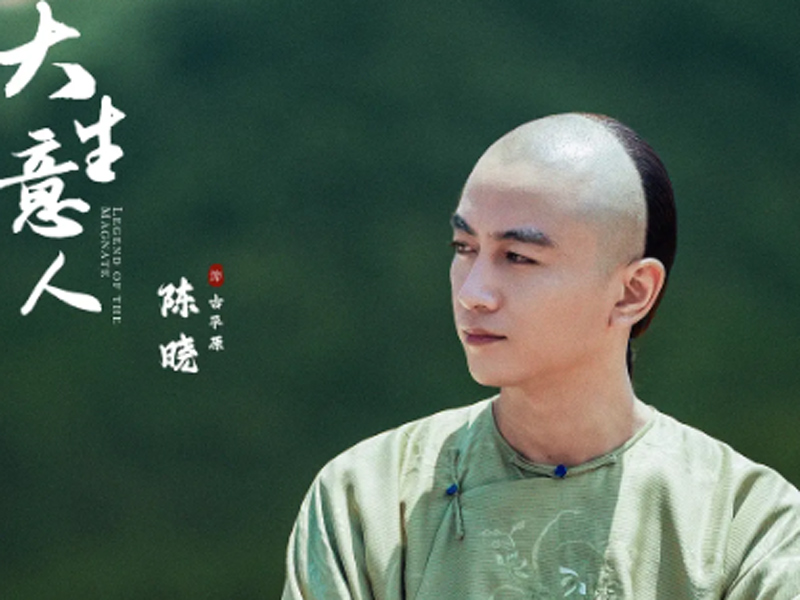
His calm demeanor isn't just instinctual; it's a cultivated trait from years of hardship. In the penal colony, Gu learned that rash decisions lead to downfall, while measured responses open paths to safety. Whether negotiating trades or evading capture, he assesses situations with a clear mind, identifying loopholes others miss. This approach allows him to transform potential disasters into narrow escapes, proving that mental fortitude is as crucial as physical endurance in hostile environments.
Moreover, Gu's serenity inspires loyalty among allies. When others falter under pressure, his steady presence reassures them, turning moments of chaos into coordinated efforts. This relational dynamic amplifies his effectiveness, showing that true leadership in adversity stems from projecting confidence even when fear lurks beneath.
Risking It All
Gu Pingyuan's willingness to stake his life on his goals sets him apart. After fleeing Ningguta, he joins a mission to deliver medicine to a Mongol camp, only to face betrayal from the contact who plans to seize the goods without payment. Recognizing that inaction means certain death, Gu decides to confront the danger head-on. He orchestrates a daring plan: hiding the medicine and, with Chang Yu'er (常玉儿), stealing horses to reach the Mongol general directly, despite the ongoing battle nearby.
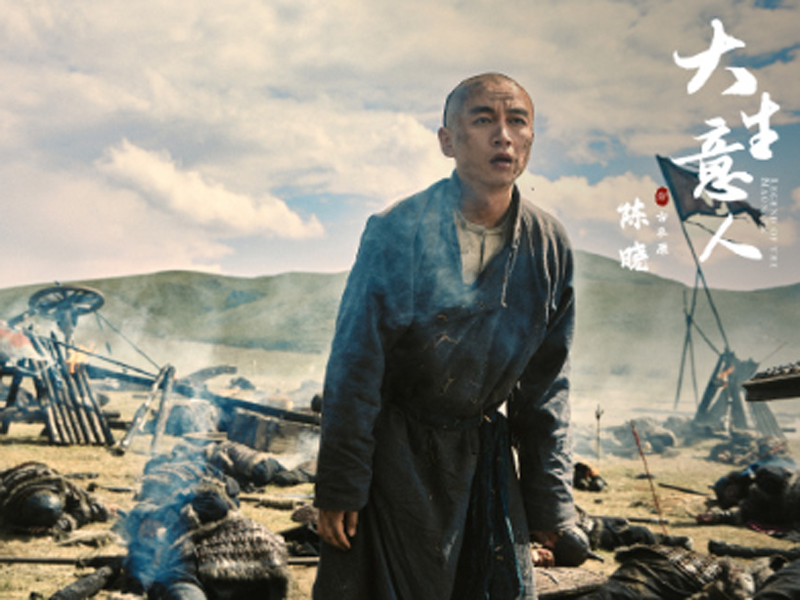
This bold move involves riding straight through the warzone, a decision that nearly costs him his life. As arrows fly and chaos reigns, Gu presses forward, driven by the belief that only extreme risks can yield rewards. Chang Yu'er's timely intervention saves him, but it's his audacity that creates the opening for their success. By refusing to succumb to fear, he turns a hopeless situation into a tactical victory, securing the general's aid and reinforcing that courage often bridges the gap between failure and survival.
Such episodes illustrate that Gu doesn't seek danger but embraces it when necessary. His philosophy is simple: if death is a possible outcome regardless, why not strive for a chance at life? This mindset empowers him to take leaps others wouldn't, transforming peril into progression.
Upward Journey
Gu Pingyuan's outlook on life, shaped by his time in Ningguta, fuels his resilience. Having endured the lowest point of his life as an exile, he views every subsequent challenge as a step upward. This perspective allows him to face obstacles with equanimity, knowing that nothing could be worse than what he's already overcome. It's not about ignoring difficulties, but about framing them as opportunities for growth rather than insurmountable barriers.
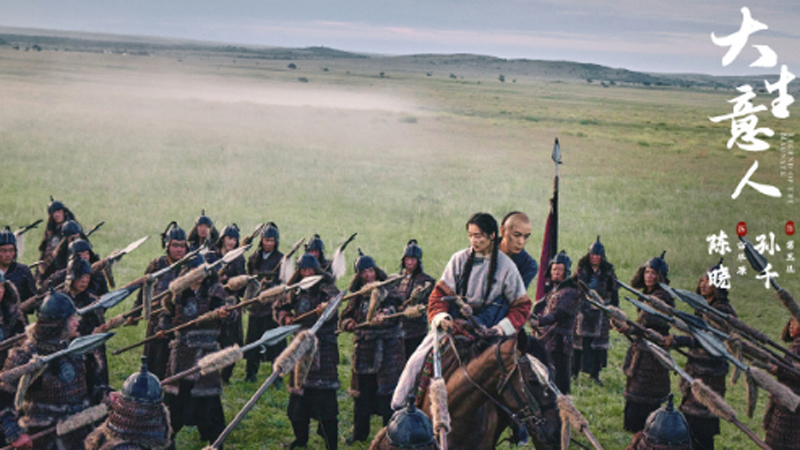
His ascent from prisoner to prosperous merchant isn't due to luck or supernatural aid; it's built on practical skills, strategic alliances, and an optimistic, fearless attitude. Gu leverages his network—like Chang Siye and others—to navigate complex social landscapes, demonstrating that success often hinges on collaboration. He acknowledges his limitations and seeks help when needed, reinforcing that vulnerability and strength can coexist.
This journey resonates beyond the screen, offering a lesson in perseverance. For anyone facing personal nadirs, Gu's story serves as a reminder that rock bottom can be a foundation for rebuilding. By focusing on solutions and maintaining hope, even the most daunting paths can lead to brighter horizons.
