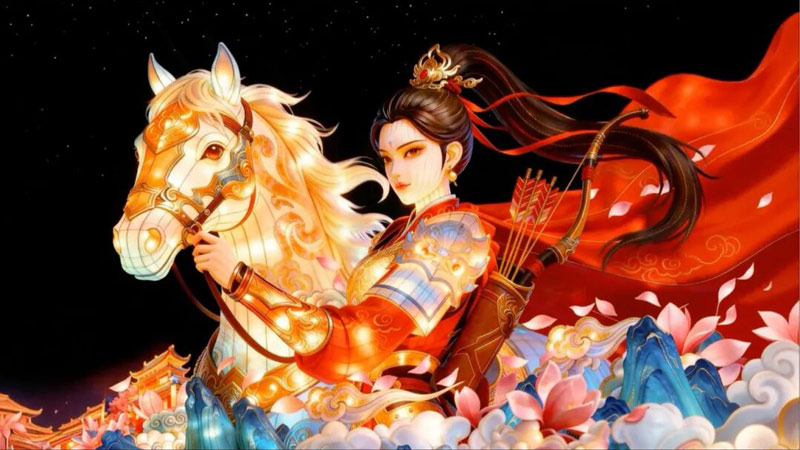
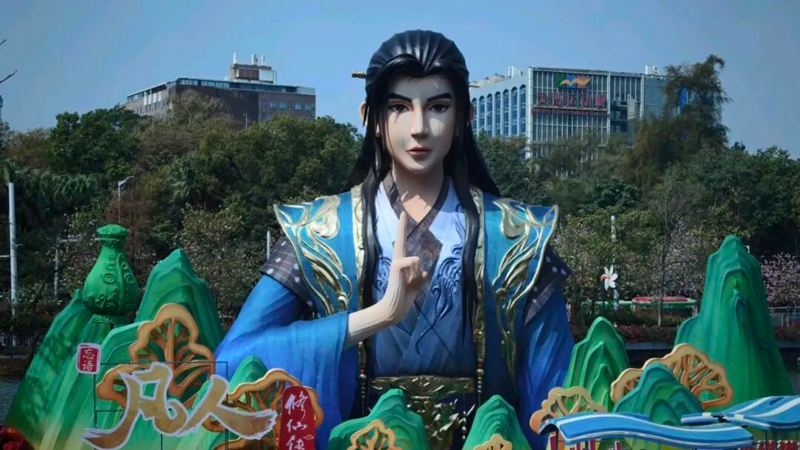
This year's lantern festival at Yuexiu Park (越秀公园) in Guangzhou featured a highly anticipated collaboration with the anime A Mortal's Journey (凡人修仙传) . An eight-meter-high lantern depicted the protagonist Han Li (韩立) during his core formation, a pivotal moment for fans. However, upon revelation, the display shocked attendees with its unconventional portrayal, leading to debates over whether it resembled a botox-enhanced version or was simply a design failure. The event, meant to bridge traditional culture and modern fandom, instead became a case study in how not to execute such crossovers.
Puffy Portrayal
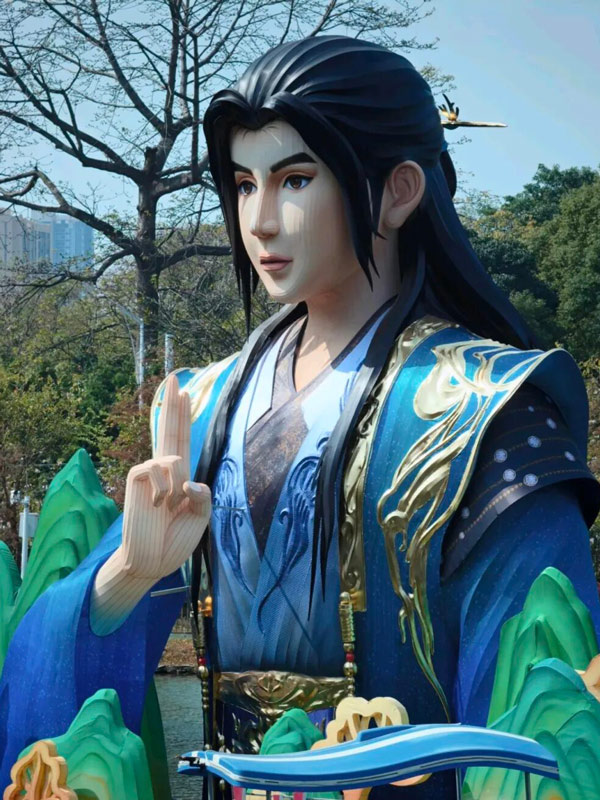
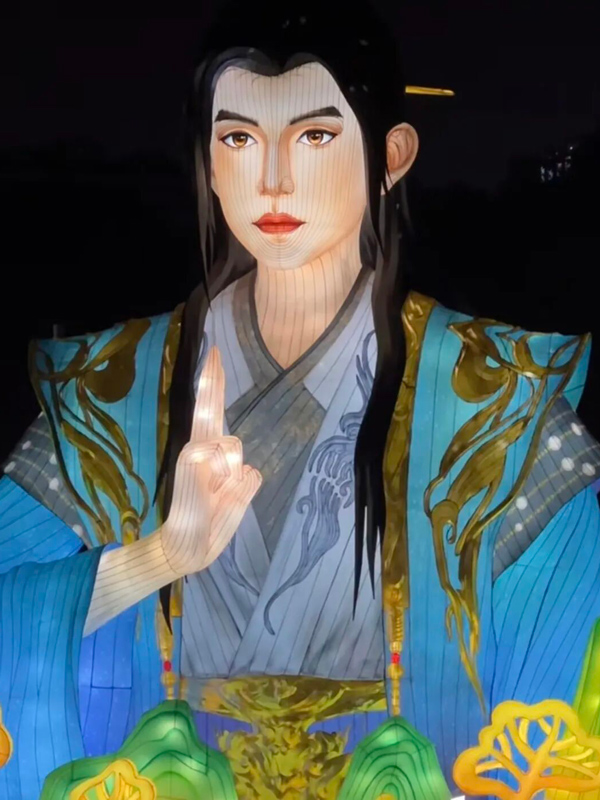
In the original anime and novel, Han Li transforms from an ordinary farm boy into a cold, authoritative immortal. His features are typically sharp, with a gaze that conveys determination. The Yuexiu lantern presented a stark contrast: a swollen face, glowing apple cheeks, and a soft expression. This made him look as if he had undergone excessive cosmetic procedures, losing the rugged essence fans admired.
The design's rounded contours and gentle demeanor introduced an unintended maternal quality. Observers quickly noted a resemblance to the celebrity Wang Yuan (王源), leading to jokes about "forced cosplay" or a secret career change. This accidental likeness added humor but emphasized the disconnect from the source material, where Han Li is known for his ruthless practicality.
Translating two-dimensional anime characters into three-dimensional lantern art requires nuanced craftsmanship. Here, the focus may have shifted toward creating a visually striking display at the expense of authenticity. The result felt like a misinterpretation, disappointing those who expected a faithful representation of Han Li's iconic moment.
Fan Reactions
Online responses were swift and colorful. Social media platforms flooded with comments from fans expressing disbelief and amusement. Many tagged the anime's official accounts, urging more selective partnerships. One user quipped, "Is the organizer a secret hater of Han Li?" while others debated whether the design matched the novel's "plain" description. This backlash highlighted the high stakes of cultural collaborations.
Beyond mockery, there was genuine disappointment among attendees who traveled to see the display. They anticipated a majestic symbol of Han Li's power but encountered a figure that seemed comical. This emotional response underscores the deep connections fans have with fictional worlds and their desire for respectful adaptations in public spaces.
Not all feedback was negative. Some visitors saw the lantern as a creative, lighthearted interpretation, arguing that festivals are for enjoyment. They suggested viewing it as fan art rather than an official replica. However, this perspective was overshadowed by the vocal majority who felt the collaboration missed the mark, failing to honor the anime's spirit.
Zigong's Success
Criticism of Yuexiu's display gains context when compared to the Zigong Lantern Festival (自贡灯会). Its previous installation for A Mortal's Journey was a triumph, spanning 260 meters with detailed scenes from the anime. It attracted massive crowds and generated significant online buzz, seamlessly blending traditional lantern artistry with modern fandom.
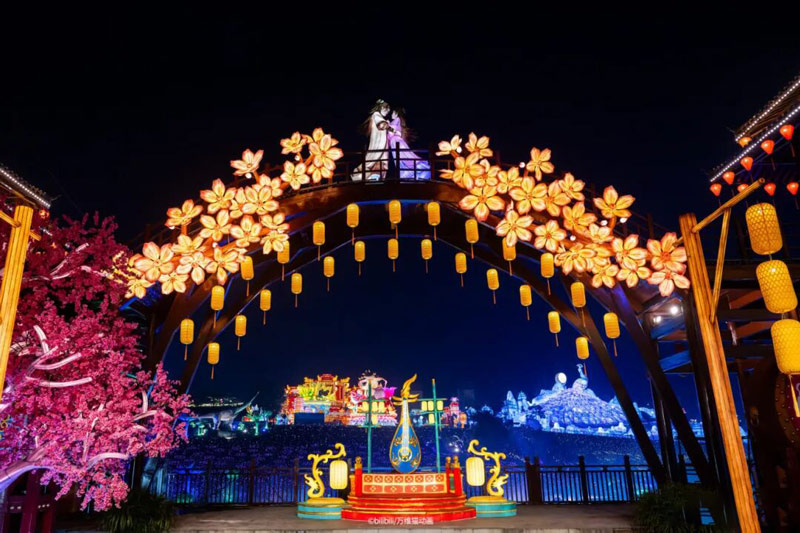
The Zigong event demonstrated how such collaborations can benefit both cultural heritage and contemporary media. By investing in skilled designers who understood the source material, it created an immersive experience that respected the anime's essence. This approach fostered a synergy that appealed to diverse audiences, from lantern enthusiasts to anime fans.
For future festivals, organizers can learn from Zigong's example. Prioritizing authenticity through careful design and community engagement can prevent missteps. As anime continues to influence cultural events, embracing best practices will ensure that collaborations enrich rather than detract from the experience, celebrating both traditions and new narratives.