Article
Search results:
-
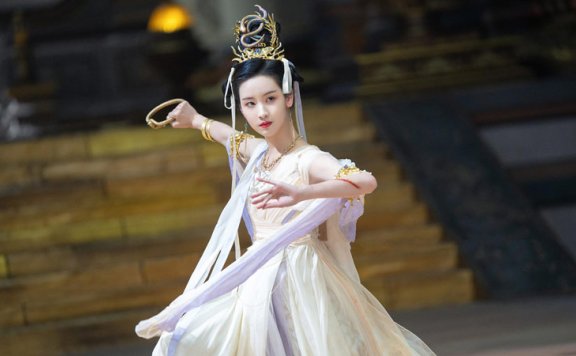
Chen Duling's 7 Essential Costume Dramas List
Chen Duling, a former aerospace engineering student at Nanjing University of Aeronautics and Astronautics, has evolved from an internet-famous "campus beauty" into one of China's most versatile actresses. Her delicate features and intellectual aura bring depth to historical and fantasy roles. Here are her essential costume dramas: The Legend of the Heroes 金庸武侠世界 Aired: Jun 26, 2024 (Tencent Video) Period Background: Southern Song Dynasty martial arts world, focusing on rival clans and Peach Blossom Island. Genres: Wuxia, tragedy, female empowerment. Main Roles: Chen Duling as Feng Heng, Meng Ziyi as Mei Chaofeng. Adapted From: Jin Yong's The Legend of the Heroes, expanding Feng Heng and Mei Chaofeng's backstory. Feng Heng stands apart in Jin Yong's martial universe as a rare non-combatant intellectual. Unlike archetypal wuxia heroines who resolve conflicts through physical prowess, Feng navigates the treacherous Peach Blossom Island and clan rivalries using scholarly insight and psychological acuity. Her pivotal role emerges when she encounters Mei Chaofeng, a martial artist consumed by vengeance after personal betrayals. Instead of condemning Mei's violent quest, Feng engages her through philosophical dialogues about karma and consequence, subtly comparing revenge to "drinking poison to quench thirst" (饮鸩止渴). Her quiet library becomes a sanctuary where Mei… -
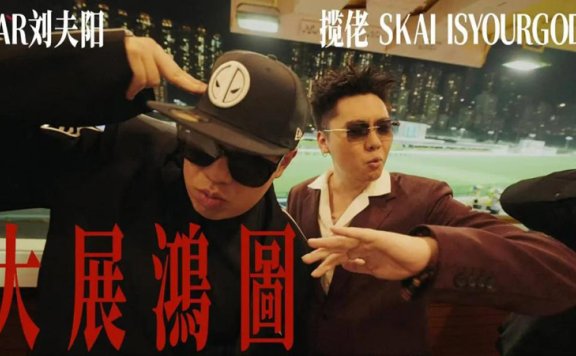
Chatting with Sydney, Director of Blueprint Supreme MV
Blueprint Supreme–a Chinese rap MV exploded online with phenomenal speed. Dance covers flooded platforms globally and domestically. Whether they understood SKAI ISYOURGOD's rhythmic, heavily accented Cantonese-inflected Mandarin or not, people dove in with incredible enthusiasm. What explains this massive buzz? First listen: "Singing karaoke in my mansion, Silver Arowana swimmin’ in da pool." You might be stunned by SKAI ISYOURGOD's thick Guangdong accent, but his "Lan-style Memphis" rhythm quickly hooks you. Following the 2024 wave kicked off by Stacks from All Sides·Karma Code , director Sydney and SKAI ISYOURGOD's "Blueprint Supreme" MV used a string of uniquely Hong Kong visuals to tap into another dimension of public interest. Chestnut racehorses streak down the track at the Hong Kong Jockey Club. Wide-angle shots inside Lin Heung Tea House reveal another kind of calculated hustle. The camera cuts rapidly between the grandstand, stables, and galloping jockeys, planting a seed of sudden, visceral understanding in the viewer. Reviews on international and Chinese music platforms span a huge range. From dissecting its layers to lingering on the emotional aftertaste, the song's distinct "Cantopop Mandarin" delivery let it break regional boundaries while keeping its Guangdong roots. Listeners found their own meanings: some felt its freewheeling… -
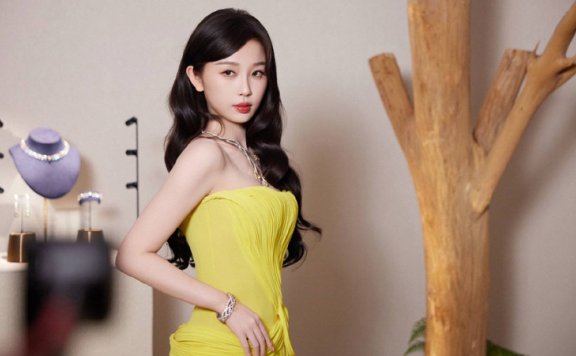
Yu Shuxin's New Chapter: “Little Orchid” to LeHua Music?
Yu Shuxin (虞书欣), the beloved actress known for her enchanting role in Love Between Fairy and Devil (苍兰诀), has captured headlines again as her eight-year contract with Hua Ce (华策) Media ended naturally in late 2024. Fans worldwide are buzzing about her shift to music under LeHua Entertainment, wondering if this marks a bold new chapter for the star who charmed audiences as the spirited "Little Orchid." Born in Shanghai in 1995, Yu's journey from a bubbly child to a top-tier performer reflects her unwavering determination. She's now steering her career independently, with exciting dramas like Yi Nian Jiangnan (一念江南) on the horizon, while diving into music—a passion she's long hinted at. This transition isn't just a career pivot; it's a testament to her resilience in an industry that once labeled her the "quirky" idol. Early Spark Growing up in Shanghai, Yu Shuxin was the neighborhood's darling, often photographed in frilly dresses with big bows. Her round cheeks and bright, curious eyes made her a natural in front of the camera from a young age. By 20, she landed her first role in the 2015 drama Border Town Prodigal (新边城浪子), where her dedication shone—memorizing lines late into the night and… -
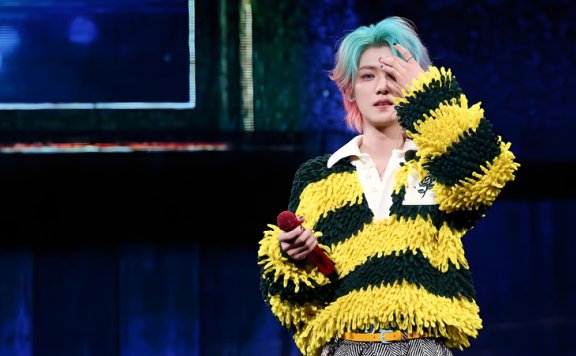
Why Did Lu Han's Dinosaur Headpiece in Zhengzhou Captivate Everyone?
In a bustling shopping mall in Zhengzhou, Lu Han (鹿晗) recently stunned onlookers by sporting a giant white dinosaur skeleton headpiece, turning a casual outing into a viral sensation that highlighted his playful charm and genuine nature. The Dinosaur Surprise On that day in Zhengzhou, Lu Han's outfit was simple: a black T-shirt, loose jeans, and white sneakers, embodying a relaxed, boy-next-door vibe. But it was the oversized dinosaur headpiece that stole the show, covering most of his head while revealing glimpses of his striking blue-green hair, rumored to be for an upcoming concert. His calm expression amidst the absurdity created a perfect "contrast cute" moment, instantly melting hearts and flooding social media feeds. Fans weren't surprised—Lu Han has always embraced whimsy, shunning the typical idol persona in favor of spontaneous fun. This incident underscored his ability to blend ordinary life with extraordinary flair, making everyday adventures feel magical. Despite the headpiece's bulk, Lu Han navigated the crowded mall with ease, showcasing his down-to-earth attitude. The scene wasn't just about fashion; it reflected his core philosophy of living authentically, free from artificial constraints. His choice to wear such an eye-catching accessory in public signaled a refreshing break from celebrity norms,… -
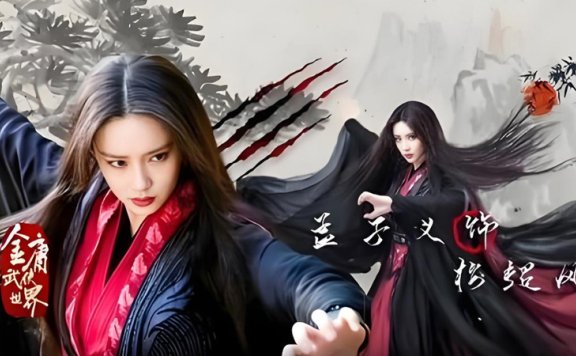
Unveiling Mei Chaofeng's Tragic Soul in Duel on Mount Hua
When sweetheart actress Meng Ziyi transforms into the blind, vengeance-driven Mei Chaofeng (梅超风) in Duel on Mount Hua (华山论剑), audiences witness one of the year's most startling dramatic reinventions. Portraying a legendary antagonist from Jin Yong's Wuxia universe, she injects this iconic figure with raw vulnerability – forcing viewers to confront the tragic humanity beneath the character's notorious cruelty. Her performance in the standalone chapter Nine Yin True Sutra (九阴真经) doesn't just reinterpret a classic villain; it dissects the corrosive power of obsession that ultimately consumes Mei Chaofeng, proving Meng Ziyi’s formidable range extends far beyond her acclaimed role in the hit drama Blossom (九重紫). A Star Reborn Known for radiant charm in romantic series and hilarious antics on variety shows, Meng Ziyi (孟子义) seemed an unlikely choice for the tormented Mei Chaofeng. Yet from her first appearance, cloaked in shadow and radiating simmering rage, she shatters expectations. Her portrayal captures Mei's terrifying physicality – the swift, lethal movements of the Nine Yin Skeleton Claw – while simultaneously revealing the shattered girl beneath. This duality is crucial: Meng Ziyi shows us the disciple once cherished by her master, Huang Yaoshi (黄药师) of Peach Blossom Island, before betrayal twisted her path.… -
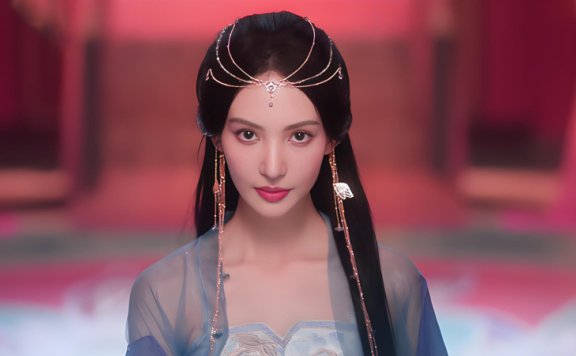
Jin Chen's Headdress: Reviving Ancient Chinese Beauty?
When Jin Chen (金晨) appeared wearing a beaded forehead ornament during a performance, audiences were stunned. Many declared this the perfect visual realization of Nangong Wan (南宫婉) from the popular fantasy series The Immortal Ascension (凡人修仙传). The delicate strands of beads, shimmering as she moved, sparked fascination. Was this intricate accessory authentically Chinese? What was its historical name and origin? This piece, evoking a blend of traditional elegance and exotic charm, represents a fascinating chapter in the evolution of Chinese adornment, challenging simple narratives of cultural borrowing. Echoes of Ancient Headwear This style of headwear, featuring strands of beads or gems draping across the forehead, finds roots deep within Chinese history. Archaeological evidence points to similar ornaments existing during the Warring States period, possibly earlier. Scholars identify it as a type of Yingluo (璎珞), a term broadly encompassing decorative netted or strung jewelery. More specifically, historical records and artifacts suggest names like Luosuo (络索), Lianshu (帘梳), and Weiji (围髻). Luosuo originally meant "cord" or "rope," evolving to describe hanging decorative elements. Song Dynasty poetry references golden Luosuo ornaments, while texts like the Southern Song Suijin (碎金) explicitly list it under headwear. Lianshu, evidenced by Song Dynasty artifacts, likely combined a functional… -
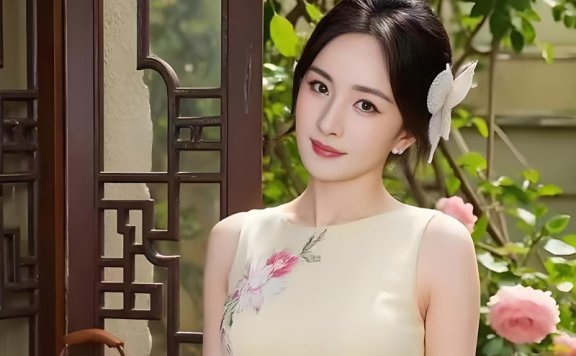
Yang Mi Merges Qipao's Tradition with Modernity
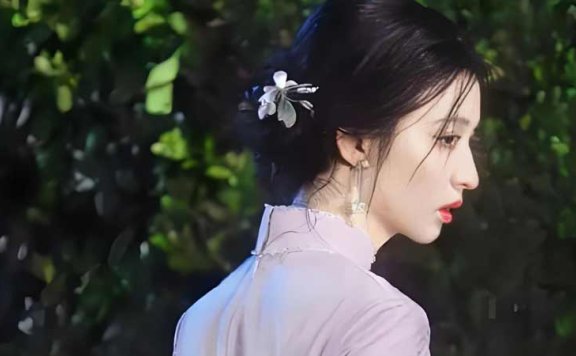
A single image stopped digital scrolls. Yang Mi (杨幂), celebrated for cutting-edge style, emerged draped in a classic Qipao, sparking instant nationwide fascination. This wasn't another celebrity endorsement; it felt like witnessing a heritage garment rediscover its voice through a modern icon. Her transformation went beyond fabric – it ignited a conversation about authenticity, effortless grace, and the magnetic power of genuine presence in an era saturated with artifice. The quiet courtyard setting and her poised demeanor created a visual poem, proving timeless allure requires no loud fanfare. Outline Speaks Volumes The Qipao demands perfection. Its sleek lines expose every nuance of form, unforgiving to imbalance. On Yang Mi, it found its ideal canvas. The high collar framed her neckline elegantly, while the tailored bodice meticulously followed her slender waist, a testament to the garment's unforgiving precision. Her posture, relaxed yet regal, allowed the fabric to flow naturally, highlighting the subtle yet powerful feminine silhouette it was designed to celebrate. This wasn't restrictive; it was a harmonious dialogue between body and cloth. Beyond physicality, Yang Mi embodied the Qipao's spirit. She moved with an innate confidence that felt both contemporary and deeply rooted. The sharp modern edge in her gaze… -
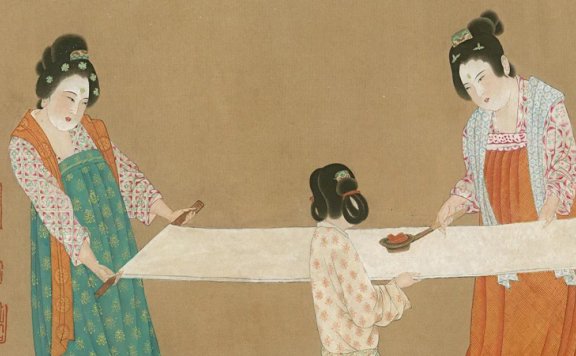
Heritage Weaves: Old Patterns in New Outline
As Zhang Xue (张雪) guides the shuttle across her Song Jin (宋锦) loom, peony vines blossom beneath her fingers. This young inheritor doesn't realize her wrist patterns mirror Tang dynasty court ladies in Daolian Tu (捣练图). Such moments reveal Hanfu isn't resurrected history but living heritage. Traditional techniques weave through contemporary designs, creating conversations between dynasties in every thread. This fusion transforms museum artifacts into vibrant cultural expressions, where ancient motifs speak through modern silhouettes. Threads of Royalty Song Jin demands royal patience. Each centimeter consumes hours as artisans layer colored threads like watercolor washes. This "living hue" technique creates ethereal gradients unseen in ordinary brocade. Imperial workshops once reserved such luxury for dragon robes and ceremonial scrolls. Today's Hanfu designers adapt these methods for cloud collars and wide sleeves, transforming wearers into walking art pieces. The shimmering surfaces capture light differently with every movement. Su embroidery elevates simplicity into grandeur. On a deep-blue jacket sleeve, gold thread swirls into tidal patterns while freshwater pearls anchor each wave crest. Where historical pieces used gilt strips, modern artisans employ synthetic alternatives for daily wear. The effect remains equally hypnotic - miniature oceans rippling across linen landscapes. Tang dynasty glamour returns through… -
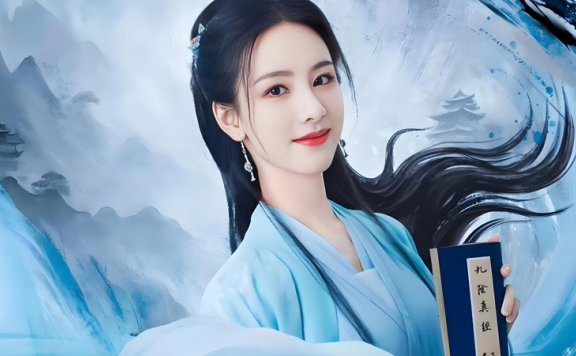
6 Actresses Shine in Duel on Mount Hua
In the sweeping Wuxia epic Duel on Mount Hua (华山论剑), legendary martial artists vie for supremacy. Yet, the drama's soul often resides in its captivating female characters, brought to life by six remarkable actresses. Each portrays a woman navigating a treacherous Jianghu (江湖) with distinct grace, strength, and tragedy. Their stories intertwine with the fates of the Five Greats, adding profound layers of emotion, resilience, and unforgettable beauty to the high-stakes world of honor and betrayal. 1. Chen Duling (陈都灵) Chen Duling embodies Feng Heng (冯衡), daughter of a salt official. Her life shatters when bandits murder her father, forcing her into a desperate flight. Surviving two perilous cliff falls, she encounters the reclusive Huang Yaoshi (黄药师). Feng Heng possesses no martial prowess, yet her spirit is indomitable. Confined mostly to a sickbed later in the story, Chen masterfully conveys an inner steel beneath a fragile exterior – a resilience that makes the origins of a daughter like Huang Rong (黄蓉) entirely believable. Her quiet intelligence and unwavering courage resonate deeply. Feng Heng's journey is one of profound loss and unexpected survival. Thrust into the brutal realities of the Jianghu after her father's murder, her strength lies not in physical… -
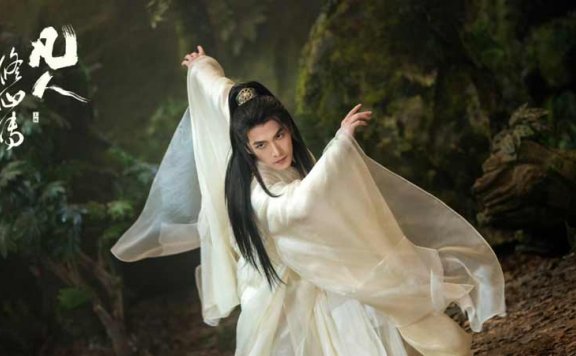
Youku: Can Cultivation Drama Break the Mold?
When Youku unveiled its live-action adaptation of The Immortal Ascension (凡人修仙传), anticipation exploded. Over 5.13 million viewers pre-registered, making it the platform's most-anticipated drama of the year. This frenzy stems from the source material's legendary status. Wang Yu's web novel, begun in 2008, wasn't just popular—it revolutionized the genre. Defying early struggles, it became the first "Hundred Alliance" book on Qidian, propelling the author to "Platinum Writer" status with only half the story published. Its tale of an ordinary villager navigating a treacherous cultivation world through sheer caution and calculation birthed the "Mortal Flow" subgenre. Now, Youku bets this powerhouse IP can conquer television. Foundational Legend The novel's genius lay in its ruthless subversion. Forget chosen ones or destined heroes. Protagonist Han Li (韩立) starts as Qingniu Village's unremarkable cowherd—skin darkened, expression dull. His path to Qi Refining begins not with grandeur, but desperation. Failing seventh place in the Seven Mysteries Sect's entrance exam, he and fellow reject Zhang Tie (张铁) are "saved" by the seemingly benevolent Elder Mo. This salvation, however, is a trap. Elder Mo, secretly poisoned and dying, needs a cultivator's body for Body Snatching. He nurtures Han Li's Evergreen Life Technique only to harvest him later. The… -
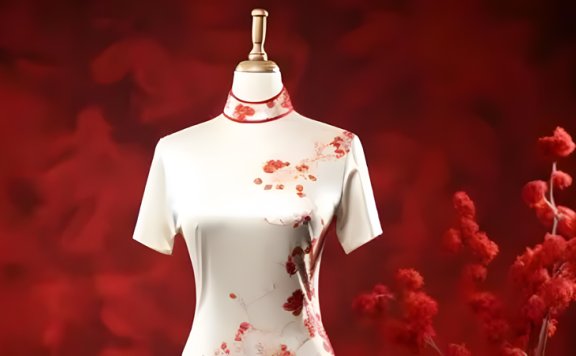
What Are the 3 Manners for China's Qipao?
The Qipao, instantly recognizable by its high collar, delicate Pankou (knotted buttons), and figure-skimming silhouette, transcends mere clothing. It's a canvas where Chinese heritage meets feminine grace. More than just fabric, it demands a certain presence – a synergy of posture and movement that elevates its inherent elegance. Wearing a Qipao beautifully isn't solely about physique; it’s an art form rooted in understanding its evolution and mastering the subtle language of deportment. From its practical origins to its status as a global fashion statement, the Qipao whispers stories of resilience and refinement. To truly honor this garment and project its intended allure, embracing specific etiquette is paramount. Let's decode the posture secrets that unlock the Qipao's full, captivating potential. 1. Standing Foundation is everything. A Qipao magnifies the line of the body, making impeccable posture non-negotiable. Imagine a gentle string pulling you upwards from the crown of your head. Shoulders should be effortlessly open and back, not stiffly squared, allowing the collar to frame the neck elegantly. Engage the core subtly, lifting the ribcage and tucking the pelvis slightly to avoid arching the back. This creates the signature elongated, "growing upwards" stance. Legs remain together, knees soft but aligned. Avoid… -
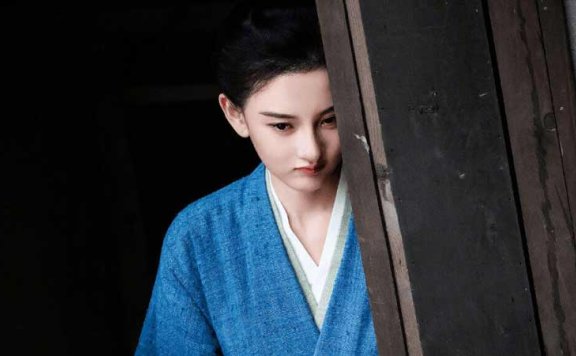
Song Zuer's Blue Robe Sparked Attention in Biao Mei Wan Fu
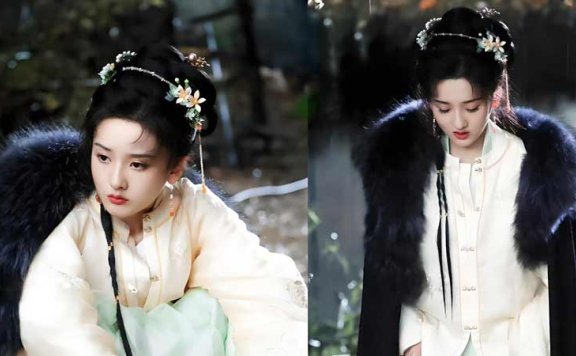
A single photograph can redefine an actor's image. Recently, a set of behind-the-scenes images from the filming of the upcoming period drama Biao Mei Wan Fu (表妹万福) ignited social media. At the center of this storm is actress Song Zuer (宋祖儿), whose unexpected transformation into a scholarly young man captivated viewers far more than any promotional campaign could. Her portrayal in crisp blue traditional male attire, hair pulled high, offered a startling departure from her usual vibrant persona, presenting a figure of refined elegance and subtle mischief. This striking visual wasn't merely a costume change; it became a powerful statement about versatility and the magnetic pull of a compelling character introduction. The image of her leaning against an ancient wooden door, a knowing, almost roguish smile playing on her lips, instantly crystallized into the most talked-about moment of the week, proving the enduring fascination with masterful disguise and character depth. The Viral Moment The photograph that dominated feeds featured Song Zuer draped in a simple yet elegant azure long gown, her hair secured in a traditional topknot. Gone was the familiar sparkle of the youthful star; in its place was an air of detached coolness and intellectual grace. The starkness of… -
How Wang Churan's Confidence Made a Wet Qipao Shine
In the fast-paced world of entertainment, where image often overshadows substance, Wang Churan (王楚然) stands out not just for her looks but for her unshakeable self-assurance. Last night, a viral photo of her in a drenched pink Qipao sparked widespread discussion, but it wasn't the fabric that stole the show—it was her poise under pressure. This incident encapsulates her journey: a refusal to conform, a dedication to authenticity, and a reminder that true beauty stems from inner strength. As audiences marvel at her ability to turn potential fashion disasters into triumphs, Wang's story offers a refreshing lesson in resilience and individuality. She proves that in an industry obsessed with trends, staying true to oneself is the ultimate key to lasting success. The Wet Qipao Incident When images of Wang Churan in a skin-tight pink Qipao hit social media, many expected a fashion fail. The dress, designed to cling excessively, turned dark pink after water exposure, creating a scenario that could embarrass even seasoned influencers. Yet, Wang transformed it into a viral moment. She remained composed, smiling effortlessly for the cameras despite the soggy fabric. This wasn't about luck; it was a display of her innate confidence, making her appear radiant… -
How China's Actresses Are Rewriting History Through Fabric
The camera pans across a tea garden, lingering on Gulnazar as her fingers dance over the Guqin (古琴). It’s not just the melody of Glory (玉茗茶骨) that captivates; it’s the silent narrative woven into her Ming Dynasty attire – a robe embroidered with gold thread against deep, resonant hues. This moment, captured in a single leaked still, ignited more than fan chatter; it sparked a nationwide fascination with Ming aesthetics. Actresses like Yang Zi, and Gulnazar aren't merely wearing costumes; they're embodying an era, proving that historical accuracy can be breathtakingly modern. Beyond the Brocade Gone are the days of generic "ancient" costumes dominated by flimsy silks and anachronistic designs. Song Zuer’s portrayal in Biao Mei Wan Fu (表妹万福) offered a revelation: Ming fashion could be refreshingly delicate. Her sky-blue short jacket, paired with a crisp white horse-face skirt (Mamianqun) edged in indigo, presented an aristocratic elegance far removed from stifling opulence. Audiences noted the quiet confidence it projected, a stark contrast to the exaggerated finery often seen. Then came Yang Zi in Jia Ye (家业). Dressed not as nobility but as an artisan, her practical work clothes – sturdy fabrics, precise cuts – spoke volumes about Ming societal structure and… -
Why Are Women's Faces So Red in Cdramas?
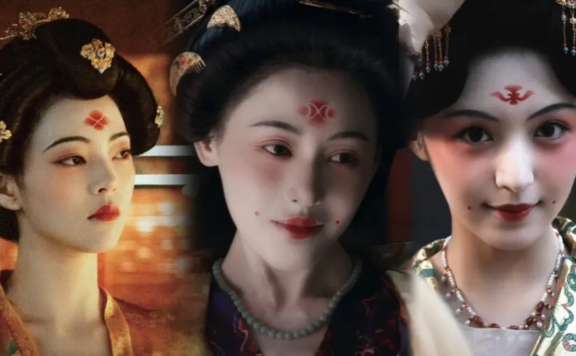
The Tang-style makeup and hairstyles nowadays indeed seem different from before. You may wonder why there are such obvious red patches on their faces, even to an exaggerated degree. Actually, this is a kind of classical makeup called 'Jiuyunzhuang' (酒晕妆). As the name implies, it resembles the blush after getting drunk. The bold 'red makeup' became the mainstream of facial makeup as women became more confident and independent. It was extremely popular, with many noble ladies applying rouge to their entire cheeks, including the upper eyelids, half of their ears, and the lower jaw. This boldness and preference for red was a popular makeup style during the reign of Empress Wu Zetian and the prosperous Tang Dynasty (even until the Five Dynasties), which was rare in other dynasties. 'Zhuangtaiji' (妆台记) clearly states, 'For a beauty's makeup, after applying powder on the face, mix rouge in the palm and apply it to both cheeks. The thick one is called Jiuyunzhuang; the light one is 'Taohuazhuang' (桃花妆); applying a thin layer of red and covering it with powder is 'Feixiazhuang' (飞霞妆).' It's evident that 'Jiuyunzhuang' is the most extreme one, also known as 'Yunhongzhuang' (晕红妆) and 'Zuizhuang' (醉妆). In Tang Dynasty paintings… -
Zhang Tian'ai Tang Style Royal Hairstyle
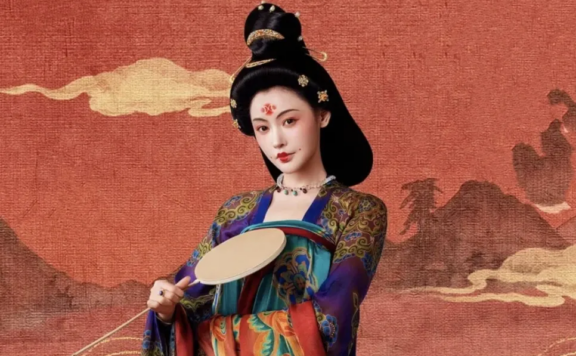
In the ancient costume drama "The Litchi Road", Zhang Tian'ai (张天爱) portrays Shiqiniang. When she first appears on stage in a Tang - style shirt and skirt, netizens comment, "This makeup and aura... She really brings the villainess to life!" First, the Tang Dynasty hairpin system is quite extensive, generally reflecting the current concept of "face framed by hair". Currently, the two hairpins Zhang Tian'ai wears are highly recognizable from the High Tang period. Especially the loose - hair style on the right, as it was prevalent in the ladies' makeup from the mid - to late Kaiyuan era to the end of the Tianbao era, netizens affectionately call it the "Tianbao Pifa - hair Style". These two hairpins belong to the characters of Shiyiniang and Shisanniang in the Dunhuang mural "The Picture of the Governor's Wife Paying Homage to the Buddha". There's also a subtle connection when compared with Zhang Tian'ai's on - screen characters. The fact that these two hairpins appear in the same mural also indicates their popularity. The Coiled Hairpin Let's start with the coiled hairpin, which resembles the "Woduo Ji". This hairpin was popular during the Kaiyuan period of the Tang Dynasty. When women styled… -
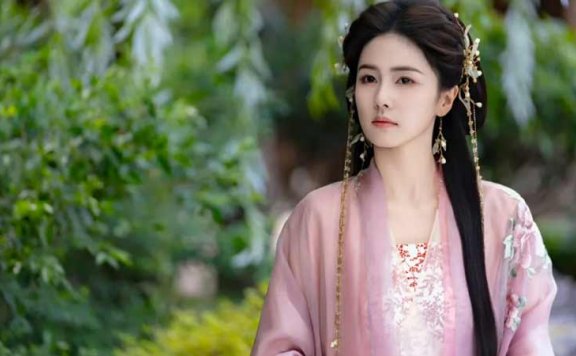
Pink Robes in Ancient Dramas: 8 Actresses' Stunning Styling
Pink carries a unique magic on historical drama screens. This gentle hue transforms actors into blossoms against intricate sets and rich storytelling. From celestial realms to royal courts, these costumes become visual poetry, each shade revealing character depth and narrative nuance. The recent surge in meticulously crafted pink styling highlights how color shapes our connection to these worlds. 1. Bai Lu (白鹿) Some performers embody pink's inherent softness. Bai Lu in Lin Jiang Xian (临江仙) exemplifies this. Her layered gown, adorned with subtle embroidery, harmonized with delicate hair ornaments. The ensemble created an aura of serene grace, mirroring her character’s gentle spirit. 2. Yang Zi (杨紫) Similarly, Yang Zi brought youthful radiance to Immortal Samsara (沉香如屑.沉香重华). Flowing pink chiffon contrasted with dark palace intrigue, visually anchoring her character’s innocence. Her subtle accessories enhanced rather than overwhelmed, proving elegance thrives in simplicity. 3. Ju Jingyi (鞠婧祎) Ju Jingyi’s unreleased drama Yuelin Qi Ji (月鳞绮纪) offers a glimpse of dynamic grace. Vibrant crimson florals danced across her pink robes, while a bold peony hairpiece commanded attention. This deliberate clash of hues suggested a character balancing delicacy with hidden fire. The intricate forehead adornment completed a look radiating poised energy. Her costume whispered… -
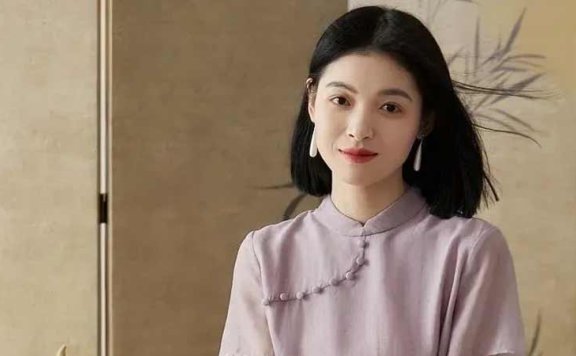
Modern Qipao: Organdy Fabric Merges Tradition, Ease
The Qipao has evolved into a symbol of contemporary grace, blending centuries-old Chinese aesthetics with modern comfort. Today's reinterpretations, like those made from Tencel Organdy, offer a refreshing take on classic silhouettes. This fabric mimics silk's luxurious feel while adding structure and coolness, making the dress ideal for everyday wear. With inclusive cuts that flatter all body types and designs that evoke timeless beauty, these dresses empower wearers to express their unique style. As we delve into their key features, you'll see how this garment captures the spirit of cultural renewal without sacrificing practicality. Design The dress boasts a classic Chinese stand-up collar, renowned for its refined and translucent texture. This element enhances elegance without restricting movement, effortlessly complementing various face shapes and outfit combinations. Its simplicity avoids fussiness, making it suitable for both casual and formal settings. The collar's airy quality ensures comfort while adding a touch of sophistication to the overall look. Faux diagonal plackets with cloth-covered buttons add a nostalgic charm, reminiscent of vintage fashion eras. This detail creates visual interest without overwhelming the modern lines, offering a subtle homage to traditional craftsmanship. The buttons are meticulously crafted, providing a tactile experience that elevates the dress's artisanal… -
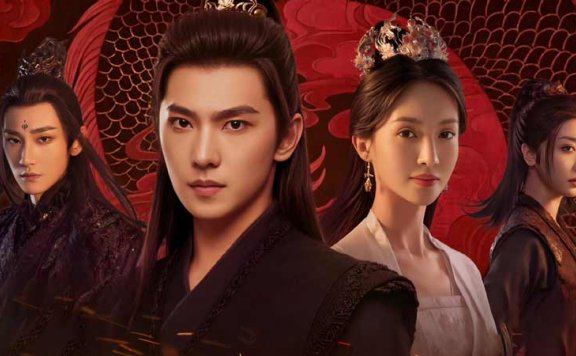
Dissecting the Flaws of The Immortal Ascension
Two years after Yang Yang's (杨洋) widely criticized performance in Fireworks of My Heart (我的人间烟火), audiences approached his latest project with cautious hope. The adaptation of The Immortal Ascension (凡人修仙传) promised redemption—a revered Xianxia novel breaking records globally, adapted into a well-received animated series. Yet this live-action version squanders its legacy through unimaginative execution. Despite dominating viewership charts, the drama reveals fundamental flaws in translation from page to screen, with Han Li's (韩立) journey becoming a case study in missed opportunities. Surface-Level Replication The series mistakes replication for reverence. Scenes mirror the animation shot-for-shot, including Doctor Mo's training sequences and early cultivation trials. This approach ignores fundamental differences between mediums: what works in animation feels laborious in live-action. The first episode fixates on Han Li's village ritual—five minutes devoted to flatbread preparation evoking A Bite of China (舌尖上的中国) visuals without narrative purpose. Pivotal moments suffer from baffling brevity. The Seven Mystics Sect entrance trial concludes abruptly after establishing its stakes. When Han Li and childhood friend Zhang Tie (张铁) become Doctor Mo's disciples, their training montages repeat without progression. Yang Yang's physique becomes the focal point rather than character development. Modifications worsen the problem. Expanding Doctor Mo's household to four… -
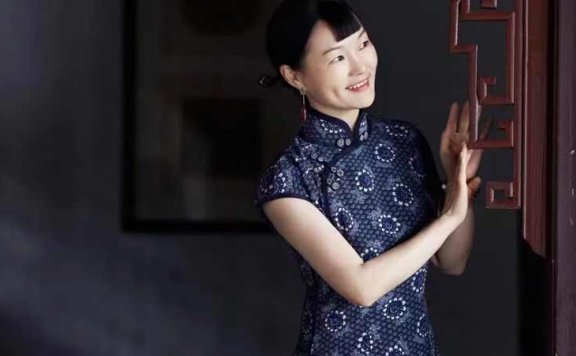
Cool Qipao: Secrets to Sweat-Free Summer Style
As temperatures soar, the timeless elegance of the Qipao remains a coveted choice. Yet, many hesitate, fearing the traditional dress might trap heat and compromise comfort during sweltering months. This concern, however, needn't mean sacrificing style. With thoughtful selections in design, fabric, and detailing, the Qipao transforms into a surprisingly cool and breezy summer staple. Discover how to embrace this iconic garment while staying perfectly comfortable, ensuring you look effortlessly chic whether strolling city streets or attending a garden soirée. Neckline Wisdom The collar plays a crucial role in summer comfort. Opting for a medium-low or low collar significantly enhances breathability compared to the high, closed styles often seen. This adjustment preserves the Qipao’s inherent grace and classical charm while allowing air to circulate freely around the neck. A lower neckline offers practical advantages beyond mere cooling. It lends a sense of openness, visually elongating the neck and softening facial contours for a more flattering silhouette. This subtle exposure strikes the perfect balance, maintaining the dress's dignified allure without venturing into excess. Ultimately, selecting an appropriate collar height is about harmonizing tradition with modern comfort needs. It allows the wearer to project an image of refined elegance, embodying sophisticated Eastern…
