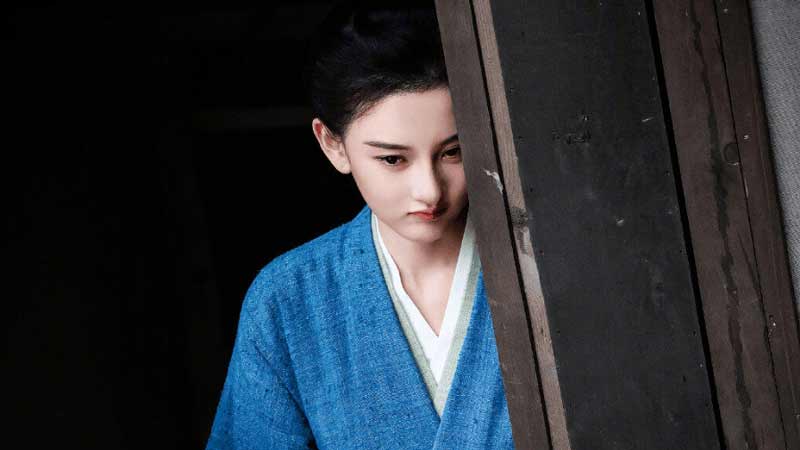
A single photograph can redefine an actor's image. Recently, a set of behind-the-scenes images from the filming of the upcoming period drama Biao Mei Wan Fu (表妹万福) ignited social media. At the center of this storm is actress Song Zuer (宋祖儿), whose unexpected transformation into a scholarly young man captivated viewers far more than any promotional campaign could. Her portrayal in crisp blue traditional male attire, hair pulled high, offered a startling departure from her usual vibrant persona, presenting a figure of refined elegance and subtle mischief. This striking visual wasn't merely a costume change; it became a powerful statement about versatility and the magnetic pull of a compelling character introduction.
The image of her leaning against an ancient wooden door, a knowing, almost roguish smile playing on her lips, instantly crystallized into the most talked-about moment of the week, proving the enduring fascination with masterful disguise and character depth.
The Viral Moment
The photograph that dominated feeds featured Song Zuer draped in a simple yet elegant azure long gown, her hair secured in a traditional topknot. Gone was the familiar sparkle of the youthful star; in its place was an air of detached coolness and intellectual grace. The starkness of the costume accentuated her slender frame and clean jawline, making her stand out distinctly amidst the set's bustle. What truly captivated, however, was the glint of playful intelligence that shone through the scholarly facade. A subtle tilt of the head, that specific half-smile – it wasn't just a woman dressed as a man; it was the character A Fu emerging, embodying both the necessary deception and an inherent liveliness impossible to fully mask. This perfect blend of convincing masculinity and undeniable, inherent charm resonated instantly, making "Song Zuer male costume" a top trending topic.
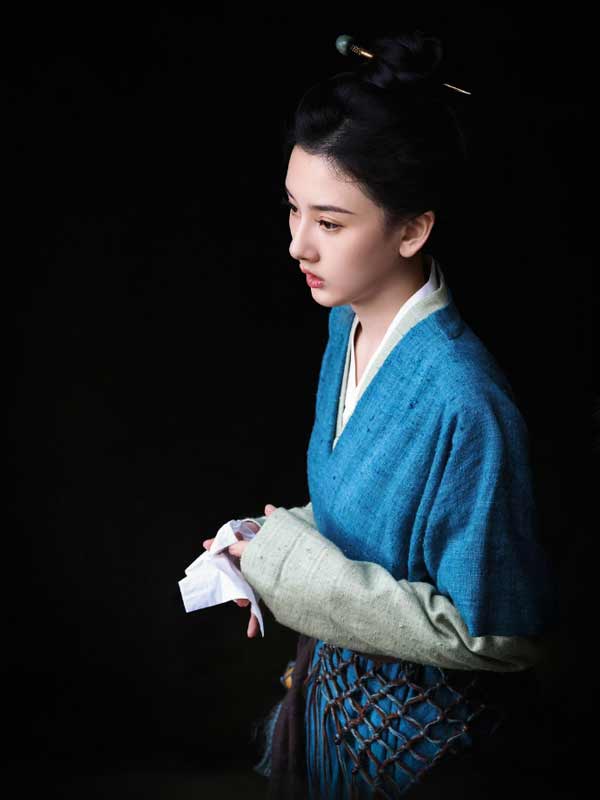
Reactions poured in, praising the authenticity of the look. Fans and casual observers alike noted how this portrayal felt like a refreshing take on the often-cliched "woman disguised as man" trope prevalent in historical dramas. The focus wasn't on exaggerated clumsiness or eventual revelation for comedic effect, but on the character's believable integration into the male world. The simplicity of the blue robe, devoid of excessive ornamentation, lent an air of authenticity, allowing Song Zuer's nuanced expressions and posture to carry the transformation. Observers remarked on the natural ease she projected, a testament to her understanding of the character's circumstances.
Alongside the admiration for the portrayal came inevitable discussions about her physique. The flowing lines of the Changshan (长衫), cinched at the waist, highlighted a noticeably slim figure. While some expressed concern over her thinness, others contextualized it within the demands of the role. Playing a character who must convincingly pass as a young scholar, particularly one likely facing adversity, a leaner frame aligns with historical perceptions of scholarly youths and the physical demands of A Fu's hidden life. The contrast between this willowy figure in male attire and glimpses of her in delicate Hanfu for female scenes within the leaked images further fueled intrigue about the character's dual existence.
Beyond the Blue Robe
The leaked images offered more than just the iconic male look. Scenes of Song Zuer in traditional female attire (Hanfu) showcased a different facet of A Fu (阿福) – vibrant, perhaps a touch mischievous, radiating the youthful energy expected of a "cousin." These glimpses created a fascinating visual dichotomy. The female costumes, often featuring softer hues and intricate details, emphasized her delicate features and innate charm, starkly contrasting the restrained elegance of the scholar's robe. This juxtaposition visually narrated the character's journey and the constant shift between her true self and the disguise she must maintain, amplifying audience curiosity about how she navigates this duality throughout the narrative.
The buzz solidified the drama's potential as a character-driven piece. The costumes, particularly that blue robe, ceased to be mere clothing and became integral elements of the narrative, silently conveying volumes about A Fu's predicament and resilience. This organic, image-driven hype feels more substantial than manufactured promotional content.
Awaiting A Fu's Tale
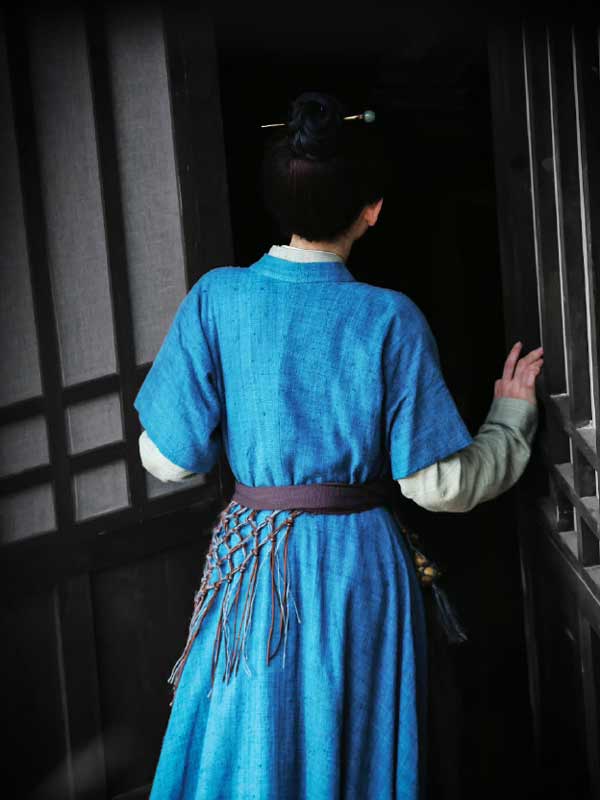
The leaked images, particularly the arresting male portrayal, have undeniably set a high bar for Song Zuer's performance in Biao Mei Wan Fu. Audiences aren't just anticipating the drama; they are eager to see the full journey of A Fu. The still pictures hinted at depth and charisma; now viewers want to see how this translates into motion, dialogue, and the unfolding drama. Can Song Zuer sustain the captivating presence and nuanced duality glimpsed in those candid moments throughout the entire series? The subtle intelligence and playful spirit she projected in the leaked photos have become the benchmark against which her performance will be measured.
Ultimately, the phenomenon surrounding Song Zuer's costume highlights a key truth in period dramas: a meticulously crafted visual, executed with conviction by a talented performer, can be incredibly potent. The blue robe wasn't just worn; it was inhabited, offering a tantalizing glimpse into A Fu's world. While debates about physique are fleeting, the image of A Fu, the scholar with a secret smile, lingers. The real test begins when Biao Mei Wan Fu premieres, and A Fu steps out of a single, stunning frame and into her full, complex story. Until then, that captivating figure in blue serves as a powerful, unforgettable prelude.