-
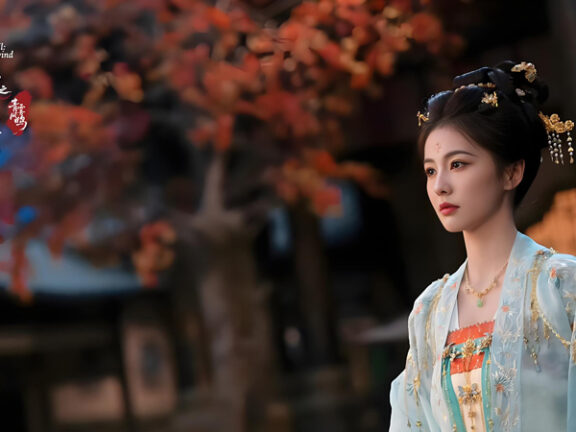
Top 7 Period Dramas to Watch in Q1 2026
The first quarter of 2026 has proven to be a landmark season for historical dramas, offering an exceptional range of narratives that span forensic mysteries, transmigration deconstructions, weighty political epics, and grounded Wuxia tales. From sleeper-hit sequels that deepened beloved character dynamics to ambitious productions that redefined genre conventions, the landscape showcased a remarkable diversity in both storytelling and production value. These standout series collectively demonstrated that the genre continues to evolve, offering audiences compelling narratives built on intellectual compatibility, moral complexity, and genuine character growth. For viewers seeking a curated selection, here are 7 recommended costume dramas for the first quarter of 2026. The Imperial Coroner 2 (御赐小仵作2) Platform: Tencent Period Background: Fictional Tang Dynasty Genres: Historical, Mystery, Investigation, Romance Main Roles: Wang Ziqi (as Xiao Jingrui), Su Xiaotong (as Chu Chu), Yang Tingdong, Zhao Yaoke, Zhang Chenxiao Adapted from: Madam Constable by Xianxian Yatou (清闲丫头) Plot Deep Dive: The first Imperial Coroner was the quintessential sleeper hit. It debuted with modest expectations in 2021 and became a phenomenon, lauded for its logical forensic mysteries and a respectful, low-key romance. Returning five years later with the original cast, The Imperial Coroner 2 faced the daunting task of satisfying loyal…- 0
- 0
- 0
-
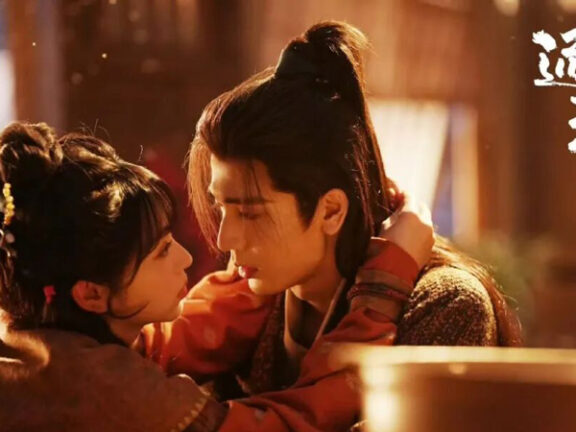
The Rise of Multi-Thread CPs in Period Dramas
In period dramas today, love stories no longer orbit a single couple. Instead, a single series now offers three or more fully formed relationships, each with its own arc and spotlight. These pairs are no longer mere assistants to the leads; they carry their own distinct personalities and moments to shine. Titles like Perfect Match (五福临门) and Pursuit of Jade (逐玉) have shown that a secondary couple can captivate audiences just as fiercely. This shift reflects how the genre is maturing. The creative challenge now lies in weaving multiple, fully realized romances together without losing clarity or emotional impact—all within a limited runtime. Romance Unfolded in Many Pairs Multiple Love Lines, One Story World has become a powerful engine for costume dramas, offering audiences a buffet of romantic flavors within a single narrative. Instead of betting everything on one central couple, these shows create a constellation of relationships, each with its own distinct tone and dynamic. This approach doesn't just pad the runtime; it strategically captures a wider audience by catering to varied tastes. One viewer might be drawn to the slow-burn intensity of a marriage of convenience, while another prefers the angsty pull of a forbidden connection. By weaving…- 0
- 0
- 15
-
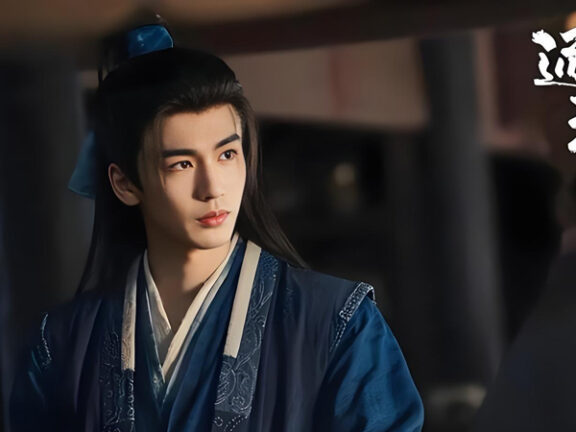
Pursuit of Jade: Heart in the Ordinary
Pursuit of Jade (逐玉) isn’t just another period drama. He shattered records by doing something unexpected: grounding grand storytelling in the grit of daily life. Against the odds of a struggling genre and the bite of short-form content, he proved that substance still commands attention. Viewers didn’t just watch; they demanded more, proving that authentic craft, not spectacle, holds the real power to break through. A Slow Burn That Resonates In a media landscape obsessed with instant gratification and viral metrics, a drama’s opening reception can often feel like a verdict. When Pursuit of Jade premiered, the initial chatter was far from welcoming, suggesting a rocky path ahead. Yet, true success rarely conforms to the noise of trending topics; it is ultimately decided by the audience who takes the time to watch. What followed was not a simple rebound but a compelling case of quiet, then thunderous, validation. The numbers began to tell a story: a dominant market share, viewership milestones, and a surge in platform popularity. These statistics were not isolated victories but pieces of a larger puzzle, revealing a work whose impact was both broad and deeply felt. A Rare Harmony The truly astonishing aspect of Pursuit of…- 0
- 0
- 13
-
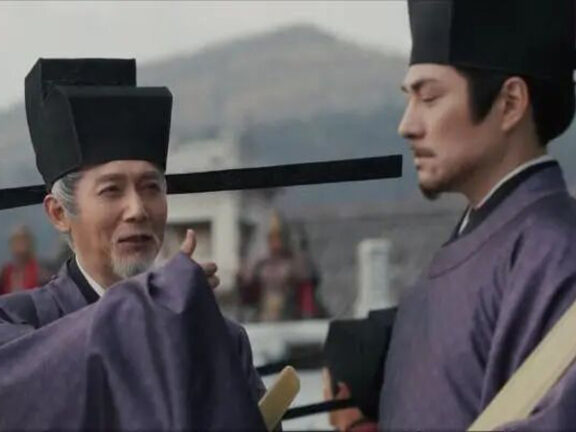
Pursuit of Jade: The Truth of Jinzhou Massacre
How One Drunken Joke Led to the Massacre of 100,000 Soldiers? The Shocking Truth Behind Pursuit of Jade’s ( 逐玉) Finale The highly anticipated finale of Pursuit of Jade has left audiences reeling, not just with the fate of its characters, but with the chilling revelation of a seventeen-year-old massacre. The series culminates in the execution of Wei Yan (魏严), a moment that peels back the layers of political intrigue to expose a horrifying truth: the slaughter of 100,000 soldiers in Jinzhou (瑾州) wasn’t the result of a grand battle, but the devastating ripple effect of a single, reckless sentence spoken during a drunken New Year’s Eve feast. It is a tale where ambition, cowardice, and the silence of good men conspire to create a tragedy that stains an entire generation. This is the story of how a whispered secret in a palace corridor doomed an empire’s finest and how, decades later, the final bill for that night comes due. The Toast That Destroyed a Dynasty It began with wine and resentment. On a cold New Year’s Eve, eighteen years before the series’ present, the Crown Prince, a man of immense integrity, gathered his most trusted confidants: the formidable general…- 0
- 0
- 111
-
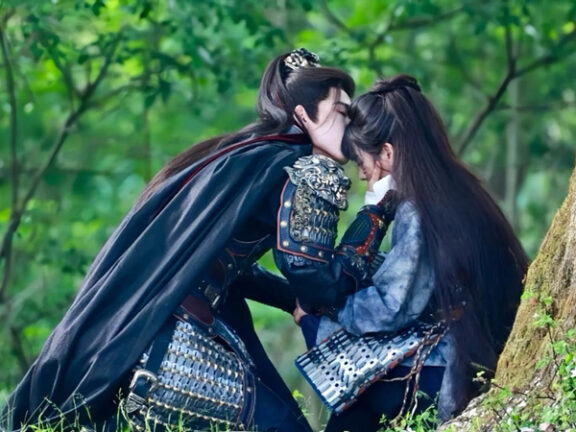
Finales of Pursuit of Jade’s 3 Couples
The sprawling narrative of Pursuit of Jade (逐玉) has guided its audience through a landscape of political turmoil, personal sacrifice, and the relentless pursuit of justice. As the story barrels toward its conclusion, with the female general returning to a capital city on the brink of revelation and her partner poised to expose a seventeen-year-old massacre, the question of how it all ends becomes paramount. The resolution, drawn from the original text, offers a surprising tableau of outcomes. It is a finale where ambition is redefined, love finds its own language, and the most tortured soul achieves a peace that is as dark as it is desired, painting a picture of an ending that is less about simple happiness and more about the complex fulfillment of deeply held, sometimes contradictory, wishes. 1. Fan Changyu (樊长玉) and Xie Zheng (谢征) After the failed coup, the path for Fan Changyu and her partner is not a simple leap into domesticity. They first shoulder the immense responsibility of a new regime, with him acting as regent for the young emperor. Their marriage is a public celebration, a moment of joy hard-won. Yet, the call of duty is immediate. A border crisis pulls them…- 0
- 0
- 146
-
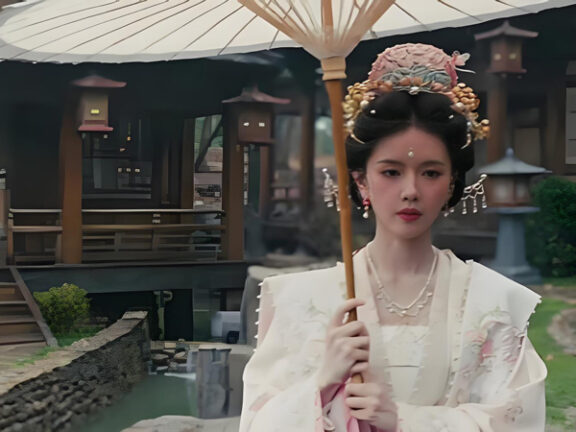
Gongsun Yin & Qi Shu’s Forbidden Love in Pursuit of Jade
Gongsun Yin (公孙鄞) and Princess Qi Shu (齐姝): Why Does the Most Restrained Love in Pursuit of Jade (逐玉) Hit Harder Than Any Confession? The hit drama Pursuit of Jade is nearing its finale, and while the main storyline has its merits, it’s the secondary couple—Gongsun Yin and Qi Shu—that has truly captured attention. In an era where romantic dramas are saturated with grand, in-your-face declarations of love, their relationship offers something far more compelling: restraint. It is a romance built on unspoken understanding, deliberate distance, and a profound respect for the boundaries of their time. This isn’t the modern fantasy of love conquering all; it is a story where love must navigate the unyielding structures of ancient society, making every suppressed glance and measured word a testament to its depth. Their journey is not about passionate rebellion, but about the quiet, heartbreaking dignity of two people who understand the rules of their world all too well. Bound by Invisible Walls Their connection begins in the most unlikely of places—not with a meeting, but with a game of chess played across the courtyards of Guangling (广陵). Neither sees the other, nor do they exchange names. They communicate solely through their…- 0
- 0
- 148
-
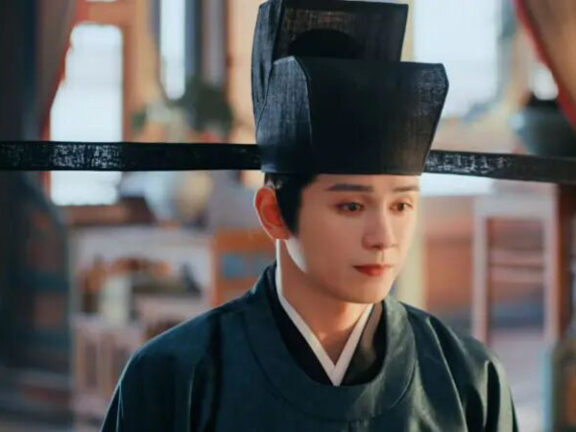
Pursuit of Jade: Song Yan’s Bitter Confrontation
What Happened When a Heartless Ex-Fiancé Confronted the General and His Wife in Pursuit of Jade (逐玉) ? The latest episode of the hit drama Pursuit of Jade delivers a scene of devastating karma. A man who once abandoned his impoverished fiancée after gaining a minor academic title finds himself kneeling before her years later. He is now a petty official, while she is a celebrated general. The encounter exposes the core of his bitterness: he cannot fathom why the woman he discarded did not fail without him. Instead, she thrives alongside a man he dismisses as a mere “live-in son-in-law.” This moment of confrontation lays bare the flawed thinking that ensures his life will remain a cycle of failure and resentment, a cautionary tale told through the show’s compelling historical fiction. The Return of the Ex: A Collision in the Capital The reunion occurs in the imperial capital. Song Yan (宋砚), having lost his government post after his political patrons staged a failed coup, is now a lowly clerk. When he is assigned to instruct Fan Changyu (樊长玉) on court etiquette, he is forced to face the woman whose family once supported his education. The moment he sees her,…- 0
- 0
- 88
-
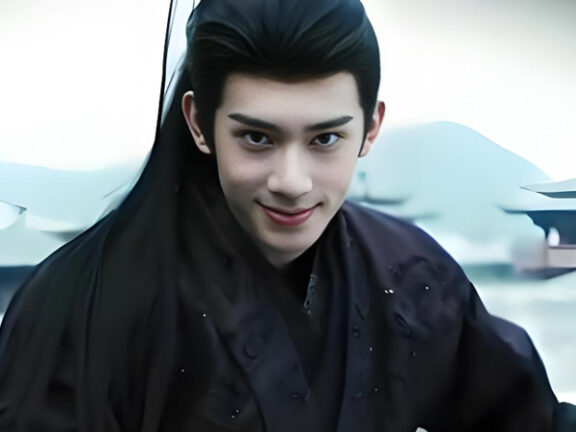
Pursuit of Jade: Sui Yuanqing’s Tragic Curse
Shadow of a Ghost: Why Did a Monster Choose Death to Prove His One Truth in Pursuit of Jade (逐玉)? In the brutal world of Pursuit of Jade, villainy often wears a mask of pure ambition. Yet, the final arc of Sui Yuanqing (随元青) forces us to look beyond the bloodshed. He is introduced as a monster who massacred a town and his own kin. However, his final act—offering his own head as a bargaining chip to save the woman he claimed to never love—paints a far more tragic picture. It is in this brutal end that we find the question haunting his existence: was he born evil, or was he engineered into a weapon destined to shatter? His life was not his own; it was a pale imitation dictated by four suffocating words: the "Little Marquis of Wu'an (武安)." The Heart of a Demon, The Tears of a Man To call Sui Yuanqing a demon is to state the obvious. His hands were stained with the blood of Lin'an (林安) Town and his cousin’s family. Yet, within this brutal framework, the drama reveals cracks of humanity. He spares Qi Min (齐旻), knowing full well the man is not his…- 0
- 0
- 119
-
Why Xie Zheng Left Fan Changyu Alone in Pursuit of Jade
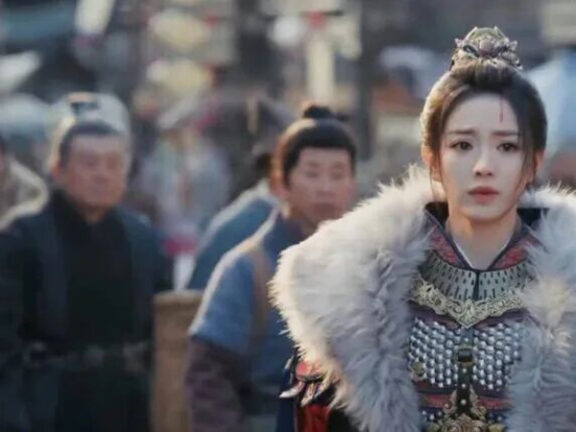
Why Does He Let Her Face the Emperor’s Gate Alone? The Brilliant, Brutal Logic of Love in Pursuit of Jade (逐玉) In the sweeping climax of the historical drama Pursuit of Jade, a scene of staggering visual and emotional power unfolds: Fan Changyu (樊长玉), clad in a red battle robe, raises a massive hammer and strikes the imperial grievance drum before the palace gates. Snow falls in a torrential curtain as she shouts her accusations against the heavens, the emperor, and corrupt officials. It is a moment of pure, devastating courage. Yet, as she stands alone against the machinery of the state, her beloved, the general Xie Zheng (谢征), is conspicuously absent. He is not by her side, shielding her from the stones and vitriol of the crowd. Instead, he is kneeling in his family’s ancestral hall. This isn't an act of abandonment, but a masterclass in strategic love, a division of labor for a battle that must be fought on two fronts: one against the tyranny of power, the other against the tyranny of blood. The Drummer and the Ghost The scene is a study in stark contrasts. Fan Changyu’s struggle is external, visceral, and public. Every strike of…- 0
- 0
- 98
-
Why Qi Min Truly Loved Yu Qianqian in Pursuit of Jade
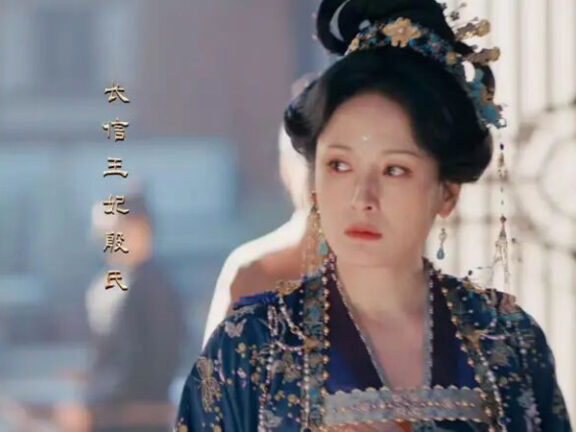
Pursuit of Jade (逐玉) doesn’t just conclude with a death; it ends with a twisted confession that redefines everything you thought you knew about its most volatile character. Qi Min (齐旻) doesn’t kill the Princess of Changxin (长信) for power or revenge, but in that single, brutal act, he reveals the desperate, ugly truth of why he loves Yu Qianqian (俞浅浅). It was never about a kiss that saved his life. It was about a scarcity so profound that one woman’s simple act of courage looked like salvation. The story pulls back the curtain on a monster built, not born, and forces us to ask: what happens when the one thing you crave most is simply to be seen as human? Why a Life-Saving Breath Was Just the Start For Qi Min, the night with Yu Qianqian began as something monstrous. She was a concubine forced on him by Lan Momo (兰嬷嬷), a desperate attempt to secure an heir for the Eastern Palace while his own body was failing. The memory of that night, orchestrated and clinical, filled him with disgust. He saw himself as no different from a stud animal. His first instinct was to kill her. Her pregnancy…- 0
- 0
- 2.1k
-
The Unspoken Truth of Wei Qilin in Pursuit of Jade
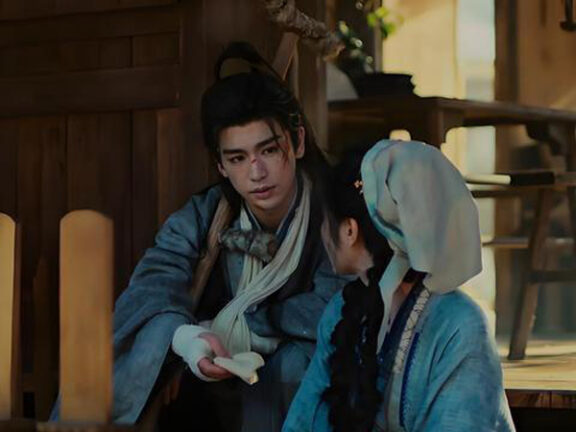
In the midst of a battlefield confrontation, a young woman’s blade reveals a past her family tried to bury. She discovers her father is not the humble butcher she remembers, but the most hated man in the empire—a traitor accused of causing the deaths of thousands. The truth, however, is buried under layers of royal conspiracy, a forbidden love, and a desperate sacrifice. The question that haunts her is one that cuts to the heart of power itself: who truly decides what makes a villain, and how many must suffer to protect that lie? A Butcher’s Daughter, A Traitor’s Blade The clash of steel on the battlefield brought more than the threat of death to Fan Changyu (樊长玉). When the Prince of Changxin (长信) recognized the style of her blade, he didn’t see a soldier; he saw a legacy. He spoke of the Wei brothers and named a man she knew only from childhood rhymes: Wei Qilin (魏祁林), the great traitor. In that moment, her world fractured. The loving father who taught her to fight, the honest butcher who never cheated a customer, was the very villain whose name was used to scare children. Her father was Wei Qilin. Her…- 0
- 0
- 2.2k
-
Pursuit of Jade: The Prince’s Deadly Decree
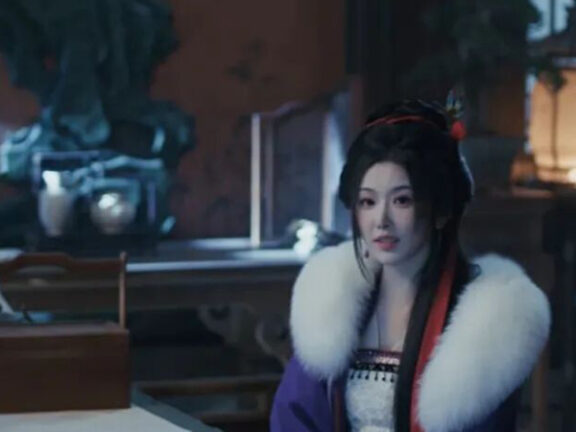
Why Does a Father Order His Own Son Killed? In the ruins of Chongzhou (崇州), a prince escapes with a deadly order: bring back the woman he loves, but kill the child they share. This is the chilling question at the heart of Pursuit of Jade (逐玉), a drama where blood ties become a death sentence. As Xie Zheng’s (谢征) Bloody Robed Guard closes in, the fugitive prince makes a ruthless choice that defies nature itself. To understand it, one must look past the surface of a villain and into the twisted logic of survival, jealousy, and a throne built on sand. An Unwanted Legacy The child, Bao’er (宝儿), was never meant to exist. Conceived not from love but from manipulation, his very cells are a reminder of the prince’s greatest humiliation. At a time when his body was failing, a trusted servant drugged both him and the woman he desired, forcing an intimacy neither would have chosen. For the prince, the boy is not a son but a symbol of his own lack of control, a living testament to a moment where he was reduced to a pawn in someone else’s game. This origin poisons everything. Where most see…- 0
- 0
- 184
-
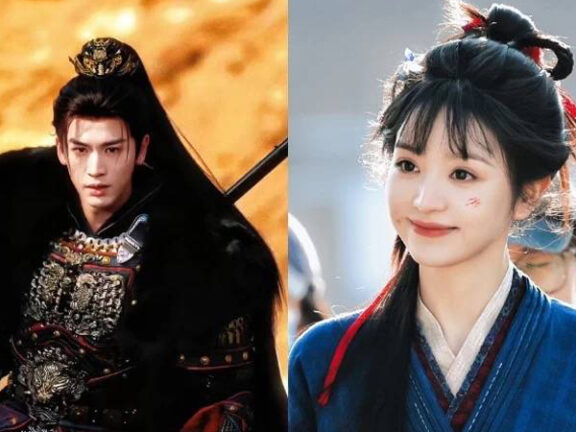
Pursuit of Jade: Love vs. Inherited Guilt
The weight of a father's past can crush a future. In the historical drama Pursuit of Jade (逐玉), this truth lands on Fan Changyu (樊长玉) with devastating force. After she personally kills the Prince of Changxin (长信) on the battlefield, a dying man reveals a secret that shatters her world. The valiant warrior she admires, the man she loves, is Xie Zheng (谢征). Between them now lies an unspoken horror: the shadow of a murdered father. This revelation forces her to flee his protection, to forge her own path, not as a clinging vine, but as a soldier determined to earn her place. Yet, fate has a cruel way of unearthing the deepest secrets, leading her to a truth more damning than any battlefield wound. It is a story not of simple romance, but of identity, inherited sin, and the painful question of whether love can survive the ghosts of a generation. The Blade of Truth: A Legacy of Blood In the chaos outside Chongzhou (崇州) City, Fan Changyu fights with a fury born of desperate independence. An old soldier, recognizing her unique blade style, stops her cold. He asks about He Jingyuan (贺敬元), the dying commander, revealing that the…- 0
- 0
- 125
-
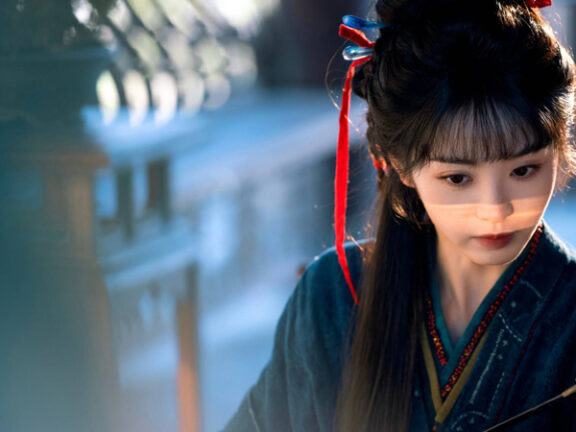
3 Innocent Victims of the Jinzhou Massacre
What Makes the Jinzhou (谨州) Massacre in Pursuit of Jade (逐玉) So Devastating? Three Victims Who Never Had a Chance The Jinzhou Massacre was never really a battle. It was a trap set by an emperor who saw a loyal general not as a defender of the realm, but as a threat to his throne. In the end, the sovereign won, and the subjects paid the price. The slain officials were innocent, but the real tragedy lies with those caught in the crossfire—people who were guilty of nothing more than being connected to the men the emperor wanted to destroy. Qi Rongyin (戚容音), who set herself on fire to save the man she loved; Sui Yuanhuai (随元淮), a child who walked into the wrong room and never walked out; and Meng Lihua (孟丽华), a woman forced to choose death to protect her family. Their stories are not subplots. They are the brutal, beating heart of the drama's deepest cruelty. 1. Qi Rongyin She was the daughter of the venerable General Qi, a woman of high status who should have commanded respect. But Qi Rongyin’s life was never her own. She met Wei Yan (魏严) in her youth, and they shared…- 0
- 0
- 142
-
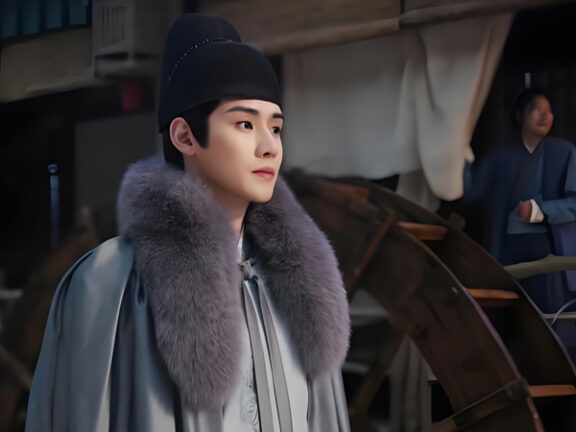
Would Li Huai’an Win Fan Changyu Without Xie Zheng?
In the episode of Pursuit of Jade (逐玉), Li Huai’an (李怀安) appears in the same frame as Fan Changyu (樊长玉) again. The barrage lights up with viewers who find themselves drawn to the pair. Some note she has always favored the gentle, scholarly type, and he fits that image perfectly. Others joke that the two deserve their own separate drama. A common sentiment runs through the comments: if they had met earlier, before Xie Zheng (谢征) entered the picture, they would have been a natural match. Watching the scene, it is easy to see why people think that way. The atmosphere between them carries a certain warmth, and Li Huai’an himself seems genuinely moved. But even if he had crossed paths with her before Xie Zheng did, the outcome would not have changed. The truth is not hidden in their first meeting but in who he is at his core. What She Says She Wants Before Fan Changyu ever met Xie Zheng, she had a fiancé who was a scholar. She has mentioned more than once that she prefers men of learning. Xie Zheng, a military man, has felt the sting of that preference on more than one occasion. Li…- 0
- 0
- 71
-
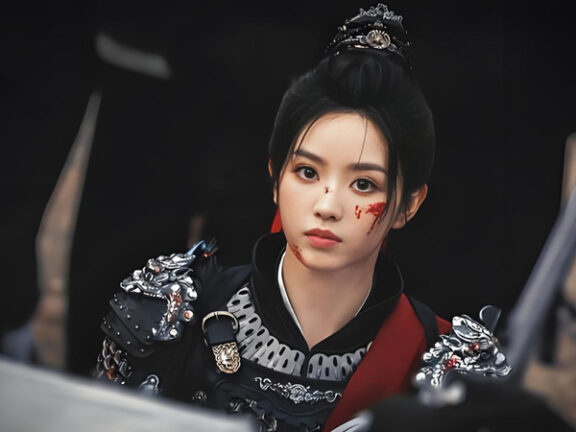
The 3 Endings of Pursuit of Jade’s Leading Ladies
What if the end of a chaotic dynasty wasn't about who sat on the throne, but about how three very different women chose to live their own lives? As the historical drama Pursuit of Jade (逐玉) races towards its finale, with the streaming platform releasing two episodes in a single day, the fates of its central female characters have become the main event. The series, set in a fictional but turbulent historical era, follows three women—a butcher’s daughter, a modern soul trapped in the past, and a princess bound by tradition—as they navigate love, power, and survival. In the end, they each forge a path that defies expectations. One becomes a general, one secures the highest seat of power, and one finally claims the love she’s pursued for sixteen years. Their stories aren't just about romance; they are about the stark choices women make to protect what they value most. This is how they each found their own version of victory in a world determined to control them. 1. Fan Changyu (樊长玉): The Cleaver and the Orchid Her destiny was rewritten the moment she dragged a wounded soldier from the snow. Fan Changyu was never meant to stay a simple…- 0
- 0
- 1.7k
-
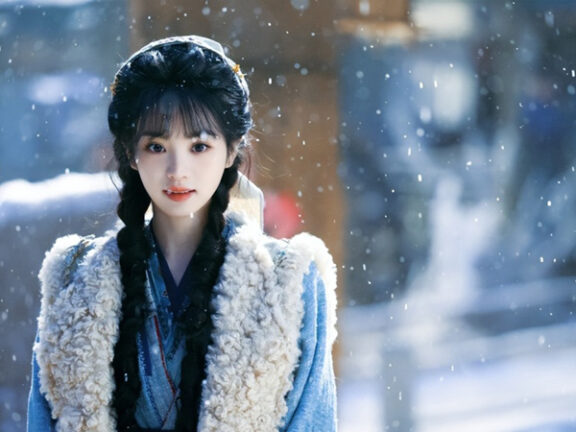
Top 10 Performances in Pursuit of Jade
The finest performances in Pursuit of Jade (逐玉) unfold in the spaces between words—a glance held a moment too long, a tremor masked by a steady hand, silence that speaks louder than any line. Here, actors do not simply inhabit roles; they build entire lives from accumulated details. Here is a ranking of 10 actors' acting skills. 1. Liu Lin (刘琳) In the heart of the story stands Zhao Daniang (赵大娘), the neighborhood's anchor. She is not a grand figure but the woman whose door is always open, whose voice carries the familiar rhythm of daily concern. Her affection for the two sisters next door is not stated but shown through a thousand small actions: a scolding about chores, a worried glance during a storm. Actor Liu Lin builds this character from the ground up, avoiding any hint of theatricality. When she fusses, it is with the impatience of genuine care; when she celebrates, it is with the unrestrained joy of a woman who has known hardship. The performance is a masterclass in building a life through accumulation, each scene adding another layer of authenticity until the audience forgets they are watching a scripted drama. The emotional climax arrives during…- 0
- 0
- 125
-
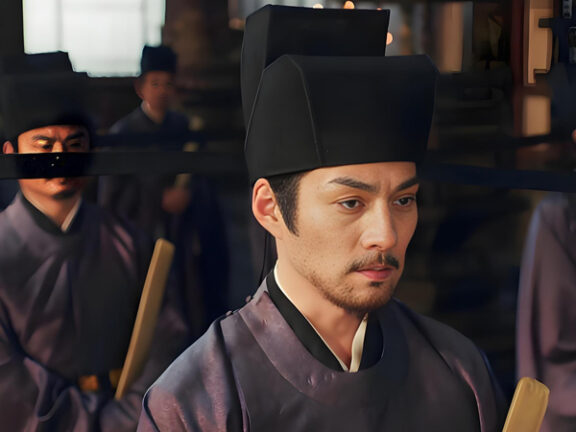
The Fake Marriage in Pursuit of Jade
On the surface, it looked like the perfect example of a respectful, traditional marriage. She addressed him with formal titles, never a first name. He provided a grand household. Their son, Wei Xuan (魏宣), grew up with every privilege. But a single line from the son cuts through the illusion: "He is your husband, yet you only ever call him by his official title." It’s a small crack in the facade. Then comes a moment that shatters it entirely. Upon hearing that a man named Xie Zheng (谢征) has survived and returned, Madam Wei exclaims, "Congratulations, Marquis. You have an heir." The confusion is immediate. Does Wei Yan (魏严), a powerful minister, not already have a son standing right there? What the audience slowly realizes is that the respect Madam Wei shows her husband is not the foundation of love. It is the architecture of a deal. This is not a marriage. It is a transaction, bound by fate, and cemented in survival. The Contract: A Debt That Became a Life Madam Wei was never destined for a grand political marriage. She was a minor daughter from a small family, facing a future as a second wife to a minor…- 0
- 0
- 191
-

Love Beyond the Grace Premieres March 28
Can a 400-Year-Old Ghost King Find Sensation in a Human’s Touch? Love Beyond the Grace (白日提灯) Lights Up the Screen with a Sensory Romance! The moment one story ends, the next begins. As the curtain falls on Pursuit of Jade (逐玉), a new obsession is already on the horizon, ready to fill the void. For those who have been captivated by epic tales of power and fate, the wait is almost over. The streaming platform Tencent Video seems to know exactly what its audience craves, lining up a drama that promises not just a new story, but an entirely new sensory experience. Set to premiere on March 28, 2026, Love Beyond the Grace is stepping into the spotlight, and it brings with it a premise so unique it has the potential to redefine the genre. This isn't just another historical fantasy; it is a story about feeling the world through another’s eyes, quite literally. The Ghost King and the General: A Pact of Flesh and Soul At the heart of this series is a concept both intimate and perilous: the sharing of senses. He Simu (贺思慕), portrayed by the magnetic Dilraba Dilmurat, is no ordinary heroine. She is the most powerful spirit…- 0
- 0
- 38
-
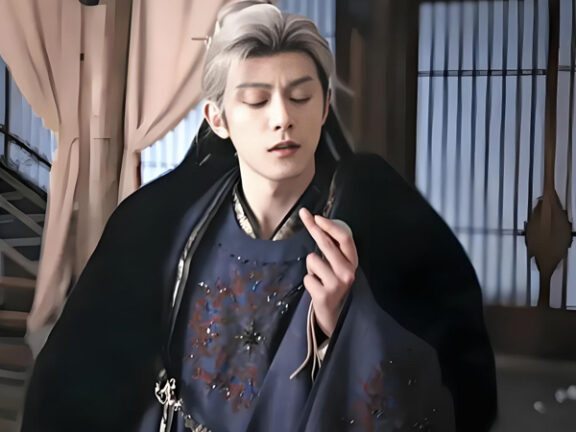
3 Tragic Fates in Pursuit of Jade
Can a Single Moment of Fire, a Word of Arrogance, or a Family’s Ambition Define a Lifetime of Irreversible Tragedy? In the sweeping narrative of Pursuit of Jade (逐玉), the line between villain and victim blurs as the story barrels toward its climax. The series introduces its antagonists not merely as embodiments of evil, but as souls caught in the merciless machinery of fate. One man never truly escaped the flames that devoured his childhood; another saw his entire future collapse because of a single careless boast; and a third spent two decades in exile, attempting to atone for sins he was born into. These are not simple stories of good versus evil, but profound explorations of how trauma, arrogance, and misguided loyalty can forge paths from which there is no return. 1. Qi Min (齐旻) He was born a prince, the grandson of the emperor, a child seemingly blessed by the heavens. As the Crown Prince’s eldest son, Qi Min’s (齐旻) future was one of privilege and power. But the imperial court was a viper’s nest. Caught in the crossfire of a succession struggle, his life was nearly extinguished before it truly began. His mother, in a desperate act…- 0
- 0
- 1k
-
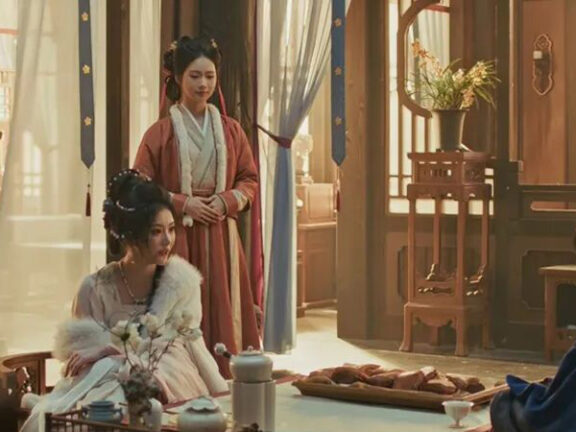
Women Supporting Women in Pursuit of Jade
In the Chinese drama Pursuit of Jade (逐玉), the relationship between Yu Qianqian (俞浅浅) and Fan Changyu (樊长玉) offers a refreshing take on female friendship. It moves beyond superficial gestures to explore how two women from different backgrounds uplift each other through mutual respect and shared struggles. Their story, set in the fictional town of Lin'an Town (林安镇), is not just about personal success but about how they become each other's foundation, proving that true strength lies in collective growth. A Chance Encounter That Changed Everything The first meeting between Yu Qianqian and Fan Changyu is anything but ordinary. Qianqian, the owner of the popular restaurant Yi Xiang Lou (溢香楼), spots Changyu from her carriage window. Changyu is marching furiously toward a butcher shop, cleaver in hand, ready to confront the owner's son for a wrongdoing. This image of a young woman refusing to be victimized immediately intrigues Qianqian. In a society where women are often expected to be docile, Changyu's fiery reaction stands out. Qianqian laughs to herself, noting that this butcher girl is a "rough woman" but undeniably fascinating. This moment captures how genuine connection often begins with seeing someone's authentic, unfiltered self. Qianqian's own history makes her…- 0
- 0
- 73
-
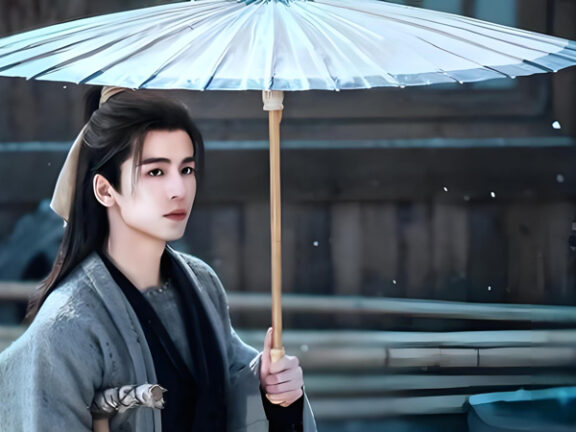
The Truth Behind Wei Wan’s Death in Pursuit of Jade
Why Did She Have to Die? Pursuit of Jade's (逐玉) Hero Discovers His Mother's Painful Sacrifice After 17 Years of Hate For seventeen years, Xie Zheng (谢征) carried a heavy stone in his heart. That stone was hatred for his mother, the woman he believed had abandoned him. He remembered the sweet smell of Guihua Gao (桂花糕) , the osmanthus cakes, filling their home in the capital. He remembered her gentle voice, telling him to go out and play. He remembered running back to find her still and silent, hanging from the beam. In his young mind, it was the ultimate act of selfishness and cowardice. He refused to call her mother, referring to her only as "that woman." Raised by his uncle, the powerful Prime Minister Wei Yan (魏严), Xie Zheng grew into a formidable general, known as the "God of War." But the past never truly faded. It festered, a wound that would not heal, driving him to uncover the truth about his father's death years ago. What he found would shatter everything he thought he knew and force him to confront a love so deep, it was disguised as the ultimate loss. The Weight of a Mother's…- 0
- 0
- 1.3k
-
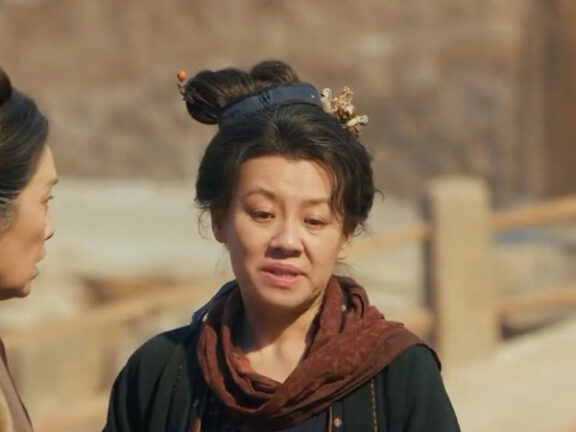
How Zhao Daniang Stole the Show in Pursuit of Jade
Who Predicted a Street Aunt Would Outshine the Leads in Pursuit of Jade (逐玉)? In the competitive landscape of Chinese ancient-costume dramas, where youth and beauty often reign supreme, Pursuit of Jade has delivered an unexpected twist. While the show’s marketing focused on its glamorous young stars, it is a middle-aged market vendor with limited screen time who has become the internet’s favorite topic. Zhao Daniang (赵大娘), portrayed by the accomplished actress Liu Lin (刘琳), has emerged as the drama’s true standout, sparking widespread discussion about the nature of performance and the changing desires of the audience. Her character, rooted in the grit and warmth of everyday life, offers a refreshing contrast to the polished but often hollow leads, proving that genuine connection can outweigh sheer star power. Upon its debut, the series posted impressive viewership numbers across major platforms, igniting debates about the authenticity of its ratings. Amidst the controversy over inflated statistics and narrative gaps, one element remained universally praised: Liu Lin's embodiment of Zhao Daniang. Her scenes, though brief, are dissected and celebrated online, with viewers skipping past the main plotlines just to watch her interactions. This phenomenon highlights a powerful shift—audiences are no longer satisfied with…- 0
- 0
- 83
-
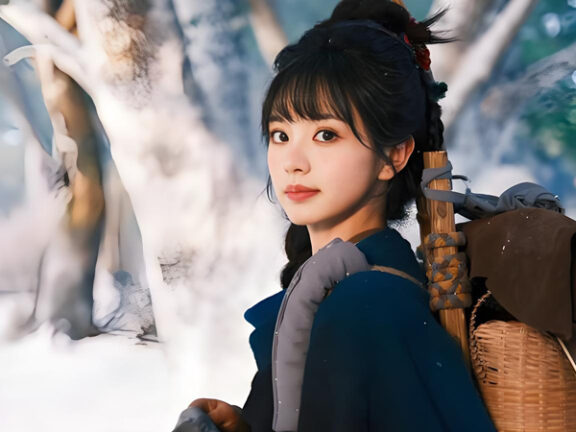
Fan Changyu’s Battlefield Rise in Pursuit of Jade
What happens when a butcher's cleaver shatters on the battlefield? For Fan Changyu (樊长玉), the heroine of Pursuit of Jade (逐玉), the broken blade does not signal defeat—it forges a legend. In a stunning turn of events, the simple iron knife she has used her entire life to butcher pigs snaps into two pieces during a life-or-death struggle against a towering enemy general. Yet, in that moment of destruction, a new identity is born. The crowd of soldiers does not see a fallen girl; they see the victor standing over a corpse, a woman who has just earned her place as a military leader. This single scene captures the very essence of what makes this drama resonate so deeply. It is a story about the sharp divide between who we are born as and who we choose to become. And interestingly, the only person who never doubted this transformation was an elderly scholar who once refused to teach wealthy students but begged to take a butcher girl as his final disciple. The Blade That Cut Two Lives The Sha Zhu Dao Fa (杀猪刀法) or "pig-sticking knife technique" that Fan Changyu wields is not a graceful martial art. It is practical,…- 0
- 0
- 75
Cdrama
Scan to open current page
-
$CouponsLimitation of use:Expired and UnavailableLimitation of use:
before
Limitation of use:Permanently validCoupon ID:×Available for the following products: Available for the following products categories: Unrestricted use:Available for all products and product types