The first quarter of 2026 has proven to be a landmark season for historical dramas, offering an exceptional range of narratives that span forensic mysteries, transmigration deconstructions, weighty political epics, and grounded Wuxia tales. From sleeper-hit sequels that deepened beloved character dynamics to ambitious productions that redefined genre conventions, the landscape showcased a remarkable diversity in both storytelling and production value. These standout series collectively demonstrated that the genre continues to evolve, offering audiences compelling narratives built on intellectual compatibility, moral complexity, and genuine character growth. For viewers seeking a curated selection, here are 7 recommended costume dramas for the first quarter of 2026.

The Imperial Coroner 2 (御赐小仵作2)
- Platform: Tencent
- Period Background: Fictional Tang Dynasty
- Genres: Historical, Mystery, Investigation, Romance
- Main Roles: Wang Ziqi (as Xiao Jingrui), Su Xiaotong (as Chu Chu), Yang Tingdong, Zhao Yaoke, Zhang Chenxiao
- Adapted from: Madam Constable by Xianxian Yatou (清闲丫头)
Plot Deep Dive:
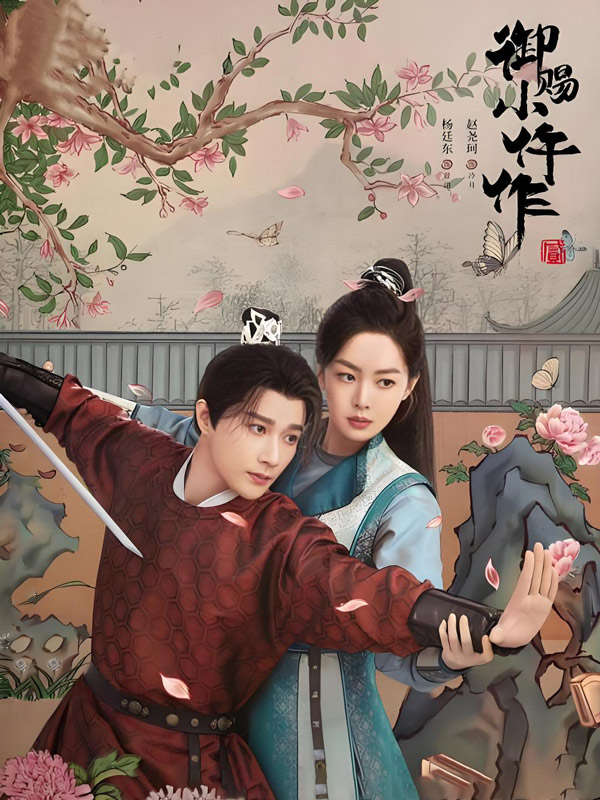
The first Imperial Coroner was the quintessential sleeper hit. It debuted with modest expectations in 2021 and became a phenomenon, lauded for its logical forensic mysteries and a respectful, low-key romance. Returning five years later with the original cast, The Imperial Coroner 2 faced the daunting task of satisfying loyal fans. It does so not by reinventing the wheel, but by allowing its beloved characters to grow up—without losing their essence.
The series picks up with Chu Chu (楚楚) and Xiao Jingrui (萧瑾瑜) now married. She has transitioned from an apprentice coroner to the Princess of Anjun (安郡), while he has risen to a prominent position in the judiciary. The central dynamic shifts from “partners in investigation” to “partners in life,” a change the show handles with remarkable grace. The professional tension remains: Chu Chu’s dedication to her forensic work is undiminished. In one scene, she matter-of-factly discusses cranial structure with her husband, who, with the earnestness of a scientist in love, replies, “Most people’s skulls aren’t as beautiful as yours.” It’s a line that perfectly encapsulates their relationship—intellectually compatible, deeply fond, and completely devoid of saccharine melodrama.
Audience Heat:
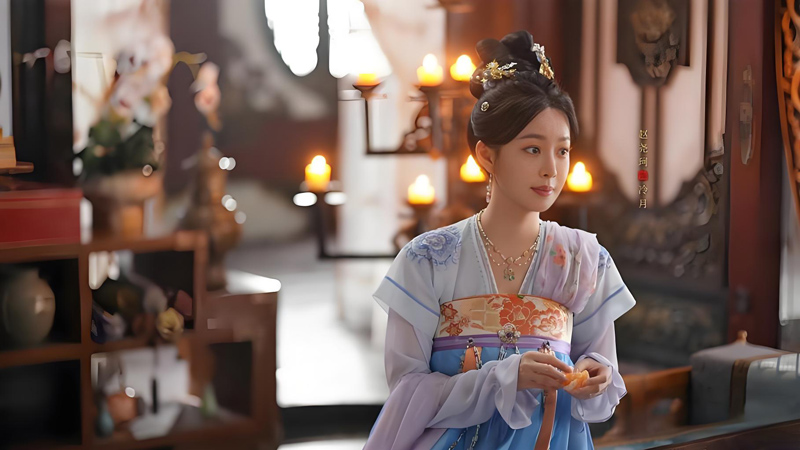
The quartet’s camaraderie is the show’s secret weapon. The familiar group dynamic—complete with their bickering, unwavering support, and instinctive teamwork—forms the emotional core, providing levity that balances the darker, more intricate cases they now tackle as the heads of the judiciary. Within 20 minutes of its premiere, the show’s popularity index surpassed 22,000, proving that the chemistry and clever writing that defined the original were not only preserved but deepened, turning a small-budget success into a full-fledged franchise.


How Dare You (成何体统)
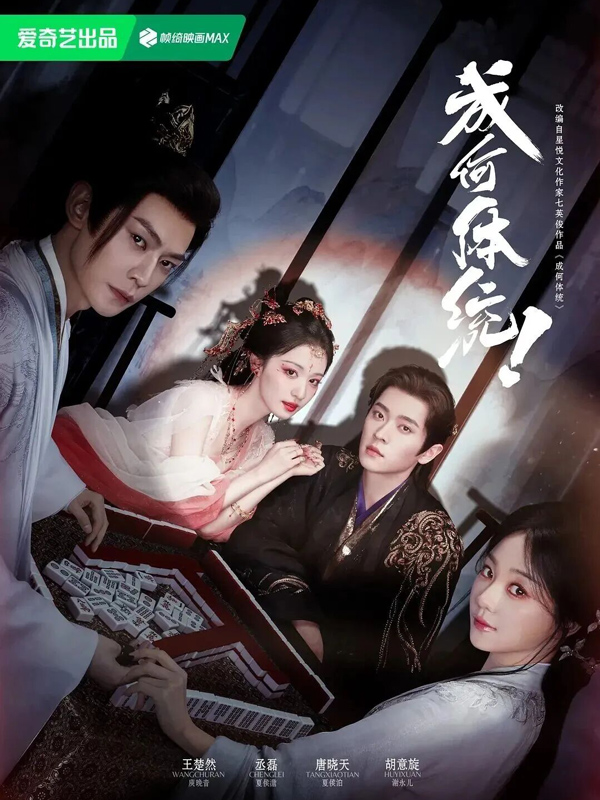
- Platform: iQiyi
- Period Background: Fictional ancient dynasty
- Genres: Historical, Romance, Comedy, Fantasy
- Main Roles: Wang Churan (as Yu Wanyin/Wang Cuihua), Cheng Lei (as Xiahua Dan), Tang Xiaotian, Hu Yixuan, Ma Su
- Adapted from: the novel Cheng He Ti Tong (成何体统) by Qi Yingjun (七英俊)
Plot Deep Dive:
For anyone who has ever groaned at a “transmigration” plot, How Dare You feels like a cleverly disassembled puzzle box. The premise is a deconstruction of the genre itself. A modern office worker, Wang Cuihua (王翠花), finds herself transported into a dark palace intrigue novel, inhabiting the body of its primary villain, the “demon concubine” Yu Wanyin (庾晚音). Her only hope for survival is to gain the favor of the cruel tyrant, Xiahua Dan (夏侯澹).
The twist arrives swiftly. In a moment of desperation, she recites a modern slogan to him, a coded hail mary. His eyes light up with recognition. He, too, is a transmigrator. What follows is not a story of political machination, but of two modern-day people trapped in a deadly story, deciding to rewrite the plot together. They form a survival pact, using their knowledge of the original novel’s plot and their contemporary sensibilities to navigate a court where any misstep could be fatal.
Audience Heat:
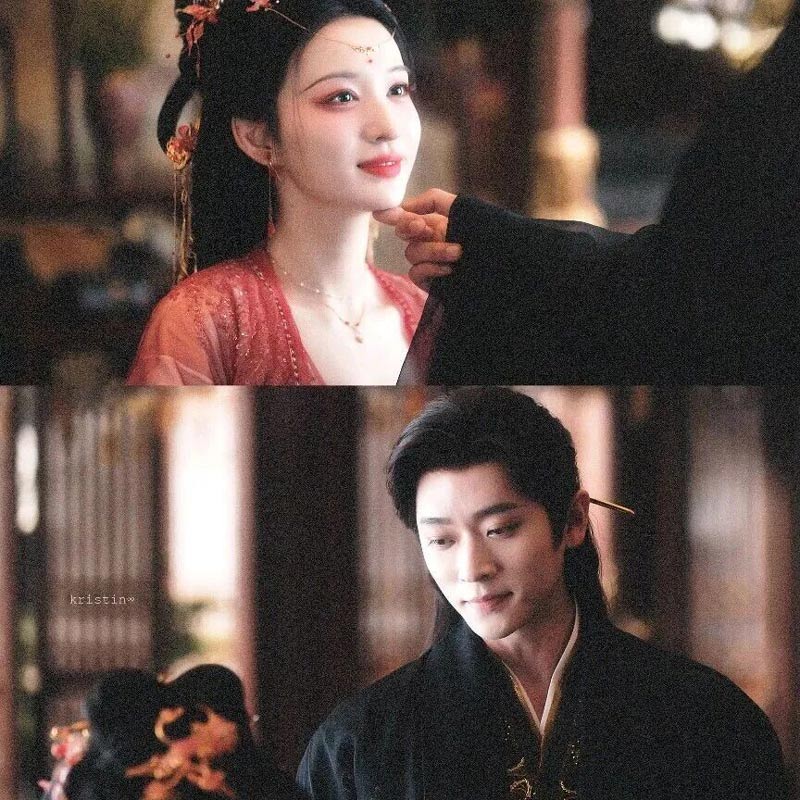
Since its premiere on February 8, the drama hit over 7,800 in popularity on its first day on iQIYI and reached a peak of 9,079 for its finale. It held a Yunhe (云合) penetration rate of 19.8%, ranking first in popularity, effective views, and weekly average views per episode among dramas in the same period.Cheng Lei also became iQIYI’s top actor of the year in ancient costume romance for his role as Xiahou Dan.


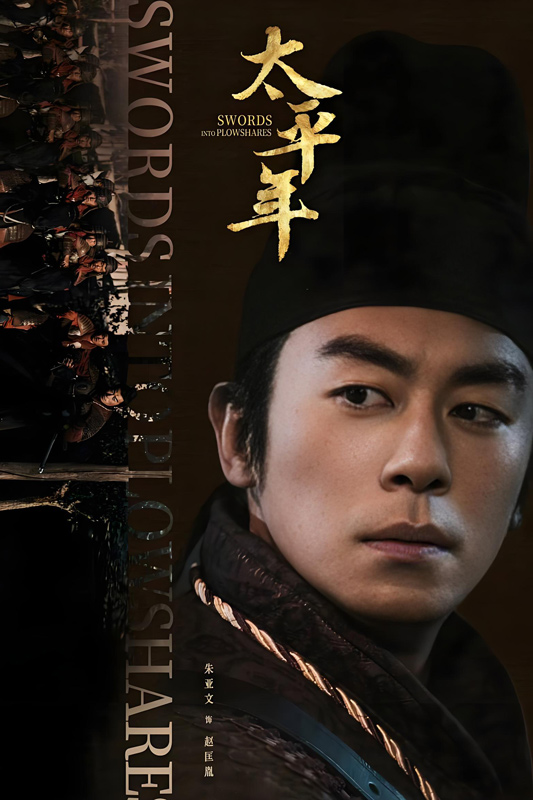
- Platform: Tencent & Mango TV
- Period Background: The Five Dynasties and Ten Kingdoms period, transitioning into the early Song dynasty
- Genres: Historical Drama, Political, Epic
- Main Roles: Bai Yu (as Qian Hongchu), Zhou Yutong (as Sun Taizhen), Zhu Yawen (as Zhao Kuangyin), Yu Haoming, Dong Yong, Ni Dahong
- Adapted from: Original script based on historical events
Plot Deep Dive:
In an era where historical dramas often lean into romanticized or action-heavy “cool” narratives, Swords into Plowshares stands as a quiet, deliberate counterpoint. It is a proper historical epic, focused on the pivotal moment in the 10th century when the Wuyue (吴越) Kingdom, a prosperous but small state, decided to surrender its sovereignty to the nascent Song dynasty, paving the way for a unified China. The series avoids the easy traps of palace intrigue and martial spectacle, instead grounding its story in governance, moral responsibility, and the sheer human weight of leadership.
The central figure is Qian Hongchu (钱弘俶), the king of Wuyue, portrayed with a quiet, resolute intensity by Bai Yu (白宇). His is not a story of conquest but of preservation. The central conflict is internal: how to protect his people from the inevitable violence of unification. His choice to submit to Zhao Kuangyin (赵匡胤), the founding emperor of Song, is portrayed not as weakness but as the ultimate act of statesmanship. Zhu Yawen’s (朱亚文) Zhao Kuangyin is a perfect foil. He is a man of immense ambition and martial prowess, yet his scenes are imbued with a contemplative sadness. He can command a court with a single glance, but in quieter moments, a flicker of empathy for the common people shows beneath the emperor’s facade.
Audience Heat:
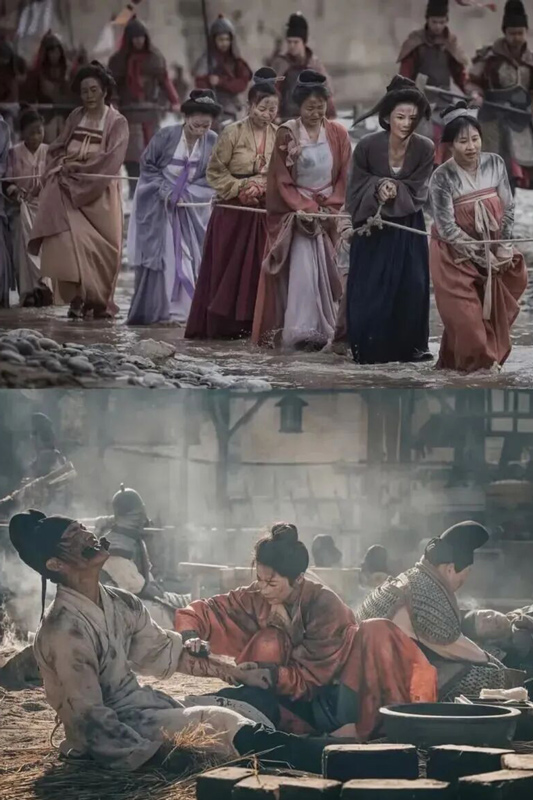
It is a drama of performances. Zhou Yutong’s (周雨彤) Sun Taizhen (孙太真), Qian’s wife, is no mere consort. She is a strategic partner, his equal in conviction and courage, navigating the political currents alongside him. The show’s success with audiences was undeniable, topping viewership charts on CCTV and achieving a rare feat: its score on the review site Douban (豆瓣) climbed from 7.8 to 8.2 during its run. This speaks to a narrative that rewards patient viewing, one that builds depth over time. Swords into Plowshares trusts its audience to be engaged not by sword fights, but by the quiet, seismic weight of a king deciding the fate of a nation, one calculated, humane choice at a time.


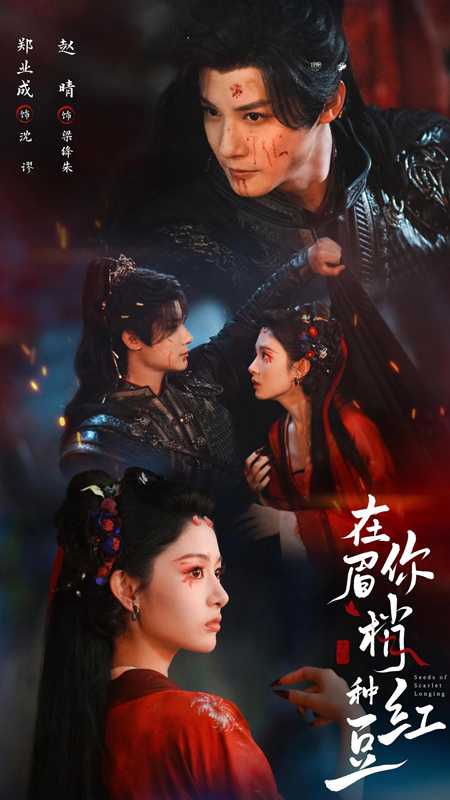
Seeds of Scarlet Longing (在你眉梢种红豆)
- Platform: Mango TV
- Period Background: Fictional Ancient Dynasty
- Genres: Fantasy, Romance, Ancient Costume
- Main Roles: Zheng Yecheng (as Shen Miao), Zhao Qing (as Jiang Zhu)
- Adapted from: Original Script
Plot Deep Dive:
The story hinges on Jiang Zhu (绛朱), the youngest Jade Soul in the realm of illusions. She suffers from a cold-bone ailment that demands she find her “Jade Lord” to survive. Her escape from hunters leads her to cross paths with Shen Miao (沈谬), a powerful official on her trail. In a moment of desperation, she accidentally plants a love curse on him. The forced entanglement between a woman from a hunted clan and the man tasked with hunting her forms the spine of the plot.
They start as adversaries forced into proximity, then navigate the murky territory between grudging acceptance and genuine feeling. Their alliance eventually drives them to uncover the conspiracy targeting her people and to clear the name of her clan. The series leans into its swift setup, using the initial forced marriage not as a drawn-out contrivance but as a springboard into the more complex dynamics of shared survival and uncovered truth.
Audience Heat:
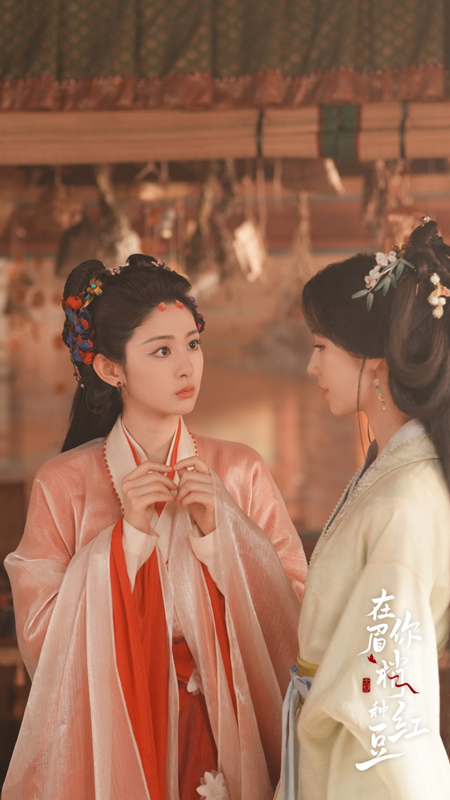
The numbers speak to a hungry audience. Beyond the viewership milestones, the Douyin buzz indicated strong clip-driven virality. The core appeal seems to lie in the rapid setup—the “meet and marry in two episodes” hook—combined with the tension of the cursed connection. Viewer discussions frequently circled around the leads’ chemistry and the series’ willingness to dispense with prolonged will-they-won’t-they introductions.


Generation to Generation (江湖夜雨十年灯)
- Platform: Tencent
- Period Background: Fictional Ancient Jianghu (江湖)
- Genres: Wuxia (武侠), Romance, Mystery
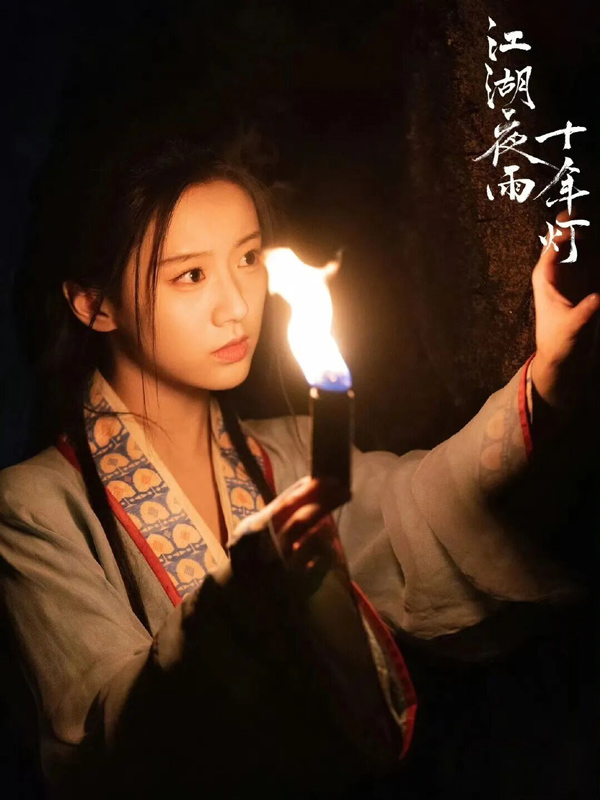
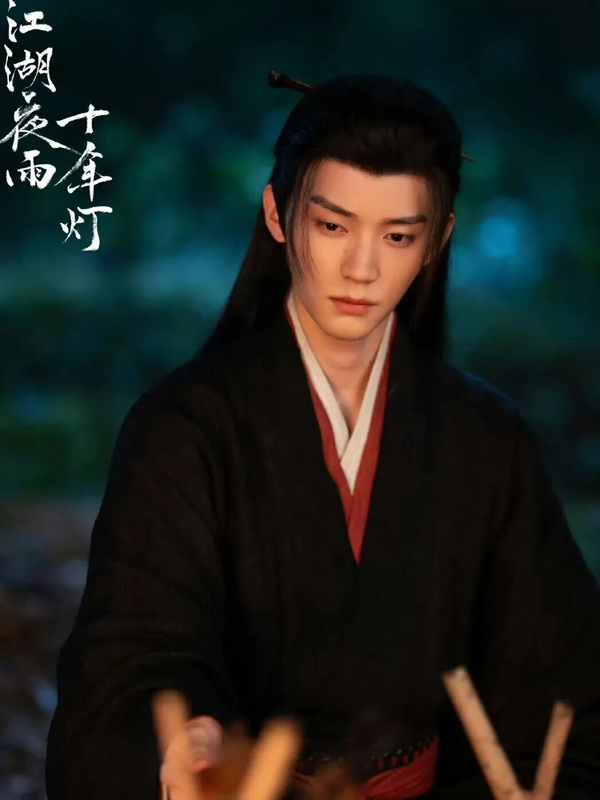
- Main Roles: Zhou Yiran (as Chang Ning / Cult Leader), Bao Shangen (as Cai Zhao)
- Adapted from: Guan Xin Ze Luan's (关心则乱) popular novel Jiang Hu Ye Shi Shi Nian Deng (江湖夜雨十年灯).
Plot Deep Dive:
The narrative centers on a marriage that begins as a strategic farce. One party is the outwardly gentle star disciple of a respected sect, yet secretly harbors the identity of a demonic cult leader with a vendetta. The other is a wanderer who carries herself with a deceptive laziness, masking a sharp intelligence and her own secrets. Their union, born of mutual manipulation, slowly transforms into a bond tested by loyalty, revelation, and shared goals.
The story interweaves its romance with investigative threads, moving beyond classic Wuxia tropes of chivalry and revenge to incorporate mystery and psychological gamesmanship. Key sequences—a rain-soaked bamboo forest confrontation, a cliffside act of sacrificial sword-breaking, a united front against a common enemy—are structured to deliver both emotional payoff and narrative propulsion.
Audience Heat:
The show gathered momentum steadily, achieving over fifty million effective views across platforms. Tencent’s internal heat index topped 23,000. On Douyin, the conversation hit 3.8 billion views. It established itself as a leader in the Wuxia category on its platform. Viewers noted Zhou Yiran’s (周翊然) performance in a dual role, contrasting the controlled disciple with the wounded, ruthless cult leader. Bao Shangen’s (包上恩) portrayal of Cai Zhao (蔡昭), particularly her action sequences in red, earned praise for its combination of ease and precision.


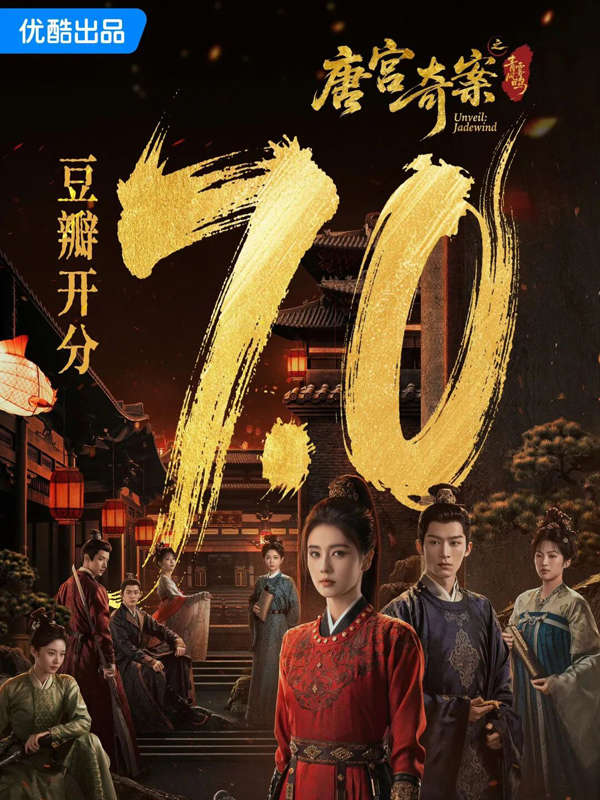
Unveil: Jadewind (唐宫奇案之青雾风鸣)
- Platform: Youku Video
- Period Background: Tang Dynasty
- Genres: Historical, Mystery, Suspense, Court Drama
- Main Roles: Bai Lu (as Li Peiyi), Wang Xingyue (as Xiao Huaijin)
- Adapted from: The novel Mysterious Tales of the Tang Dynasty: Blood Jade She (唐宫奇案之血玉韘) by Senlin Lu (森林鹿)
Plot Deep Dive:
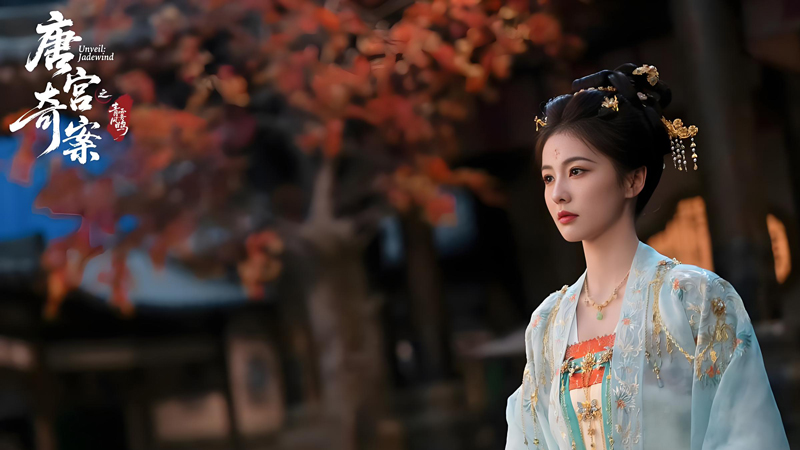
The plot opens with the suspicious death of a princess during the Lantern Festival. From this initial event, the show builds a structure of interlocking cases—six in total—that tie back to a fifteen-year-old massacre. The narrative balances standalone mysteries with a larger political conspiracy. Li Peiyi (李佩仪), a court official in charge of internal investigations, partners with Xiao Huaijin (萧怀瑾), an official from the astronomy bureau. Their dynamic pairs her sharp, physical approach to investigation with his analytical, literary mind.
The production design leans heavily on historical detail. Costumes, sets, and ceremonial rituals are constructed with an attention to Tang-era aesthetics. The show avoids heavy reliance on digital effects, grounding its tension in the mechanics of the investigations and the constrained power dynamics within the palace.
Audience Heat:
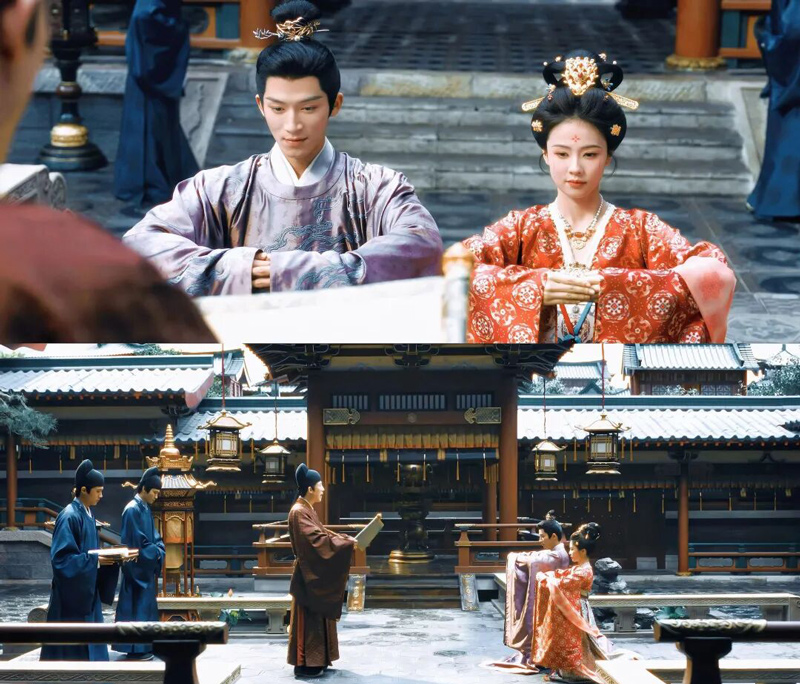
The series performed robustly across metrics. On Youku, it crossed the 10,000 heat index threshold in 73 hours, setting a new speed record for the platform’s mystery category. It held the top spot on Youku’s daily heat chart for 29 consecutive days. Broadcast on CCTV-8, it achieved a peak real-time viewership rating of 1.3286% and led the post-prime time slot for 22 days. Total effective views exceeded one billion. Audience response frequently highlighted Bai Lu’s (白鹿) performance and the show’s production values. Her character’s styling—a high ponytail and a dark green robe with a Tang-style sword—became a widely discussed visual element. The show’s strength was seen in its ability to sustain a complex narrative without losing momentum.


Pursuit of Jade (逐玉)
- Platform: Tencent & iQIYI
- Period Background: Fictional Ancient Dynasty
- Genres: Romance, Historical, Drama
- Main Roles: Zhang Linghe (as Xie Zheng), Tian Xiwei (as Fan Changyu)
- Adapted from: The novel The Marquis’s Wife and the Butcher’s Knife (侯夫人与杀猪刀) by Tuanzi Laixi (团子来袭)
Plot Deep Dive:
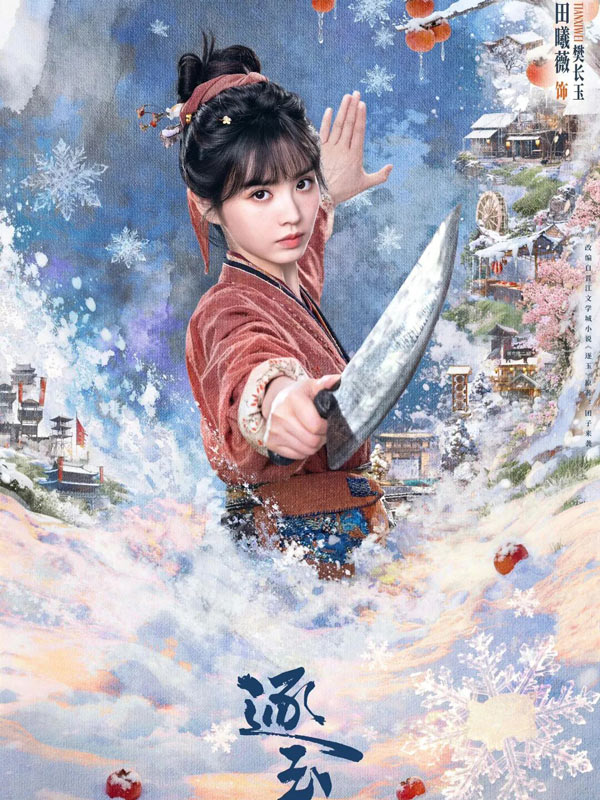
The story begins in a butcher’s shop. Fan Changyu (樊长玉), a woman with a pragmatic streak and a strong arm, runs her family business. To preserve her home, she takes drastic action: she recruits a husband. The man she chooses, Xie Zheng (谢征), presents himself as a compliant, bookish scholar. His true identity is that of a marquis with a blood feud to settle. Their marriage is a contract, built on her need for a partner and his need for cover. From this grounded premise, the narrative expands. It moves from the rhythms of market life and family disputes to military campaigns and court power struggles.
The show balances three narrative lines: the daily life and commercial dealings of the town, the military and political maneuvering of the empire, and the evolving emotional connection between the leads. The relationship develops without relying on manufactured conflict or overly sweet gestures. It’s built on observation, shared work, and the gradual lowering of guards.
Audience Heat:
Six days into its run, the show’s heat index on Tencent hit 29,000; on iQIYI, it surpassed 10,000. Yunhe market share reached 42.2%. It led charts across multiple data trackers. Douyin views related to the series passed six billion. A single-day effective viewership record exceeded 71 million. The show also attracted 30 brand partners, indicating strong commercial confidence. The audience connected with the central pairing. Tian Xiwei’s (田曦薇) portrayal of Fan Changyu, a character shown hefting pig carcasses and wielding a cleaver while managing business and family, provided a distinct entry point.

Zhang Linghe’s(张凌赫) performance as Xie Zheng balanced the surface passivity with the underlying authority of his hidden identity. The show’s ability to maintain distinct tones—the groundedness of the butcher shop, the formality of military camps, the intimacy of a marriage under false pretenses—was a frequently noted strength among viewers. The story avoided common pitfalls of the genre by letting its characters’ actions and circumstances drive the plot forward.


In a Words
From forensic sleuths to transmigrators rewriting fate, this quarter’s period dramas proved the genre’s strength lies in intellectual depth, moral weight, and characters who grow—promising an even richer historical tapestry ahead.