
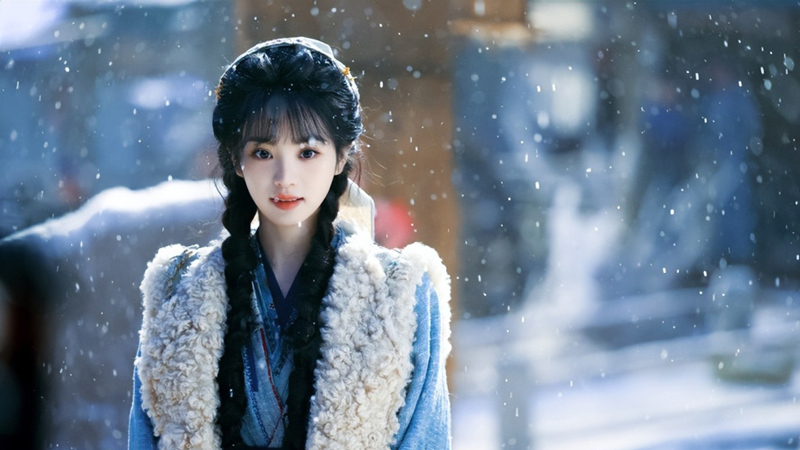
The finest performances in Pursuit of Jade (逐玉) unfold in the spaces between words—a glance held a moment too long, a tremor masked by a steady hand, silence that speaks louder than any line. Here, actors do not simply inhabit roles; they build entire lives from accumulated details. Here is a ranking of 10 actors' acting skills.

1. Liu Lin (刘琳)
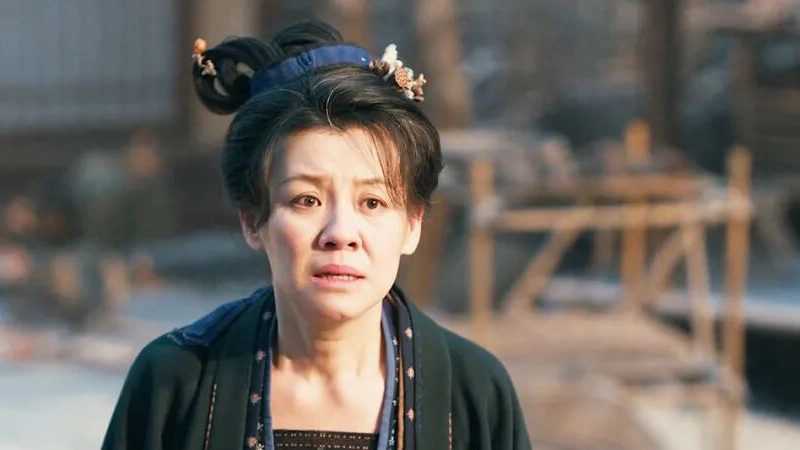
In the heart of the story stands Zhao Daniang (赵大娘), the neighborhood's anchor. She is not a grand figure but the woman whose door is always open, whose voice carries the familiar rhythm of daily concern. Her affection for the two sisters next door is not stated but shown through a thousand small actions: a scolding about chores, a worried glance during a storm. Actor Liu Lin builds this character from the ground up, avoiding any hint of theatricality. When she fusses, it is with the impatience of genuine care; when she celebrates, it is with the unrestrained joy of a woman who has known hardship. The performance is a masterclass in building a life through accumulation, each scene adding another layer of authenticity until the audience forgets they are watching a scripted drama.
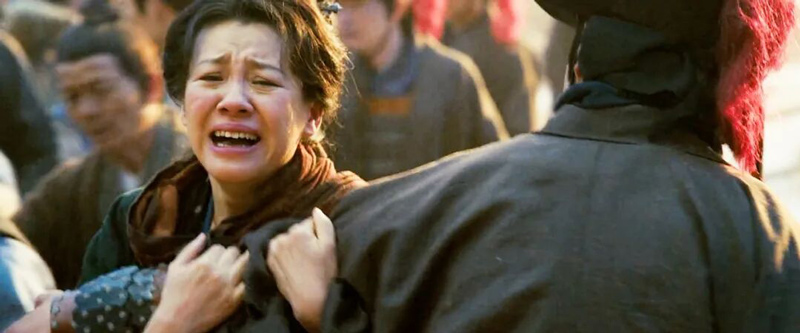
The emotional climax arrives during a moment of farewell. As war looms and her husband must leave for the military camp, Zhao Daniang’s composure finally cracks. Her instructions for him to “live well” are delivered not with grand sorrow, but with a choked voice and hands that cannot stop fidgeting. It is in this restraint that the depth of their decades-long relationship surfaces—a love built not on grand gestures but on shared meals and silent companionship. Liu Lin captures this shift from bustling activity to quiet, devastating anxiety with heartbreaking precision. She demonstrates that the most profound performances often occur in the silences between words, making her portrayal a benchmark for how to imbue a supporting character with immense, lived-in soul.
2. Yue Yang (岳旸)
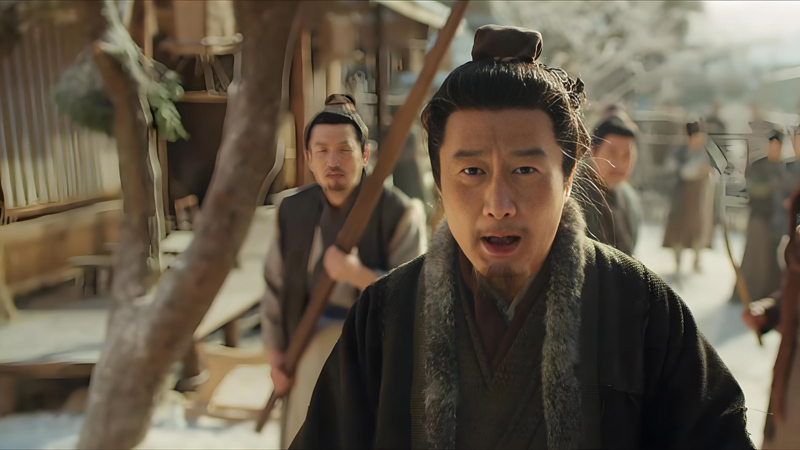
If Zhao Daniang is the neighborhood’s voice, then her husband, Zhao Daye (赵大爷), is its quiet, sturdy foundation. Played by Yue Yang, he is a man of few words, his presence felt through a steady demeanor rather than loud declarations. His masculinity is not aggressive but protective, rooted in the small, consistent acts of a working man. The script grants him a moment of rare vulnerability on New Year’s Eve, when he secretly presents his wife with a silver bracelet. It is a simple gift, but the actor plays the scene with a boyish shyness that reveals the enduring romance beneath his weathered exterior, proving that even minor characters can hold immense emotional weight when performed with such sincerity.
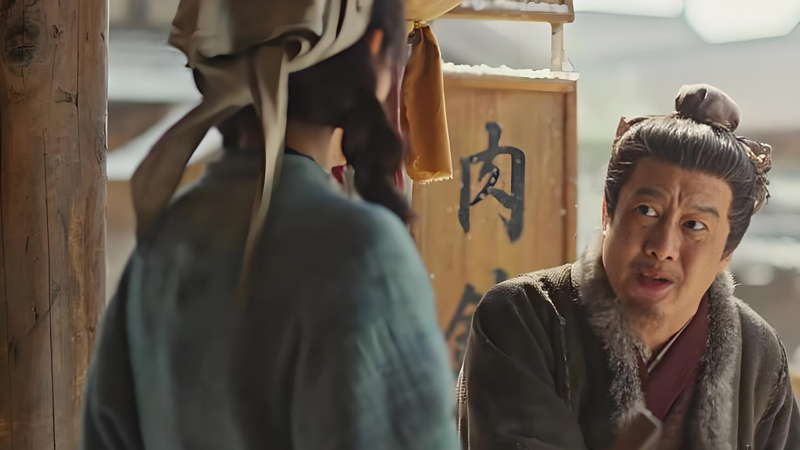
The true weight of his performance comes full circle during his own departure for the war. As he stands ready to leave, the words he cannot say are written across his face. He looks at the silver bracelet now on his wife’s wrist and promises to return and replace it with a gold one. This line, spoken with a mix of hope and grim awareness, encapsulates the entire tragedy of their situation. Yue Yang’s portrayal excels in its economy—he uses stillness and a few carefully chosen lines to convey a lifetime of love and the terror of potential loss. He takes a character who could have been a simple archetype and gives him a quiet dignity, making his journey into uncertainty one of the story’s most resonant threads.
3. Tian Xiwei (田曦薇)
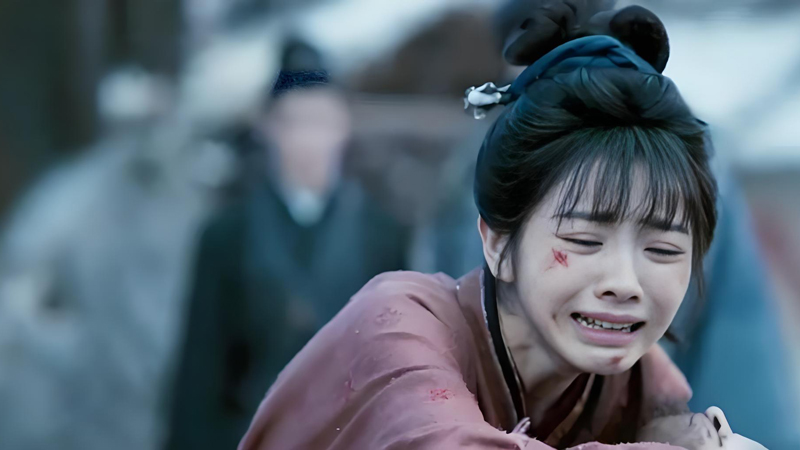
The ability to cry on cue is a technical skill, but to make those tears feel inevitable is the mark of a true artist. Tian Xiwei demonstrates this mastery, using crying not as a display of actorly prowess but as a precise tool for character development. Her tears come in different forms for different occasions—wracking sobs at the sight of a village’s destruction, silent, joyful streams when reunited with a lost sister, and a gentle, steady flow of concern beside an injured husband. Each instance is distinct, calibrated to the specific emotional reality of the scene. This control prevents the tears from becoming melodramatic, instead grounding her character’s intense experiences in a palpable, human vulnerability that invites the audience to share in her pain and relief.
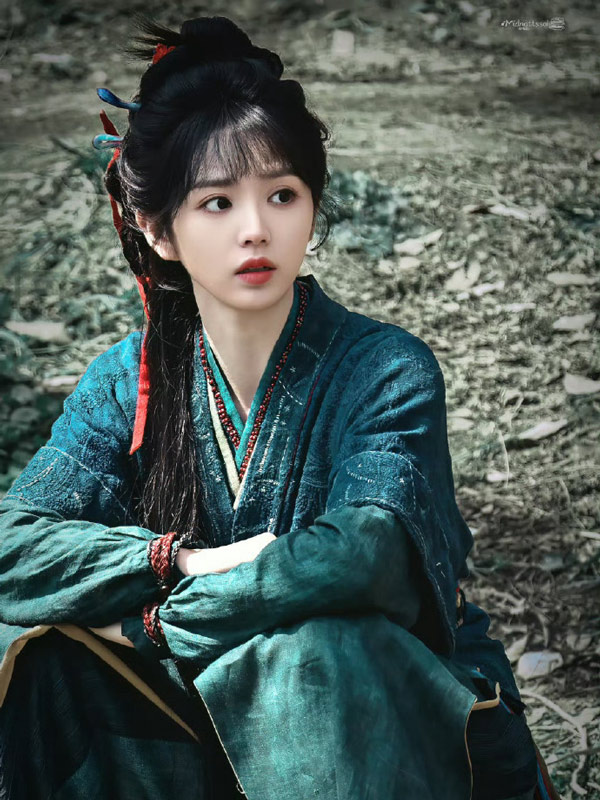
Yet her performance is not defined by vulnerability alone. When the story demands it, she unleashes a startling ferocity. In a pivotal scene where she takes her husband’s place in battle, facing a brute of a man, the gentle character transforms. Her eyes harden, her movements become sharp and desperate, embodying a raw, physical courage. Tian Xiwei handles this shift with a seamless physicality, making the transition from nurturing figure to fierce warrior believable. This duality is the core of the role, and she navigates it without leaning on exaggerated tropes. By balancing her character’s capacity for deep empathy with a hidden, formidable strength, she creates a portrait of a woman defined not by a single trait, but by the complex, often contradictory demands of her world.

4. Zhang Linghe (张凌赫)
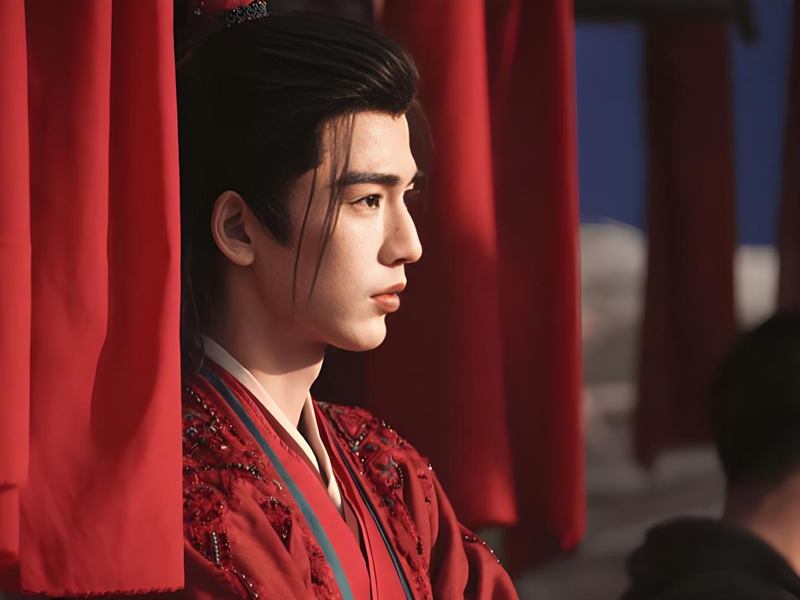
Some performers possess an innate screen presence that makes them compelling to watch, but Zhang Linghe goes a step further, demonstrating a refined control over the most subtle of acting tools: the gaze. His character, Xie Zheng (谢征), operates under a hidden identity, and the actor uses his eyes to delineate the two distinct personas he must inhabit. As a soldier in the camp, his look is direct, earnest, and filled with a quiet warmth, especially when interacting with his love interest. However, the moment he must assume his true role as Marquis of Wu’an (武安侯), a cold, commanding sharpness enters his eyes. This split-second transformation is not aided by costume or setting but is conveyed purely through a shift in his internal focus, making the character’s layered identity a visible, tangible thing.
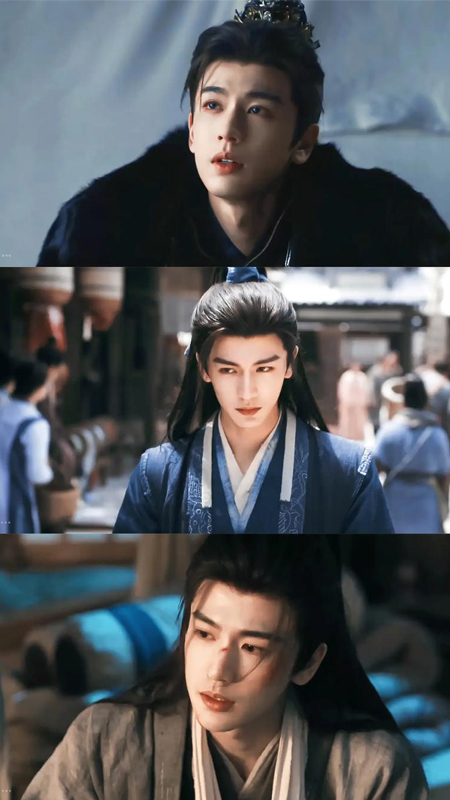
This technique reaches its peak when the two identities finally collide. When his secret is revealed, the character is forced to confront the deception, and Zhang Linghe’s performance pivots to express guilt and helplessness. The sharp gaze of the Marquis gives way to the pained, apologetic eyes of the man. It is in these micro-expressions—a slight furrow of the brow, a fleeting look of shame—that the actor adds depth to what could have been a standard romantic lead. He proves that a character’s complexity is not always in their dialogue but in the unspoken conflicts that play out on their face. For a drama often categorized as a light romantic fantasy, his performance injects a welcome level of psychological nuance, elevating the material and justifying his character’s central role in the plot.
5. Yan Yikuan (严屹宽)
A brief appearance can sometimes leave a more lasting impression than a starring role when the actor understands the power of stillness. Yan Yikuan appears for mere minutes across the series as Wei Yan (魏严), the imperial chancellor, yet his presence looms over the entire narrative. He embodies the character through a masterful use of physicality and restraint. There is a palpable heaviness to his posture, a sense that every movement is calculated and every word is a strategic resource. He does not need to shout or scheme in the open; his authority is conveyed through the space he occupies and the silence he commands. In a story filled with action and overt emotion, his performance serves as a reminder that true power often operates in the shadows, expressed through stillness.
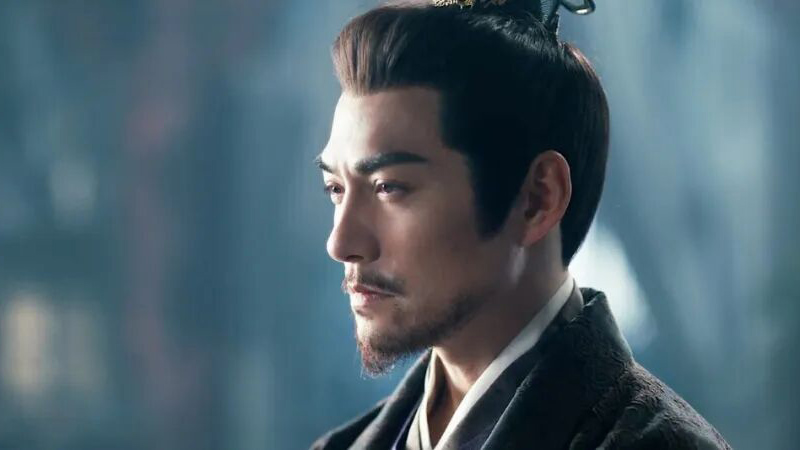
A single, telling moment encapsulates his entire approach. When his son brings news that a key rival has survived, the actor’s face remains a mask of composure. Yet, in a flicker so subtle it could be missed, his eyes betray a flash of regret—a micro-expression that reveals the secret machinations beneath the calm exterior. It is this type of finely-tuned detail that defines his contribution. Yan Yikuan understands that for a character shrouded in mystery, the most revealing moments are not in what he says, but in what he almost shows. His performance is a masterclass in economy, proving that a performer can achieve a monumental impact with limited screen time by trusting in the audience’s ability to read the unspoken.

6. Kong Xu'er (孔雪儿)
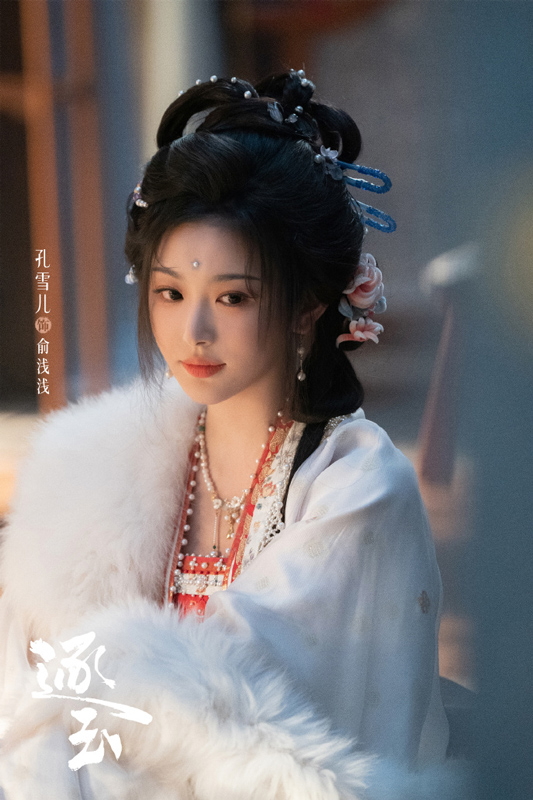
As Yu Qianqian (俞浅浅), the proprietor of Yixiang (溢香) Restaurant, Kong Xue'er initially embodies a sharp, capable woman used to navigating the treacherous waters of her world. She handles crises with a seasoned calm, her beauty tempered by a visible toughness. Yet, this composure is built on a foundation of survival, a life where trust is a luxury she cannot afford. Her performance in the early episodes establishes a baseline of strength, making her subsequent unraveling all the more devastating to witness.
The facade shatters not with a confrontation, but with a quiet, visceral moment of maternal fear. When her son becomes a pawn in Qi Min’s (齐旻) game, her resilience crumbles. Kong Xue'er plays this collapse not with melodrama, but with a raw, internalized agony. The tears she holds back are more potent than any outburst, her defiant eyes betraying a profound, helpless fury. This is a woman whose strength is her armor, but her child is the chink in it, and the actor conveys this vulnerability with piercing authenticity.
Her surrender to Qi Min is a masterclass in restrained emotion. It’s in the way she forces her body to still, the subtle tremor in her jaw as she accepts her fate. The “reluctance and resilience” the audience perceives isn’t stated in dialogue but is etched into her posture and the haunted look in her eyes. Kong Xue'er doesn’t just act the scene; she inhabits the paradox of a woman broken by circumstance yet still burning with an unquenchable inner fire, securing her place as a performer of genuine caliber.

7. Deng Kai (邓凯)
Deng Kai has earned his reputation as a “supporting role ceiling,” and his portrayal of Qi Min justifies every bit of that praise. He plays the deposed royal descendant not as a simple villain, but as a man shaped by profound trauma. The character’s twisted psychology and overwhelming bitterness are rendered not through grand gestures, but through the simmering tension in his eyes. Qi Min is a walking wound, and Deng Kai ensures the audience feels the source of his pain, even as they recoil from his actions.
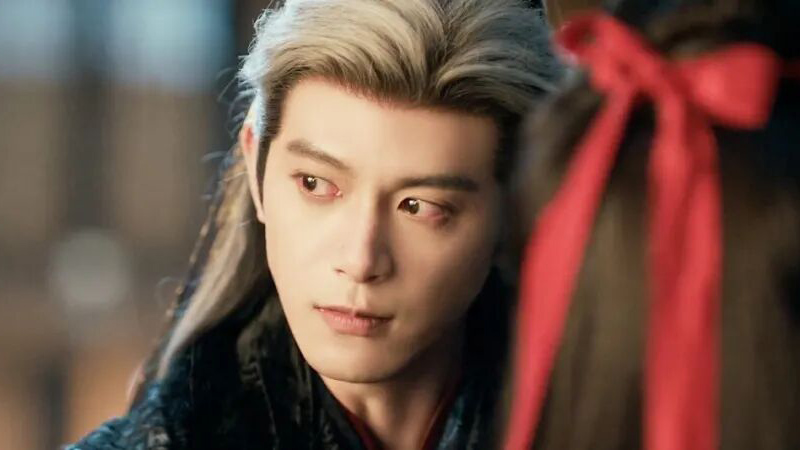
The actor’s skill is most evident in the scene where Qi Min threatens a child. There’s a fleeting moment of hesitation, a flicker of remaining humanity, before Yu Qianqian’s defiance ignites his fury. Deng Kai’s face transforms in an instant; the initial malice gives way to a cold, lethal intent. This isn’t a cartoonish shift, but a horrifyingly believable descent. The viewer sees the warring impulses within him, the trauma overriding any vestige of morality, all conveyed through the tightening of his features and the chilling focus in his gaze.
Perhaps his most impressive feat is the subsequent emotional pivot. When Yu Qianqian finally submits, Deng Kai lets the menace dissolve, replaced by a triumphant, almost childlike gleam in his eye. It’s a terrifyingly accurate depiction of a controlling personality: his satisfaction comes not from the act itself, but from the breaking of another’s will. This “smooth emotional transition” is a testament to his precise control over his micro-expressions, making Qi Min a deeply unsettling and unforgettable character.
8. Lin Muran (林沐然)
At only nineteen, Lin Muran took on the complex role of Sui Yuanqing (随元青), delivering a performance of chilling maturity that belies his age. He masters the character’s central paradox: a youth with a disarmingly pure smile who is capable of ruthless violence. This duality is not presented as a split personality, but as a seamless whole. When he smiles at the innocent townsfolk, there’s a genuine sweetness, yet a seasoned viewer detects the latent threat beneath, a foreshadowing of the brutality he can unleash.
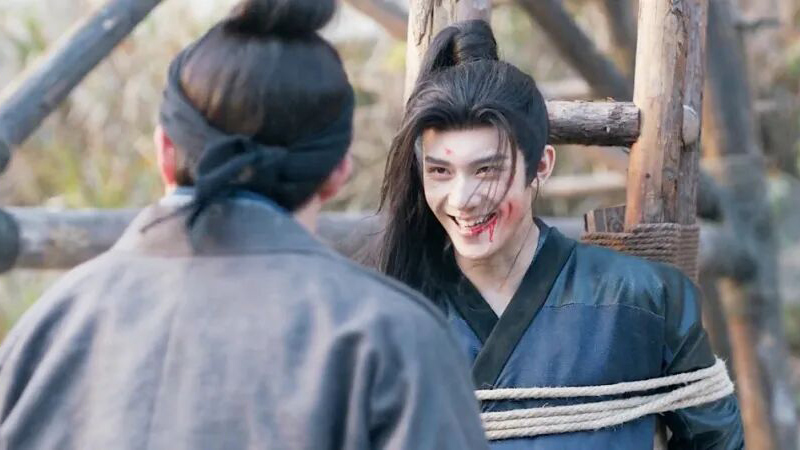
This dichotomy explodes in the scene where he wields his spear. The “ferocity and murderous aura” are not just in the action, but in the dead calm of his eyes. Lin Muran shifts from tranquility to lethal precision with a fluidity that suggests the violence is not an aberration, but a core part of his being. He doesn’t need to snarl or rage; the menace is intrinsic to his stillness, making the sudden eruption of violence feel both shocking and inevitable. It’s a performance built on restraint, where the greatest threat is held in reserve.
His skill is further demonstrated in a scene of degradation. When the “pig-killing squad” slaps him repeatedly, Sui Yuanqing initially responds with a defiant, almost maniacal grin. Lin Muran lets this bravado slowly erode. The repeated blows provoke a gradual, escalating fury. The audience witnesses the character’s pride being dismantled, his arrogance turning to raw, humiliated rage. It’s a layered, physically demanding performance where he charts the precise moment defiance gives way to unhinged anger, proving his remarkable alignment with the role and a bright future ahead.
9. Li Qing (李卿)
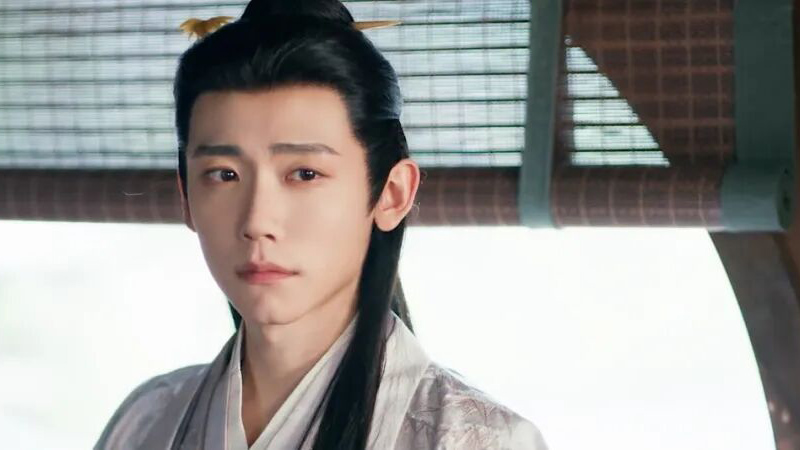
As the strategist Gongsun Yin (公孙鄞), Li Qing embodies intellectual poise and restraint. Dressed in the refined demeanor of a military advisor, his character is defined by what he doesn’t say. He is a man of logic and strategy, yet his heart betrays him when in the presence of Qi Shu (齐姝). Li Qing’s performance is a study in controlled emotion, where the most significant moments are the small, involuntary cracks in his composed facade.
One such moment occurs when Qi Shu playfully walks away with a chess manual. As her back turns, Li Qing lets his professional mask slip for a fleeting second. His eyes fall, and the audience is allowed a glimpse of the profound disappointment he harbors. There’s no dramatic sigh or lament; just a subtle deflation, a quiet acceptance of an unrequited feeling. Li Qing captures the specific ache of a rational man undone by emotion, a feeling he is too disciplined to voice but unable to completely conceal.
Later, in a military camp, he hears of Qi Shu’s bravery in testing herbs to save wounded soldiers. His admiration is not declared, but it’s visible in the softening of his gaze. Li Qing’s eyes glisten with unshed tears, a reaction born of respect and deep affection. This moment of vulnerability is magnified by his usual composure; the emotion is more powerful because it is so hard-won. Through these “delicate emotional transitions,” Li Qing makes Gongsun Yin a character of profound depth, whose silence speaks volumes about his inner world.
10. Yu Zhongli (喻钟黎)
Yu Zhongli steps into the role of the Grand Princess, a woman who abandons the trappings of royalty for a chance at love. Her affection for Gongsun Yin is the driving force of her character, and Yu Zhongli portrays it with an intensity that is both fierce and vulnerable. When her feelings are rejected, the actor doesn’t resort to theatrical sobbing. Instead, she conveys a heart-wrenching sorrow, her tears falling not in a dramatic outburst, but as an inevitable, quiet consequence of her dashed hopes. Her subsequent, resolute departure speaks of a strength born from this very pain.
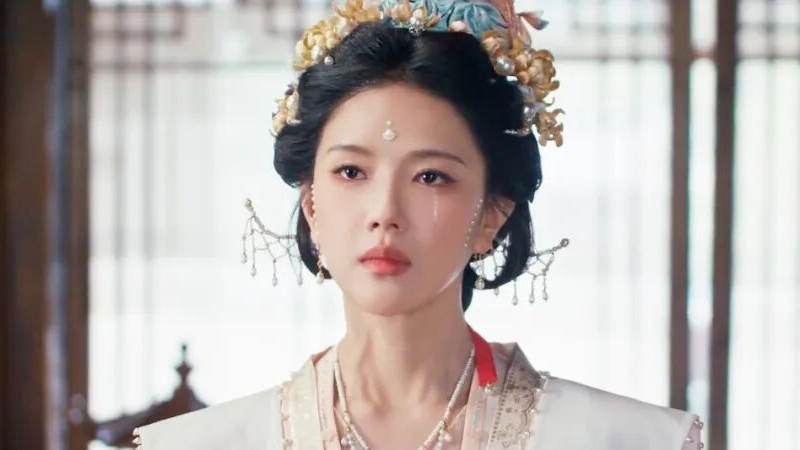
This storyline, seemingly concluded, is given new life when the characters reunite in a military camp. The Grand Princess’s initial joy at seeing Gongsun Yin is palpable, a flicker of her old hope. However, Yu Zhongli plays the subsequent scenes with a new maturity. When she later falls ill from testing herbs, and he comes to her side, her explanation for being at the camp is purposefully devoid of personal emotion. She speaks of duty, carefully avoiding the subject of their past.
Yet, it is in the silence that Yu Zhongli delivers her most powerful work. As she gazes at the man she loves, her eyes fill with tears. This is not the sorrow of rejection, but the complex, bittersweet emotion of still caring deeply while accepting a difficult reality. She is “clear-headed yet full of genuine feeling,” a woman who understands the impossibility of her situation but cannot will her heart to be indifferent. Yu Zhongli captures this nuanced emotional state with remarkable clarity, making her brief screen time resonate with authenticity and grace.

Beyond the Script
The camera doesn’t lie. When Zhang Linghe and Tian Xiwei step before it, they don’t just recite lines—they disappear. Director Feng’s (冯) words ring true. Their immersion breathes life into every glance and hesitation. It’s that quiet focus, that raw honesty, which turns a simple frame into a living, breathing moment. The production Pursuit of Jade finds its pulse not in spectacle, but in these artists. They offer up a vivid gallery of souls, each one distinct and achingly real. This is where the story lives—not on the page, but in the space between their hearts and ours.

