
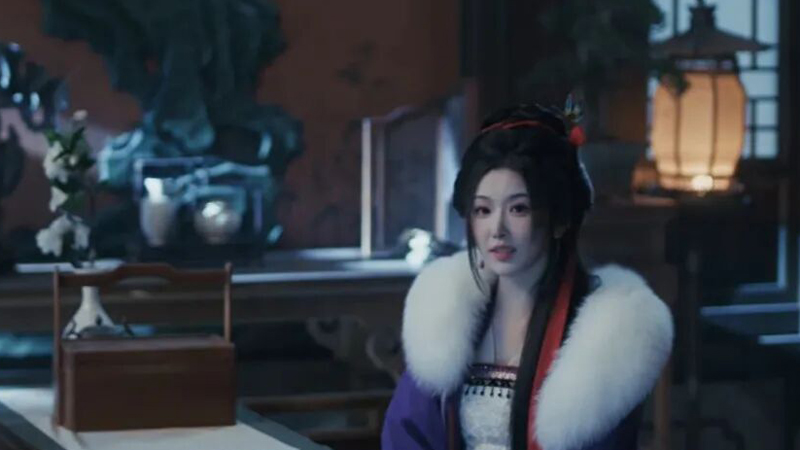
Why Does a Father Order His Own Son Killed? In the ruins of Chongzhou (崇州), a prince escapes with a deadly order: bring back the woman he loves, but kill the child they share. This is the chilling question at the heart of Pursuit of Jade (逐玉), a drama where blood ties become a death sentence. As Xie Zheng’s (谢征) Bloody Robed Guard closes in, the fugitive prince makes a ruthless choice that defies nature itself. To understand it, one must look past the surface of a villain and into the twisted logic of survival, jealousy, and a throne built on sand.
An Unwanted Legacy
The child, Bao’er (宝儿), was never meant to exist. Conceived not from love but from manipulation, his very cells are a reminder of the prince’s greatest humiliation. At a time when his body was failing, a trusted servant drugged both him and the woman he desired, forcing an intimacy neither would have chosen. For the prince, the boy is not a son but a symbol of his own lack of control, a living testament to a moment where he was reduced to a pawn in someone else’s game.
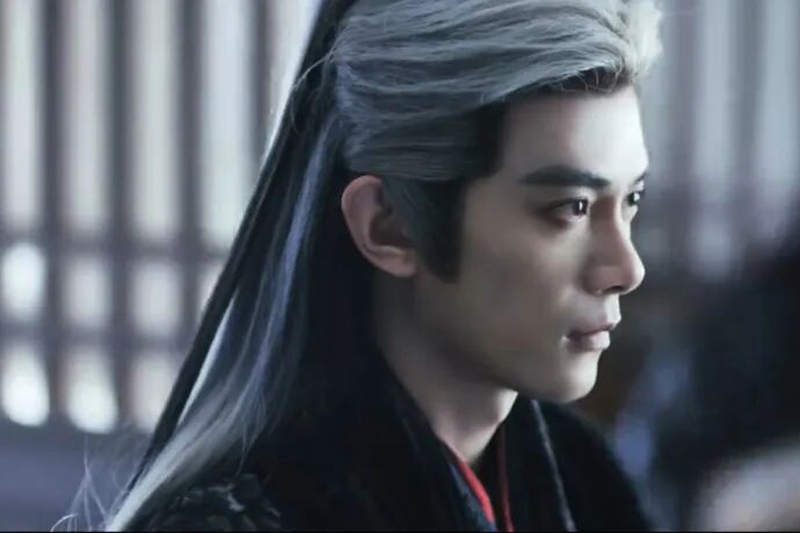
This origin poisons everything. Where most see a child, he sees a usurper. The prince has spent his life in the shadows, waiting for his moment. The arrival of a healthy, legitimate heir—one created without his consent—feels less like a continuation of his line and more like a replacement being groomed behind his back. In his mind, the people who created Bao’er would have no qualms about discarding the flawed original in favor of a newer, more pliable model. The child’s existence is a threat written in blood.
An Affection He Cannot Own
Yu Qianqian (俞浅浅) is the one thing he has always wanted and never truly possessed. A woman from another time, she carries a modernity that resists his feudal brand of possessiveness. His attempts to force his love upon her only push her further away. She does not see his obsession as devotion, but as a cage. The only thing she freely gives her heart to is Bao’er.
To the prince, this is an unforgivable betrayal. He watches from the sidelines as she pours her soul into raising their son, teaching him, protecting him—giving him the warmth she withholds from the father. It is a searing, silent jealousy. He cannot command her love, but he can erase the rival who effortlessly receives it. The child becomes the focus of a bitter envy, a daily reminder of the natural, unforced bond that exists between mother and son, a bond he can never infiltrate.
A Political Liability
Beyond the personal slights lies a cold, practical truth: in the brutal calculus of a succession war, a spare is a liability. The prince’s claim to the throne is already fragile, resting on a lifetime of careful scheming despite his own physical weakness. Bao’er is healthy. Bao’er is young. Bao’er can be molded. To any ambitious faction looking to control the throne for decades to come, the son is the superior option.
The prince knows this all too well. The very same nurse who orchestrated his son’s conception proved that those closest to him are willing to act against his interests. If they saw the child as a suitable replacement once, they will again. His own survival hinges on eliminating the alternative. The order given to his shadow guards is the ultimate expression of this fear: either return the boy to his control, where he can be monitored and neutralized, or ensure he never becomes a tool for another. It is not a father’s rage, but a ruler’s preemptive strike against a future rival.
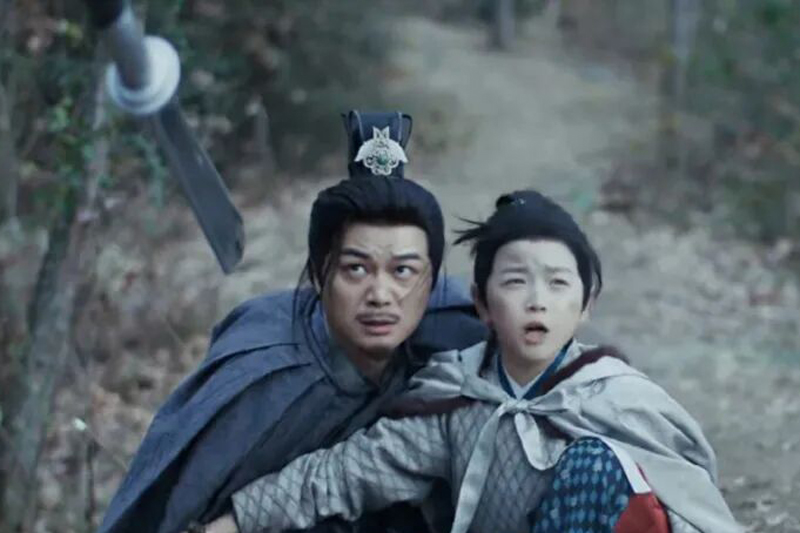
When the shadow guards finally return, they bring only a wounded Yu Qianqian. The child is gone, saved not by his father’s mercy but by the intervention of Fan Changyu (樊长玉). In that failure, the prince’s carefully laid plans unravel. The son he sought to extinguish becomes a living thread that will pull his entire world apart, proving that in the game of thrones, the most dangerous enemy is often the one you try to erase before they can even walk.
