
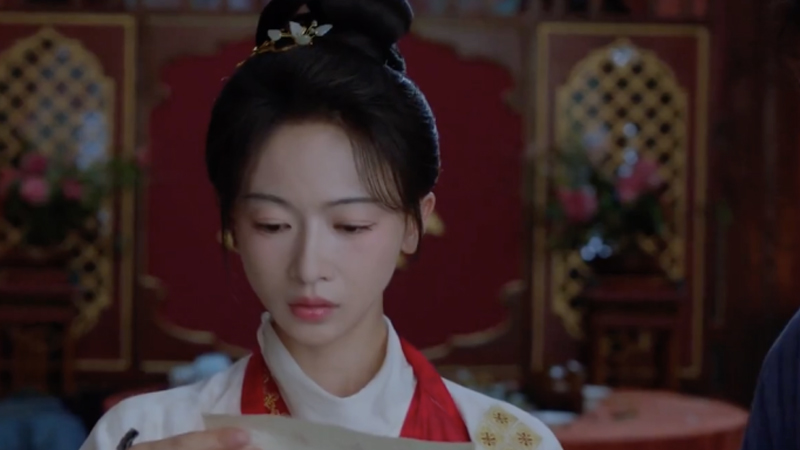
Royal Betrothal (御廷谣), Chawen Yuan (察闻院), Huxiao Bang (虎啸帮), Changle Street (长乐街), Wanxiang Pavilion (晚香阁), Wuqiong Wan (无穷丸). The drama Royal Betrothal delivers a tense standoff where one woman’s calculated confession flips the script on revenge. Why would Meng Tinghui (孟廷辉) deny killing Liu Ruyan (柳如烟), then admit it minutes later—knowing full well the accusation is false? The answer lies not in guilt, but in a desperate gamble to save someone she loves more than her own life. Set against the shadowy alleys of Changle Street, this moment forces us to ask: when logic fails, can deliberate rage become the only rational weapon?
When Denial Fails, Confession Wins
Meng Tinghui walks into the lion’s den alone. Ling Yunfe (凌云飞) holds Yan Fuzhi (严馥之) hostage, demanding blood for Liu Ruyan’s death. She knows the truth—Liu was murdered by an unknown hand, and she arrived too late. Yet her initial explanation, calm and factual, lands on deaf ears. Ling’s grief has curdled into blind fury; he does not want reason, he wants a target. So she pivots. She drops her alibi and declares, “I killed her.” She even fabricates gruesome details of Liu’s last moments. Why trade innocence for condemnation?
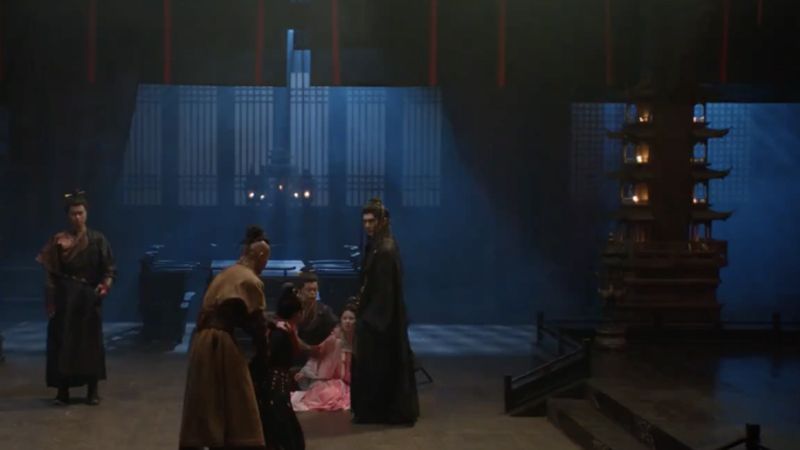
Because innocence is useless here. Ling has already decided she is the enemy. The Huxiao Bang has lost dozens of members to her investigations; their gambling dens and bribes crumbled under her scrutiny. To him, she is the architect of every ruin. By denying, she only prolongs his suspicion without buying any leverage. But by confessing, she seizes control of his fury. She redirects his hatred from the hostage to herself. It is not a surrender—it is a magnet for his violence, pulling it away from Yan Fuzhi.
She also buys time. Every second she spends describing Liu’s fictional last breath is a second Ling does not hurt Yan. She knows her allies—Ying Gua (英寡) and his team—are closing in, but distance and obstacles delay them. Confession stretches the clock. It turns a monologue of revenge into a dialogue of rage, and rage, she bets, is slower than precision. She is not seeking forgiveness; she is seeking a pause, however bloody, until rescue arrives.
The Sisterhood Above Survival
Yan Fuzhi is not just a friend. She is family—the only person who stood by Meng through the court’s conspiracies and the street’s dangers. Meng’s own life carries less weight than Yan’s safety. This is not noble sacrifice in the abstract; it is raw, personal arithmetic. She dragged Yan into this war when she chose to hunt the Huxiao Bang. Yan never asked for that role. So when Ling’s blade hovers over Yan’s throat, Meng sees her own failure written in that steel. She cannot undo the past, but she can absorb the future blow.
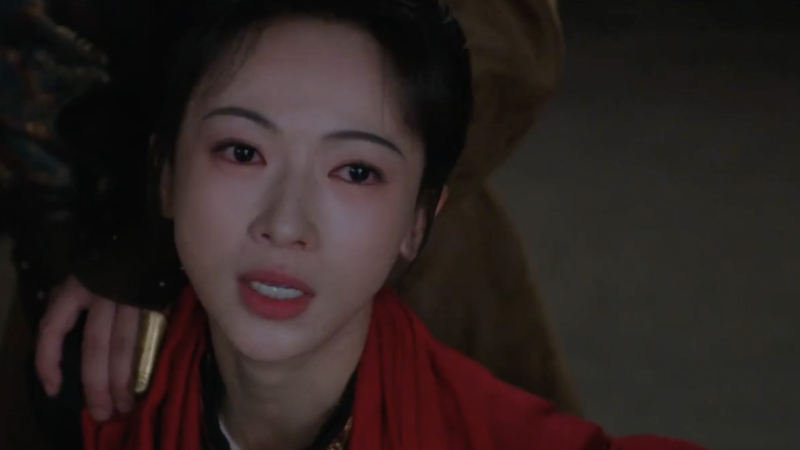
Her confession is a shield. She knows Ling will not believe a second denial—he has already dismissed her first. But a dramatic reversal? That shocks him. That makes him focus on her, not on the trembling woman beside him. She paints Liu’s death with lurid strokes: the angle of the wound, the look in her eyes, the whisper she supposedly uttered. Every lie is a thread that ties Ling’s attention to her. She does not care if he hates her more; she cares that he hates her instead of Yan.
This tactic carries a terrible cost. She cannot predict his next move. He might kill her on the spot. He might torture her slowly. But she calculates that as long as she is the confessed killer, he will not waste his vengeance on a secondary hostage. Yan becomes irrelevant to his revenge—and irrelevance, in that room, is the safest state. Meng trades her own safety for that irrelevance. It is not heroic; it is desperate. But desperation, when you have nothing left to lose, often looks like courage.
Time as the Only Ally
She stalls, but stalling has limits. Ling, enraged by her lurid tales, shoves Wuqiong Wan—a lethal poison—down Yan’s throat. The drug does not kill instantly; it gives a narrow window for an antidote. Meng fails to prevent that act. Her strategy bought minutes, not miracles. Yet even that failure carries a sliver of hope. Because Yan is still breathing. Because the poison’s delay means they can search for a cure. Because Ying Gua’s footsteps are finally audible outside.
Meng never expected to win by outsmarting Ling. She expected to survive long enough for reinforcements. And survival, in this game, is not about being right—it is about being present when help arrives. Her confession was never meant to persuade; it was meant to endure. She let him vent his wrath on her words, her face, her body, so that Yan’s body remained intact. Now, with poison in Yan’s veins, the battle shifts from immediate murder to medical race. That shift is Meng’s victory, however small.
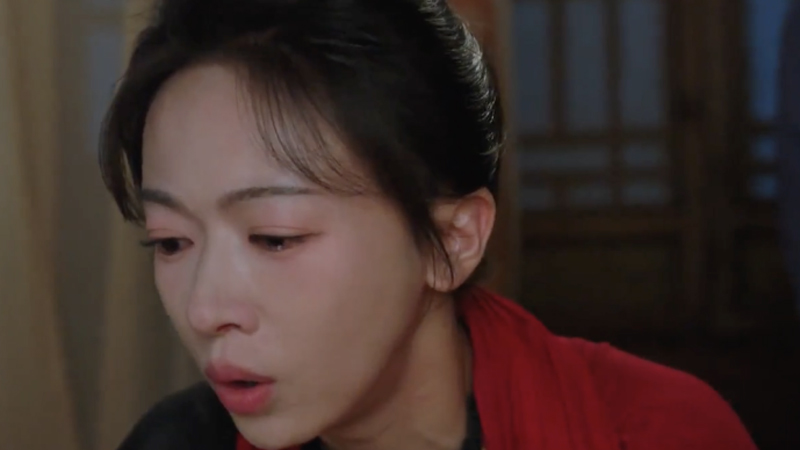
Emotion clouds judgment—that is a cliché for a reason. But Meng understands that Ling’s fury is not irrational; it is selective. He chooses to believe the confession because it feeds his need for closure. She exploits that selection. She does not fight his emotion; she rides it, steering it toward herself like a lightning rod. In the end, she cannot save Yan from poison. But she saves her from a blade. And a poisoned friend, she reasons, is still a living friend. Living means possibility. Possibility means tomorrow.
