-

Did Royal Betrothal et Ancient Uniforms Right?
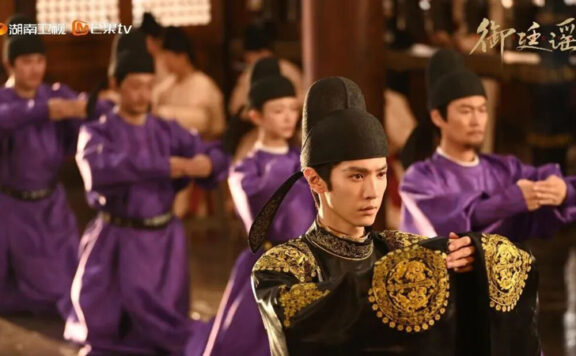
A strange thing happened this school year: Shenzhen (深圳) school uniforms became an online fashion topic. At the same time, viewers of Royal Betrothal (御廷谣) noticed Wu Jinyan (吴谨言) in a girls’ academy outfit. The robe looked clean, elegant, and oddly modern. It made people ask: did ancient Chinese students have uniforms too? The short answer is yes, but not in the way we imagine. Ancient dress followed rank, ritual, and occasion. Two garments matter most here: the round-collar robe for daily life and the scholar’s hemmed robe for formal study. Their story stretches across northern horsemen, Tang palaces, Song academies, and Ming classrooms. It also explains why some costume dramas look convincing while others feel like a closet accident. Round-Collar Clues The round-collar robe did not begin in central China. It came from northern nomadic groups, moved south during the Wei, Jin, and Southern-Northern Dynasties (魏晋南北朝), and became standard in the Tang Dynasty. A typical set paired a narrow-sleeved long robe with a futou (幞头) headwrap, a diexie (蹀躞) belt, and black leather boots. In early Tang, it belonged mainly to men. Officials wore colors and patterns tied to rank; emperors and ministers appear in it in Emperor Taizong… -
Royal Betrothal: Situ Xue’s Tragedy of Devotion and Loneliness
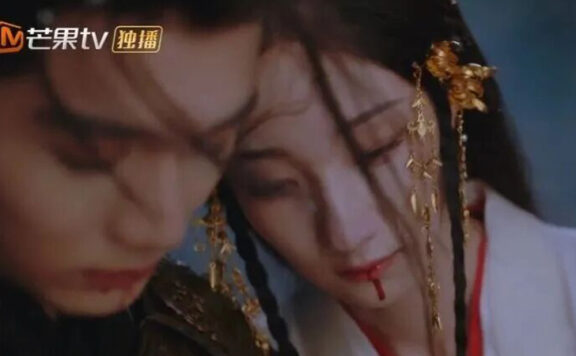
In the final episodes of Royal Betrothal (御廷谣), the audience watches three characters meet their fates. Di Nian (狄念) leaves the capital without regret. Yin Qing (尹清) dies as a consequence of his choices. Yet it is Situ Xue (司徒雪) whose suicide leaves viewers unsettled. She has skills. She has a business. She has a future. Unlike the others, she does not fall to an enemy blade or choose exile for a higher purpose. She simply gives up. The show frames it as devotion. But close watchers of the drama see something more complicated. Situ Xue is not a victim of circumstance. She is a victim of isolation. And her death, unlike the other two, was never inevitable. The Debt That Never Needed Repayment Situ Xue owes Yin Qing her life. After the fall of Zhongwan (中宛), she lost her entire family. The local magistrate of Shunzhou (顺州) took her as a household servant. He abused her daily. By the time Yin Qing found her, she was broken. He saved her. He taught her swordsmanship. He told her to stand tall and live with dignity. Under his guidance, she learned medicine and opened a shop called Huiyin Fang (汇音坊). The…- 131
- 0
-
Royal Betrothal: Shen Zhili Treats Di Nian’s Bloody Wounds
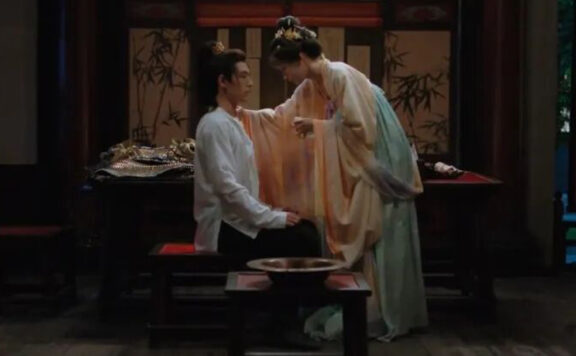
Royal Betrothal (御廷谣) has a scene that stops viewers cold: Shen Zhili, a woman who famously faints at the mere sight of blood, calmly cleans and dresses Di Nian’s (狄念) wounds without so much as a wobble. How does she manage it? The answer lies not in a magical cure but in three gritty truths—desperation, devotion, and a dose of hard-won grit. Let’s break down why this “fainting flower” suddenly finds her spine when it counts most. No One Else Is Standing The Cha Wen Yuan (察闻院), once the old Ministry of Justice’s interrogation side hall, carries a reputation as a “haunted house.” Early on, Yin Qing (尹清) performed exorcism rites there, and Shen Zhili passed out twice just from seeing blood on his mouth. Her condition is no joke. But on that particular day, the compound is a ghost town of duty. Meng Tinghui (孟廷辉) is glued to Yan Fuzhi’s sickbed, unable to move. Shen Zhishu (沈知书), lovesick and distracted, is useless for practical help. Yin Qing himself is racing around hunting for an antidote. That leaves Di Nian—wounded, exhausted from a daylong search for Ling Yunfeng—and Shen Zhili. The math is brutal: if she doesn’t step up, no…- 92
- 0
-
Yuan Lingyi’s Final Revenge in Royal Betrothal
Yuan Lingyi (袁令仪) in the historical drama Royal Betrothal (御廷谣) made a choice that haunts viewers: she let her husband, Right Chancellor Gu Qin (古钦), stab her to death while carrying his child. Why didn’t she just say, “I’m pregnant”? That single truth could have saved her. It would have given her leverage, protection, and a future. Instead, she swallowed the secret and walked into his blade on purpose. This isn’t a story about a woman who lost her voice. It is about one who weaponized her silence. She didn’t want to live under his mercy. She wanted him to live with something worse: the gnawing knowledge that he destroyed his own heir. Her death wasn’t a surrender; it was a setup. And the drama’s power lies not in what she said, but in what she refused to say. Why She Chose the Blade Over the Truth Yuan Lingyi had tried for years to conceive. She drank bitter herbs. She visited temples. She endured whispers from court ladies who called her barren. When her period finally stopped, she should have felt joy. Instead, she felt a cold knot in her stomach. Because at that same moment, she learned that her…- 161
- 0
-
Ying Gua Chooses Ruin With Meng Tinghui in Royal Betrothal
In the court drama Royal Betrothal (御廷谣), the relationship between Emperor Ying Gua (英寡) and his minister Meng Tinghui (孟廷辉) defies easy labels. Their connection, built on mutual use and shared danger, steadily transformed into something deeper. When she consumes a Hehuan fruit (合欢果)—a substance meant to boost fertility and desire—her actions cross a line. Yet he, who only took a single bite and remained clear-headed, does not stop her or withdraw. He willingly steps into the ruinous path beside her, fully aware of the consequences. This moment forces a question that lingers throughout the narrative: why would a ruler, so cautious and strategic, let himself fall into such a trap when he could have easily prevented it? The answer lies not in the fruit but in everything that came before. More Than Just Ruler and Subject Their relationship never followed the standard script for a monarch and his official. Their exchanges were frequent, charged with an energy that set them apart from his interactions with anyone else. As they worked together, understanding grew into trust, and trust quietly bloomed into affection. No declarations were made, yet both knew. Even the people around them could sense the unusual bond. They…- 69
- 0
-
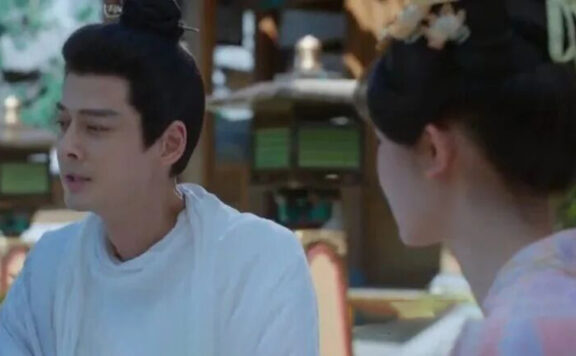
Why Everyone Is Irrational in Royal Betrothal
Do We All Secretly Crave Control Masquerading as Love? The hit period drama Royal Betrothal (御廷谣) has sparked a curious debate. Viewers call the lead characters "love-brain" individuals—people who prioritize romance over logic, even when the evidence against their beloved is overwhelming. But what if that label misses the point? What if Shen Zhili (沈知礼), the Emperor, and even the seemingly manipulative Prime Minister are not lovesick fools, but products of a specific psychological hunger? The real question isn't "Why are they so blind?" but "What exactly are they getting out of this blindness?" The answer, it seems, has less to do with pure affection and more to do with a desperate search for authenticity in a world of polished deference. The Forbidden Critique Shen Zhili is the cherished daughter of a powerful, loyal family. She lacks nothing—except, perhaps, the one thing she craves: honest friction. Her family's love manifests as protection and praise, a gentle but suffocating bubble. Her father's dinner table advice is always aimed at her brother, a reminder of the boundaries placed on her. Her ambition to become an official is a quiet rebellion. Then comes her mentor, the Prime Minister. He is the first person…- 69
- 0
-
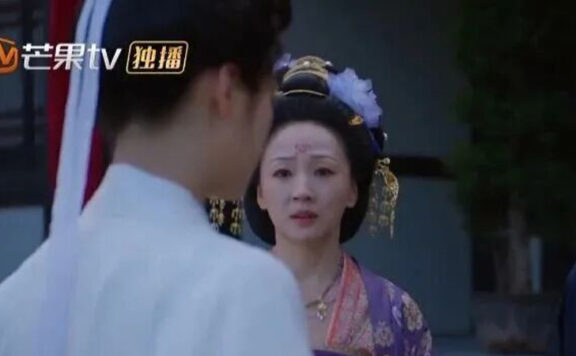
Who Misses Shen Zhishu Most in Royal Betrothal?
When a Faked Death Reveals the True Heart: The Unspoken Bond in Royal Betrothal (御廷谣) A man stages his own death. His parents weep. His betrothed braces for loss. But the one who unravels completely is not family, not his lover—it is the emperor himself. In the Tang dynasty palace intrigue of Royal Betrothal, Shen Zhishu (沈知书) does not truly die; he falls into a coma and is spirited away by the Blood Moon Society. Yet his disappearance triggers a devastating chain of grief and revelation. For those left behind, the question is not whether he lives, but why his absence cuts deepest in the man who wears the dragon robe. This story flips the expected script: the sovereign, surrounded by sycophants and spies, finds his only true anchor in a friend who pretended to be a playboy—and now that friend is gone. The Grief Behind the Mask When Yan Fuzhi (严馥之) travels from Shazhou (沙州) to deliver the news of Shen Zhishu’s passing, she walks into a house already hollowed by dread. His parents wail openly, but their sorrow carries a sharper edge: regret. His father admits he never gave Shen Zhishu a coming‑of‑age gift, because he had long…- 446
- 0
-
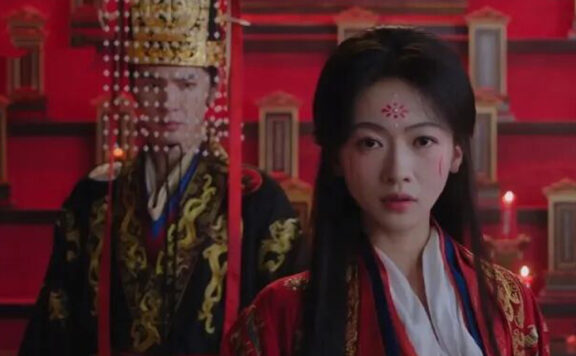
Plot Holes in the Finale of Royal Betrothal
Royal Betrothal (御廷谣) – a political thriller draped in imperial robes – just dropped its final episodes. And the online chatter? It’s less about grand strategy and more about gaping plot holes. A beloved general dies off-screen. An elderly, frail minister throws himself onto a sword when dozens of young warriors stand idle. The grand emperor’s wedding looks like a budget village fair. Did the writers run out of ink, or is there a method to this seeming madness? Let’s dissect the three biggest logic fractures that have fans scratching their heads, while also giving credit where it’s due – to one brilliantly unhinged villain. The Wedding That Wasn’t The setup was classic Royal Betrothal: to flush out a traitorous sect, the emperor Ying Gua (英寡) agrees to marry Meng Tinghui (孟廷辉), his sharp-witted strategist. Their nuptials were supposed to be a trap – a glittering stage for an assassination attempt. Instead, the set design looked like it was borrowed from a minor official’s second wedding. Compared to the earlier, far more lavish ceremony for side characters, this imperial union felt almost insultingly cheap. It’s a jarring visual dissonance. For a drama that prides itself on meticulous court politics, such…- 1.1k
- 0
-
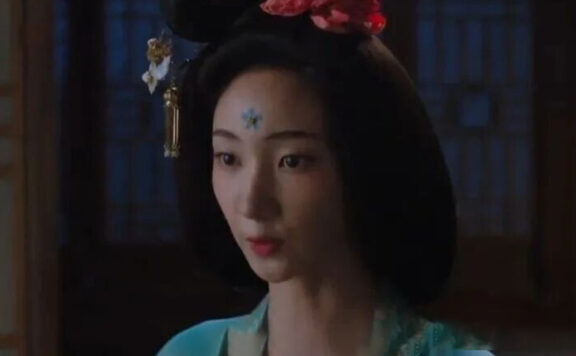
Why Yin Qing Ordered Yan Fuzhi Saved in Royal Betrothal
Royal Betrothal (御廷谣) is a period drama, a category that usually thrives on palace intrigue, historical conspiracies, and the delicate balance between public duty and private desire. The story often creates a tangled web of loyalty, secrets, and political maneuvering, and in its world, a single act of mercy is rarely just a kind gesture. When one character offers a life-saving antidote to another, it is never simply an act of goodwill; it is a calculated move or a desperate necessity. The decision of a key figure to save a dying woman forces us to look beyond the surface, asking if this is a show of friendship, a political play, or an order from a higher, hidden power. In the narrative of Royal Betrothal, the relationship between the characters is defined by a complex hierarchy of power and affection. When Situ Xue (司徒雪) decides to use her precious Ice Soul Pill to save Yan Fuzhi (严馥之), the action seems to challenge her own interests. She had already become friends with Meng Tinghui (孟庭辉), the Emperor’s favored official. She could have easily pretended not to know about Yan Fuzhi's poisoning. The decision to intervene reveals that there is more at stake…- 326
- 0
-
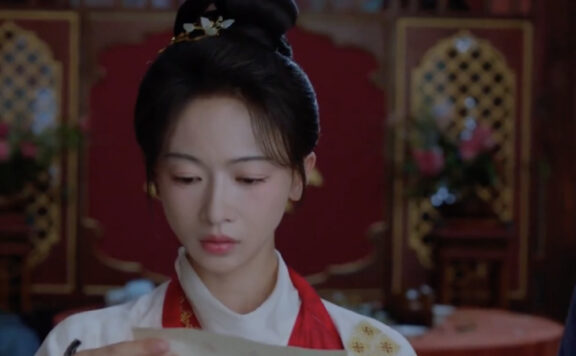
Why Meng Tinghui Took the Blame in Royal Betrothal
Royal Betrothal (御廷谣), Chawen Yuan (察闻院), Huxiao Bang (虎啸帮), Changle Street (长乐街), Wanxiang Pavilion (晚香阁), Wuqiong Wan (无穷丸). The drama Royal Betrothal delivers a tense standoff where one woman’s calculated confession flips the script on revenge. Why would Meng Tinghui (孟廷辉) deny killing Liu Ruyan (柳如烟), then admit it minutes later—knowing full well the accusation is false? The answer lies not in guilt, but in a desperate gamble to save someone she loves more than her own life. Set against the shadowy alleys of Changle Street, this moment forces us to ask: when logic fails, can deliberate rage become the only rational weapon? When Denial Fails, Confession Wins Meng Tinghui walks into the lion’s den alone. Ling Yunfe (凌云飞) holds Yan Fuzhi (严馥之) hostage, demanding blood for Liu Ruyan’s death. She knows the truth—Liu was murdered by an unknown hand, and she arrived too late. Yet her initial explanation, calm and factual, lands on deaf ears. Ling’s grief has curdled into blind fury; he does not want reason, he wants a target. So she pivots. She drops her alibi and declares, “I killed her.” She even fabricates gruesome details of Liu’s last moments. Why trade innocence for condemnation? Because innocence…- 54
- 0
-
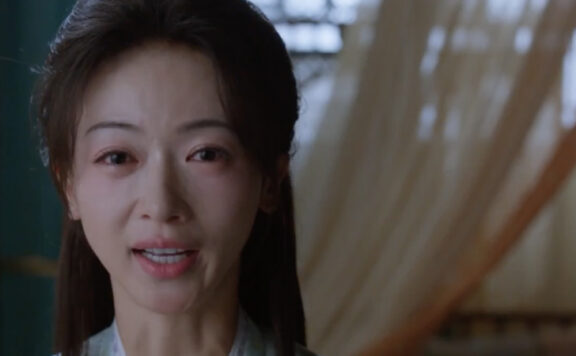
Why Meng Tinghui Rejects Love in Royal Betrothal
The forbidden love between a low-born official and a sovereign emperor is a tale as old as time, but what happens when the one who should be swept away is the one slamming the brakes? In the political whirlwind of the Royal Betrothal (御廷谣), Meng Tinghui (孟廷辉) stands at the center of a storm. She owes her life and career to Emperor Ying Gua (英寡), yet when her best friend, Yan Fuzhi (严馥之), accuses her of harboring romantic feelings for him, she denies it flatly. It isn't a simple case of “she doth protest too much,” either. Her denial isn't born of ignorance or shyness. It is a calculated, cold-eyed assessment of a political minefield. She has fallen for him, sure, but in her mind, the cost of admission is far too high. The Iron Clad Contract: Law, Status, and the Scandal of It All Meng Tinghui’s world is governed by hard facts, not soft feelings. She is a woman who clawed her way from the streets to the Chaowen Court (察闻院) through a decade of grueling study. Her origin is a stain that court officials use against her daily, spreading rumors that she is using witchcraft or seduction to…- 144
- 0
-
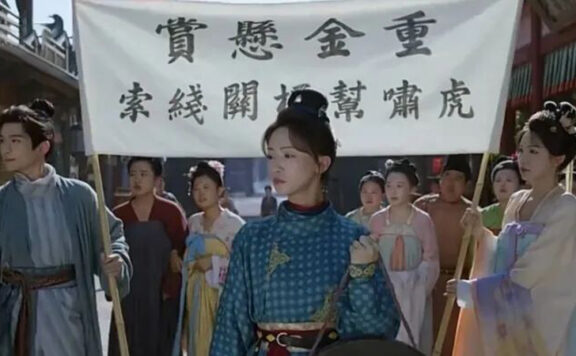
Why The Emperor Jailed Meng Tinghui in Royal Betrothal
Royal Betrothal (御廷谣)– throws a simple but explosive question at its audience: why does a ruler lock up his most determined official for doing what any decent person would call justice? The story drops us into a restless capital where a new investigative body, the Cha Wen Yuan (察闻院), has just been born. It is independent, underfunded, and led by a woman named Meng Tinghui (孟廷辉). She is out on the streets one day, drumming up business for her fledgling agency, when she stumbles upon a family crushed by the local terror gang, the Hu Xiao Bang (虎啸帮). She arrests one of their thugs, Lü Er (吕二), on the spot. But before she can even get him to her office, the Ministry of Justice swoops in and takes him away. Three days later, Lü Er walks free. When Meng Tinghui runs into him again, he is beating a helpless man and insulting his wife. She intervenes, gets roughed up herself, and finally orders her men to seize him. This time, she does not hand him over. She has him publicly flogged until he is unconscious, and he later dies from his injuries. For this, the court officials flood the emperor…- 65
- 0
-
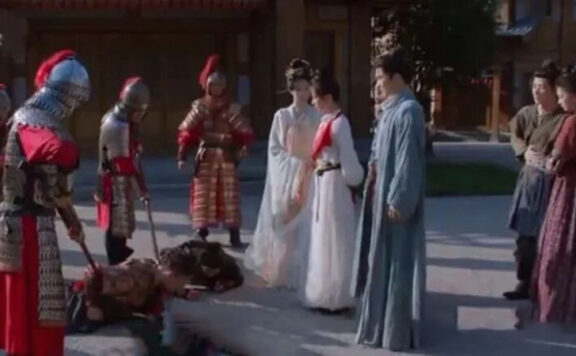
Why Shen Zhishu Said Yes To Yan Fuzhi in Royal Betrothal
Royal Betrothal (御廷谣) isn't a romance. It’s a chess match, and Master Shen Zhishu (沈知书) just played the quietest, most calculated move of the season. When Yan Fuzhi (严馥之), tear-streaked and desperate, begged to see her imprisoned best friend Meng Tinghui (孟廷辉), everyone expected a refusal. After all, the Emperor himself threw Meng in the dungeon. Yet, Shen said yes. Was it pity? A flicker of love for the weeping Yan? Absolutely not. If you read that scene as a moment of weakness, you missed the entire game. Here was a man who never acts, only reacts with precision. His consent wasn't a gift; it was a strategic necessity. This is why his decision had nothing to do with his heart and everything to do with political survival. The Firebrand’s Reckoning Yan Fuzhi is a creature of impulse. Where her friend Meng is a blade, sharp and direct, Yan is the fire that follows—uncontrollable and indiscriminate. Shen Zhishu didn’t see a weeping woman; he saw a lit fuse. If he barred her from the prison, she wouldn’t simply go home and cry. She would find another way in. She would storm the Ministry of Justice alone, or worse, hunt down…- 110
- 0
-
The Gambling House Trap Set By Tiger Roar Gang in Royal Betrothal
Royal Betrothal (御廷谣) – a drama set in a fictional dynasty where power plays unfold in the shadows of a gambling den. The protagonist, Meng Tinghui (孟廷辉), walks a razor’s edge, hunting a secret society while trapped in their web. But when every clue points to the same second-floor room, and every trap seems deliberately laid, why does she believe she can still find the real “Flower Banquet”? Because she notices what the mighty overlook: habit. The enemy’s arrogance is her only weapon – and she wields it not with martial skill, but with cold, patient reasoning. The Unchanging Stage The Hu Xiao Bang (虎啸帮) has operated the Changle Street (长乐街) gambling house for years. It is no secret that the Flower Banquet happens every half-month. Regular patrons – all officials or nobles – expect it like clockwork. When Hao Wenming (郝文明), the casino boss, told Meng that the banquet would not be on the second floor this time, he accidentally confirmed that it always had been. If the location changed every session, he would have said “this time it is at…” – not “it is not on the second floor.” That distinction reveals a fixed routine. Routine breeds predictability.…- 5
- 0
-
Royal Betrothal: Risk-Free Power Strategy of Ying Gua
Ying Gua (英寡) slipped out of the imperial palace in secret. He arrived in Shazhou (沙洲) with a small team and a thin folder of clues. His official mission: investigate a shadowy arms-trafficking ring. But instead of arresting the obvious culprit, he lit a fuse between two local powers and watched them tear each other apart. Why go through such a roundabout game? The answer lies not in justice, but in strategy, risk, and the cold calculus of power. The Witness Who Was Never Meant to Testify At first glance, Feng Lu (冯鲁), the chief of the Black Tiger Hall, looked like a goldmine for Ying Gua. The hall held piles of transaction records. Feng himself could directly implicate the Shazhou Prefect in the illegal weapons trade. A straightforward imperial agent would have kicked down the door, seized the evidence, and dragged everyone back to the capital for trial. Ying Gua did none of that. He never even approached Feng Lu for a formal statement. The reason is brutal: Feng Lu was useless as a witness. He was just a thug taking orders. He knew about payments and shipments, but he had zero access to the real secrets – the…- 34
- 0
-
Royal Betrothal: Meng Tinghui’s Mysterious Origins
What happens when a street-smart orphan girl confronts a puppet emperor with a hidden agenda, and how does a seemingly simple imperial exam unveil a conspiracy that could topple an entire dynasty? Royal Betrothal (御廷谣) dropped onto screens with almost no warning, securing its distribution license on July 27 and premiering just a day later. This isn't a typical palace drama filled with harem squabbles or star-crossed lovers. Instead, it throws its heroine, Meng Tinghui (孟廷辉), directly into the dangerous machinery of state bureaucracy, positioning her as an anti-corruption crusader in a world of entrenched power. While the pacing of the first four episodes might leave you breathless, the questions it raises about identity, loyalty, and justice are anything but superficial. Power Play and the Emperor's Hidden Blade The Daning Dynasty (大宁王朝) is a gilded cage. Its young emperor, Ying Gua (英寡), ascended to the throne at fourteen, but his reign is a sham. The real authority lies with the Left Chancellor, a relic from three previous regimes who controls the entire government apparatus, from the military to the civil service. Ying Gua is nothing more than a puppet, a figurehead whose every move is scrutinized. The emperor's isolation is…- 108
- 0
-
Royal Betrothal: Wu Jinyan’s Zero-Hype Revenge Drama Stuns Viewers
The Chinese drama world just got an unexpected jolt. Royal Betrothal (御廷谣), a historical revenge drama starring Wu Jinyan (吴谨言), dropped without any promotional warning, securing its broadcast license less than a day before airing. The gamble paid off instantly, topping viewership charts in its time slot. But does this zero-hype strategy signal a new era for streaming content, or was it a one-off lucky break? After binging the first six episodes, one question lingers: Has the queen of the "revenge drama" truly returned to her throne, or is this just another re-tread of her past victories? The Desert Storm The fictional world of Royal Betrothal is built on shifting sand—literally and politically. It drops viewers into a vast, arid landscape where the desert is not just scenery but a character itself, shaping the bone-deep hardship of its heroine. She, a lone orphan from Shazhou (沙州), grows up under the brutal thumb of a corrupt local governor. The show wastes no time on exposition; within minutes, you feel the dry heat and the suffocating desperation of her life. There is no "chosen one" prophecy here, only grit and the will to survive. This harsh environment fuels her single-minded ambition. She…- 69
- 0
-
Why Ying Gua Picks Meng for Chawen Yuan in Royal Betrothal
Why Did He Reject Her Self-Recommendation Only to Appoint Her Days Later? The tension in the court of Royal Betrothal (御廷谣) hinges on a single, baffling decision. Meng Tinghui (孟廷辉), a woman who clawed her way through the imperial examination—the Enke (恩科)—which she valued more than life itself, is publicly humiliated for her audacity to recommend herself for the position of commander of the Chawen Yuan (察闻院). The Emperor, Ying Gua (英寡), roars his refusal. Yet, within a week, he announces her appointment, defying his own Prime Minister and every courtier. This sudden reversal is not a whim; it is a calculated act of political survival. The Emperor is not forgiving her insolence; he is yielding to a reality where he has no other capable agents. It is a story of power dynamics, hidden identities, and the brutal pragmatism required to rule. A Foundation Forged in Deception The key to understanding his decision lies in a previous crisis. In Sha (沙) Prefecture, they worked side-by-side to solve a major case, forging a bond through shared danger. He witnessed her intellect and determination firsthand. To her, he was simply He Du (何独), an equal in status and a convenient partner she…- 7
- 0
-
The 100-Tael Exam Fee in Royal Betrothal
Daning Dynasty (大宁王朝), Shazhou (沙洲), 100 taels of silver, and a penniless orphan girl named Meng Tinghui (孟廷辉)—these are the puzzle pieces in the new costume drama Royal Betrothal (御廷谣). The show dropped a bombshell in its first few episodes: the registration fee for the women's imperial examination is one hundred taels of silver. That number stopped me cold. In all my years of watching ancient Chinese dramas, I’ve seen exam candidates worry about travel costs or paper and ink, but never an entry fee that could buy a small house. So what does 100 taels really mean? And how on earth did Meng, a lone girl with no family and no status, scrape together that kind of fortune? Let’s break down the math, the history, and the sheer audacity of that price tag. The Silver Standard: Four Dynasties, Four Answers Silver was the big-league currency in ancient China—the kind commoners rarely touched. Most people used copper coins their whole lives and never saw a full hundred-tael ingot. But its value swung wildly across dynasties. Take the Tang Dynasty at its peak. Silver was scarce, barely circulating in markets. One tael then could be worth anywhere from 3,000 to 7,000…- 35
- 0
-
Meng Tinghui’s Bitter Victories in Royal Betrothal
Why does Meng Tinghui (孟廷辉), the heroine of Royal Betrothal (御廷谣), fight so brutally when she has everything to lose? The answer reveals a new kind of storytelling where survival instincts outweigh royal favor, and where winning doesn't erase trauma. Unlike the usual palace schemers, she wasn’t born into a noble house. She crawled out of a slaver’s pit, and that changes everything about how she swings a knife. The series doesn’t just deliver the satisfying payback audiences crave; it dissects the logic behind it. This is not the gentle art of courtly maneuvering. This is the raw, unpolished muscle memory of a woman who learned that the only thing a hostage can negotiate with is her own life. Her Only Weapon When Jiang Meier (蒋美儿) threatens her with a blade, Meng Tinghui doesn’t flinch. She takes it from her. When a trap is set to burn her, she turns the fire back on the instigator. Many viewers question her recklessness: how can a commoner afford to provoke the niece of a provincial governor? The answer lies in her origin. She grew up in a den of human traffickers, a place where rules didn't exist. In that world, politeness is…- 26
- 0
-
Jiang Meier’s Reckless Choice in Royal Betrothal
What drove a woman who had just escaped death to return and steal her rival's identity, sealing her own doom in the process? The story of Royal Betrothal (御廷谣) presents us with a psychological puzzle that has left many viewers perplexed. After her uncle, Ding Chong (丁冲), lost power in Sha (沙) Prefecture, Jiang Meier (蒋美儿) vanished. Everyone assumed she had fled to save her skin. But she didn't stay hidden. Instead, she resurfaced in the capital, not as a fugitive, but as a fraud, impersonating her nemesis, Meng Tinghui (孟廷辉), to steal a top spot in the imperial examinations. It was a reckless move, one that reeked of desperation and sheer folly. Yet, beneath this apparent madness lay a twisted logic, driven by a volatile mix of wounded pride, sheer ignorance, and a desperate thirst for vengeance. To understand why she jumped back into the fire, we must look past the surface and examine the mind of a woman who had everything and lost it all, simply because she could not accept defeat. Desperation Jiang Meier's decision to usurp Meng Tinghui's exam results wasn't a calculated power play; it was an act of desperation born from a shattered identity.…- 38
- 0
-
Royal Betrothal: Why Meng Staged the Awkward Rain Show
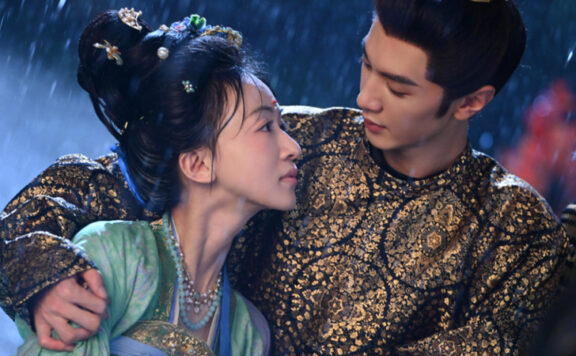
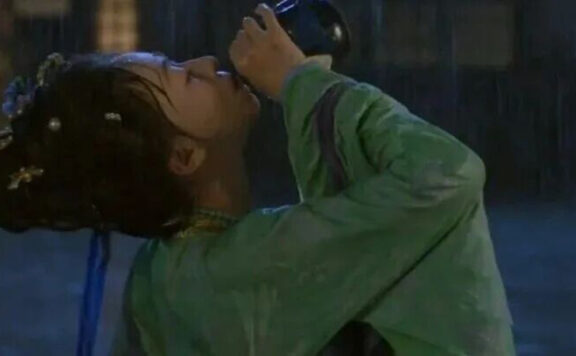
Royal Betrothal (御廷谣) has a scene that made audiences collectively wince. Meng Tinghui (孟廷辉), nearly killed by a rival, wakes to find her savior is the Emperor. Her response? She stages a rain-soaked performance, reciting poetry to display her hidden talents, all while hoping to catch his eye. The internet called it desperate, awkward, and out of character for a woman previously shown as proud and cunning. But that judgment misses the point. The scene is not a failure of writing, but a masterclass in character evolution. It is a calculated pivot, not a lapse in judgment. To write her off as "cringey" is to ignore the brutal logic that drives her. This is a survivor’s playbook, not a damsel’s plea. Survival School: The First Lesson Meng Tinghui’s journey is not a noble quest; it is a fight for existence. Sold into slavery as a child, she never had the luxury of maintaining a pristine reputation. Every kindness she learned was a lesson in cruelty’s cost. Her resilience was not born from innate virtue but from a pragmatic, often ruthless, adaptation to a world designed to break her. The incident with Jiang Meiren (蒋美人) was a pivotal lesson in this…- 27
- 0
Royal Betrothal







Scan to open current page
-
$CouponsLimitation of use:Expired and UnavailableLimitation of use:
before
Limitation of use:Permanently validCoupon ID:×Available for the following products: Available for the following products categories: Unrestricted use:Available for all products and product types