
Every summer, the same debate erupts in hanfu communities: "I love my aoqun, but I'm melting." The 2026 summer has been especially brutal — cities across China hit 38°C in June. But the solution isn't abandoning hanfu; it's choosing the right fabric. This guide breaks down the five main summer hanfu fabrics, their trade-offs, and what to actually buy.
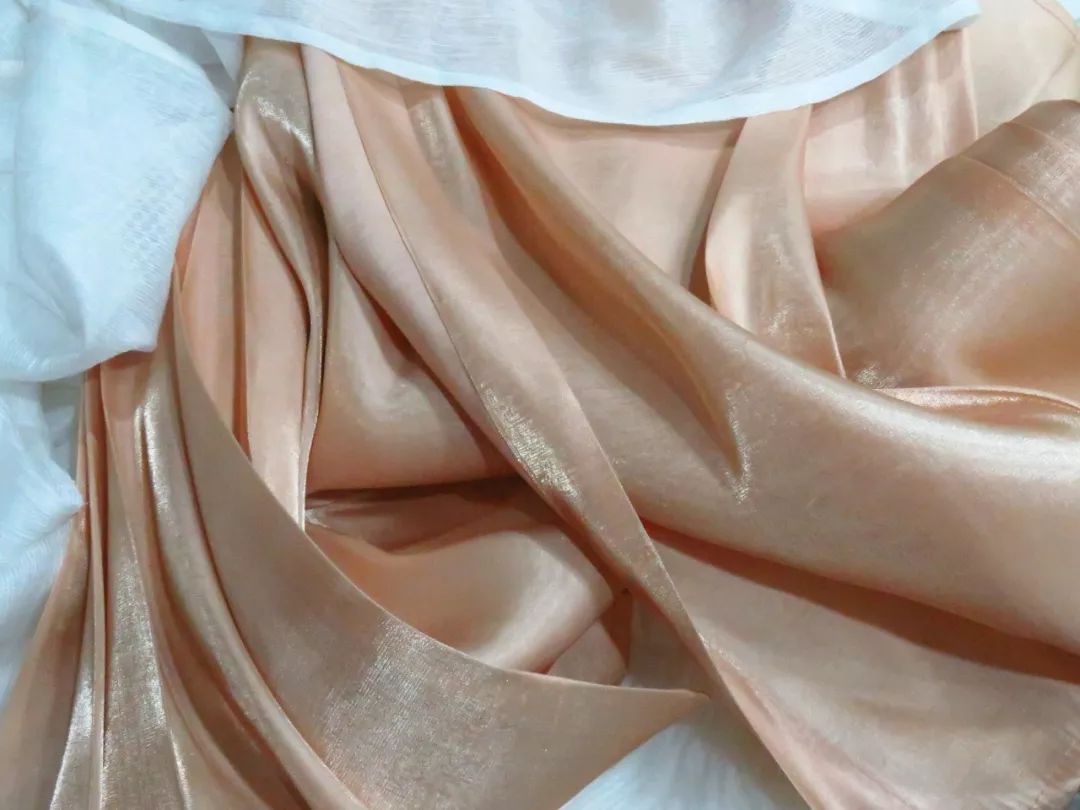
Ramie — The Gold Standard for Summer
Ramie is a bast fiber extracted from the Boehmeria nivea plant. It has been used in Chinese clothing for over 4,000 years — archaeological finds from the Warring States period contain ramie fragments. The fiber is naturally stiff, highly breathable, and quick-drying. It wicks moisture faster than cotton, and its open weave structure allows air circulation that synthetic fibers simply cannot match.
Pros: Maximum breathability, crisp drape that holds structure well (ideal for mamianqun pleats), historically authentic, environmentally sustainable (ramie grows without irrigation or pesticide).
Cons: Wrinkles aggressively. If you sit for more than 10 minutes, the fabric creases visibly. The stiffness can feel rough against bare skin — early-season ramie is wearable, but late-summer ramie softened by multiple washes is more comfortable. Ramie is also expensive: a quality ramie mamianqun typically costs ¥200–400 on Taobao, compared to ¥80–150 for polyester alternatives.
Best hanfu styles for ramie: Song-style beizi (褙子), Tang-style banbi (半臂) ruqun, Ming-style mamianqun. Ramie's structural rigidity makes it ideal for pleated skirts — the pleats hold sharp even after hours of wear.
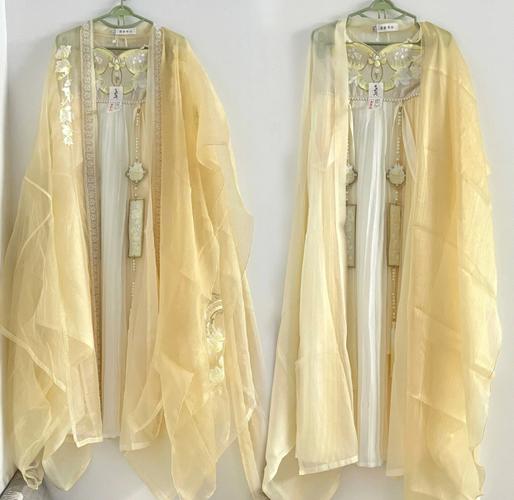
Cotton-Linen — The Practical Choice
Cotton-linen blends (typically 55% cotton, 45% linen) are the most widely available summer hanfu fabric. They balance ramie's breathability with cotton's softness. The blend reduces wrinkling compared to pure ramie, though it doesn't eliminate it. Cotton-linen is the default choice for most budget-conscious hanfu wearers.
Pros: Affordable (¥50–120 per garment), reasonably breathable, softer hand-feel than pure ramie, widely available across all major hanfu brands (钟灵记, 池秋记, 十五月).
Cons: The "anti-wrinkle cotton-linen" advertised by many brands is usually blended with polyester — check the label. A pure cotton-linen aoqun will still crease. Cotton-linen also absorbs moisture slower than ramie, so in extreme humidity it can feel damp against the skin.
Best hanfu styles for cotton-linen: Everyday Song-style sets (褙子 + 抹胸 + 裙), Wei-Jin wide-sleeve ru (魏晋大袖衫), and any style where softness matters more than pleat structure.
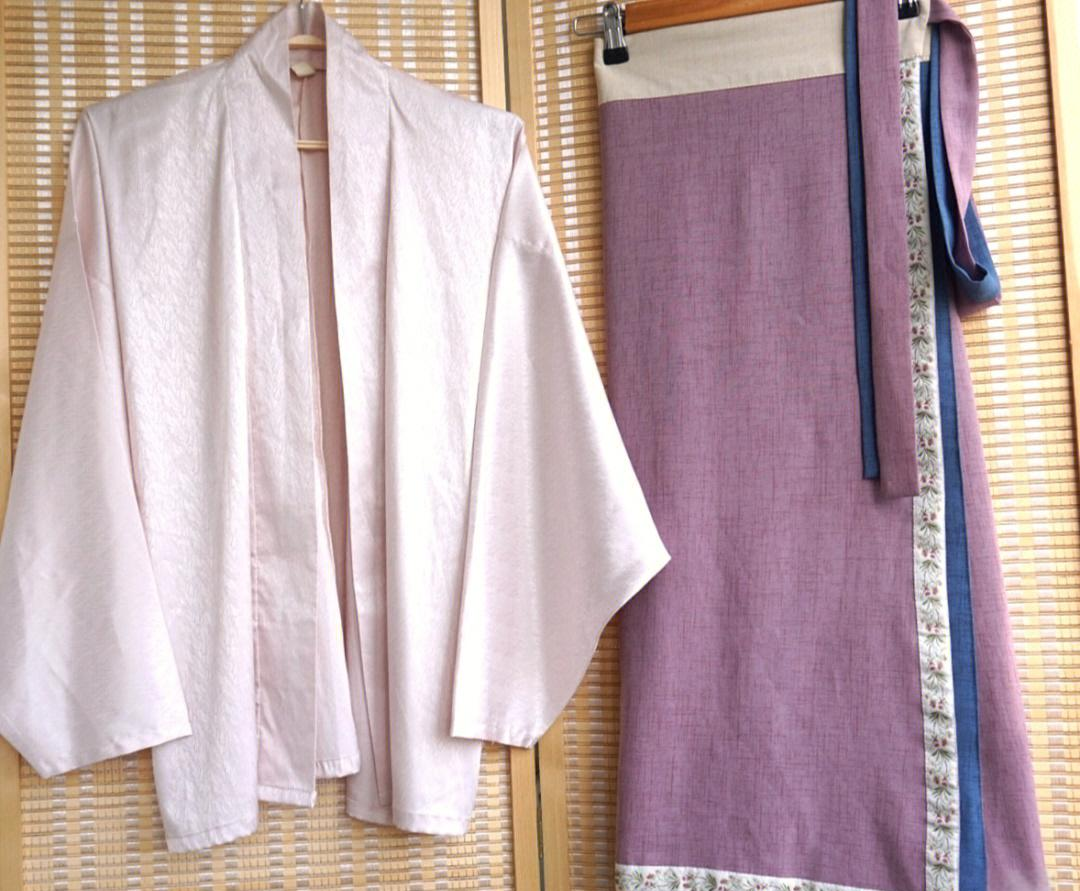
Silk — The Premium Option
Silk is the fabric most associated with hanfu in popular imagination — and the least practical for everyday summer wear. Real silk (mulberry silk) is cool to the touch, naturally temperature-regulating, and stunningly lustrous. But it is fragile, expensive, and sweat-sensitive.
Pros: Unmatched visual quality. The luster, the drape, the way light catches the weave — silk makes every hanfu look like a museum piece. Silk also regulates temperature naturally: it feels cool when ambient temperature is high, and warm when it drops. This makes it ideal for summer evenings or air-conditioned interiors.
Cons: Sweat stains silk irreversibly. A single outdoor afternoon in 35°C can leave yellowish marks on the underarm area that no washing removes. Silk is also structurally delicate — pulling, snagging, and abrasion damage it easily. At ¥300–800 per garment, it's the most expensive option. And many "仿真丝" (imitation silk) products on Taobao are actually polyester — a trap that catches many buyers.
Best hanfu styles for silk: Tang-style formal ruqun (for indoor events or evening wear), Ming-style daxiushan (大袖衫, grand-sleeve robe) for ceremonial occasions. Not recommended for outdoor touring or long walking days.
Gauze — The Lightest Layer
Gauze is a sheer, open-weave fabric traditionally used for outer layers in Chinese dress. Song-style beizi in gauze were the original "lightweight outer layer" — a transparent drape that adds visual depth without thermal weight. In 2026, gauze has returned as an overlay option for summer mamianqun: a sheer daxiushan or beizi over a solid ramie or cotton-linen base creates a layered look that actually breathes.
Pros: Near-zero thermal weight. Visually adds layering complexity without bulk. Historically authentic for Song and Tang styles. Photographs beautifully — the translucent drape catches movement and light.
Cons: Transparent. You need an opaque inner layer, which adds cost. Gauze is also fragile — it tears easily and deforms in rain. The aesthetic works only for certain styles; a gauze mamianqun would look like a costume error.
Best hanfu styles for gauze: Song-style beizi as outer layer, Tang-style sha over a solid ruqun, and Wei-Jin layered ensembles where the gauze wraps function as visual accents.
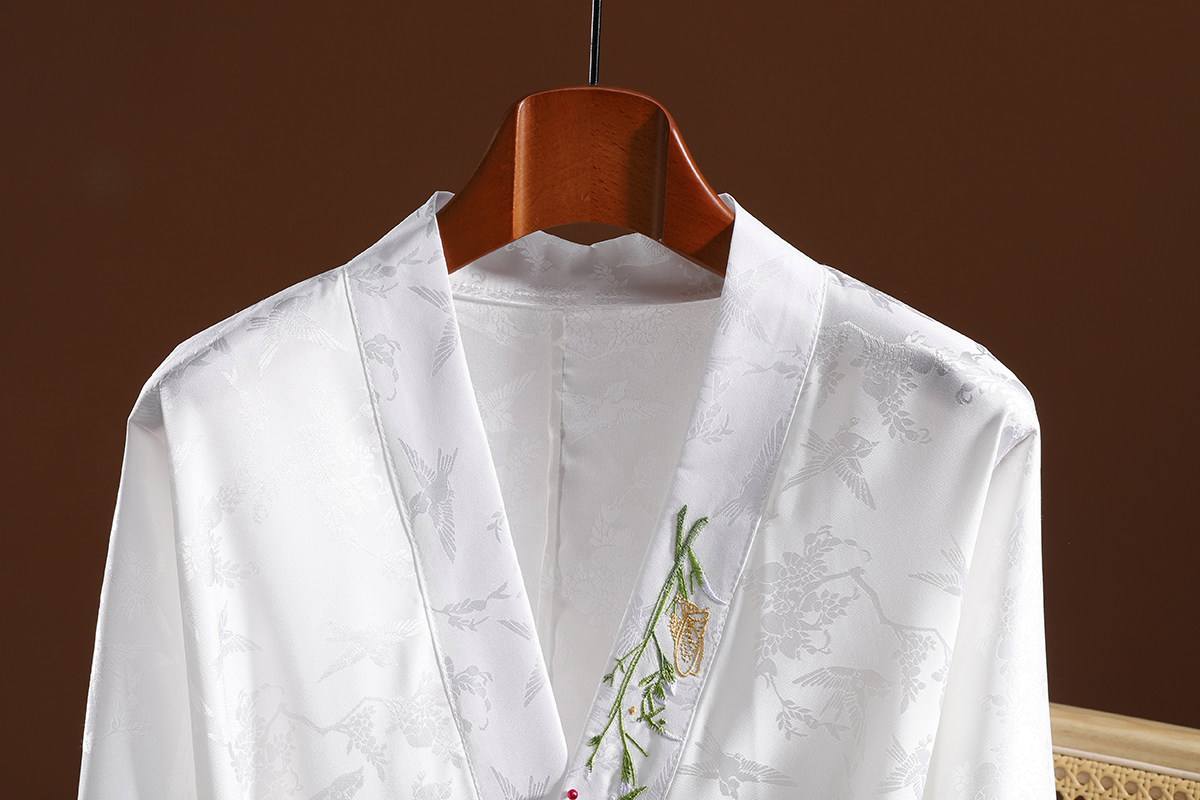
Tencel Blends — The Modern Compromise
Tencel (lyocell) is a semi-synthetic fiber made from wood pulp. In hanfu, it appears blended with cotton or polyester — typically 60% Tencel, 40% cotton, or 50% Tencel, 50% polyester. Tencel blends simulate silk's luster and drape without silk's fragility, and they breathe better than pure polyester.
Pros: Looks like silk at 1/4 the price. Resists wrinkling. Durable enough for daily wear. Machine-washable. The best option for commuters who want hanfu aesthetics without maintenance overhead.
Cons: Not breathable enough for 38°C outdoor days. In humidity, Tencel blends feel clammy — the fiber absorbs moisture but releases it slowly. Also, some brands use "Tencel" as a marketing label for fabrics that are actually 70%+ polyester. Read the label.
Best hanfu styles for Tencel blends: Office-friendly Song-style sets, daily-wear mamianqun, any style you need to wash frequently.
What to Actually Buy for Summer 2026
Based on the 2026 fabric landscape, here are concrete recommendations by use case.
For outdoor touring (4+ hours): Ramie mamianqun + cotton-linen beizi. Ramie keeps the skirt pleats sharp; cotton-linen keeps the upper layer breathable. Skip silk entirely. Bring a folding fan.
For office commuting: Tencel-blend Song-style set. It looks professional, washes nightly, and survives a 10-hour day without wrinkling into chaos. Pair with a simple hairpin rather than elaborate hair architecture.
For evening events or indoor ceremonies: Silk. The temperature-regulating property makes silk perfect for air-conditioned venues and evening gatherings where ambient heat drops. The visual impact justifies the cost for one-time ceremonial use.
For graduation travel: Cotton-linen everything. You'll be walking, sweating, photographing, and washing nightly. Cotton-linen is the cheapest to replace and the most forgiving under travel stress.
The Anti-Polyester Rule
One final principle: avoid pure polyester in summer hanfu. Polyester is the dominant fabric in cheap mamianqun — it holds pleats well, it doesn't wrinkle, and it costs ¥30–50 per garment. But in summer, polyester is a thermal trap. It blocks moisture evaporation, creates a humid microclimate between fabric and skin, and can raise perceived temperature by 3–5°C compared to natural fibers.
The 2026 fabric comparison tests published by consumer review platform SMZDM confirmed this: polyester mamianqun measured 4.2°C higher internal temperature than ramie equivalents in controlled 35°C conditions. The test also noted that "anti-wrinkle cotton-linen" blends with hidden polyester components performed worse than their labels suggested.
The rule of thumb: if the tag says "imitation silk" or "cotton" without specifying natural fiber content, assume it's polyester-dominant. Read the fabric composition before buying. In 2026's heat, the wrong fabric isn't just uncomfortable — it's a health risk.
