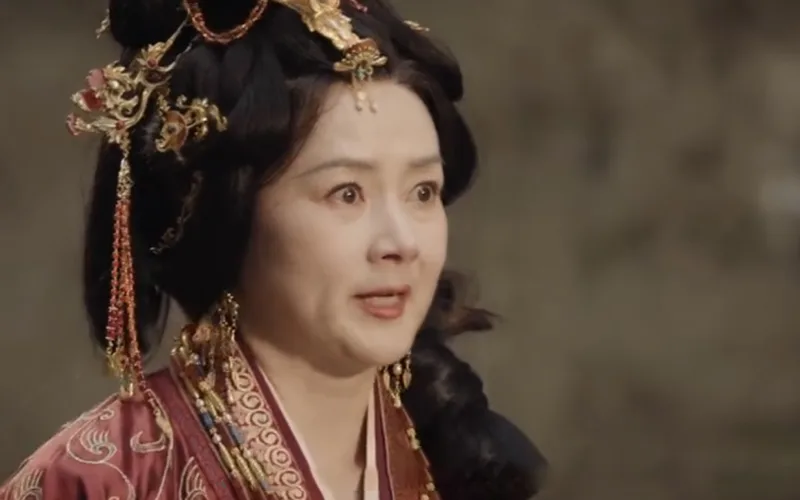
The hairpin in Where the Mask Ends (嫁金钗)—a Jin Chai (金钗)—looks like a wedding gift, but in episode 22 it becomes a test of power. Wei Shu (魏姝) has just become crown princess; Wei Rao (魏娆) has settled a score for Bitao (碧桃); Hongxian (红线) is dragged into the crown prince’s house. The show asks a sharp question: when a woman has been humiliated, does that give her the right to humiliate someone weaker? The answer here is ugly.
Palace Rules
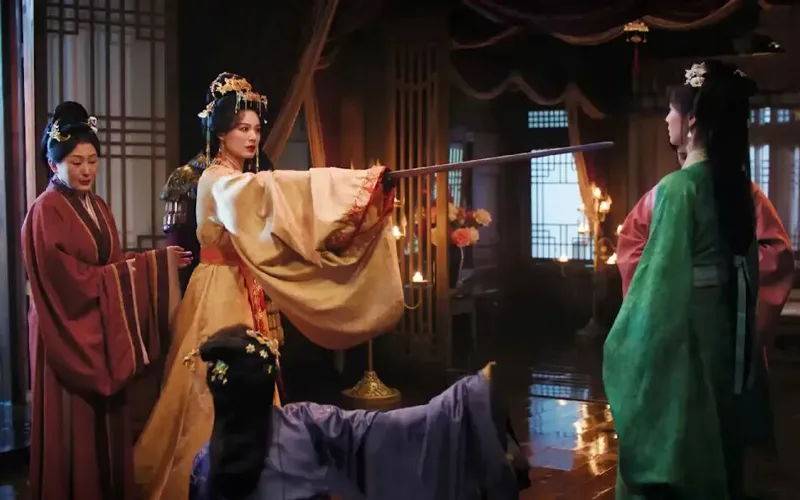
Liu Shou (刘狩) is now crown prince. Gifts arrive, servants bow, and Wei Shu changes. She once read faces; now she gives orders. Her husband slaps her; her mother-in-law makes her kneel. She earns a little respect only by solving their problems. So she treats Wei Rao as a bargaining chip. That detail matters: pain has not made her kind. It has made her careful about where power sits.
The crown house runs on appearances. Gifts are counted, guests watched, servants trained to hear nothing. Wei Shu’s orders fit that machine. She is not a master of the house; she is a manager of its secrets. That is why the girl’s fate is settled in a sentence. The title she fought for has become a lid. Under it, everything must stay quiet.
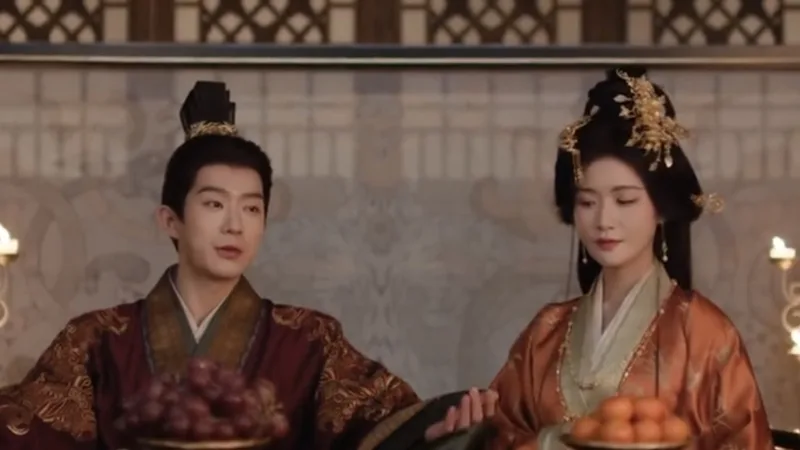
When a kidnapped girl begs for help, Wei Shu does not soften. She asks how to deal with a runaway and says, “Follow the old rule.” The line is cold because it is routine. The girl is not a person in that room; she is a risk. If she escapes, the crown prince’s crimes leak. Wei Shu’s new title depends on silence. So mercy becomes a “trouble” to remove.
The episode does not say she enjoys cruelty. That would be simpler. It shows something more familiar: a person who has learned to survive by pleasing the strong, then uses the same logic on the weak. She remembers every insult from above. She does not remember what it felt like to be below.
Real Sister?
Hongxian is the one who refuses to lean on Wei Rao. After Qiao Shi (乔氏) dies, her brother wants to trade a rescue favor for money. Hongxian would rather sell flatbreads. She has hands and feet; why reach out? She remembers her sister’s hard years. This choice is not blood. It is care. Her brother sees Wei Rao’s wealth and asks what he can get. Hongxian sees the same wealth and asks how not to burden her.
Then the crown prince’s men take her. Trapped, she names Wu’an Wengzhu (武安翁主), hoping the family tie will save her. Wei Shu’s first reply is not about rescue. It is about rank: how dare this girl claim such a connection? The irony cuts. Hongxian has no blood tie, yet protects Wei Rao’s name. Wei Shu has the tie, yet uses it to calculate.
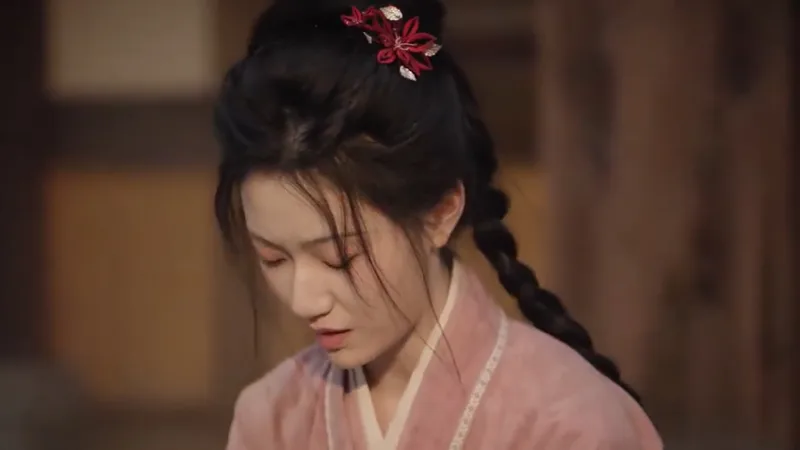
Wei Shu orders lead water to destroy Hongxian’s voice. The order is practical and terrible: a witness who cannot speak is easier to hide. Before leaving, she says, “Make the sparrows in the back yard quiet.” A living girl becomes a bird. A crime becomes housekeeping. The scene lands because the language is calm. Cruelty here is not a scream. It is a household instruction.
The voice matters. Hongxian’s words are her only weapon: she can name the crime, the place, the man. Taking that away leaves her alive but unheard. Wei Shu understands this. She has lived in rooms where the wrong word costs blood. So she removes the word before it can travel. It is a chilling kind of expertise.
Borrowed Debt
Wei Shu’s coldness echoes Guo Yufeng (郭虞凤). Years earlier, Wei Jin (魏谨) broke their engagement, and she carried the shame. She married into the Wei family as a second wife, still bitter. She hated Wei Jin and Zhou Fu (周芙). Yet the person who paid was young Wei Rao, swapped into a market life, hauling night soil and doing hard labor for years. A child had no part in that broken promise.
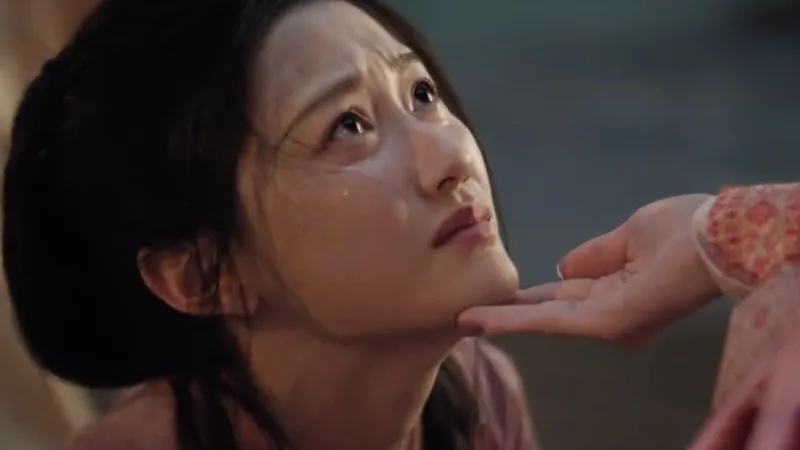
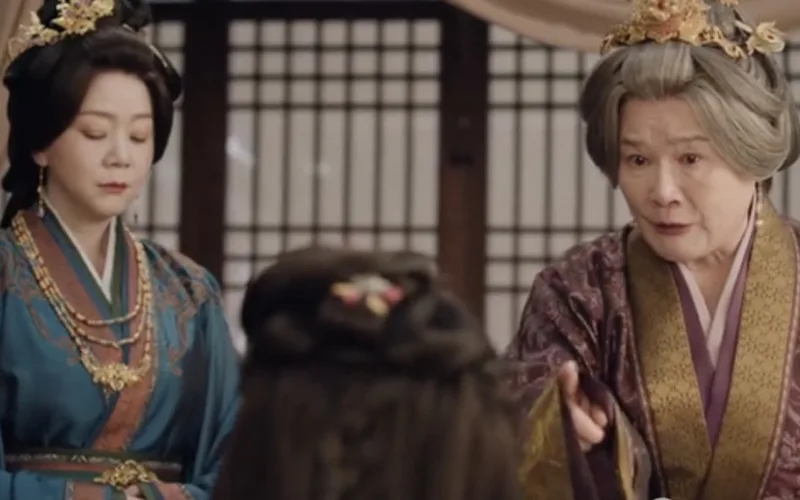
The pattern repeats. Liu Shou humiliates Wei Shu; her mother-in-law punishes her. But Hongxian kneels before her with no debt at all. Both mother and daughter remember exactly how they were wronged. Neither asks who should pay for the people they hurt. Grievance becomes a currency, and the weak are the cash.
This is the show’s sharpest point. Suffering does not automatically make someone good. It can make someone precise. Guo Yufeng and Wei Shu both protect their own wounds like treasure, then spend other people’s lives to cover the bill. High rank hides nothing. It only gives the cruelty a larger room. The question stays: who will collect the debt they refuse to see?