
Gen Z is now the dominant force in the Chinese wedding market, and their preferences are reshaping the industry in ways that would have been unthinkable a decade ago. The 2026 wedding season, the first in which the bulk of marrying couples are post-1997 born, has crystallized around three distinct trends: cross-style mix-and-match, immersive narrative ceremony design, and a softer romantic aesthetic that consciously rejects the visual maximalism of the 2010s. Together, these shifts are not just about taste — they are rewriting the economic and cultural logic of Chinese weddings.

The Cross-Style Mix-and-Match
The traditional expectation that a Chinese wedding would follow a single coherent aesthetic — full Western, full Chinese, full hanfu — has broken down. The 2026 dominant style is a deliberate mix: a Chinese ceremony in hanfu followed by a Western reception in a tailored suit or a contemporary white dress, then an after-party that might pull in vintage qipao or a sequined evening look. The hanfu style itself is now often mixed, with Tang Dynasty hairstyles paired with Song Dynasty beizi, or Ming Dynasty mamianqun worn with a modern cropped top.
Industry analysts have called this the "fusion decade" of Chinese weddings, and the visual shorthand has moved from a binary "Chinese vs Western" framing to a more flexible "mood board" approach in which couples select from a wider aesthetic palette.
2026 couples are increasingly rejecting the "sit-and-watch" structure of the traditional Chinese wedding banquet in favor of ceremonies that are constructed as a narrative experience. The format varies widely: a multi-station "quest" structure that takes guests through different rooms representing chapters of the couple's relationship; a "wedding drama" that scripts a short theatrical performance into the formal program; or a "wedding exhibition" that turns the venue into a museum of the couple's shared history.
The narrative approach has driven significant growth in wedding planners, content designers, and on-site event staff. The most popular 2026 wedding planner platforms have all reported record advance bookings, with average package prices up 30–40% compared to 2024.
Visual maximalism — the towering floral walls, the LED-lit stages, the heavy drapery that defined 2010s Chinese weddings — has retreated. The 2026 default aesthetic is what planners are calling "soft romantic": lighter color palettes, fewer hard decorative elements, and an emphasis on natural light, asymmetric floral arrangements, and tactile fabrics. Beige, dusty pink, sage green, and cream have replaced red and gold as the dominant palette for non-ceremonial elements.
The change reflects both a generational aesthetic preference and a practical response to the rising cost of elaborate decorations. A softer palette is also notably more photogenic in the candid, documentary-style wedding photography that has become the 2026 default.
The "Hanfu Wedding" Sub-Trend
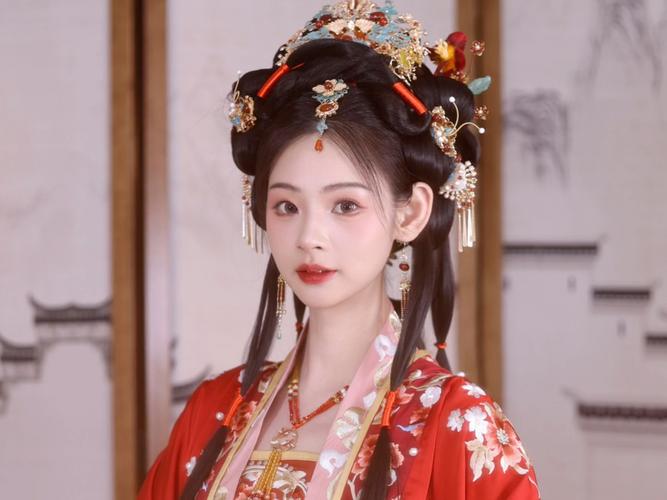
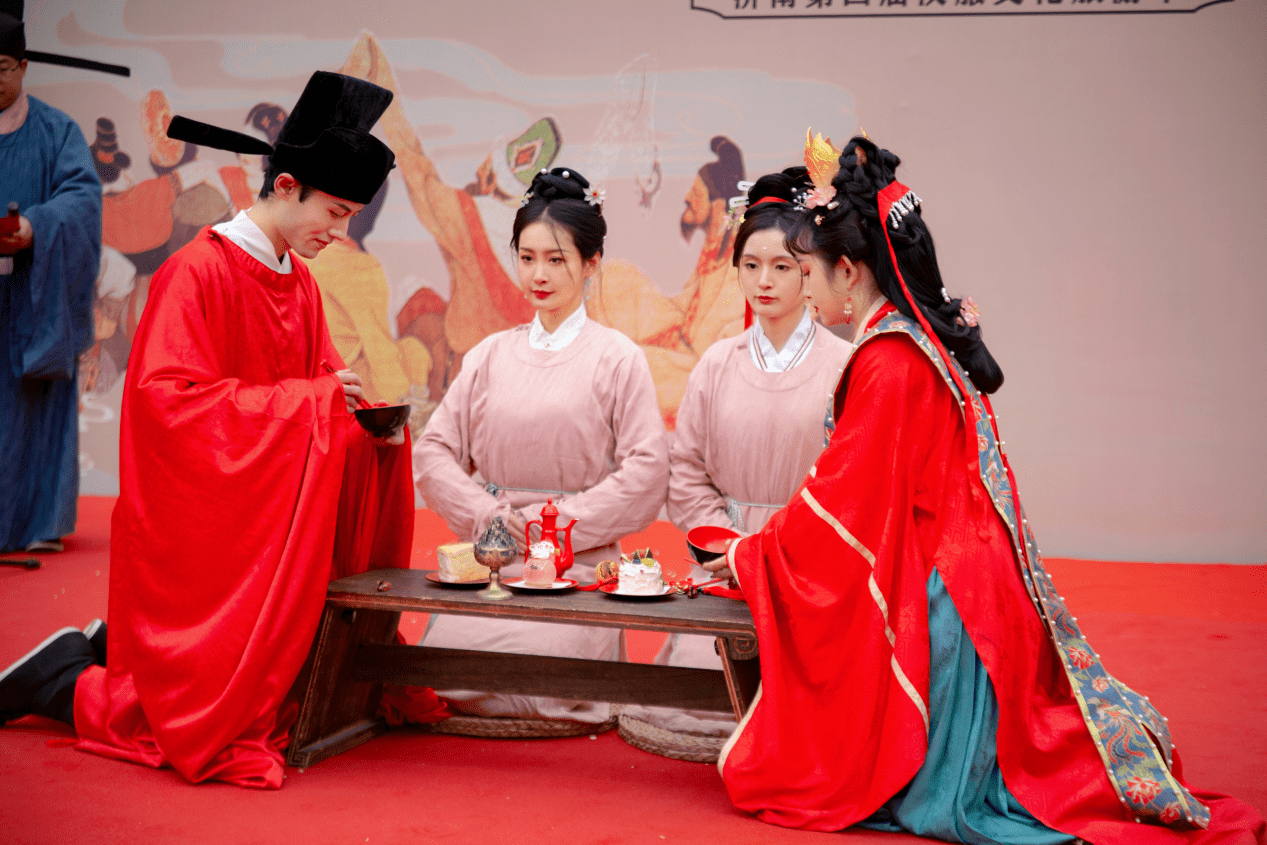
Within the broader trends, the hanfu wedding has emerged as a notable sub-category. Couples choosing this option typically plan a hanfu ceremony for the main day, often with the bride and groom in Ming or Song dynasty styling, and a small immediate-family guest list of 30–80 people. The hanfu wedding is no longer positioned as a "fashion statement" or a "novelty event" — it is increasingly a default choice for couples who want a wedding with deep cultural meaning.
Hanfu rental studios have responded with new "wedding hanfu" packages that include not just the bride and groom's attire but matching family outfits, multi-piece accessories, and on-site dressing services. The most popular 2026 hanfu wedding palettes are Tang-inspired (red and gold, but more restrained than the 2010s) and Song-inspired (lighter, with more white and blue).
What This Means for the Wedding Industry
The commercial impact of the 2026 trends is significant. Wedding venues are redesigning flexible floor plates that can support the narrative-ceremony format. Photographers have largely transitioned to documentary styles. Florists are sourcing more seasonal and local flowers. The traditional "red envelope" gift economy, meanwhile, has remained stable, even as everything else has changed.
For the broader cultural economy, the Gen Z wedding trends are a leading indicator of how this cohort will approach other major life events — births, anniversaries, milestone birthdays. The "mix, narrate, soften" formula is now appearing in baby showers, retirement parties, and graduation ceremonies, suggesting that the changes are not wedding-specific but reflect a deeper generational aesthetic shift.
