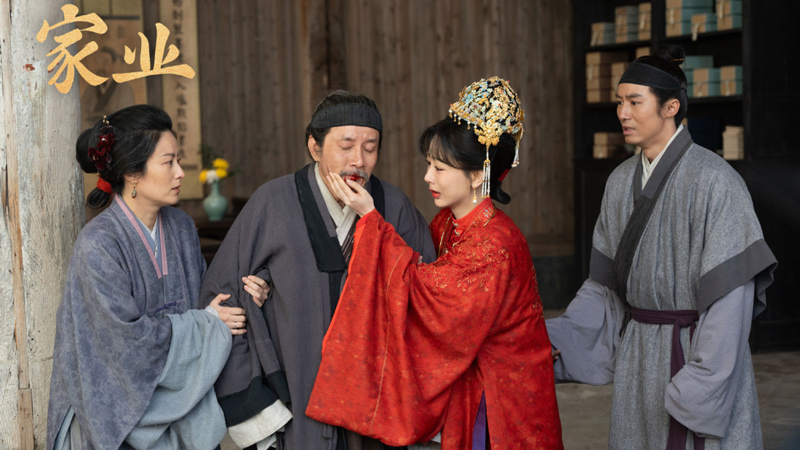
Does Yang Zi’s Broken Engagement Spark a Ink Rebellion in Ancient Huizhou? The first four episodes of The Mo (家业) have dropped, and viewers are already calling it a visual and emotional knockout. Set against the black-tiled roofs and whitewashed walls of Huizhou (徽州), the drama throws Li Zhen (李祯) from silk robes to rags in a single night. She loses her father, her family’s status, and soon her fiancé’s loyalty.
But instead of breaking her, the blows forge a fierce determination to master the ancient craft of ink-making. This is not a slow burn; it is a storm of broken promises, public shame, and a young woman’s defiant vow to rise.
A Painful Fall
Li Zhen begins as the cherished daughter of a prestigious ink-making family. Since childhood, she has loved the smell of soot and pine resin, dreaming of creating an ink stick so fine it would be known across the empire. Then comes the tribute ink case. A single official accusation shatters everything. Her father dies of grief. Her branch of the family is forced to erase itself from the clan records. Overnight, the young mistress becomes a poor girl mending clothes by candlelight.
Yet poverty does not kill their spirit. Her mother weaves cloth until her fingers bleed. Her elder brother hauls heavy loads at the dock. They share one small bowl of congee each night, but they smile. For ten years, they survive. When Li Zhen grows into a young woman, their hardships only multiply. A neighboring ink workshop sabotages their meager business. The clan elders treat them like dust. And the boy she once exchanged hairpins with—her childhood sweetheart—shows his true face.
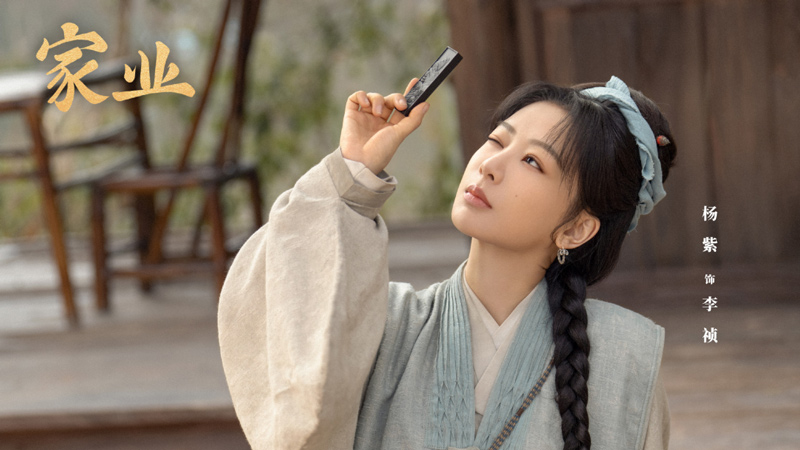
He comes to her door, all sweet words and false concern. He wants the Li family ink formula for his own workshop. She refuses. So he threatens to cancel their engagement. He even tricks her brother into a bad deal. On the day of her dowry inspection, his men “find” a copy of the formula hidden among her embroidered shoes. The public humiliation is complete. Her grandfather is forced to swear a tooth-nail oath before the clan—biting a nail driven into wood—never to touch ink again.
Double Betrayal
Li Zhen does not cry when she tears off her engagement token. Instead, she walks to the busiest street in Huizhou, her head high. Her voice rings out across the green-slate stone street where vendors sell sesame cakes and tea leaves. She announces to every neighbor, merchant, and wandering traveler that she is the one breaking the betrothal. “I want no man who trades love for a business secret,” she says. The crowd gasps. In this old town, a woman ending her own engagement is almost unheard of.
But worse follows. The Li clan’s centennial ritual arrives. Her grandfather, despite being expelled, walks to the ancestral hall to offer incense from outside the gate. The current clan members chase him away with brooms. They shout that his branch has brought shame for ten years. He falls to his knees on the cold stones, tears streaming. Li Zhen watches from behind a tree, her fists clenched so tight that her nails cut into her palms.
That night, she understands a cruel truth: her family is not being punished for any crime. They are being crushed because others fear their talent. The other ink workshops know that if her grandfather ever picks up his tools again, he will create a black ink more luminous than any in Huizhou. So they keep kicking a fallen family. Li Zhen realizes that hiding will only bring more kicks. The only way out is to fight back with the very craft they fear.
Rising from Ashes
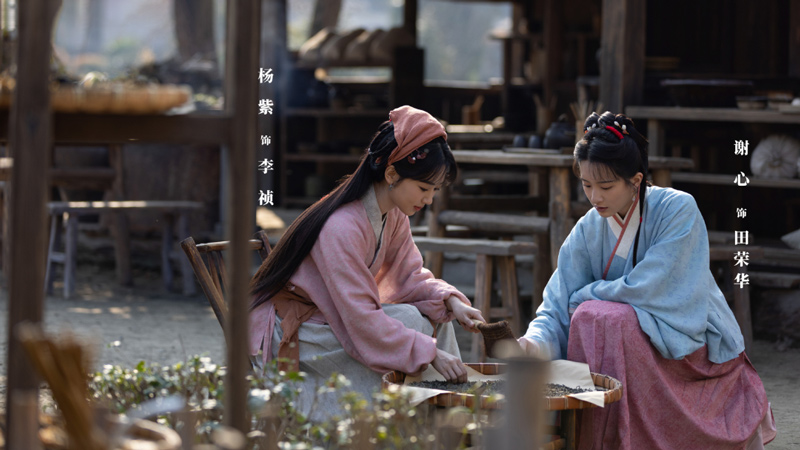
She kneels before her father’s spirit tablet. Her mother is already there, silent, tears falling onto the wooden floor. Neither speaks for a long time. Then her mother whispers to the tablet: “Husband, please comfort our daughter. She is hurting more than she shows.” Li Zhen hears it. She waits a moment, then says to the same tablet: “Father, please comfort mother. She pretends to be strong, but I see her cry every night.” They both freeze. Then they laugh through their tears—a raw, shaky sound that fills the tiny room.
This scene, according to actress Yang Zi (who plays Li Zhen), is the heart of the series. “Home is not about big houses or clan names,” she said in an interview. “It is about two people praying for each other’s pain while hiding their own.” The show spends real time on such moments: a brother secretly adding an egg to his sister’s bowl, a mother staying up all night to mend a torn dress for an important day. These small acts of love feel more powerful than any sword fight or shouting match.
On the morning after the temple humiliation, Li Zhen walks back to the same street where she broke her engagement. She faces the closed doors of the ink shops that have blacklisted her family. She raises her voice again: “I will learn to make ink. I will use ink to feed my mother, to lift my grandfather’s oath, to build a home that no one can kick. Watch me.” The camera pans to her profile—her jaw set, her eyes dry. The old men in the shops laugh behind their screens. But she has already turned away. She has work to do. And in The Mo, that work has only just begun.