In a crowded sea of mass-produced 3D animations, where formulaic plots and power-upgrade fantasies dominate, Chinese animation fans have grown weary. The market offers quantity but lacks soul. Yet every so often, a single work breaks through the noise—not with hype or marketing, but with raw, undeniable craft. That work is Fog Hill of Five Elements (雾山五行).
With just seven episodes across two seasons, it has achieved what many big-budget series cannot: a near-perfect 9.9 rating on Bilibili, over 8.88 million followers, a staggering 740 million total views, and 470 million topic views on Douyin. More astonishingly, it became the first online Chinese animation officially praised by CCTV-6 for its masterful display of traditional ink-wash painting and its elevation of the Chinese wind style aesthetic. This isn't just another hit—it's a quiet revolution.
The Seven-Episode Earthquake
Two seasons. Seven episodes. That's all it took. In an industry obsessed with dragging stories across dozens of episodes to maximize ad revenue, Fog Hill of Five Elements chose brevity. It refused to pad its runtime with filler or repetitive battles. Every minute counts. Viewers report a strange urge—never to speed up playback, never to skip forward. They even pause just to stare at a single frame, because each shot looks like a hand-drawn landscape scroll. The show's Bilibili score of 9.9 out of 10 is not a fluke; it's the platform's highest possible rating, shared by only a handful of titles.
What makes this even more impressive is the context. CCTV-6, China's state-owned movie channel, rarely notices online animations. Yet it broke its silence to praise this series. The official media called it a perfect showcase of traditional mountain-water painting techniques. It didn't just nod to tradition—it brought those brushstrokes to life. The show's success came without a massive pre-release campaign. No billboards, no influencer blitz. Word of mouth alone pushed it to the top, proving that genuine quality still finds its audience.
Consider the numbers again: 7.4 billion total plays and 4.7 billion views on short-video platforms. For a title with only seven episodes, that's an anomaly. It means people rewatch obsessively. They dissect fight sequences frame by frame. They share screenshots as wallpapers. The show didn't chase trends—it set new ones. And in doing so, it reminded everyone what national trend can truly mean when it's backed by passion, not commercial calculation.
Ink, Blood, and Motion
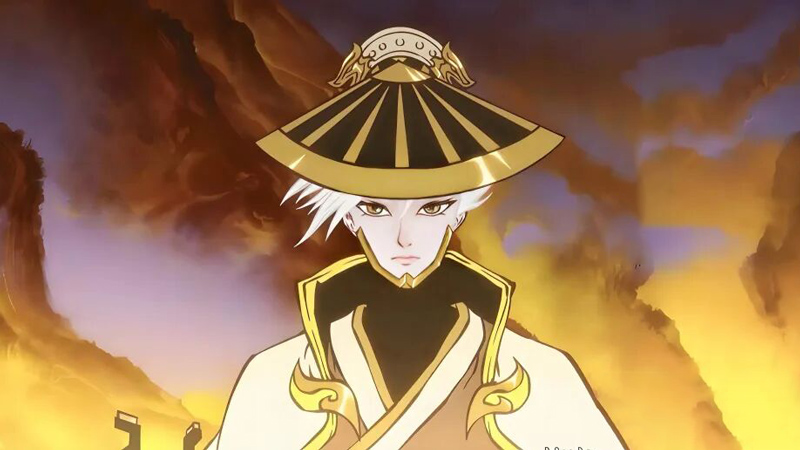
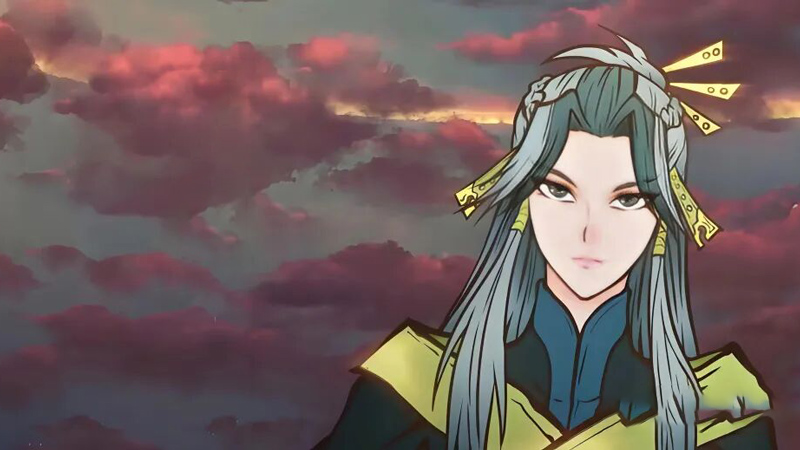
Open any episode, and you're hit with a visual language rarely seen in modern animation. The backgrounds are not digitally painted in a hurry—they breathe. Mountains fade into mist. Rivers seem to flow across the screen. Characters move with a calligraphic elegance, their robes and hair caught in invisible wind. This is not the glossy, plastic shine of typical 3D productions. It's 2D hand-drawn Chinese wind style, where every line carries weight. The water-and-ink aesthetic creates depth without cluttering the frame. Less is more.
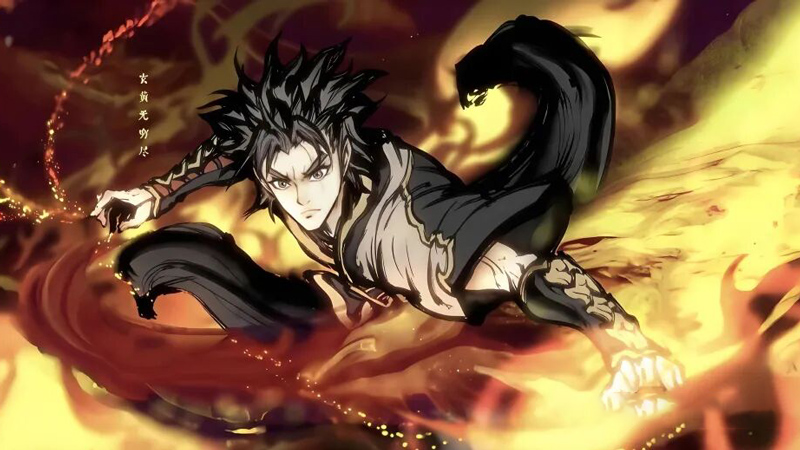
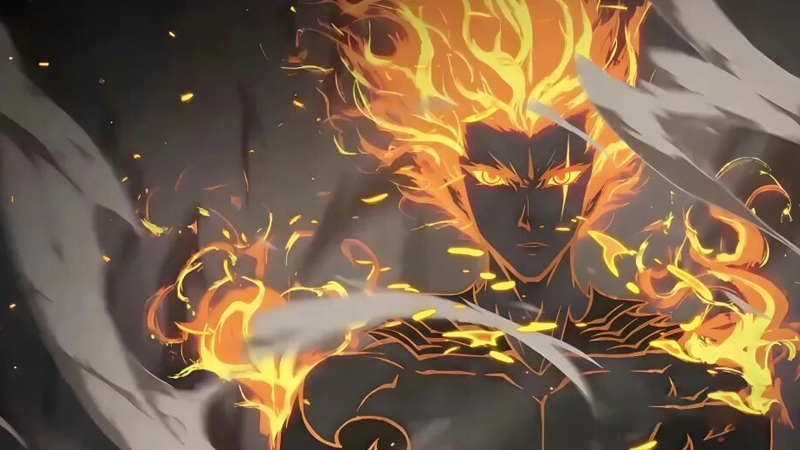
Then come the fights. And here, the show pulls off something extraordinary. Unlike the flashy beam struggles or weightless acrobatics seen elsewhere, combat in Fog Hill of Five Elements feels bone-crunching. Punches land with impact. Sword clashes ring out with metallic clarity. The action is fluid but not floaty. It draws directly from Wuxia (武侠, martial chivalry) traditions—the quick draws, the sudden stillness before a strike, the way an entire battle can turn on a single breath. There's no excessive particle effect or lens flare. Just raw, elegant choreography that makes your heart race.
This approach stands in sharp contrast to the assembly-line 3D Anime that floods the market. Those shows often reuse character models and background assets. They pad out episodes with slow-motion reaction shots. Fog Hill of Five Elements does none of that. Each episode moves at a breakneck pace, yet never feels rushed. The team understood that visual storytelling means trusting the audience's eyes—and their patience. Every explosion of ink when a character unleashes their power, every subtle shift in color palette during an emotional beat—it's all intentional.
And it's not just about looking pretty. The Five Elements—metal, wood, water, fire, earth—are not mere labels. They shape the magic system, the character designs, and even the geography of the world. Fire users glow with warm, pulsing reds. Water-based attacks flow like living rivers. The element of metal manifests in sharp, angular strikes. This integration of philosophy into action is what elevates the show from a simple martial arts tale to something that feels deeply rooted in Chinese cosmology.
One Man's Decade-Long War
Behind this miracle stands a single name: in Hun (林魂). He is the director, the writer, the key animator, and even a voice actor. When the production faced shortages, he stepped into multiple roles. Some days, he drew backgrounds until his hands cramped. Other nights, he recorded lines in a makeshift booth. For nearly ten years, he refused shortcuts. While other studios pumped out seasonal content using prefabricated 3D assets, he chose the brutal path of pure 2D animation—frame by agonizing frame.
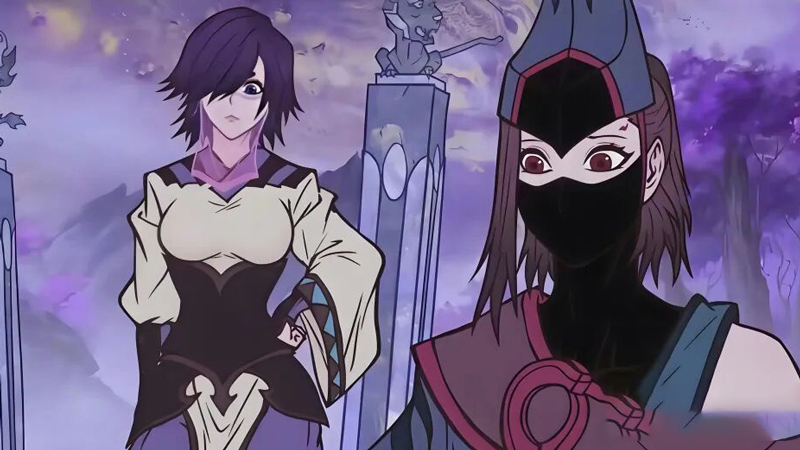
Why such obsession? Because he saw what the industry was becoming. An endless loop of "cultivation" novels adapted into shiny but hollow series. Protagonists who always win. Love interests who exist only as trophies. Lin Hun rejected all of it. He wanted a story where heroes bleed, where villains have reasons, where no fight is guaranteed victory. He also refused to chase the 3D trend, even though 3D is faster and cheaper. "Ink has a soul," he once said in an interview. "You cannot algorithmize a brushstroke."
The team he built mirrors his mindset. Small, underfunded, but ferociously dedicated. They never compromised on the show's signature ink-wash, traditional Chinese painting) look. They re-drew entire sequences if the fluidity felt off by a single frame. They recorded natural sounds—rain on leaves, footsteps on gravel—rather than relying on stock audio. This is not the "rise of" something grandiose. It's just stubborn people doing honest work. And that honesty translates to the screen.
Ultimately, Fog Hill of Five Elements is not just an animation. It's a cultural vessel. It carries within it the legacy of ink painting, the philosophy of the five elements, and the spirit of Wuxia heroism. It shows international audiences that Chinese animation has its own voice—not one that mimics Studio Ghibli or Shonen Jump, but one that draws from thousands of years of art and thought. In an era of content meant to be consumed and forgotten, this series asks you to slow down. To look. To feel the wind through painted pines. That's not just good animation. That's something timeless.
