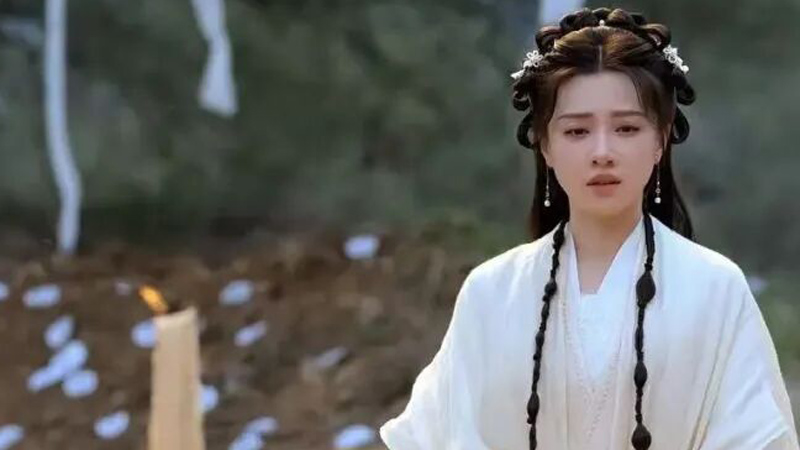
Can you truly chase immortality while your parents grow old alone? In the Chinese drama Fate Chooses You (佳偶天成), Xin Mei’s (辛湄) grandfather leaves her a burial plot before he dies—a silent plea for her to come home. Meanwhile, in The Immortal Ascension (凡人修仙传), Doctor Mo (墨) abandons his wife and children for decades, only to fail at both cultivation and family. These stories hit a raw nerve: the impossible choice between soaring toward your dreams and staying rooted in love. Are we all just one train ride away from being strangers to the people who raised us?
The Grave That Speaks
Xin Mei leaves home at twelve. She has the Ling Gen (灵根)—a natural spiritual root—so she goes to train at Xinxie Village (辛邪庄). Her parents cry but let her go. Cultivation promises eternal youth and godlike power. Who wouldn’t trade a warm dinner for a shot at flying on a sword? Years later, she returns to her hometown. Her childhood friends are now gray and wrinkled. She still looks like a girl. At her aunt’s grave, a friend points to an empty spot. “Your grandfather saved this for you,” he says. “So you can come back where you belong.”

He never told her while he lived. He just quietly bought the land and waited. No guilt trips. No angry letters. Just a patch of dirt with her name on it. That’s the cruelest part of family love—it asks for nothing, even when it’s dying for you to stay. Xin Mei spends her life chasing magic and fighting demons. She doesn’t make it home for her parents’ funerals. Or her grandparents’. The grave stays empty. A symbol of a promise she never kept, carved in soil and silence.
We cry at this scene not because it’s dramatic, but because it’s real. Every adult who moved to a big city knows the feeling. Your mom sends you photos of the old house. Your dad fixes your childhood bike “just in case.” They don’t say, “Come back.” They just leave the door open. And you tell yourself you’ll visit next month. Next year. After this project. After the promotion. Then one day, the door is still open, but the people are gone.
The Train and the Tombstone
Sounds familiar? Kids from small counties pour into megacities. They rent tiny apartments, work fourteen-hour days, and send money home. Their parents grow vegetables, feed chickens, and watch the same empty chair at dinner. Modern trains make the trip possible in four hours. But who has four hours? Between meetings, deadlines, and exhaustion, holidays shrink to WeChat voice messages. “I’m fine. Don’t worry.” The lie both sides agree to believe.
Xin Mei could have gone home. She just didn’t. Cultivation wasn’t a nine-to-five job. It demanded everything—her youth, her attention, her guilt. The same way your startup eats your weekends. The same way your hospital shift skips Lunar New Year. We tell ourselves it’s temporary. One more year. Then we’ll slow down. Then we’ll have time. But time doesn’t wait. It paints white hair on your father. It slows your mother’s steps. And one day, “temporary” becomes the whole story.
Her family never blamed her. That’s what breaks you. They packed her lunch, kissed her forehead, and smiled as she walked away. No drama. No tears—at least not where she could see. They knew she had to try. The alternative—staying home, staying small—would have killed her spirit. So they swallowed their loneliness and called it pride. That’s the dirty secret of ambition: the people who love you most will help you leave them. And you let them.

Doctor Mo’s Empty Chair
Then there’s Doctor Mo from The Immortal Ascension. He marries, has children, and then abandons all of it for cultivation. His wife runs the house alone. Bandits come knocking because they see no man around. She fights them off with clever tricks, but fear never leaves her stomach. Will her husband come back tonight? Next year? Ever? The children grow up with a stranger’s face in old paintings. They don’t know his voice. They don’t remember his laugh.
After Doctor Mo dies, Han Li (韩立) visits the family. He sees the widows and the daughter. He could stay. Be a protector. Fill that empty chair. But he has his own path. So he leaves. Soon after, the family is slaughtered. Every last one. The house falls silent. The medicine shop never opens again. All because one man chased a dream that didn’t even want him. He never became an immortal. He never saw exotic lands. He never held his grandchildren.
What if he had just run the pharmacy? Sold herbal tea to coughing old men. Patched up scraped knees for village kids. Gone home every night to hot soup and a warm bed. He’d have died a nobody, sure. But a nobody with laughter in his house and love in his pocket. Instead, he got a cold grave and a family name erased from the earth. The story doesn’t ask you to choose between ambition and family. It just shows you the bill—and dares you not to cry when it arrives.
