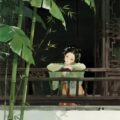

Four years of silence. A forced marriage with a death clause. A father who lights two lamps every night for a wife who will never return. The original novel of Fate Chooses You (佳偶天成) delivers an ending far more raw than its upcoming drama adaptation.
While the screen version adds new twists, the book holds nothing back: Xin Mei (辛湄) and Lu Qianqiao (陆千乔) finally reunite at the imperial tomb, but the journey there is paved with erased memories, a half-blood curse, and one man’s quiet, devastating devotion. Forget the grand battle scenes. The real heart of this story beats in a small town where a widower refuses to stop waiting. Let’s break down three core threads that make this ending unforgettable.
The General Who Erased Her Memory
Xin Mei was a nobody. Born under a prophecy that she would “kill her husband,” no suitor came near her. Her father, Xin Xiong (辛雄), worried himself sick. So she did what any practical daughter would do: she went out to buy herself a husband. On the road, she stumbled into Chongling (崇灵) Valley and triggered the magical trap set by Lu Qianqiao, a disgraced general guarding the imperial tomb. He slapped her out with a spell. That was their first meeting.
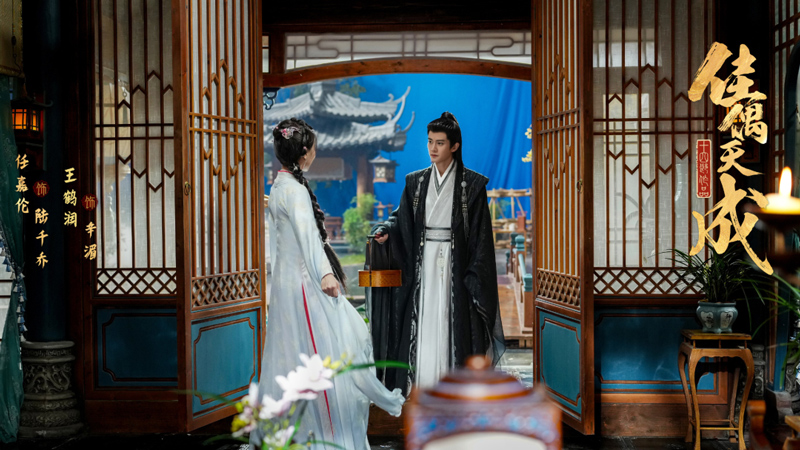
The second time, he imprisoned her. Lu Qianqiao, a half-blood War Ghost, thought she posed a threat to the tomb’s security. She believed he wanted a mountain bride. The chase that followed — she runs, he catches, she curses, he smirks — slowly turned into something neither expected. But here’s the cruel part: he had already erased her memory once before. When she learns the truth, she will rage. And readers wait eagerly to see how he ever talks his way back into her heart.
The wedding itself was a trap. His mother begged the emperor for a decree: if Lu Qianqiao died during his transformation ritual, Xin Mei would be buried alive beside him. Half of all War Ghosts perish in that rite. He tried to run away to save her. She chased him down and married him anyway. He survived. And then the Fox Clan attacked. His mother got frozen by a curse. The war pulled him away for four long years. When it ended, he returned to the tomb. No grand speeches. Just a man and his wife, finally standing in the same room again.
The Immortal Who Cried Over Tofu
Mei Shanjun (眉山君) lived for centuries as an immortal. Then he met Xin Mei in Chongling Valley. She mistook him for a man with a male lover — a “cut sleeve.” He got struck by lightning while watching a dog demon’s trial, and she carried him on her back, applied his burns. That kindness ruined him. He fell hard, but she was already married to Lu Qianqiao.
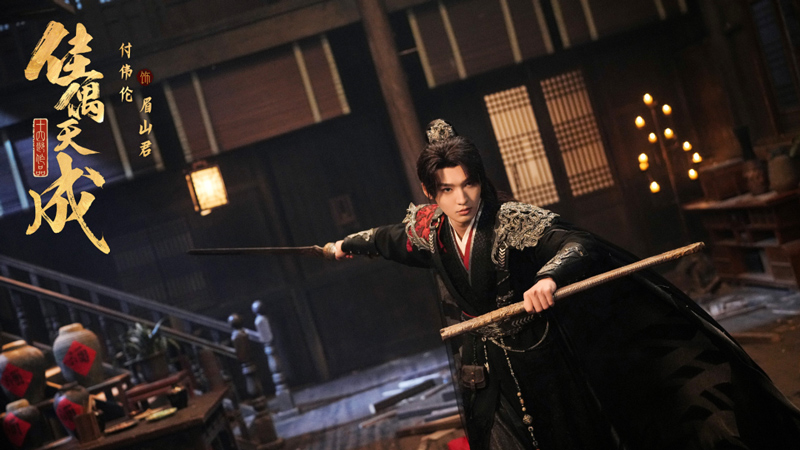
His love was pathetic in the most human way. He tried to kidnap her to save her from the War Ghost transformation. He showed up at the tomb to confess, and she thought he was confessing to someone else. Once, when Xin Mei ran away after a fight with her husband, she stayed at his place. She cooked him tofu and porridge. He saw it as a sign and poured his heart out again. She encouraged him to go after “the woman he truly loved” — meaning, not her. He almost choked on his own misery.
The next morning, Lu Qianqiao arrived. Mei Shanjun got beaten black and blue. He left sobbing. But here’s the thing: he does not stay broken. By the end, he lets her go. He drinks wine, gossips, feels sad on some nights, but lives freely. That is not a tragic ending. It is a honest one. Not every love story gets a wedding. Some just get a scar and a good meal of tofu.
The Father Who Never Stopped Lighting the Lamps
Forget the young couple. The most devastating thread belongs to Xin Xiong, Xin Mei’s father. In the drama, he is a powerful immortal master. In the novel, he is a poor man in Green Water Town. He fell in love with a wandering cultivator — a woman so mighty that he only described her as “terribly strong.” She traveled for months or years at a time for her sect’s missions. He never complained.
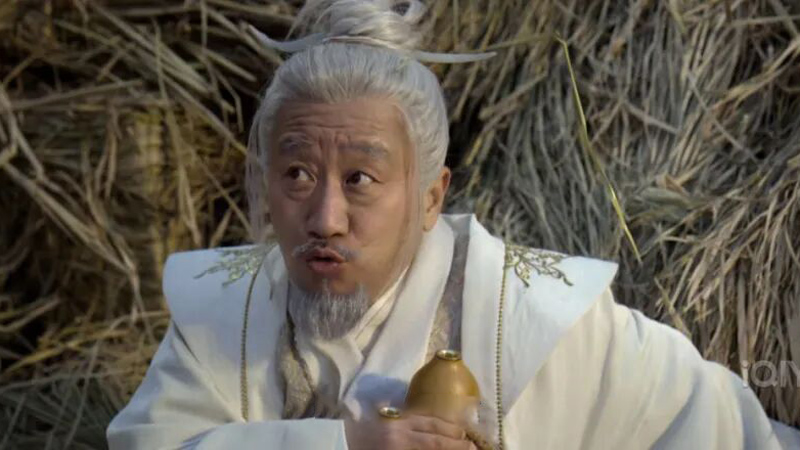
Every night, he lit two lamps outside their door. Their town was so poor that no other house had light after dark. He did it so she could see from far away. So she would not mistake the way home. So she would know he was inside, waiting. That was his only act of protest against her absence: two flames in the darkness.
She died a few months after giving birth to Xin Mei. An old injury from before the pregnancy had shattered her body. Xin Xiong never remarried. He carried her memorial tablet wherever he moved — even to the cold imperial tomb years later. Every day, he burned incense for her. When his daughter asked, “Why am I not the best woman in the world?” he answered, “Because your mother is.” That single line says more than any epic battle. He did not need grand gestures. He just needed two lamps, a tablet, and a memory. That is what waiting looks like when love does not fade.
