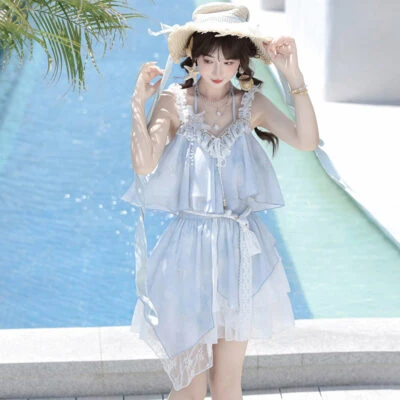
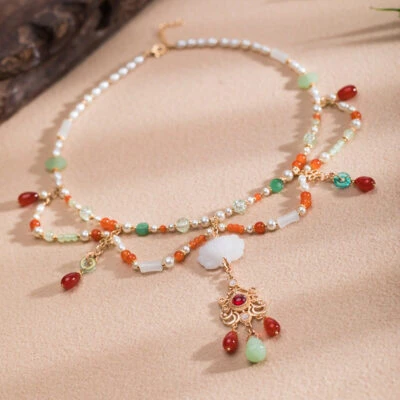
Five artisans born after 2000 have been working through hand-made orders at a small heritage-craft shop in Shangmu village, Qianjin Town, Nanxun, in Zhejiang’s Huzhou, according to a Chao News report published on October 8. The shop, called Tiancan Zhiyun, gathers several traditional crafts under one roof, among them Jili silk, lingjuan silk, Ronghua, Chanhua, Pankou and cloisonné, and it has taken orders for hairpins and cloisonné ornaments through to the end of the year. It is run by Huzhou Nanxun Tiancan Zhiyun Silk Culture Communication, with a named lead for each craft.
A Hairpin Takes Two or Three Days
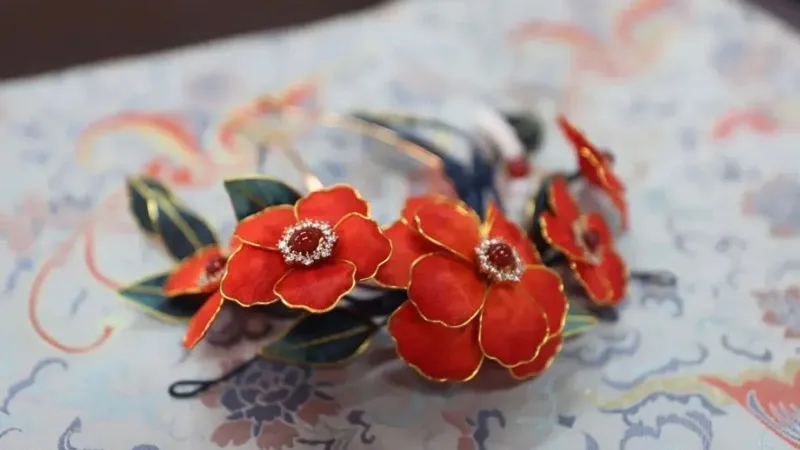
Zhao Zhen, who heads the shop’s cultural-products division, makes hairpins as he talks. Since dramas such as Story of Yanxi Palace became popular, he said, the palace-style Ronghua hairpieces worn in them have drawn fresh attention. Ronghua, or velvet flower, sounds the same as the phrase for glory and advancement, and the ornament suits everyday wear as well as weddings and travel photography.
Ronghua work cannot be done by machine, Zhao said: one hairpin passes through more than ten steps and takes two or three days by hand. The pin in his hands, shaped as a design titled “Adding Flowers to Brocade,” combines Ronghua with cloisonné in a single piece and sells for as much as 580 yuan, with demand outpacing supply.
Zhu Yue, another post-2000 artisan at the shop, handles cloisonné, a branch of the jingtailan enamel tradition. On one piece she shades a version of the painting A Thousand Li of Rivers and Mountains across fine gold wire using cold-enamel pigments and coloured sand, building up the tonality of classical Chinese aesthetics. Where cloisonné once had to be fired at high temperature, she said, the cold process now lets colour be laid onto gold wire, wood and even onto a Guzheng.
Her own training was in fine art, with subsidiary courses across several heritage crafts, and she credits that grounding for her eye for colour and composition. The post-2000 group teaches one another, she added, and blends crafts that were once kept apart, a mix the market has welcomed. A cloisonné work sells for 500 to 1,500 yuan and can serve as an ornament, a piece of jewellery or a custom decoration for a musical instrument.
Six Years to Speed Up Hualuo Weaving
Beyond handwork, the shop has pushed at traditional silk weaving. After six years of research, its team developed a high-speed loom process for hualuo gauze and applied for a patent, lifting daily output from seven metres to seventy.
General manager Shen Xiao said the company draws on Nanxun’s deep sericulture base and on local heritage skills such as Huzhou silk and lingjuan silk, and that it recruits young craft leads while using government exhibitions and sales platforms to carry the beauty of Huzhou silk abroad. A Qianjin Town official said the town would use the youth heritage workshop to keep developing craft projects and drawing young talent, so that more young people can put down roots, build careers and make a name for themselves in the countryside.