On Oct. 28, Tencent packed its upfront slate with new shows, and one Wuxia (武侠) project stood out fast. Sword of Coming (剑来) dropped its first trailer, hit 8,865 in platform heat, landed second among promoted dramas, and passed 900,000 reservations. Tencent Video will stream it exclusively. The first season is titled Caged Sparrow (笼中雀), with Zhang Chiyu (张吃鱼) as executive producer and chief director. Leo Wu is the sole lead; Zhang Xincheng (张新成), Zhang Zhen (张震), Li Wanda (李宛妲), Zhang Junning (张钧甯), Gao Weiguang (高伟光), Jia Bing (贾冰), and Huang Minghao (黄明昊) appear in special roles. This 24-episode season adapts its animated namesake, and early word of mouth is loud.
Cage and Choice
The story roots itself in Longquan (龙泉), a porcelain town modeled on the novel’s Lizhu Cave Heaven (骊珠洞天). Chen Ping’an (陈平安) is an orphan from Niping Alley (泥瓶巷), surviving as a kiln worker. His teacher Qi Jingchun (齐静春), outsider girl Ning Yao (宁姚), and friends Gu Can (顾璨) and Liu Xianyang (刘羡阳) are his few anchors. Li Wanda’s Ning Yao carries a sword from the Sword Qi Wall, while the two friends keep Chen tied to ordinary loyalty. The town looks calm, yet powerful figures treat it as a board. Kilns close, strangers arrive for luck, and ordinary lives are quietly arranged.
Chen’s trouble arrives without warning. A murder threat pulls him into bargaining and scheming, then into the truth about his parents’ death. He learns that his Benming porcelain (本命瓷) and his path were controlled by others. The title Caged Sparrow works on two levels: it is his flying sword’s name, and a picture of a boy trapped in a larger game. He does not simply level up; he asks who built the cage. The fight is less about winning a duel than surviving a system that sees him as material.
Ning Yao becomes more than a companion in danger. As they fight off enemies, trust turns into affection. Qi Jingchun’s example pushes Chen toward the heart of sword practice. When he chooses to stand for a town that has suffered injustice for three thousand years, the story tightens around a simple question: can a nobody refuse the script written for him? His answer is not a speech but a step: he walks out of the alley with his sword and his doubts. That step points toward the jianghu (江湖), yet the cage still shadows him.
Clay and Steel
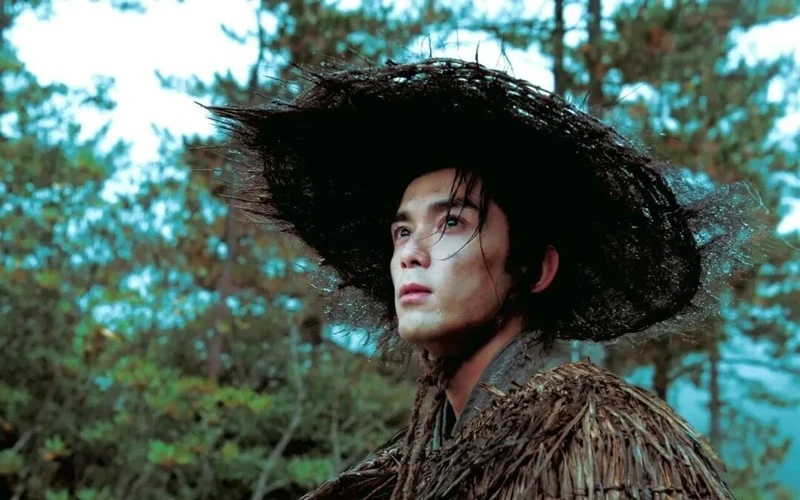
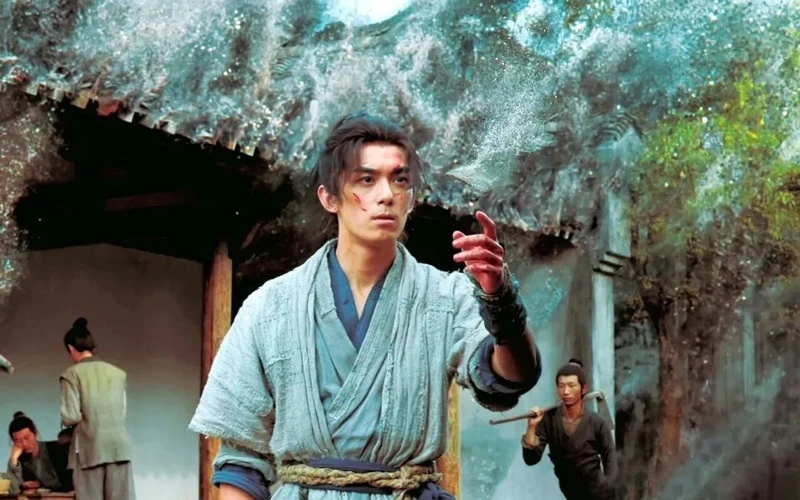
Leo Wu’s preparation gives the role weight. He cut 12 jin, trained sword and horse work for more than six hours a day, and used his own voice. One trailer shot—the hat slipping, his eyes lifting—sells the idea of endurance breaking into force. Wu keeps Chen’s silence readable, not blank. The camera does not need a speech; his jaw and stare do the work. That choice matters because Chen is not a born hero; he is a worker who learns when to stop backing away.
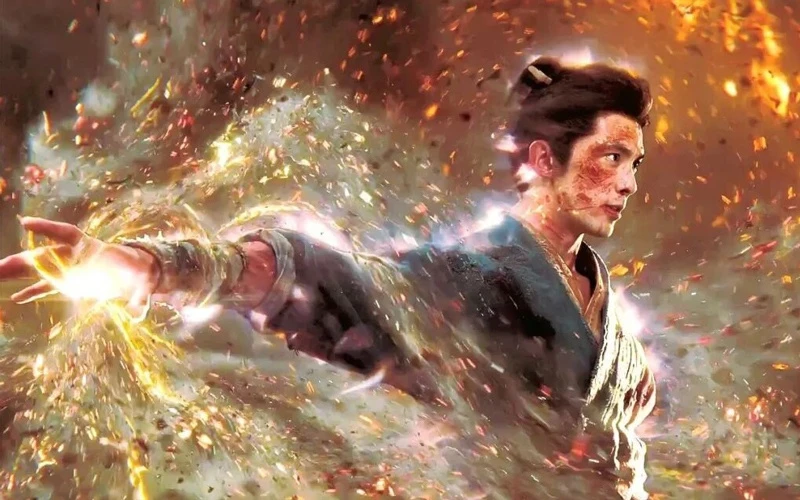
The costume team puts market smoke into the cloth. Chen wears coarse linen, rough fabric, dust in the seams. His skin looks weathered, his frame thin. Nothing shines for no reason. The look keeps the character’s humility and stubbornness visible before he speaks. In a genre full of clean robes and glowing swords, this choice pulls the eye back to the alley, the kiln, and the cost of survival. It also makes his later rise feel earned, not gifted.
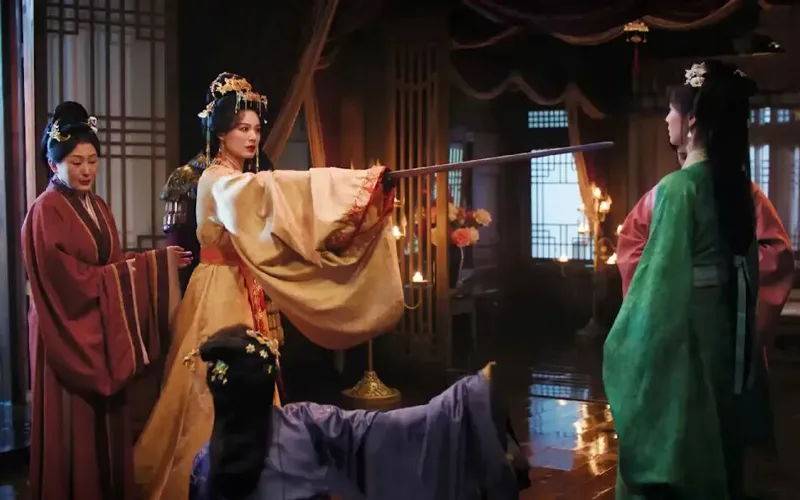
The cast spreads across generations. Zhang Zhen plays the Confucian sage Qi Jingchun; Zhang Xincheng is Cui Chan (崔瀺), the Dali (大骊) state preceptor; Huang Minghao is Song Jixin (宋集薪), a Dali prince. Their presence gives the town’s power game faces, not just rumors. Chen’s arc moves beyond self-protection into a hidden official who becomes a beam in the sword qi wall. The show’s bet is clear: make a caged sparrow’s first step feel bigger than a throne. Will viewers follow him out?